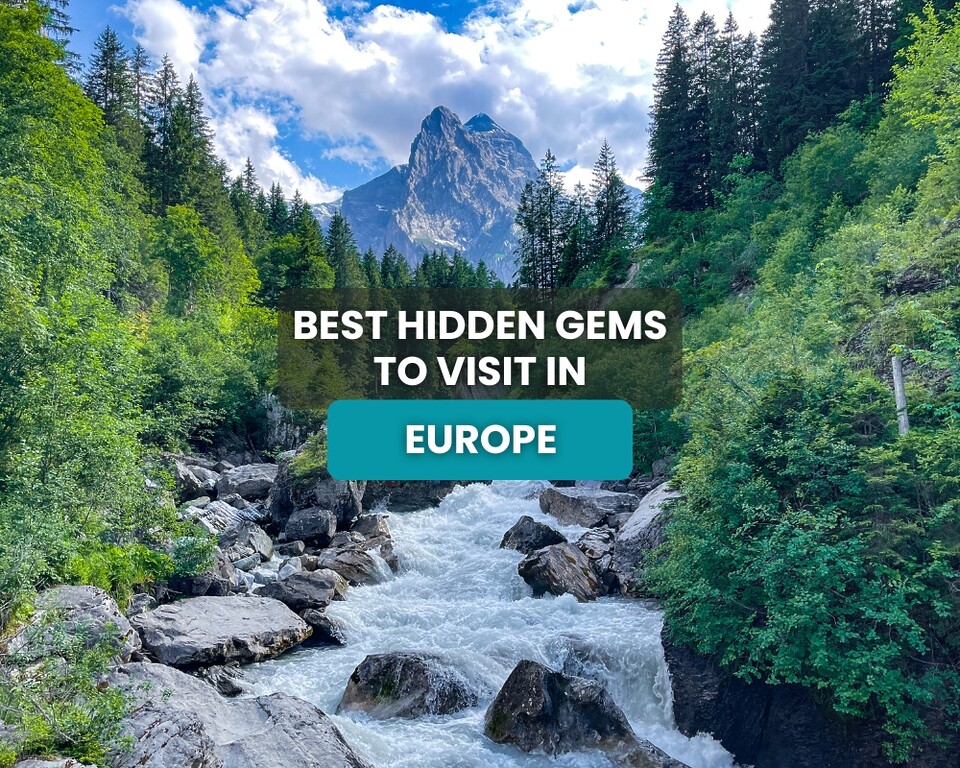

Europe is huge and incredibly diverse, which means there are always new places to discover.
I’ve spent my whole life in Europe and have been traveling around the continent for decades. During this time, I’ve discovered many places that most tourists never hear about. These are the places I want to share with you in this article.

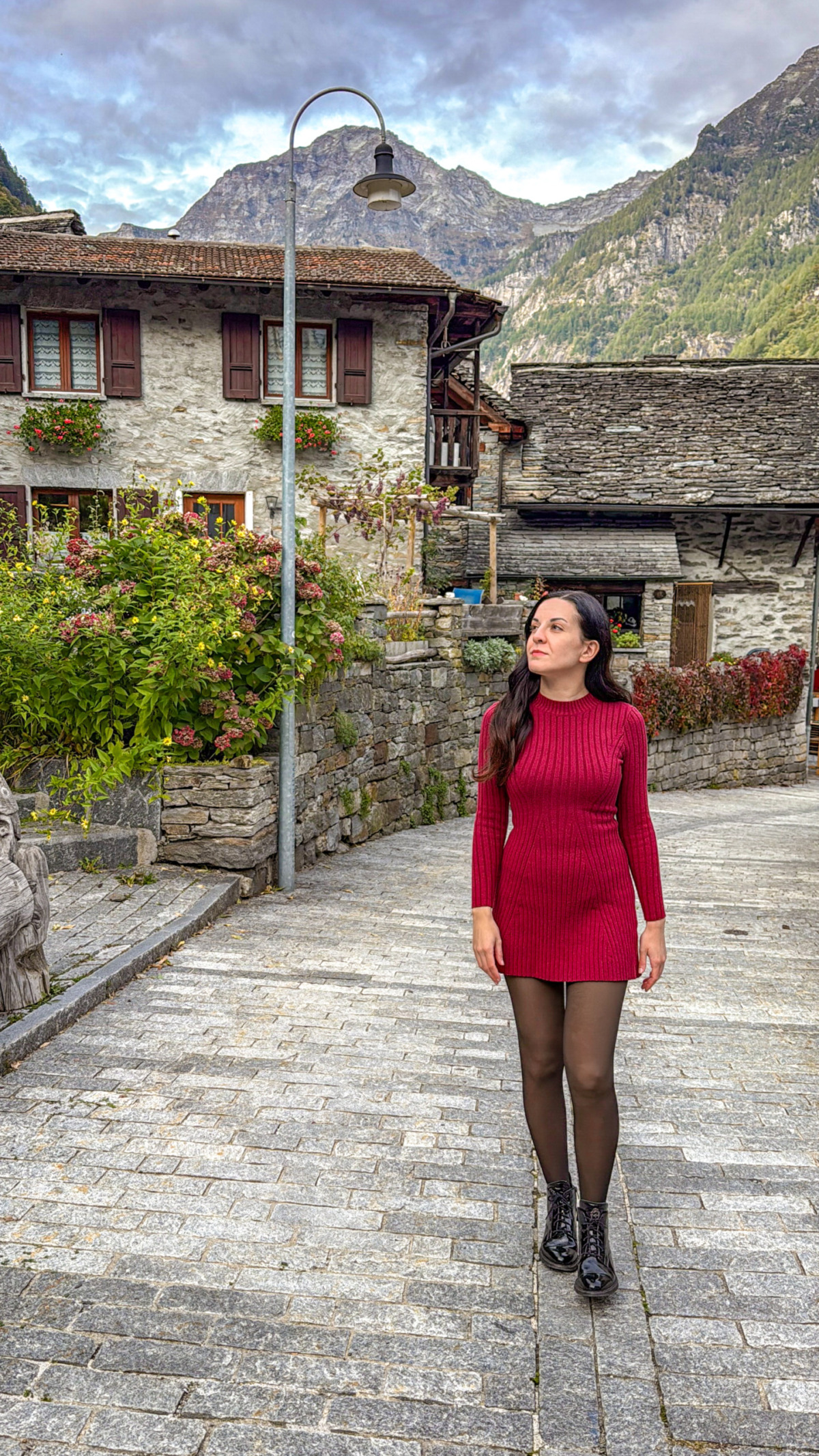
Here, I’ve collected some of the most exciting hidden gems in Europe. These are lesser-known destinations that many travelers still miss, from quiet natural spots to unique towns and dramatic landscapes.
I tried to include hidden gems from different parts of Europe, so no matter where you’re planning to travel, you’ll hopefully find inspiration for your next trip.
Want to find the best places and things to book in Europe?
Here are our quick tips on where to start your search and bookings:
- For the best places to stay: Booking.com
- For the best things to do: Getyourguide.com
- For the best car rentals: Rentalcars.com
- For the best flight prices: Kiwi.com
First, I’ll give you a quick overview of the list. Then, you’ll find detailed descriptions and practical tips for each destination. At the end of the article, I’ll also answer some common questions to help you plan your visit.
So here is my personal list of my favorite hidden gems in Europe:
Overview of my favorite hidden gems in Europe
1. Colomares Castle, Andalusia, Spain
2. Virje Waterfall, Soča Valley, Slovenia
3. Lake Bovilla, Albania
4. Devil’s Bridge, Germany
5. Seebensee, Tyrol, Austria
6. Giethoorn, Netherlands
7. Buna Spring, Bosnia and Herzegovina
8. Eltz Castle, Germany
9. Rosenlaui Valley, Switzerland
10. Zrmanja Canyon, Dalmatia, Croatia
11. Lake Resia, Italy
12. Mont-Saint-Michel, France
13. Geroldsee, Bavarian Alps, Germany
14. Fusine Lakes, Tarvisio, Italy
15. Prachov Rocks, Czechia
16. Sisteron, France
17. Pink Lake of Torrevieja, Spain
18. Cetina River Spring, Croatia
19. Velika Planina, Slovenia
20. El Torcal de Antequera, Andalusia, Spain
21. Castelmezzano, Italy
22. Cascade de Sillans, France
23. Großer Ödsee, Austria
24. Theth National Park, Albania
25. Verzasca Valley, Switzerland


25 hidden gems in Europe I’ve discovered after years of traveling
Now let’s take a closer look at the 25 best hidden gems in Europe, places worth adding to your bucket list:
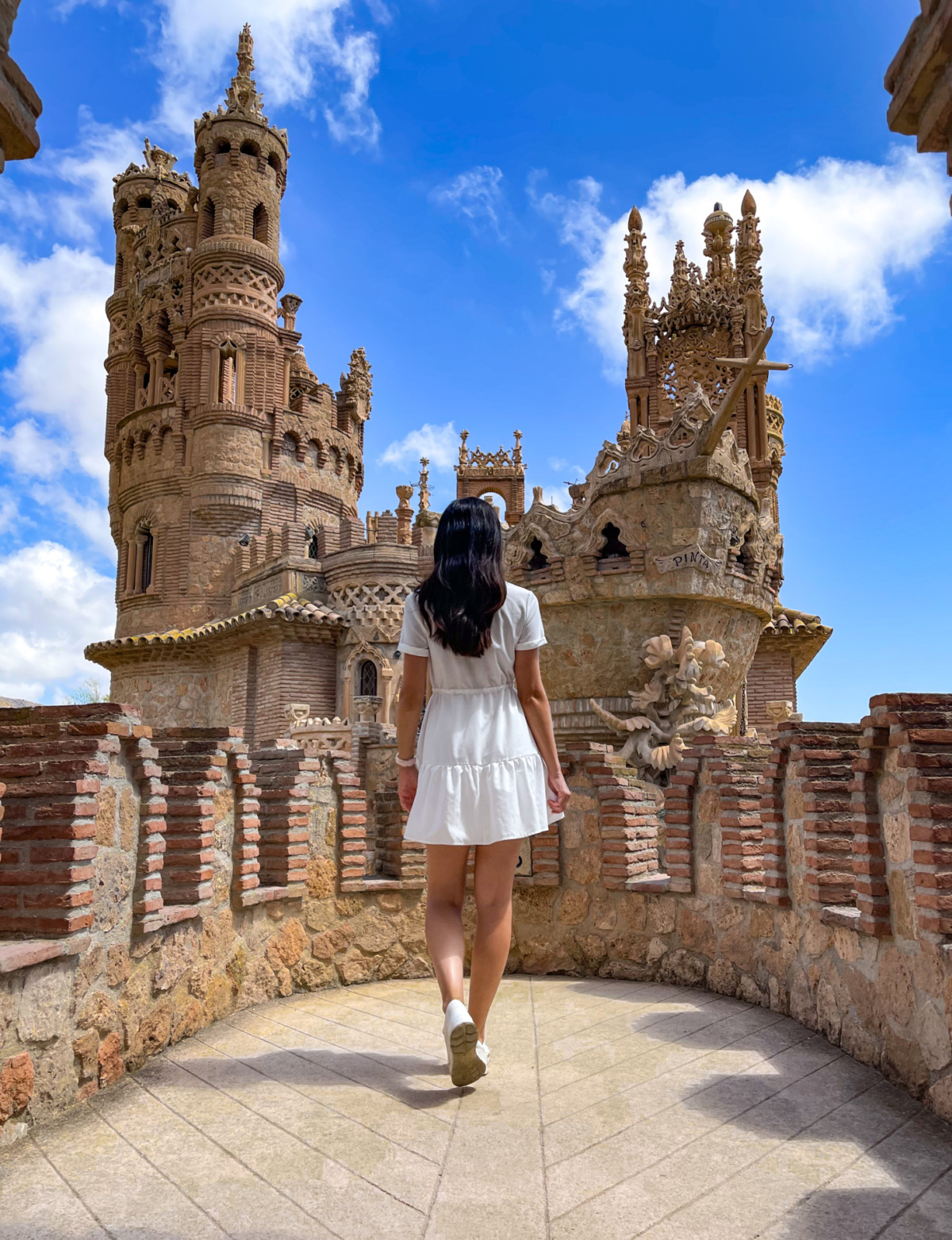
1. Colomares Castle, Andalusia, Spain
One of my personal favorite hidden gems in Europe is Colomares Castle, which I discovered during a road trip in Spain.
Also known as Castillo de Colomares, this unique monument was built to honor the life and voyages of Christopher Columbus.
At first glance, it looks like a historic medieval castle, but it’s actually quite modern and was completed less than 30 years ago. Despite this, the architecture feels timeless, with detailed towers, arches, and symbolic elements everywhere you look.
Without a doubt, Colomares Castle is one of the most photogenic places I’ve ever visited. Every corner offers interesting details, making it a perfect spot for photography lovers.
One of the most surprising facts is that the monument is home to the smallest church in the world, with an area of just 1.96 square meters.
The surrounding park offers beautiful views over Benalmádena and the Costa del Sol, which makes the visit even more special.
One important thing to know: pay close attention to the opening hours, as they are quite strict. I recommend visiting either right after opening or just before closing, especially if you want to take photos without many people around.

2. Virje Waterfall, Soča Valley, Slovenia
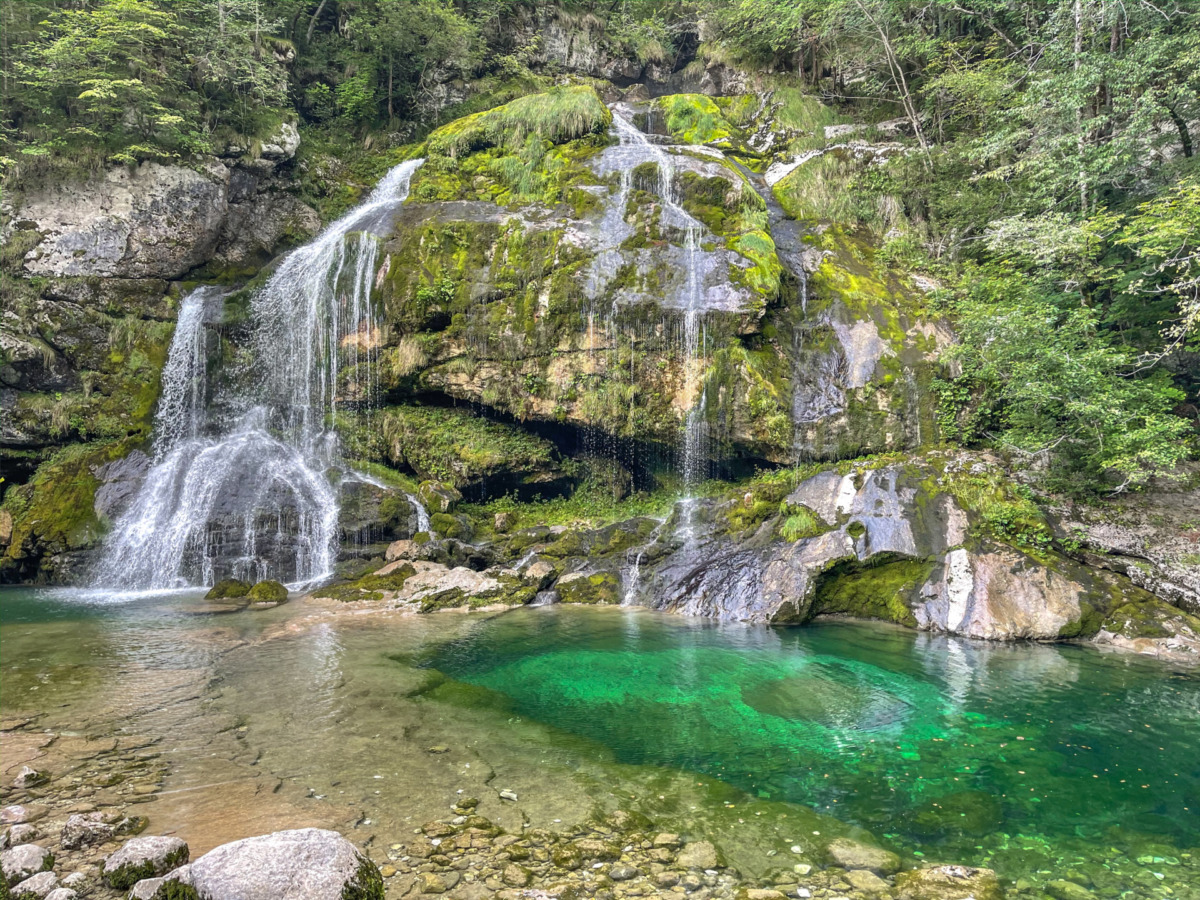
The waterfalls in Slovenia are some of my absolute favorites in Central Europe, and Virje Waterfall stands out even among them.
Virje Waterfall is located near the town of Bovec, in the beautiful Soča Valley. It’s a small waterfall hidden in the forest, where water flows gently over moss-covered rocks into a clear, emerald-colored lake. The waterfall is fed by the Glijun Stream.
I can honestly say this is one of the most beautiful waterfalls I’ve ever seen. The setting feels calm and natural, especially if you visit early in the day, before most people arrive.
You can park your car not far from the waterfall. From the parking area, a short but slightly steep path leads down to the water. Some visitors try to swim in the lake, but the water is extremely cold all year round.

3. Lake Bovilla, Albania
Lake Bovilla was one of the highlights of my trip to Albania, and one of my biggest surprises there, with a bit of adventure included.
It is an artificial lake in northern Albania, about 16 kilometers northeast of Tirana. The lake is a reservoir that provides drinking water for the capital, so swimming is not allowed.
The lake lies in a narrow valley, surrounded by steep mountains and rocky slopes. From above, the water looks deep blue, and the landscape feels surprisingly remote considering how close it is to Tirana.
Getting to Lake Bovilla felt like a real adventure for us. There is no public transport, so you need a car or a guided tour. The road is mostly gravel, narrow, and rough in places.
The best views are not right at the lake, but higher up on the mountainside. From the viewpoints on Gamti Mountain, I guarantee you’ll see some of the most breathtaking views in Albania.
Lake Bovilla is perfect as a half-day trip from Tirana and a great choice if you want to see a quieter, more adventurous side of Albania.

4. Devil’s Bridge, Germany
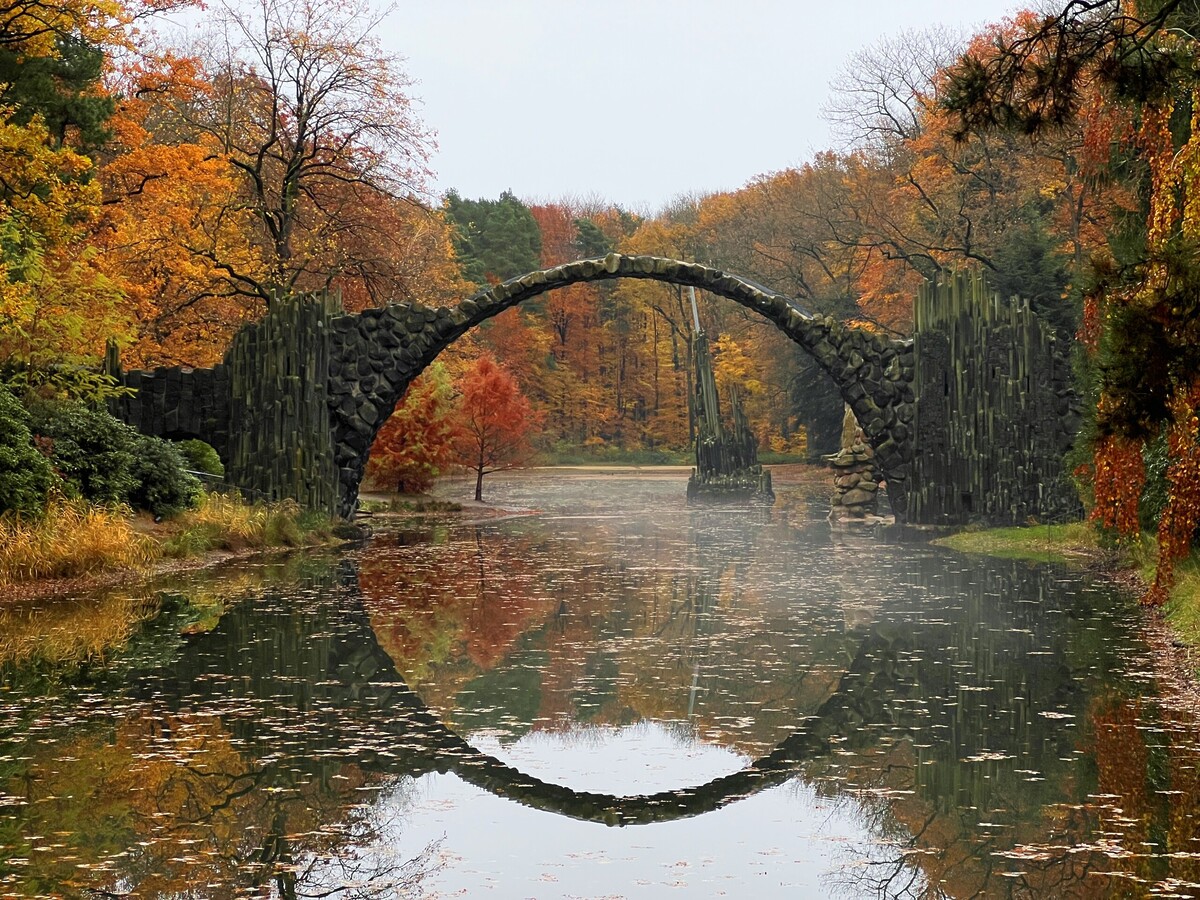
Rakotzbrücke, also known as Devil’s Bridge, is a place I only discovered after many trips to Germany. It’s a true hidden gem in Europe and still feels surprisingly under the radar.
The stone bridge is located in eastern Germany, inside Kromlau Park. It was built in the 19th century and is known for its perfectly shaped stone arch.
One of the most interesting things about this place is the reflection. When you stand on the opposite shore, the bridge and its reflection form an almost perfect circle in the water.
It’s important to know that walking on the bridge is not allowed, as it is protected. However, you can admire and photograph it from several viewpoints around the lake.
The area around the bridge is landscaped with walking paths, rock formations, and greenery. It’s easy to explore on foot and works perfectly as a short stop while traveling through eastern Germany.
5. Seebensee, Tyrol, Austria
Seebensee is a beautiful alpine lake in Tyrol, located near the town of Ehrwald in the Austrian Alps. Although it feels quite hidden, it has become more popular in recent years.
You need to leave your car in Ehrwald and continue either by cable car or on foot. From the upper station, the hike to Seebensee is about 3.5 km on a gravel road with some steep sections.
Even though we are experienced hikers and the distance doesn’t seem long, we struggle with this hike every time. It’s definitely not an easy walk.
The lake is surrounded by dramatic rocky peaks, and the water has a clear green color. There is also a mountain hut near the lake where you can stop for local food.
If you still have energy, you can continue to Drachensee above Seebensee, but this steep and rocky trail is only recommended for experienced hikers with proper equipment.

6. Giethoorn, Netherlands
Giethoorn is one of the most beautiful and romantic towns in the Netherlands. It is often called the “Venice of the Netherlands”, as canals and small bridges replace streets and form the main transport routes.
The village is located in a rural part of the Netherlands, surrounded by small villages, fields, and nature. Even though Giethoorn has become more popular in recent years, it still feels like a peaceful place where you can slow down and recharge.
One of the best experiences here is cruising along the quiet canals, passing charming houses and narrow paths while enjoying the unique landscape.
Giethoorn offers many things to do. You can walk around the village, take a guided boat tour, or rent a small boat and explore the canals on your own. Museum Giethoorn is located in the center of the village and is worth a short visit. There are also several cafés and restaurants where you can relax and enjoy local Dutch dishes.


7. Buna Spring, Bosnia and Herzegovina
This is one of the most unique hidden gems in the Balkans, and I recommend it to every reader without hesitation. Even as an experienced traveler, this place truly surprised me.
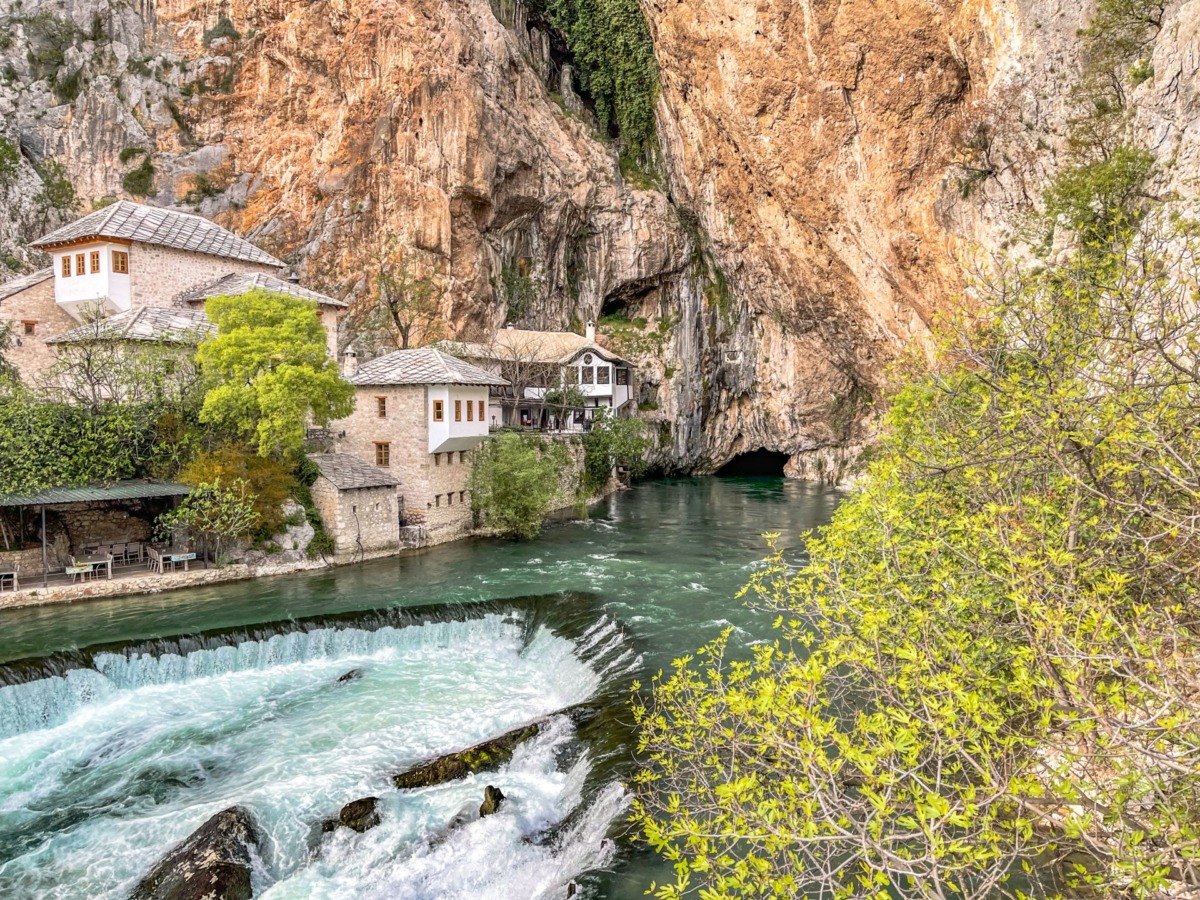
The source of the Buna River is located near the small village of Blagaj, not far from Mostar in southern Bosnia and Herzegovina. The spring emerges directly from a cave at the base of a steep rock wall, with crystal-clear water flowing into the river below.
Right next to the spring stands the famous Dervish House, an Ottoman monastery built into the cliff. You can visit the interior and learn about the region’s history and religious traditions while overlooking the water.
You can explore the area on foot, take a short boat ride near the spring, or stop at one of the nearby restaurants. The combination of dramatic nature and cultural heritage makes Buna Spring one of the most fascinating places in Bosnia and Herzegovina.
8. Eltz Castle, Germany
Eltz Castle, also known as Burg Eltz, is a medieval castle located in the Rhineland-Palatinate region of Germany. The castle lies deep in the forest, not far from the town of Koblenz, which makes the setting feel very secluded and fairytale-like.
The castle was built in the 12th century and served as the home of the Eltz family for many generations. It has been preserved in its original medieval style and consists of several wings and towers. The architecture beautifully combines Gothic and Renaissance elements.
Eltz Castle is especially famous for never having been destroyed, even during the Second World War. Because of this, visitors can still admire the original structure, artistic details, and interior decoration of the castle today.
The walk to the castle is part of the experience. A winding path leads through the forest, offering beautiful views before the castle slowly appears in front of you.

9. Rosenlaui Valley, Switzerland
The Rosenlaui Valley is a true hidden gem in Switzerland, known mostly from social media for its stunning photo spots.
I’ll be honest: this is one of my personal Swiss favorites. I even added it to my list of the best places in Switzerland and included it in my Switzerland itineraries.
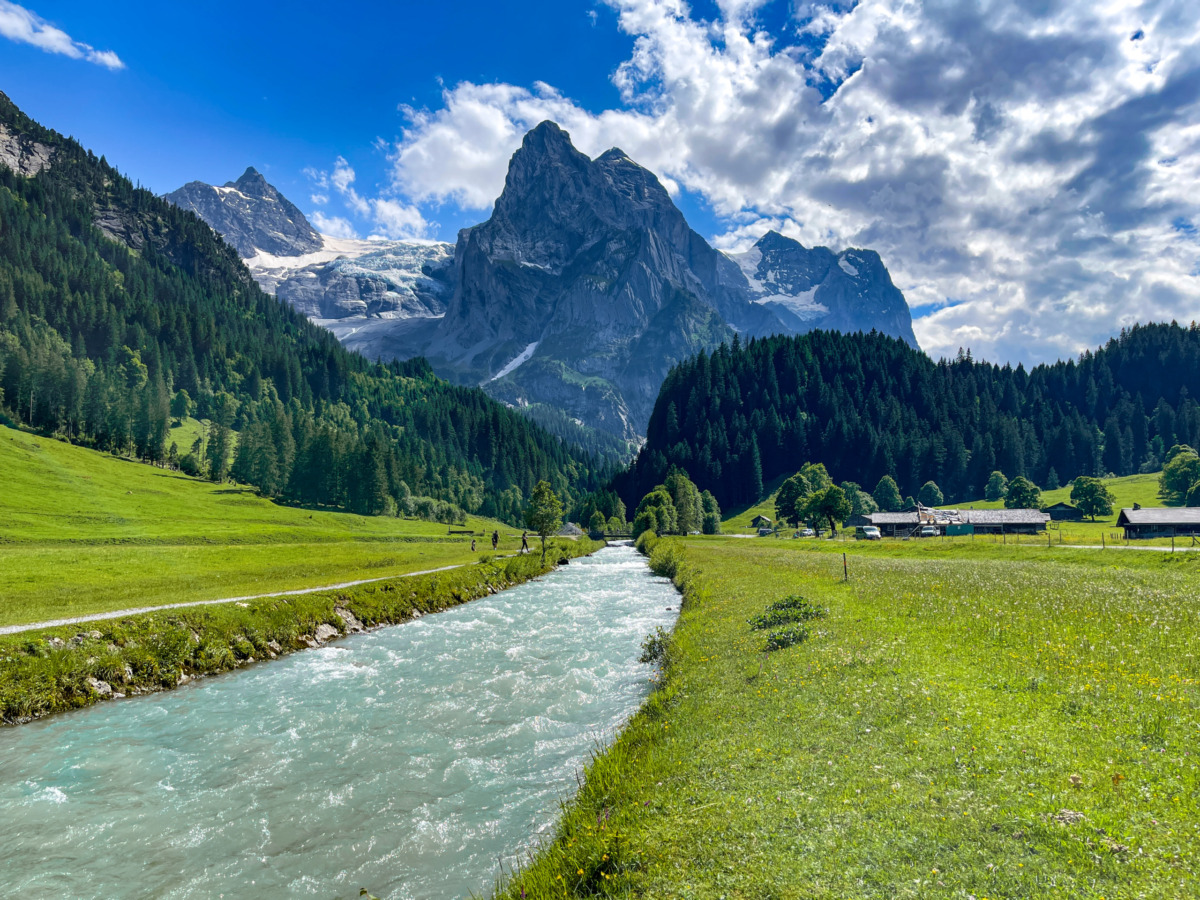
The valley belongs to the small village of Schattenhalb, not far from Meiringen and the famous Aare Gorge. You can reach it easily by car or bus via a scenic mountain road.
One of the highlights is the breathtaking view of Wellhorn across the Rychenbach River. You can also visit the Rosenlaui Glacier Gorge and the nearby waterfall.
By pure chance, I also discovered an amazing photo spot: a small bridge right next to the road, which turned out to be one of my favorite viewpoints in the valley.
If you’re nearby, I highly recommend spending a few hours here. The Rosenlaui Valley is truly one of Switzerland’s hidden treasures.
10. Zrmanja Canyon, Dalmatia, Croatia
Croatia is becoming more and more popular, and truly hidden places are getting harder to find. But because I live in a neighboring country and travel to Croatia regularly, I can still show you a few real hidden gems.
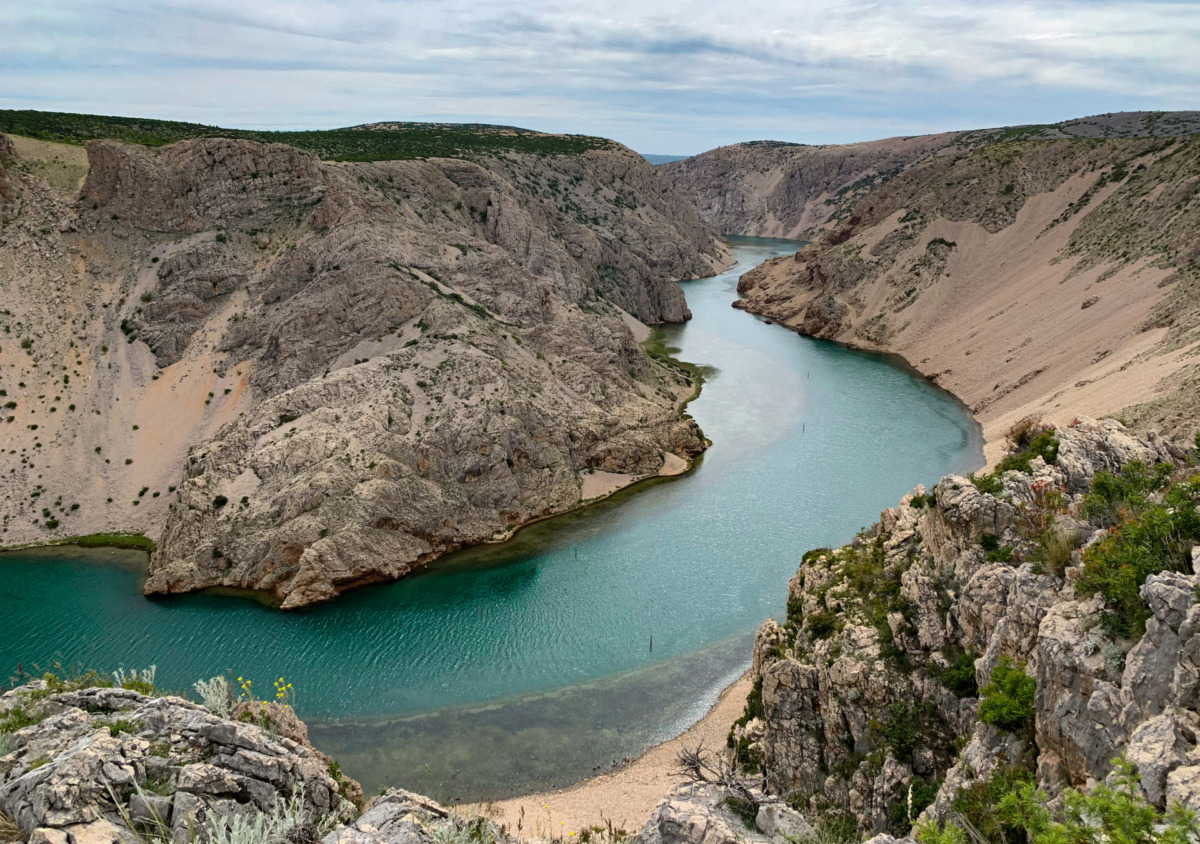
The Zrmanja Canyon is located in Dalmatia, not far from Zadar. The canyon was shaped by the Zrmanja River and feels surprisingly remote, with steep cliffs and clear green-blue water.
The river starts east of Zadar and flows through a narrow canyon for much of its course. What makes this place special is the contrast between the light-colored rock walls and the crystal-clear water below.
My personal favorite viewpoint is Kanjon Zrmanje – Vidikovac, which you can reach by car and a short walk at the end. The sunsets here are beautiful, and no matter how many times I’ve visited, there were hardly any people around.
You can also explore the canyon by kayak or rafting, which is one of the best ways to experience the landscape from inside the gorge.
Zrmanja Canyon is a great choice if you want to spend time in nature and discover a much quieter side of Croatia.
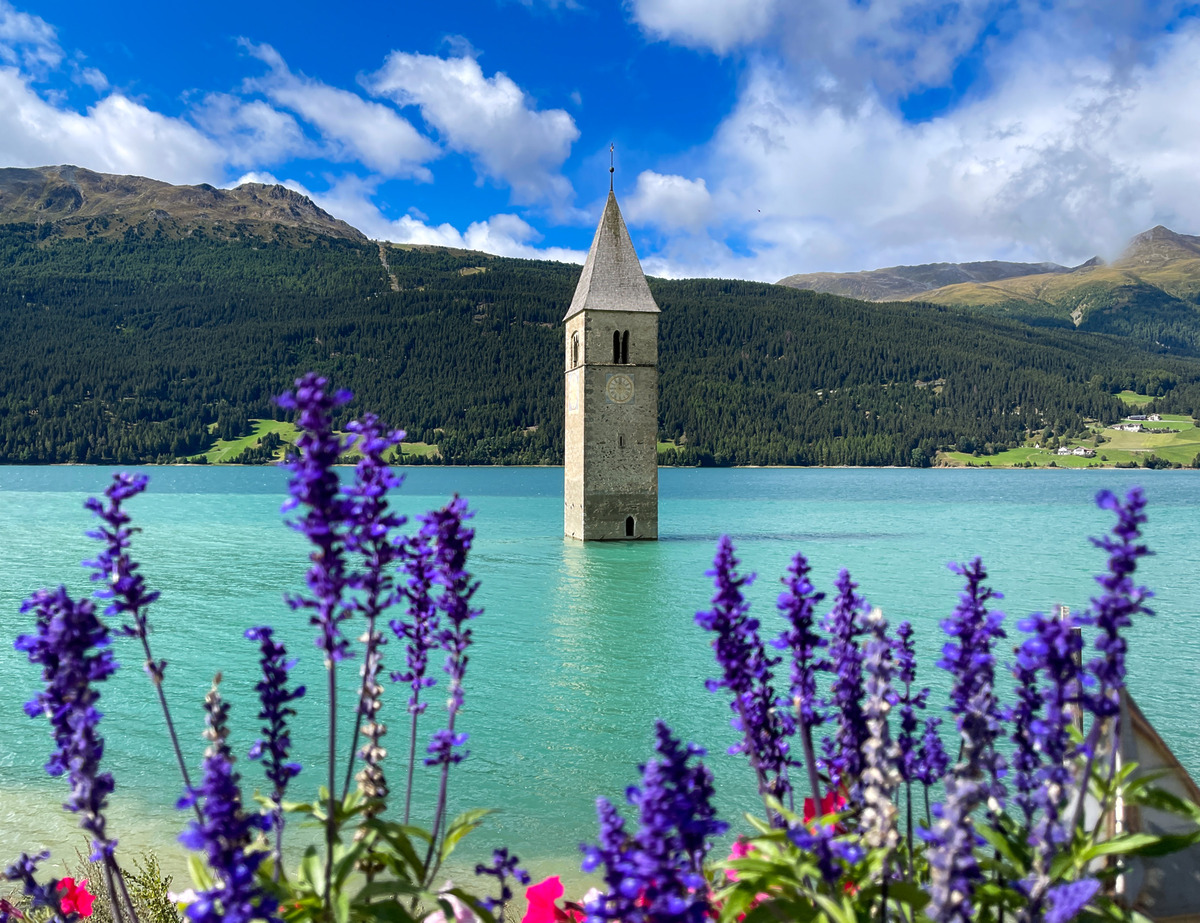
11. Lake Resia, Italy
Lake Resia is a true hidden gem in the very north of Italy, close to the Austrian border.
The lake was artificially created in the mid-20th century when a dam flooded the valley, including the villages nearby.
What makes Lake Resia so unique is the old church tower that still rises out of the water. This surreal sight has become one of the most photographed spots in Northern Italy.
The area around the lake is amazing and peaceful, and perfect for walking, cycling, or short hikes.
I recommend stopping here if you’re traveling near Bolzano or driving to or from the Stelvio Pass.
Even a short visit is worth it, as Lake Resia offers a very different experience from Italy’s more famous lakes and feels calm and untouched compared to busy tourist destinations.
12. Mont-Saint-Michel, France
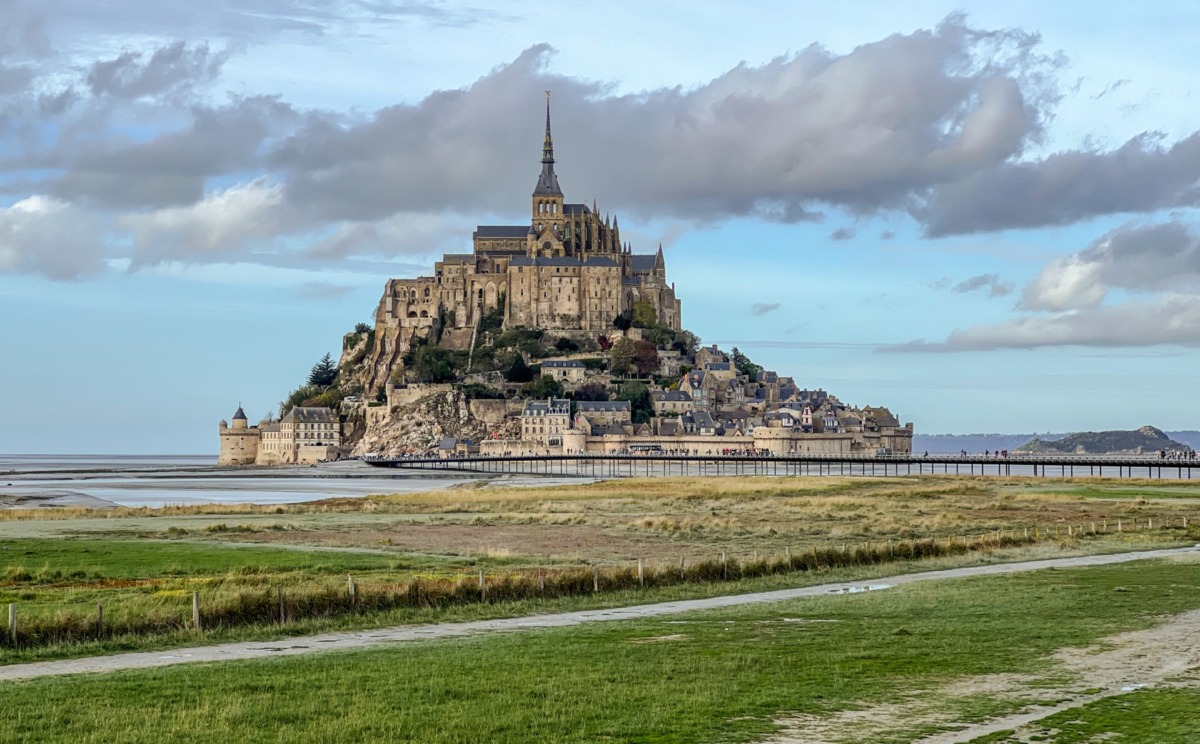
Mont-Saint-Michel is one of the most unique sights in France. It is a small island town located off the coast of the Normandy region.
The island rises from the sea on a rocky hill, with buildings climbing up toward the abbey at the top. Over the centuries, the town was gradually built around the abbey, and much of its medieval character has been preserved. Narrow streets lead through the town, with views over the sea and the surrounding landscape.
Mont-Saint-Michel lies about one kilometer off the coast and becomes a true island during high tide. The surrounding coastline is made up of sandbanks and marshes, which are home to many bird species and other wildlife.
Cars are not allowed on the island. You can park near the mainland village and reach Mont-Saint-Michel by shuttle bus or on foot along the causeway.
You can walk through the town, explore small shops and restaurants, and enjoy views of the bay from different levels of the island.
13. Geroldsee, Bavarian Alps, Germany
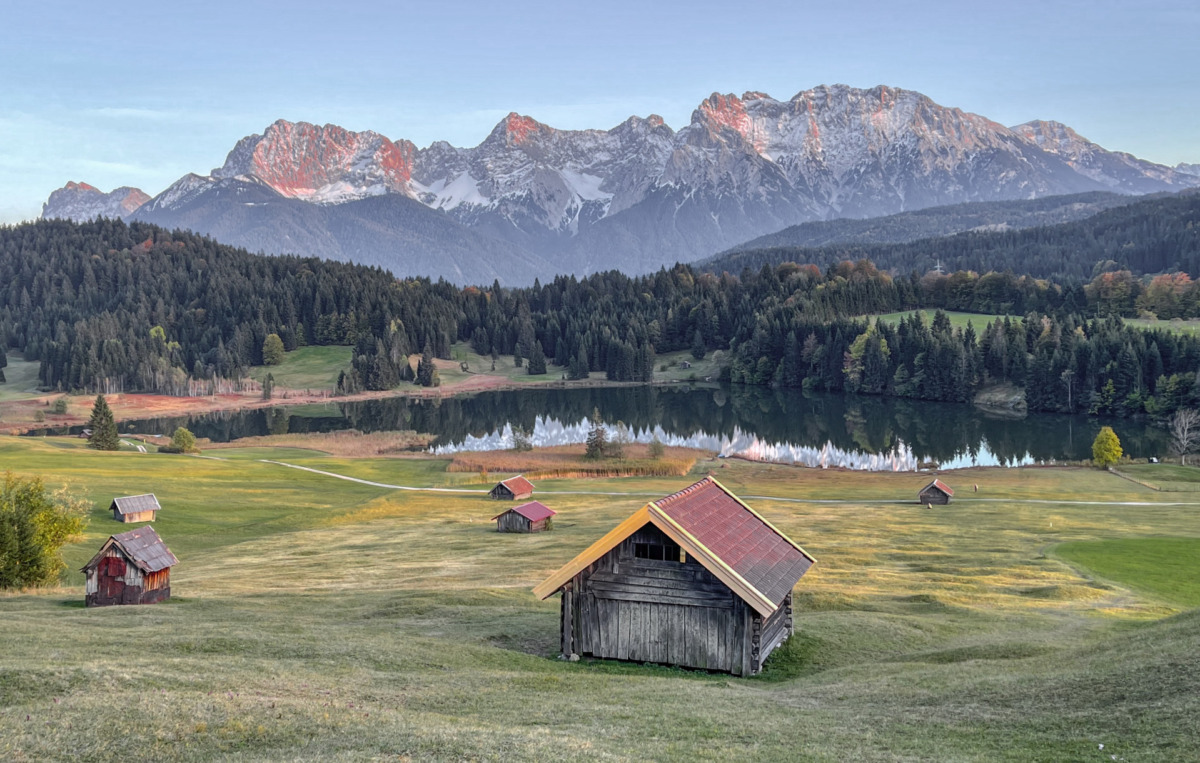
Geroldsee is a true hidden gem that only a few people know about in Germany.
It’s a small mountain lake near Garmisch-Partenkirchen, in the village of Krün. The area feels very quiet and private. Still, Geroldsee is one of the most photogenic places I’ve seen in the Bavarian Alps, so it clearly deserves a place on this list.
The lake is small and peaceful, with traditional alpine chalets nearby and rocky mountains rising in the background. The best photo spots are on the grassy hillside on the opposite side of the lake, where you get a clear view of the water and the surrounding mountains.
You can park your car on the street called In Gerold, in front of a guesthouse. This is a paid parking area, and parking elsewhere is not allowed. From here, it’s about a 1 km walk to reach the lake.
14. Fusine Lakes, Tarvisio, Italy
Fusine Lakes are one of the least known hidden gems in northern Italy, and one of my personal favorites. I visit this place regularly, and it still amazes me every time.
The two alpine lakes are located in the far northeast of Italy, close to the Italian–Slovenian border, with open views toward the Slovenian mountains, including Mangart. Compared to the famous lakes of the Dolomites, Fusine Lakes remain much quieter, even though the scenery is just as impressive.
What I love most here is how much alpine beauty you get in one place: crystal-clear lakes with changing colors, rocky peaks, small streams, fresh mountain air, and a calm, open landscape. It’s perfect for easy walks, boating, light hikes, and photography.
The lakes are easiest to reach by car. There is a small daily fee to drive the access road, and several parking areas near the lakes. We usually park near the first lake and walk from there.
The first lake is right next to the road, while the second lake is a short walk away. The best views of the second lake are from the northern side, which you can only reach on foot.

15. Prachov Rocks, Czechia
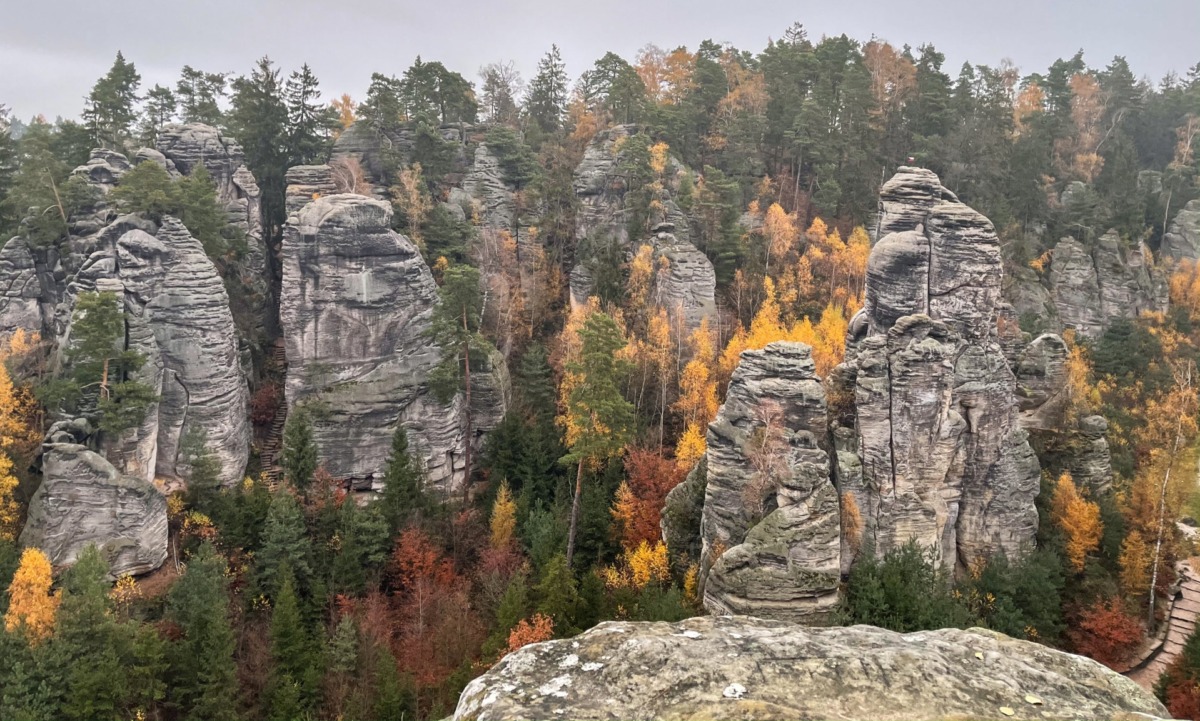
Prachov Rocks are a unique natural area in the Czech Republic, and a place I only discovered after several trips to the country. They are located in a region called Bohemian Paradise and are still one of the lesser-known natural sights here.
The landscape is made up of tall sandstone rock towers, narrow paths, stone stairways, and natural rock passages. Walking through the area feels like moving through a natural maze, with dramatic viewpoints and rock corridors along the way.
Prachov Rocks are great for active travelers. There are well-marked hiking trails, climbing routes, and cycling paths in the surrounding countryside.
If you enjoy unusual landscapes and being outdoors, Prachov Rocks are a very special stop to add to your Czech Republic itinerary.


16. Sisteron, France
The next place to visit on my list is Sisteron, a truly special small town in France.
Sisteron is located in southeastern France and is best known for its large citadel and beautiful setting. The town lies between mountains and the Durance River valley, which makes it feel very open and scenic.
In the old town, you’ll find narrow streets, colorful houses, and historic buildings. The center is small, easy to walk around, and very relaxed.
The main highlight is the Citadel of Sisteron, which stands on a rock above the town. From the top, you get wide views over Sisteron and the Durance River valley. Even if you don’t go up, the road below the citadel also offers great views.
Sisteron is a perfect short stop on a road trip through the South of France, especially if you like scenic viewpoints and quieter places away from big tourist cities.

17. Pink Lake of Torrevieja, Spain
Pink Lake of Torrevieja is a relatively unknown place in Spain, located near the coastal town of Torrevieja. Because of its unusual color and lower visibility among travelers, it deserves a spot on this list.
Pink salt lakes are rare, and only a few can be found around the world. The pink color comes from the high salt content of the water and natural microorganisms that live in it. Depending on the light and time of day, the lake can appear pale pink or deep rose.
The easiest access is from the eastern side, near the parking area called Las Salinas, Baños de Barro. From there, a short walk leads to the lake. Along the shore, you can often see salt deposits, and the water shows different shades of pink.
Some people swim in the lake, but I don’t recommend it, and it’s not always clear if swimming is allowed. It’s best to enjoy the lake from the shore and respect the protected environment.


18. Cetina River Spring, Croatia
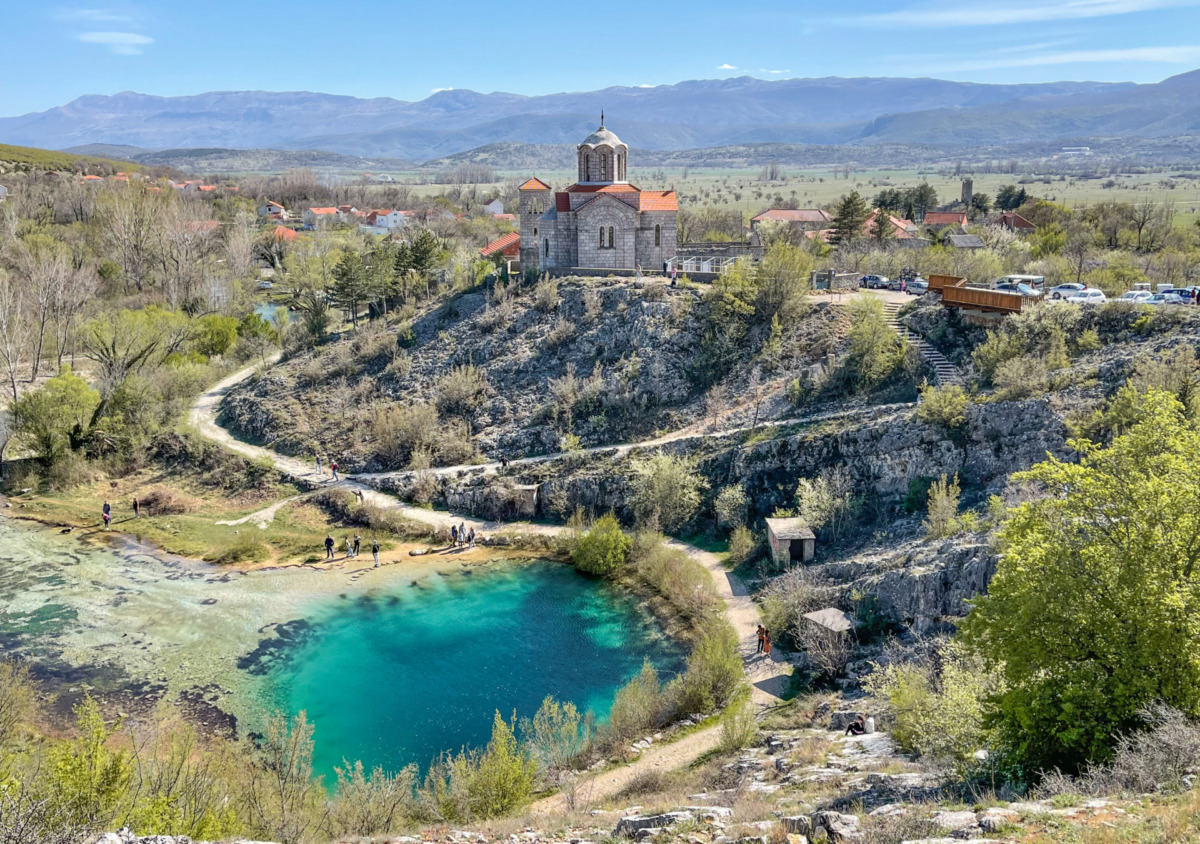
The Cetina River Spring is another true hidden gem in Croatia and one of the most impressive karst springs I’ve ever seen.
The spring is located near the small village of Cetina, north of the town of Vrlika. Even while driving there, we could tell we were heading toward something special and very remote. The village itself is extremely quiet and can only be reached by car, so it takes a bit of planning to visit.
The source of the river looks like a deep, round lake, formed in an eye-shaped limestone opening. Its depth is at least 150 meters, and the water is incredibly clear, which makes the spring visually striking. The surrounding mountains and river valleys fit perfectly into a road trip through inland Dalmatia.
In recent years, the Cetina River Spring has appeared more often on social media. You might see photos of people swimming here, but I don’t recommend it. The water is freezing cold all year, and the spring is a protected natural site.
19. Velika Planina, Slovenia
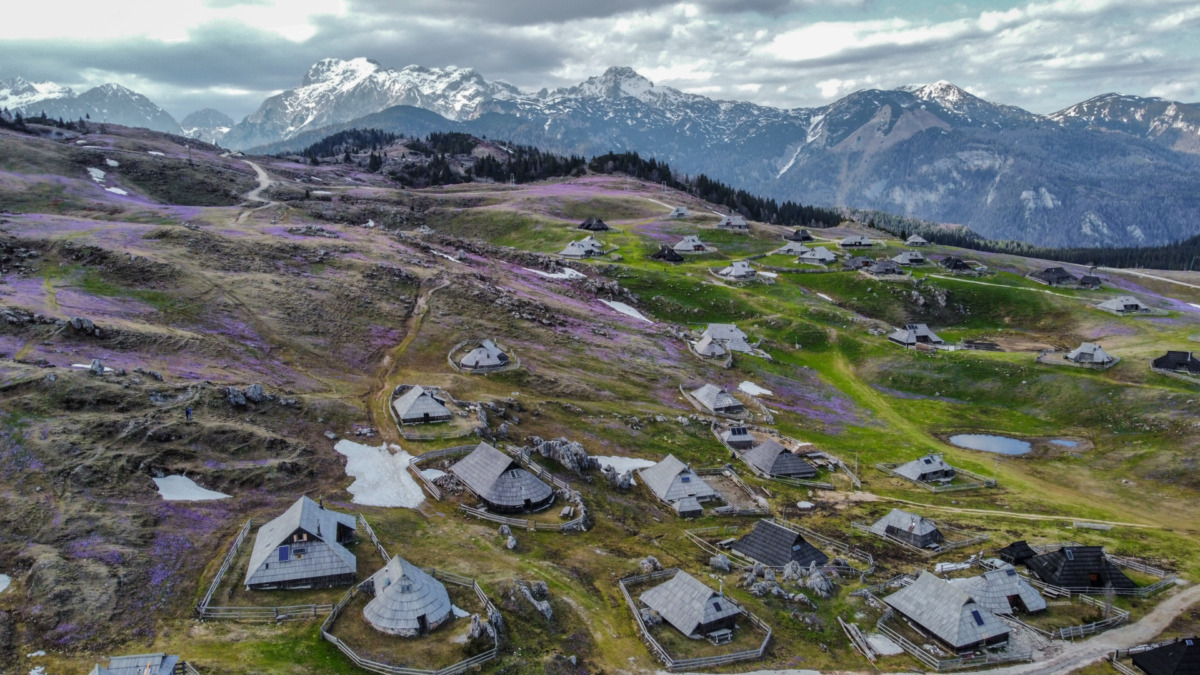
Velika Planina made my list not because it has few visitors, but because of its remote location. The plateau lies high in the Slovenian mountains, far from major towns and main roads, which makes getting there part of the experience.
Velika Planina is best known for its spring landscape. In April and May, large fields of crocuses cover the plateau. This short blooming season is the main reason why many people visit.
Reaching Velika Planina takes some effort. You can use a mountain lift or drive up by car. I prefer going by car, but I only recommend it to experienced drivers, as the road is narrow, uneven, and steep in some sections.
It’s also important to plan the timing carefully. The crocuses bloom slightly differently every year, depending on how quickly the snow melts. I usually check local webcams before going. Once most of the snow is gone, the flowers start to appear.
Velika Planina can be visited during the rest of the year as well, but without the flower fields, spring is clearly the best time to see the plateau at its most interesting.
20. El Torcal de Antequera, Andalusia, Spain
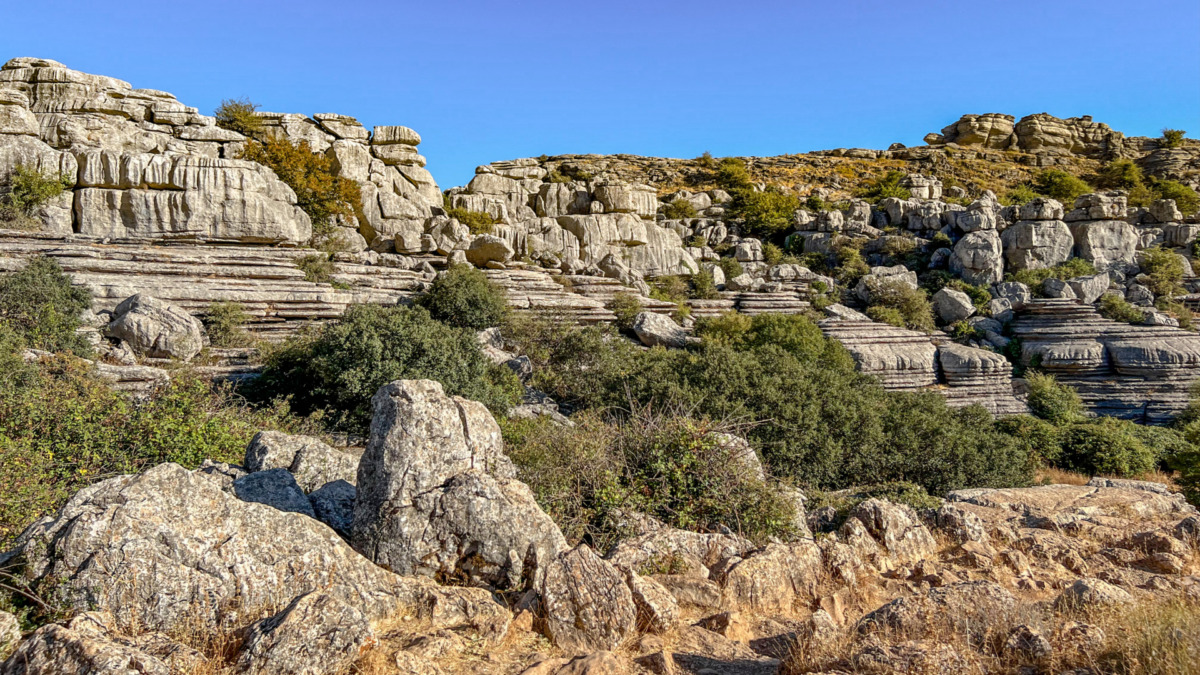
El Torcal de Antequera is another Spanish hidden gem on my list. It is a protected nature reserve in the Sierra del Torcal mountain range, located south of Antequera, in the province of Málaga.
The area is known for its unusual limestone formations, shaped by erosion over millions of years. Because of this, El Torcal is considered one of the most remarkable karst landscapes in Europe.
From the Mirador Las Ventanillas viewpoint, you can see toward the coast and the city of Málaga on clear days. Walking trails lead through the rock formations, making this a good place for an easy hike and time spent outdoors, especially if you enjoy mountain landscapes.
21. Castelmezzano, Italy
Italy doesn’t have many true hidden gems, but Castelmezzano is definitely one of them.
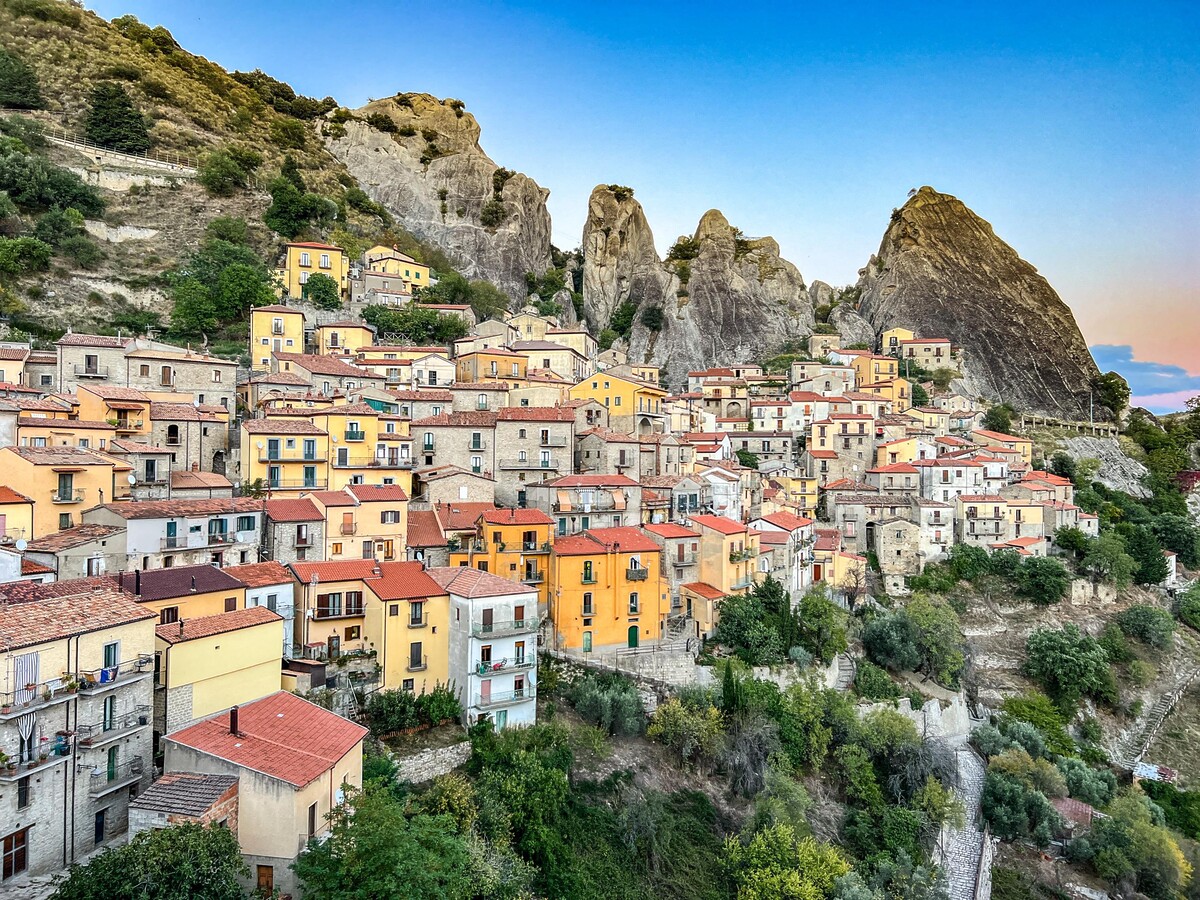
Castelmezzano is a small village in southern Italy, located in the Basilicata region. It sits between dramatic rock peaks, with colorful houses built right into the sharp mountain cliffs. The setting feels wild and very different from most Italian towns.
The village is best explored on foot. It’s small, walkable, and every corner offers a new view of the surrounding mountains.
The best viewpoint is Terrazza Panoramica, which gives you a wide view over the village and the rocky landscape around it. It’s only a short walk from the parking areas at the edge of town.
Castelmezzano is perfect as a short stop on a southern Italy road trip, especially if you enjoy unique villages and strong natural scenery instead of classic tourist sights.
22. Cascade de Sillans, France
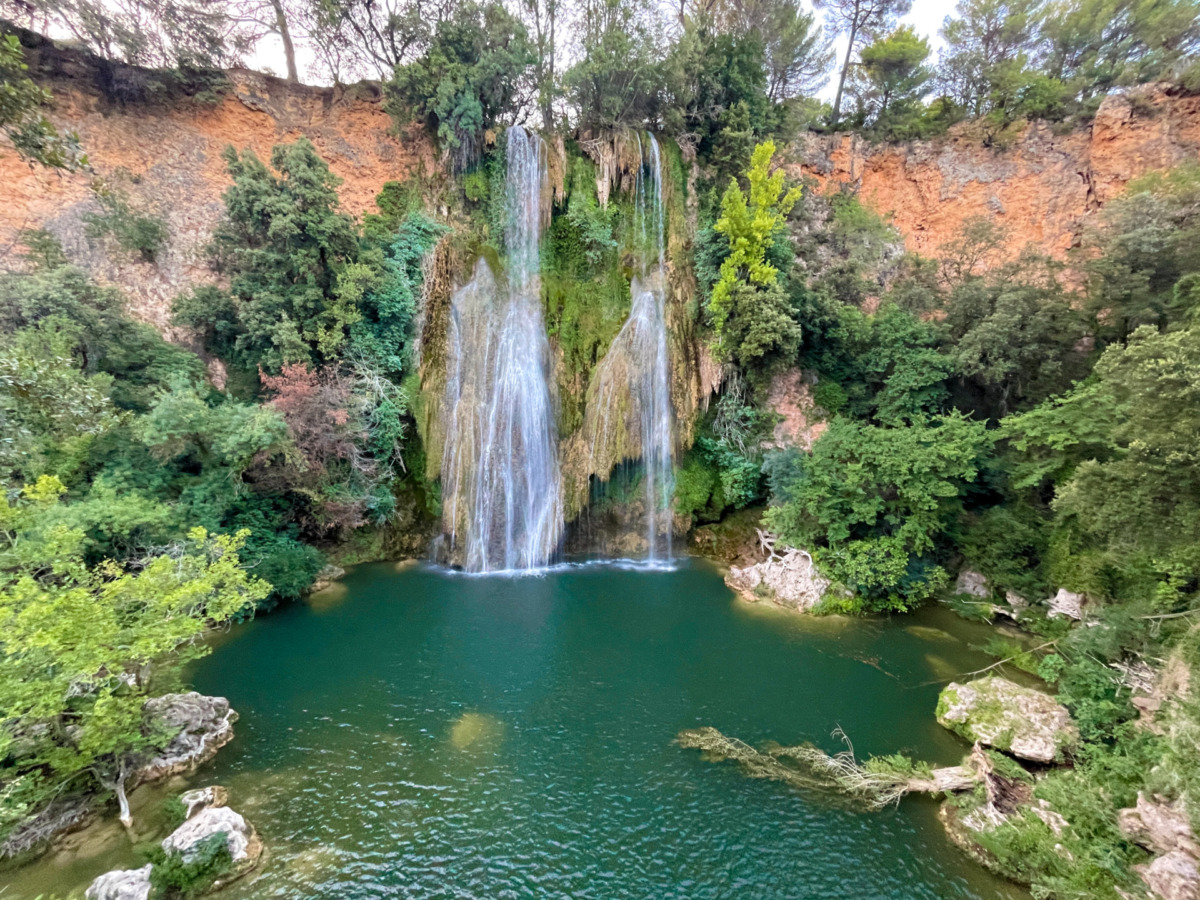
Cascade de Sillans, also known as the Waterfall of Sillans, is a 42-meter-high waterfall in the Var region of southern France. It is one of the most impressive waterfalls in Provence and is located in a quiet, natural setting.
Walking paths lead through the surrounding woodland and offer several viewpoints of the waterfall from different angles. There are also picnic areas nearby, making it a good stop if you want to take a break and spend some time outdoors.
The area around the waterfall is green and shaded, and the sound of the falling water dominates the landscape. Cascade de Sillans is a good place to slow down and enjoy a less developed part of Provence.
23. Großer Ödsee, Austria
Großer Ödsee is a small lake hidden deep in the Austrian countryside, near Almsee. It’s a few kilometers away on a forest road and is rarely mentioned in travel guides.
You need to park your car at a road junction marked on maps as Parkplatz Kreuzung. From there, a short uphill walk of a few hundred meters leads to Großer Ödsee. The lake feels very quiet and is usually not busy.
Nearby, you’ll also find Kleiner Ödsee, a smaller lake worth visiting if you’re already in the area.
One thing to know: there are many snakes in this region. I’ve seen a few myself, so it’s best to stay on the gravel paths and watch where you step around the lakes.

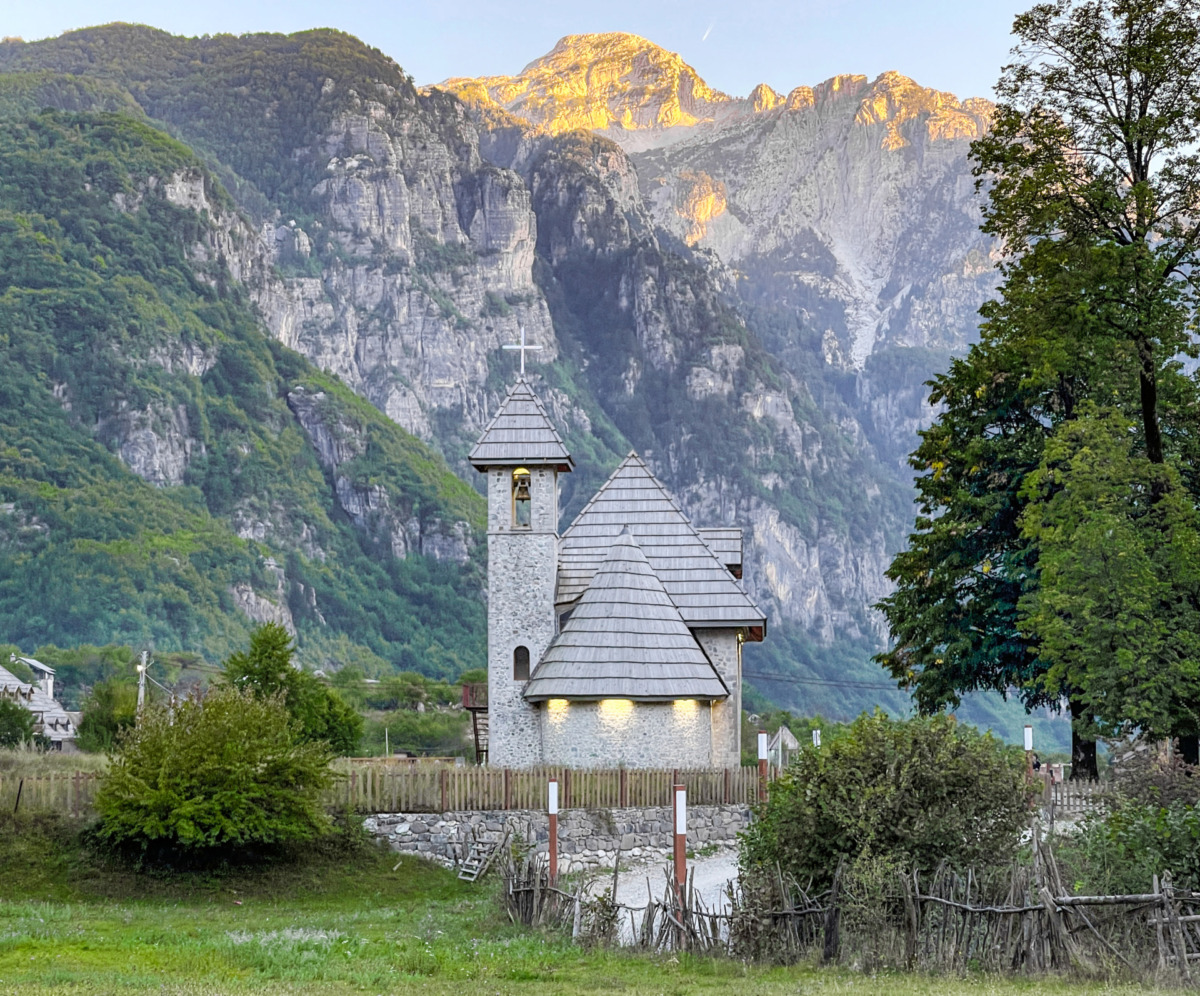
24. Theth National Park, Albania
Theth National Park is located in northern Albania, not far from Shkoder, in a very remote mountain area. Getting there takes a long drive, and we honestly weren’t sure if it would be worth it. In the end, the answer was yes. This is one of the most underrated regions in Europe.
The park is known for its dramatic mountain scenery, deep valleys, rivers, and waterfalls. One of the best-known sights is the Blue Eye of Theth, which has become more popular in recent years. Even so, the area still feels wild and untouched compared to many other places in Europe.
In Theth National Park, you can hike, walk, cycle, or simply enjoy being in nature. There are guesthouses and small local restaurants, so it’s easy to stay overnight and explore the area at a slower pace.
If you don’t mind a long drive and want to see a truly different side of Europe, Theth National Park is absolutely worth the effort.
25. Verzasca Valley, Switzerland
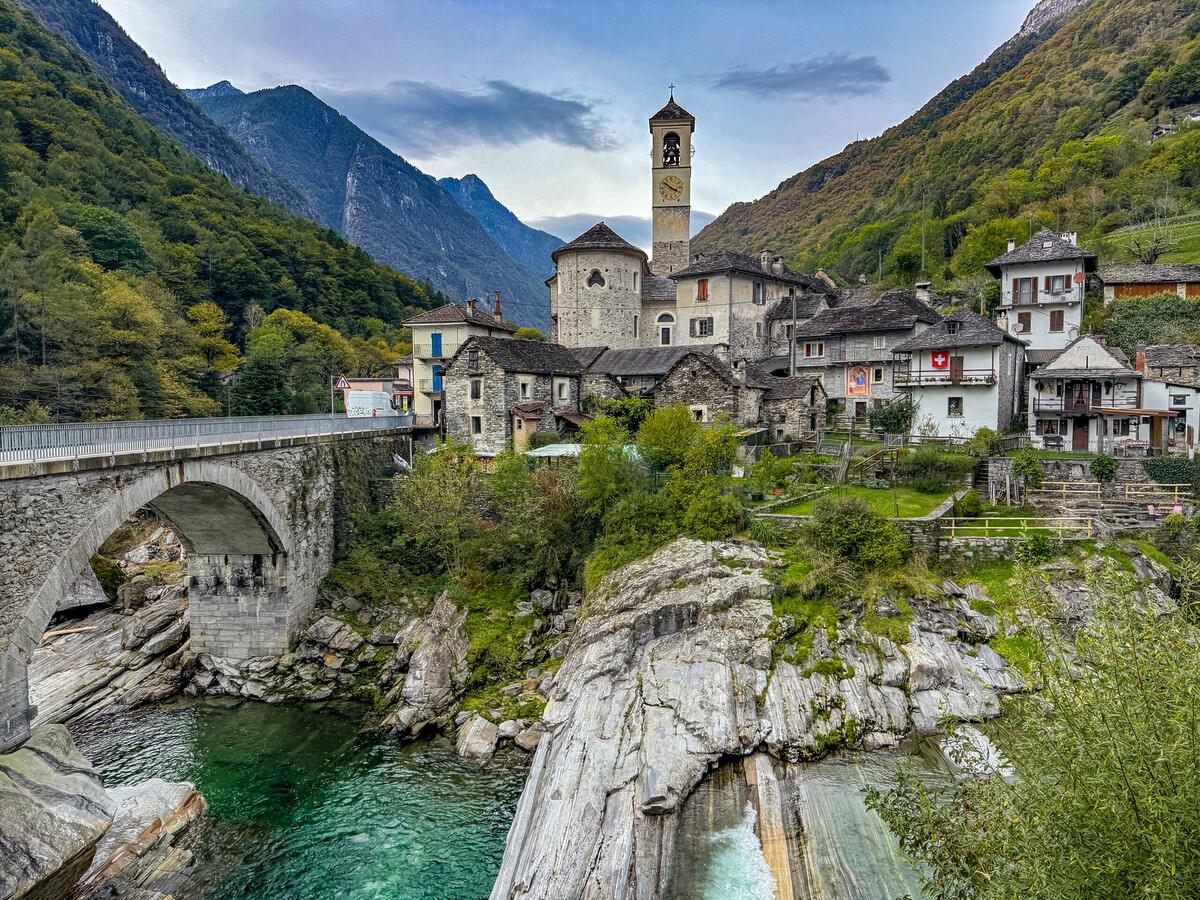
Verzasca Valley is one of the most underrated European hidden gems that I visited in 2025.
It is one of the most remote valleys in Switzerland, close to the Italian border and Lake Maggiore, but it feels completely different from the busy lakeside towns.
You can reach the valley by driving up a mountain road past a large reservoir. Along the way, there are several easy stops with viewpoints, waterfalls, and river pools. One highlight is the area around Ponte dei Salti, a historic stone bridge above crystal-clear water. Cascata di Aquino is another beautiful stop.
At the end of the road, you arrive in Sonogno, a small village where you can walk around on foot and enjoy the local atmosphere with the traditional stone houses .
Verzasca Valley is an excellent day trip from southern Switzerland if you’re looking for a quiet, unique place away from crowds.
What to know before visiting these hidden gems in Europe
Here are a few useful things to know if you’re planning to visit these amazing places in Europe:
How easy is it to reach these hidden gems?
Most of these places are easy to reach by car, often with a short walk at the end. None of the locations on this list require special access or difficult transportation. All of them are public places with proper roads leading to them. In a few cases, which I mention in the text, you should expect a longer driving time because the place is more remote.
Do you need to rent a car to visit these places?
In many cases, you’ll need to travel by car or hire a local driver to take you there.
Some of the places on this list can be reached by public transport, but for most of them, I recommend traveling by car for flexibility and convenience.
Which destinations are the cheapest?
The cheapest destinations on this list are in the Balkans, such as Albania, Bosnia and Herzegovina, and Croatia.
Accommodation is usually much more affordable than in Western Europe, and other travel costs are often lower as well. Because of this, a Balkan trip is usually one of the most budget-friendly options.

Which hidden gems are the most surreal?
From my personal experience, the most surreal places on this list are Prachov Rocks in the Czech Republic and Lake Resia in Italy.
Prachov Rocks feel special because of their tall, dramatic rock formations, while Lake Resia stands out because of the submerged church tower.
These are very rare sights, not just in Europe but anywhere in the world.
Where to stay when visiting these hidden gems
Accommodation depends on the location, but in general, I recommend staying in the nearest small town or larger city.
You can use the links included in the article to search for places to stay near each destination.
This was my list of the 25 best hidden gems in Europe that I can truly recommend after decades of traveling around the continent.
These are the places I believe are worth adding to your bucket list in the coming years, destinations that are still not overcrowded, not overly touristy, and genuinely off the beaten path.
I promise to keep updating and expanding this list as I continue exploring Europe, because the continent is still full of beautiful places waiting to be discovered.
If any of these destinations inspired you, don’t hesitate to plan your next trip and explore some of Europe’s most beautiful hidden gems for yourself.

Hi! I’m Adri, the creator of Traveltipzone.com and Italianwanderlust.com.
I’ve explored over 30 countries so far and travel to around 15 each year — some new places and others I love returning to. I’m especially passionate about Southern Europe, particularly Italy, and the United Arab Emirates.
Follow my journeys for firsthand travel tips and inspiration!


