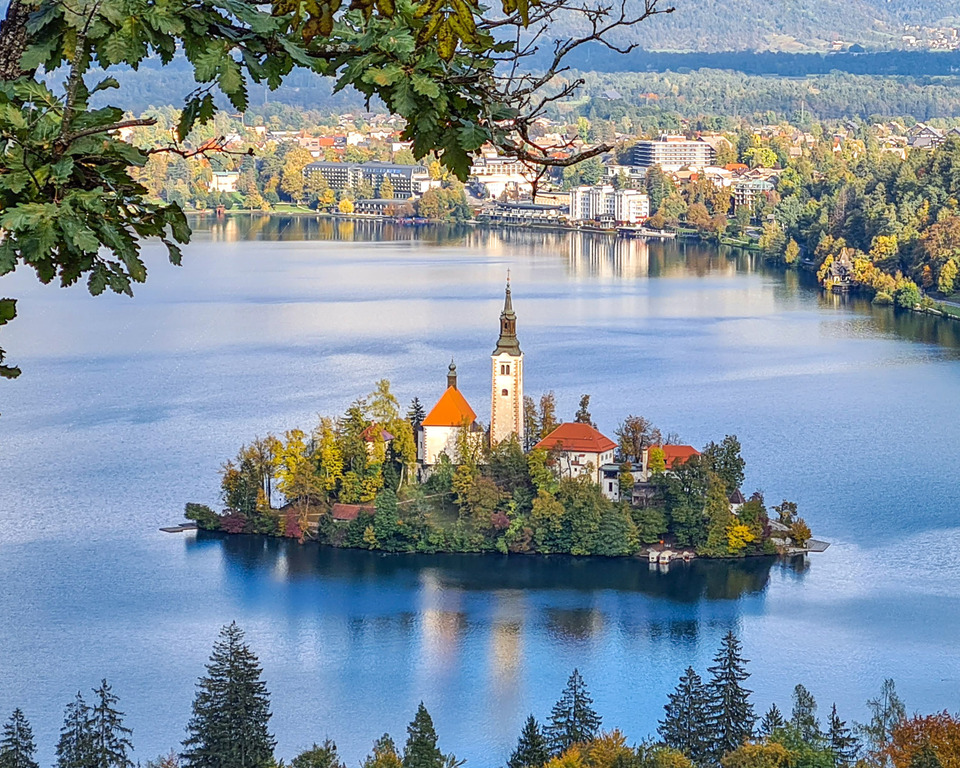

Lake Bled is Slovenia’s most famous destination, and one of those places that looks just as beautiful in real life as in photos.
Set in the Julian Alps, with a small island, a medieval castle, and calm alpine scenery, it attracts around half a million visitors every year.
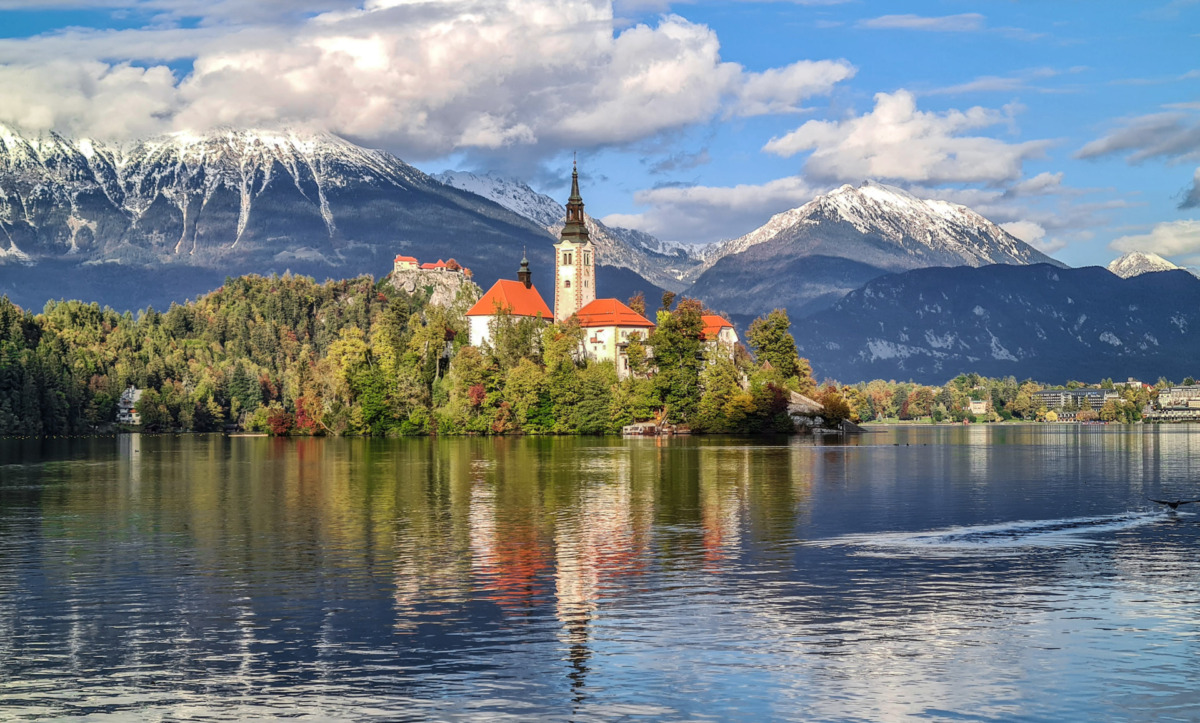
Because Lake Bled is only a few hours’ drive from where I live, it has been a regular getaway for me for many years. After many visits in different seasons, I’ve learned when it’s truly worth visiting, what’s overrated, and how to avoid the most common mistakes.
So, this guide is based on many visits to Lake Bled in different seasons, not just a single trip.
Ready for a trip to Bled?
These are my quick recommendations on what to book for your trip:
Best places to stay:
Best things to do:
In this guide, I share practical, experience-based tips on what to do at Lake Bled, when to go, how long to stay, how to get around, and what else to see nearby, so you can plan your trip with confidence.
Let’s start with the essential things to know about Lake Bled:
Quick guide to visiting Lake Bled
- Best time to visit: April–May and September–October
- Best time of day: Late afternoon, a few hours before sunset
- Time needed: From 3 hours up to 1 full day, depending on your plans
- Must-do things: Hike up to the Ojstrica viewpoint, take a boat to Bled Island, visit Bled Castle
- Biggest mistake: Arriving during peak times, when crowds are at their worst
- Parking tip: Športna dvorana Bled or Velika Zaka parking areas
Is Lake Bled in Slovenia worth visiting?
Yes, it is, but only if you avoid the busiest times and know what’s actually worth your time.
Lake Bled appeals to many types of travelers, from couples and families to photographers and nature lovers. Whether you visit for scenic walks, viewpoints, local food, hiking, or cultural sights, Lake Bled offers a well-rounded experience.
If you’re traveling in Slovenia, Lake Bled is one of those places that’s truly worth seeing, especially outside the busy summer season.
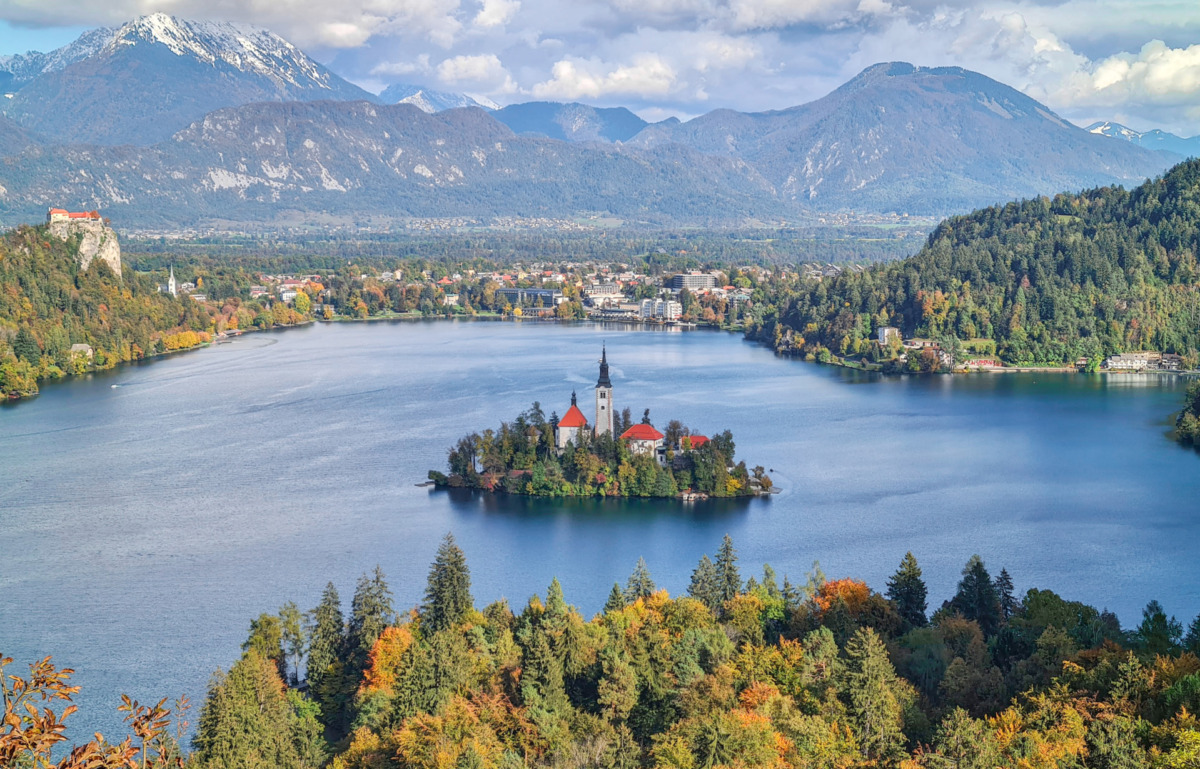
Who is Lake Bled best for?
- Nature lovers and hikers who enjoy easy walks, viewpoints, and alpine scenery
- First-time visitors to Slovenia looking for an iconic and easy-to-visit destination
- Families with kids, thanks to flat paths and many activities
- Photographers, especially for sunrise, sunset, and scenic viewpoints
- Couples looking for a romantic, nature-focused getaway
When is the best time to visit Lake Bled?
Lake Bled can be visited year-round, but the experience changes a lot depending on the season.
Summer is the high season, when most activities are available and the weather is warm. However, this is also when Lake Bled is at its busiest. Traffic jams are common on the highway, in the town of Bled, and on the road toward Lake Bohinj. Parking can be difficult, and the area often feels overcrowded.
Based on many visits, spring and autumn are the best times to visit Lake Bled. April is especially beautiful during the blooming season, while May offers mild temperatures and fewer crowds. In autumn, September is still warm and pleasant, and October brings colorful trees and a calmer atmosphere around the lake.
If you want to go swimming, July and August are good options. But in summer, it’s best to avoid Slovenian school holidays, when visitor numbers peak and the area becomes very busy.

Visiting Lake Bled in winter
Many travelers wonder if Lake Bled is worth visiting in winter. Based on several winter visits, the experience is very different from spring or summer.
Winters here are often cold and gray, with less frequent snowfall. Lake Bled usually does not freeze. Winter activities are limited. The main advantage is the calm atmosphere: there are very few crowds, parking is easy, and you can enjoy quiet walks around the lake.
Around Christmas, a small Christmas market is usually set up on the northern shore of the lake, adding lights, festive stalls, local food, and a cozy atmosphere to the area.
On the downside, days are short, temperatures can be very low, and many attractions are closed or operate with limited hours. For this reason, winter is not ideal for first-time visitors, but it can be a good option if you’re already traveling in Slovenia or want to see Lake Bled without crowds and at lower prices.

Best time of day to visit Lake Bled
If you only have a few hours at Lake Bled, I think late afternoon is the best choice. Arriving a few hours before sunset gives you enough time to walk around the lake or visit the main sights, as most places are still open.
Plus, late afternoon also offers the chance to enjoy a beautiful sunset by the lake.
How much time should you spend at Lake Bled?
If you’re mainly interested in Lake Bled, half a day or one full day is enough. This gives you time to walk around the lake, see the main viewpoints, and enjoy the scenery.
If you also want to visit nearby places, such as Lake Bohinj, go hiking in the Julian Alps, or explore Vintgar Gorge, then 2–4 days is a good amount of time to stay in the area.
If you plan to travel further, for example to the Soča Valley or Kranjska Gora, I recommend planning 4–6 days.
The region is full of beautiful natural sights that are well worth seeing. Still, Lake Bled itself works perfectly as a one-day trip if you’re short on time.

How to get to Lake Bled
The most flexible way to get to Lake Bled is by car, especially if you want to explore the surrounding area. While parking around the lake can be limited and not cheap, relying on public transport is usually even more inconvenient and time-consuming.
That said, public transport options do exist, and I outline them below for travelers who prefer not to drive.
Day trip to Lake Bled from Ljubljana
A day trip from Ljubljana to Lake Bled is easy and very popular. By car, the drive takes about 40 minutes (55 km). Follow the A2 highway, exit at Lesce, then continue toward Bled. The route is well signposted.
Lake Bled can also be reached by bus from Ljubljana. Direct and local buses run regularly, with travel times between 1 hour 10 minutes and 1 hour 30 minutes, depending on the service.
From Villach to Lake Bled
From Villach, Lake Bled is easy to reach by car via the A2 highway, coming from the Austrian side. Take the Lesce exit, then follow the signs toward Bled. The drive usually takes around 35–40 minutes.
If you’re traveling from Austria, keep in mind the Karawanks Tunnel, which connects Austria and Slovenia. The tunnel has a toll fee (one-way) and is often affected by traffic jams, especially in summer and during holidays.
If you want to avoid the toll or long waits, the Wurzen Pass is a good alternative outside the winter season. This scenic route runs near Kranjska Gora and can be a pleasant option when traffic at the tunnel is heavy.
Other public transport options to Lake Bled
FlixBus operates bus connections to Lake Bled from Klagenfurt in Austria and Trieste in Italy.
Lake Bled can also be reached by train from Nova Gorica in southwestern Slovenia, usually with a transfer to a local bus near Bled.
In addition, many organized group tours and private buses run to Lake Bled from nearby cities and neighboring countries, often as part of guided day trips.
Parking around Lake Bled
Parking around Lake Bled can be limited, especially during the busy season. Most parking areas are located on the eastern and northwestern sides of the lake.
The parking lots I use most often are Velika Zaka parking and Športna dvorana Bled parking, both on the eastern side of the lake. Velika Zaka is convenient but quite expensive, so I mainly recommend it for short visits.
The map further down the page shows the main parking options in and around Bled.
Street parking is easy to use with the EasyPark app, which works well throughout the town.
In addition, there are several private parking lots that usually still have available spaces, even when public parking is full.
Where to stay at Lake Bled
Around Lake Bled, you can find many hotels and different types of accommodation, including guesthouses and apartments.
Places close to the lake are usually more expensive than accommodation located farther away in the town of Bled.
To book your accommodation, I recommend the following places:
Map of the main places around Lake Bled
The map below shows the key places mentioned in this guide. It includes the most useful spots around Lake Bled, such as main attractions, viewpoints, parking areas, and swimming spots.
This map can help you plan your route and make the most of your time in the area.
Best things to do at Lake Bled: 9 top activities
Lake Bled offers a wide range of things to do, from easy walks and scenic viewpoints to local food spots and outdoor activities. It’s a destination that works well for couples, families, photographers, and travelers looking for a relaxed day in nature.
Below, you’ll find the best things to see and do at Lake Bled, covering the highlights around the lake and a few experiences that are truly worth your time:
1. Visit Bled Castle
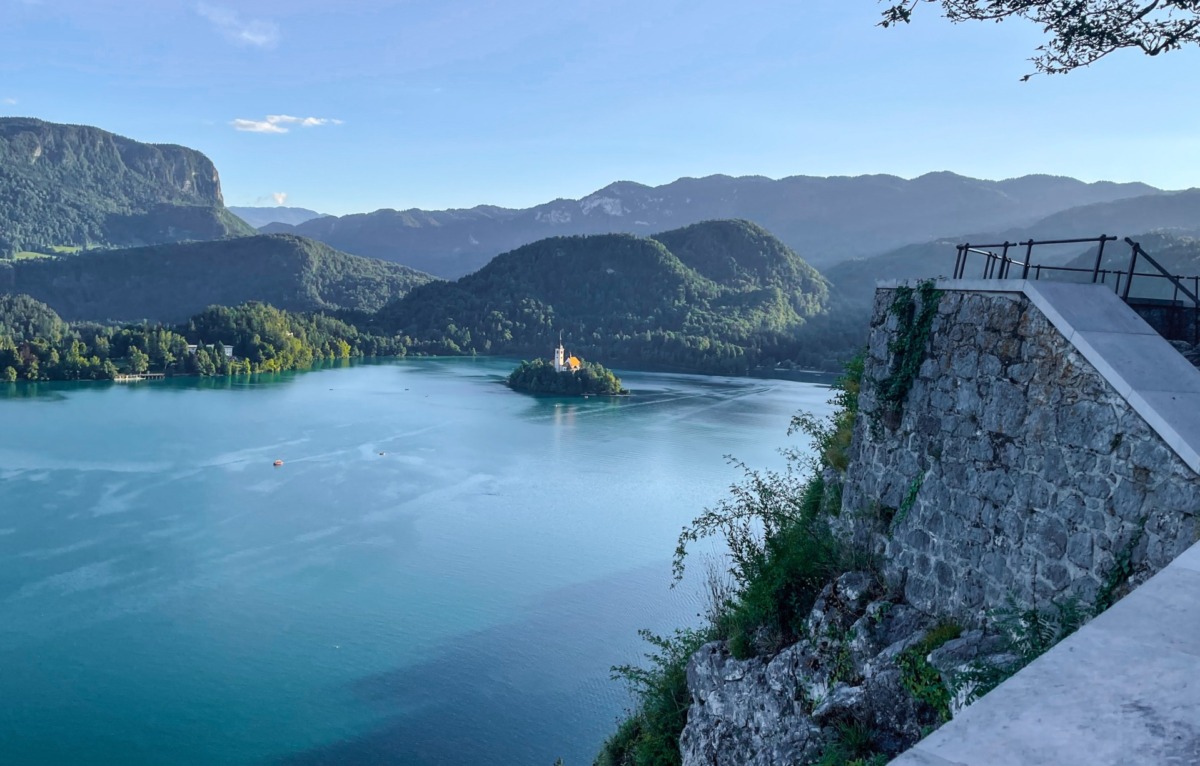
Bled Castle is one of Slovenia’s most iconic landmarks and a key highlight of any visit to Lake Bled. First mentioned in 1011, it is officially the oldest castle in the country, standing high above the lake for over a thousand years.
You can reach the castle on foot, by car, or by tourist minibus. Walking paths start from the northeastern shore of the lake and are clearly signposted. By car, access roads lead up from the northern part of Bled, ending at a parking lot just below the castle.
The main reason to visit is the view of the lake. From the castle terrace, you get one of the best panoramic views of Lake Bled, the island, and the surrounding mountains. Inside, the castle offers a brief but interesting look into Slovenian history, making it more than just a viewpoint.

2. Walk around the lake
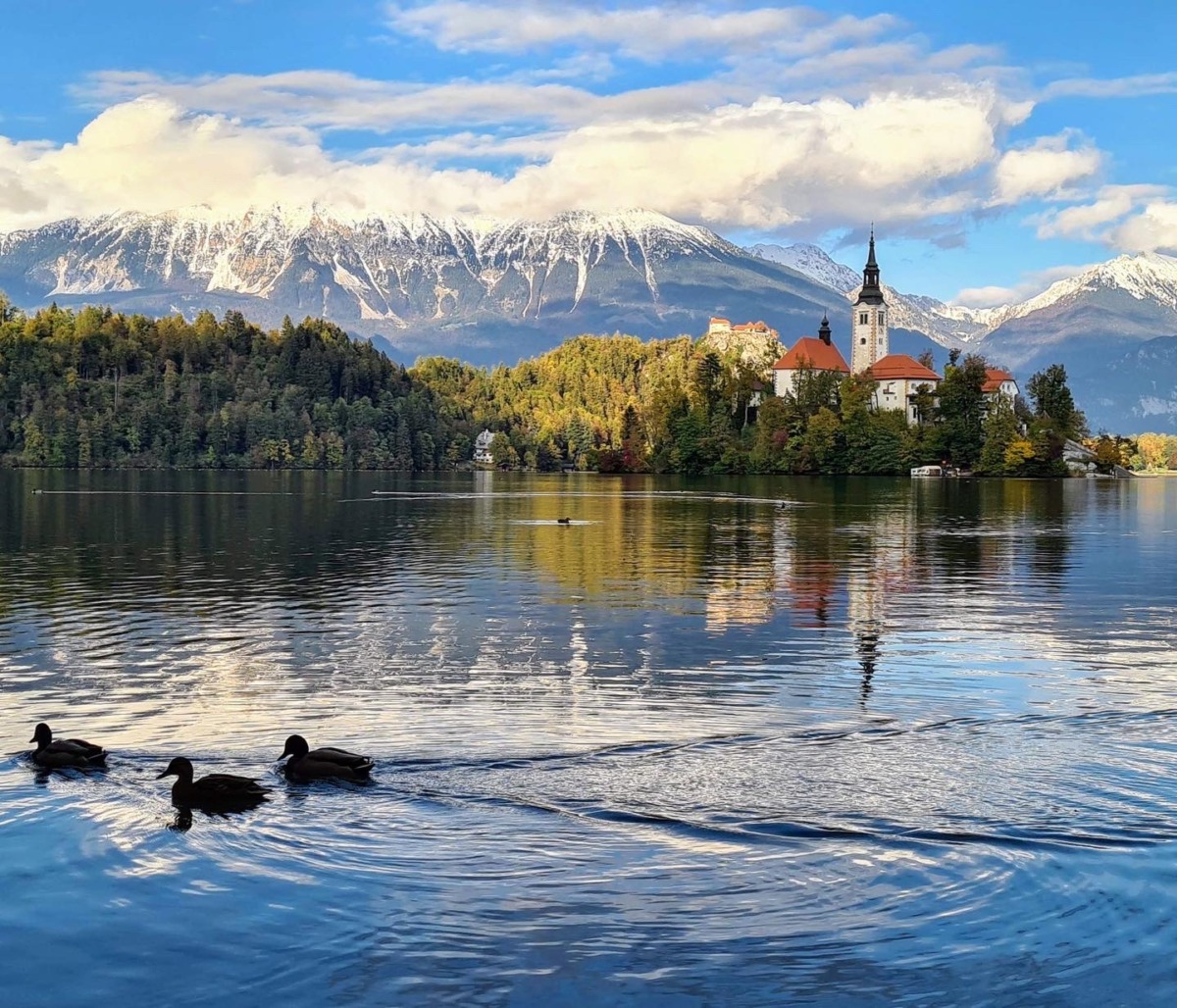
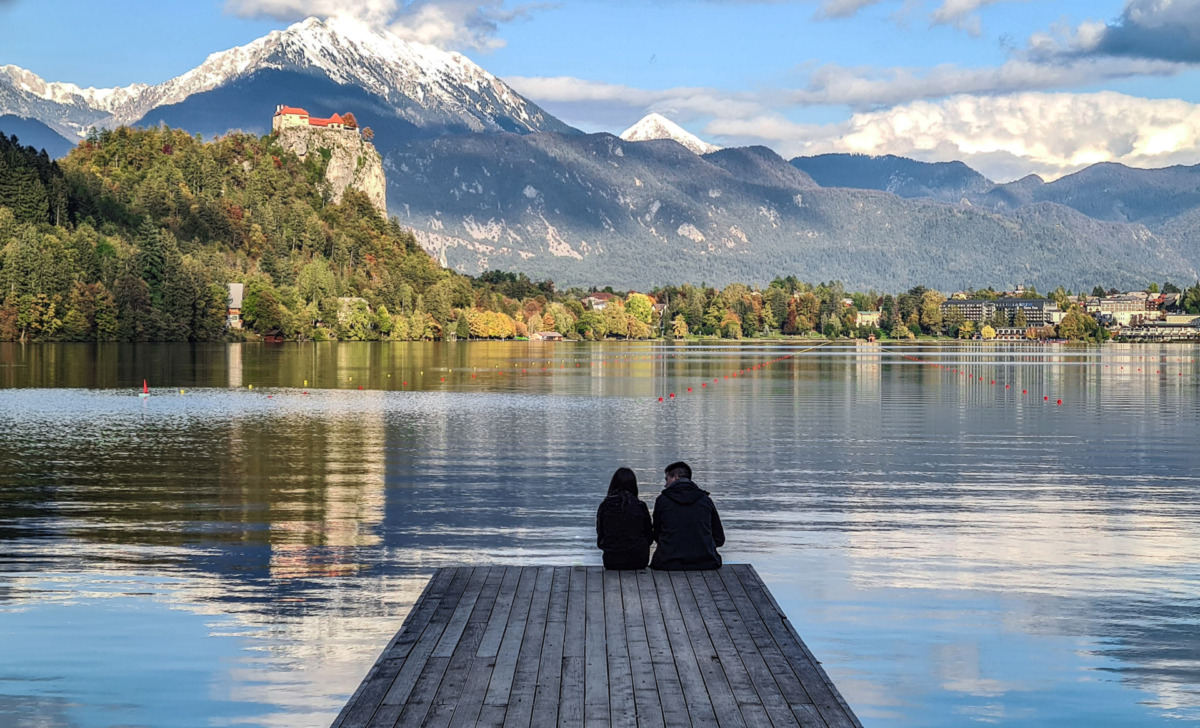
One of my favorite things to do at Lake Bled is walking around the lake. The full loop is about 6 kilometers and takes a little over one hour without stops.
But in reality, it’s worth planning more time. There are many viewpoints and photo spots along the way, and this walk is the easiest way to photograph the island from several different angles.
During the walk, you’ll see Bled Castle from below, the island, the surrounding mountains, and parts of the town of Bled. You can also take short detours to the castle, lakeside areas, or the viewpoints on the southwestern side of the lake.

3. Hike up to the lookouts
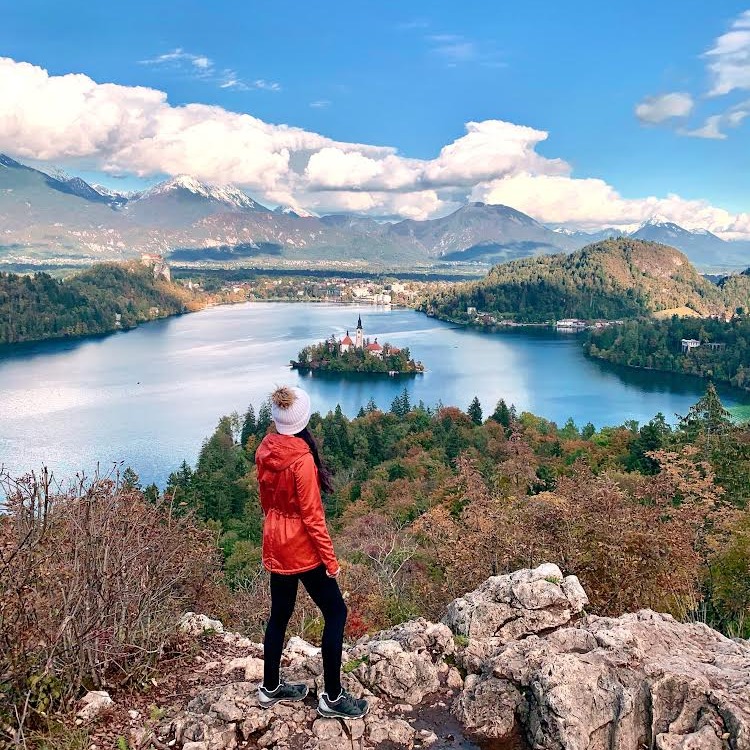
On the southwestern side of Lake Bled, above the lake, you’ll find two popular viewpoints: Ojstrica and Mala Osojnica. Separate hiking trails lead to each lookout, with some steep and rocky sections, so good hiking shoes are highly recommended.
The views from these lookouts are the best you can get of Lake Bled. In my opinion, this is where you’ll take the most iconic photos of the lake.
Ojstrica is the easier option. The trail starts close to the lake, is about 700 meters long, and has around 100 meters of elevation gain. Only a short section is steep or rocky.
Mala Osojnica is a bit more demanding, with roughly 1 kilometer of hiking and about 200 meters of elevation gain. The trail is steeper in parts but still manageable for most hikers.
The views from both lookouts are very similar, and both spots are extremely popular on social media, especially at sunrise and sunset.
4. Boat on Lake Bled
Along the lakeshore, there are several places where you can rent rowing boats. Wooden boats for 4 or 6 people are easy to find and usually reasonably priced. In the warmer months, rowing on the lake is a relaxed way to enjoy the scenery from the water.
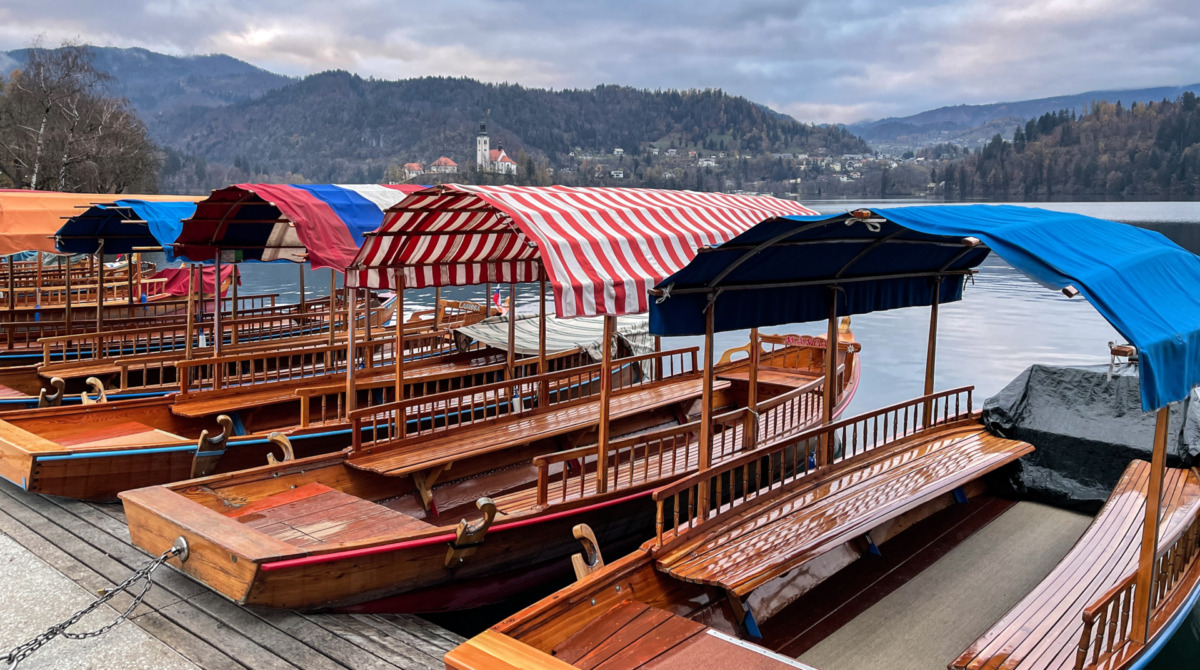
Another popular option is the traditional pletna boat. These wooden boats operate from several locations around the lake, including Spa Park, in front of Park Hotel, Mlino, and Velika Zaka. They are mainly used to take visitors to the island.
The destination is Bled Island, one of the main highlights of the area. On the island, you’ll find the Church of the Assumption of the Blessed Virgin Mary, and the sight of the pletna boats arriving at the shore adds to the unique atmosphere of Lake Bled.

5. Visit Bled Island
Near the center of Lake Bled, you’ll find a small island with an iconic church and a few historic buildings. This is Bled Island, one of the most recognizable sights in Slovenia. If you have enough time during your visit, the island is well worth seeing.
What to know about Bled Island
The most important building on the island is the Church of the Assumption of Mary. The church was rebuilt in its current form after an earthquake at the end of the 17th century. Inside, you can see Baroque decorations along with remains of Gothic frescoes from the 15th century.
The bell tower dates back to the 15th century and rises 52 meters above the island. A Baroque staircase with 99 stone steps, built in the 17th century, leads up to the church. The site is still active today and is a popular location for weddings.
The traditional way to reach the island is by pletna boat, a wooden boat operated by local rowers. Pletna boats depart regularly from several points around the lake and transport visitors to the island for a fee.

6. Swim in Lake Bled
In summer, there are several spots around Lake Bled where you can go swimming. The water is very clean and usually reaches 20–28°C, making it comfortable for a swim on warm days.
The beach on the southwestern side of the lake has shallower water and is better for relaxed swimming, while the northeastern side is deeper and more suitable for stronger swimmers.
7. Slide on the bobsleigh track at Straža Bled
It took me several visits to Lake Bled to discover this spot. Straža Bled is located on a hillside on the eastern side of the lake and is easiest to reach by car, using the parking lot next to it.
After buying a ticket, you take a chairlift to the top of the hill and then slide down a steep bobsleigh track. The ride is fast and fun, with great views along the way.
The track is quite steep, so it’s best suited for visitors who enjoy a bit of adrenaline.

8. Eat a Bled Cream Cake by the lake
Slovenia’s most famous dessert is the Bled Cream Cake, and trying one by the lake is a classic Lake Bled experience. You can find it in many cafés and restaurants around the lake, especially along the eastern shore, where several places also offer nice views.
Most patisseries serve their own version of the cake, so it’s easy to try it during a walk around the lake.
So far, however, I haven’t found a dietary or gluten-free version of the Bled Cream Cake. Hopefully, that will change in the future.
9. Visit Vintgar Gorge
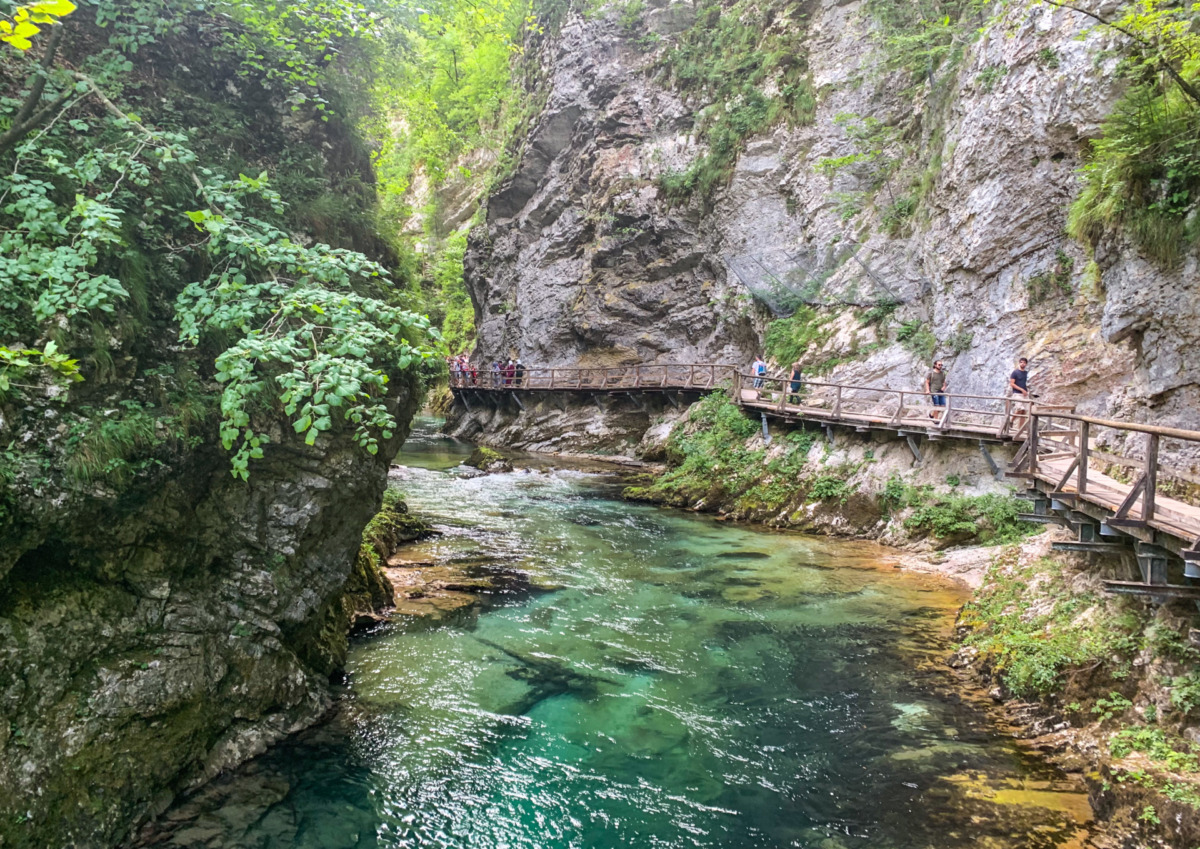
Vintgar Gorge is one of the most popular natural attractions in Slovenia and is located about 15 minutes from Lake Bled. Carved by the Radovna River, the gorge follows the Radovna Valley and features a scenic wooden walkway above the water.
The trail is easy to walk and well maintained, which makes Vintgar Gorge one of the most accessible gorges in Slovenia.
However, there are a few important things to know. The route is one-way only, returning to your parking spot can be inconvenient, and entry is limited and relatively expensive compared to similar sights in the region.
Because of its close location, Vintgar Gorge can still be easily combined with Lake Bled or other nearby attractions. I recommend visiting if you have extra time.

Lake Bled 1-day mini itinerary
Here’s how I would spend one day at Lake Bled:
- Morning: Walk along the southwestern shore of the lake, then take a boat to Bled Island
- Lunch: Eat at a lakeside restaurant, such as Old Cellar Bled or the restaurant at Hotel Starkl
- Afternoon: Hike up to the Ojstrica viewpoint or walk around the lake, then stop for a Bled Cream Cake
- Sunset: Head up to Bled Castle for sunset views.

Frequently asked questions
Here are some other questions you may have when planning a visit to Lake Bled.
What should you avoid at Lake Bled?
Based on my many visits over the years, I think these are the most common mistakes travelers make:
- Arriving during peak times: In summer, especially on weekends, Lake Bled can get extremely crowded, with traffic jams and large crowds around the lake. I don’t recommend visiting at these times.
- Not booking accommodation in advance: Lake Bled is a very popular destination, so hotels and guesthouses fill up quickly. It’s best to book your accommodation as early as possible.
- Relying only on public transport: Public transport in the area is limited and not always convenient. In my experience, visiting Lake Bled by car is much more flexible.
- Skipping the upper viewpoints: The hike up to the viewpoints is not always easy, but it’s absolutely worth it. At least one panoramic view from above makes a big difference to your visit.
- Only visiting Lake Bled: I strongly recommend exploring nearby destinations as well. The surrounding area is full of beautiful places that are well worth seeing.
Is Lake Bled an expensive destination?
Yes, Lake Bled is slightly expensive, especially when it comes to accommodation. For this reason, it can be a good idea to stay a bit farther away from the lake.
Parking is also not cheap, and driving on Slovenian highways adds extra costs. If you’re arriving from Austria through the Karawanks Tunnel, you should also expect additional toll fees.
Restaurants around Lake Bled are a bit more expensive than the Slovenian average, but food prices are still reasonable and usually not extreme.
Is Lake Bled a safe destination?
Yes. Lake Bled and Slovenia as a whole are considered very safe destinations. Slovenia regularly ranks among the safest countries in the world, so there’s no need to worry about safety when visiting.

Other places to visit near Lake Bled
If you’re staying in the area for more than a day, there are many other beautiful places to visit near Lake Bled.
The region offers a great mix of lakes, mountains, gorges, and alpine towns.
The following destinations in Slovenia and Italy are all within a 1–1.5 hour drive from Bled and can easily be added to your itinerary:
Triglav National Park
Triglav National Park is Slovenia’s only national park and one of its greatest natural treasures. It covers more than 800 square kilometers in the heart of the Julian Alps and offers a wide range of outdoor activities, including hiking, cycling, and water-based activities.
Within the park, you’ll find some of Slovenia’s most famous natural sights, such as Lake Bohinj, Savica Waterfall, Tolmin Gorge, and Mount Triglav, the highest peak in the country.
Triglav National Park is an excellent choice for day trips from Lake Bled or for spending some active days in nature.
Lake Bohinj
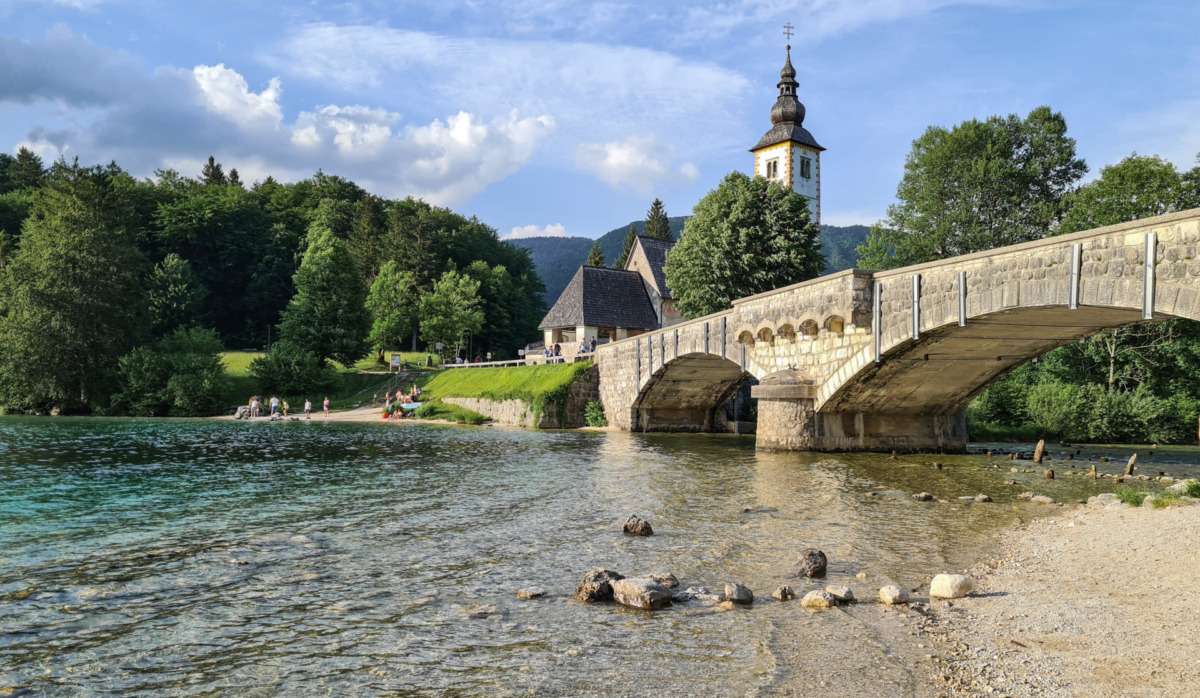
Lake Bohinj is located in Triglav National Park and can be reached from Lake Bled in about 30 minutes by car. It’s one of Slovenia’s most important nature destinations and a popular holiday spot, especially in summer.
Lake Bohinj is the largest natural lake in Slovenia. It’s well suited for many outdoor activities, including swimming, kayaking, fishing, and boat trips in the warmer months. You can also walk along the lakeshore or explore the surrounding hiking trails. In winter, ice skating is sometimes possible when conditions allow.
Near the lake, you’ll find a small church with a picturesque bridge, as well as campsites, restaurants, and hotels. Just a few kilometers away is Savica Waterfall, one of the most beautiful waterfalls in Slovenia and an easy addition to a visit to Lake Bohinj.
Lake Bled vs Lake Bohinj: Which one to choose?
Lake Bled is more iconic and easier to visit, with famous views, short walks, and main sights close together.
Lake Bohinj is larger, quieter, and more secluded, making it better for water sports, swimming, and longer hikes.
If you have limited time, Lake Bled is the better first choice.
If you prefer fewer crowds and more outdoor activities in a natural setting, Lake Bohinj may suit you better.
Pokljuka Plateau
Pokljuka is located about 25 minutes by car from Lake Bled. This high plateau sits at an altitude of around 1,100–1,400 meters in the Julian Alps and is covered with dense forests and open mountain pastures.
The area is known for its hiking trails and is a common starting point for mountain hikes in the region. In winter, Pokljuka also offers cross-country skiing and other winter sports, making it a year-round destination for outdoor lovers.
Kranjska Gora
Kranjska Gora is a well-known ski resort in winter and a popular destination for hiking and outdoor activities in summer. Surrounded by alpine scenery, it offers several natural sights that are easy to visit without long hikes.
Two highlights in the area are the Zelenci Nature Reserve and Lake Jasna.
Zelenci is a small, turquoise-blue lake hidden in a quiet nature reserve. It’s the source of the Sava River, and thanks to its constant water temperature, it rarely freezes, even in winter.
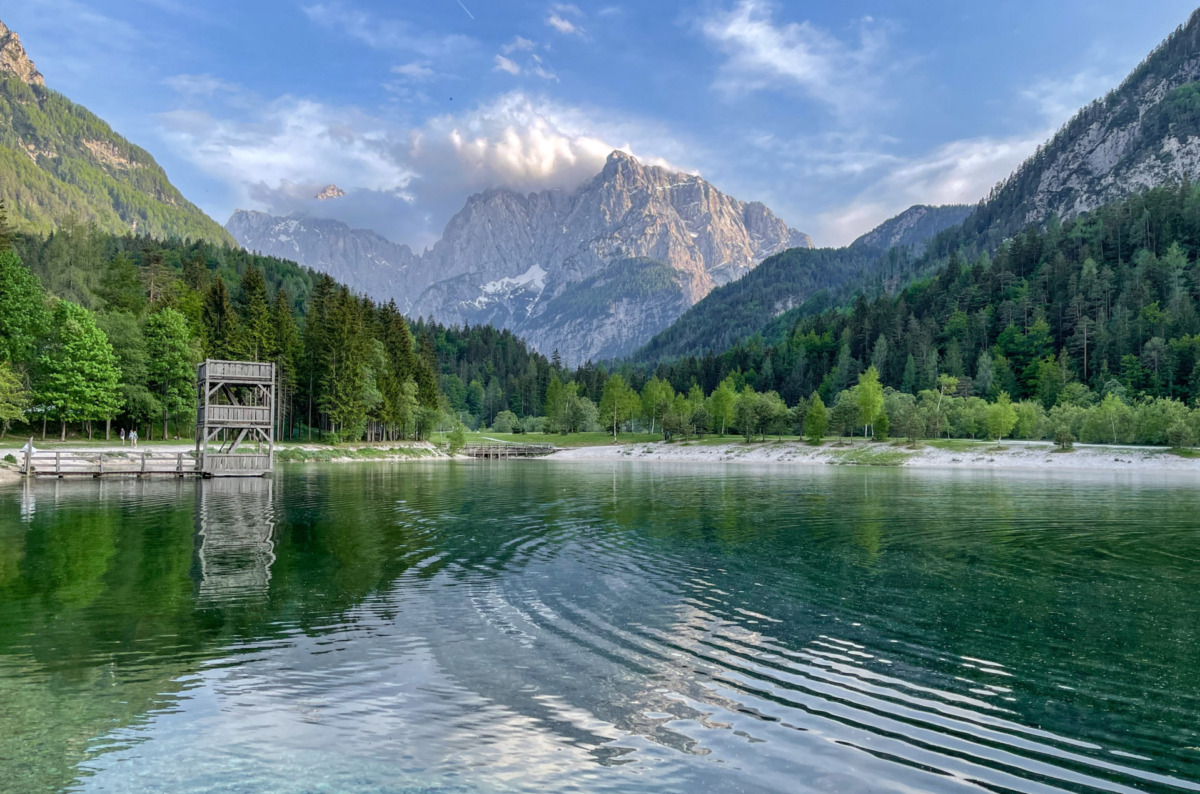
Lake Jasna is most beautiful from spring to autumn, when the water turns emerald green and the surrounding mountains reflect clearly on the surface. While visiting Lake Jasna, it’s also worth taking a short walk to the nearby waterfall, located along the road on the northwestern side of the lake.

Soča Valley
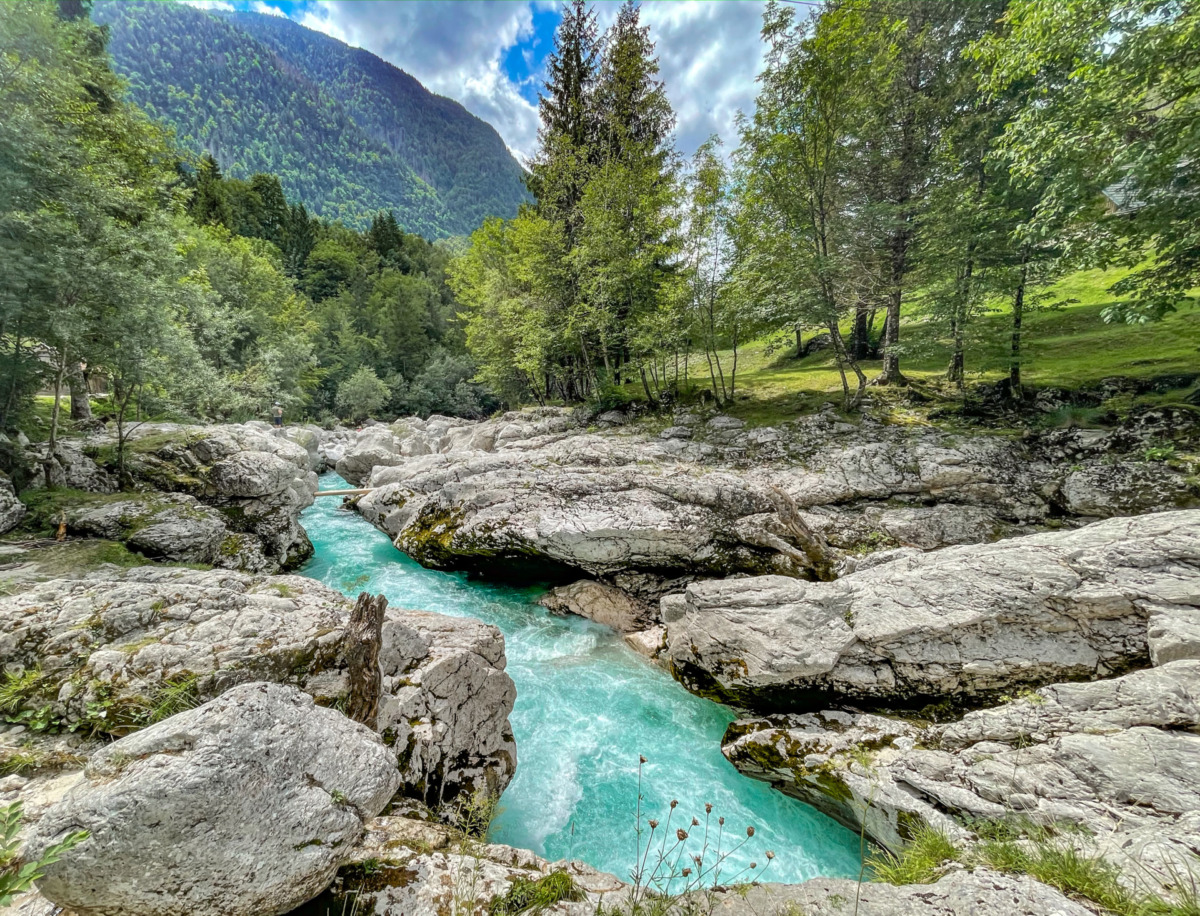
The Soča Valley is a larger region in the Julian Alps, close to the Italian–Slovenian border. It follows the course of the Soča River, known for its striking turquoise color, and has become a very popular travel destination in recent years.
The valley offers a wide range of outdoor activities, including hiking, climbing, rafting, kayaking, and swimming. The best places are Virje Waterfall, Kozjak Waterfall, Great Soca Gorge and the small town of Kanal ob Soci.
It’s a great choice for travelers who want to combine dramatic mountain scenery with active experiences in nature.

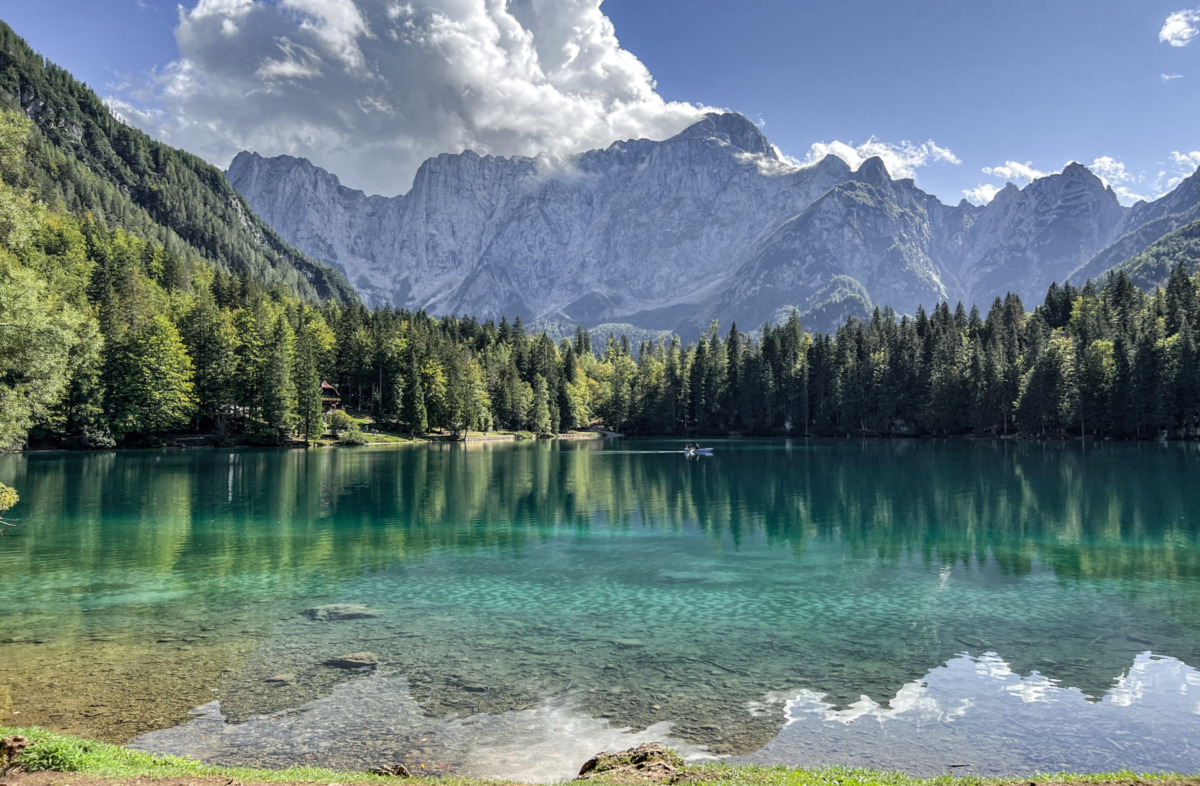
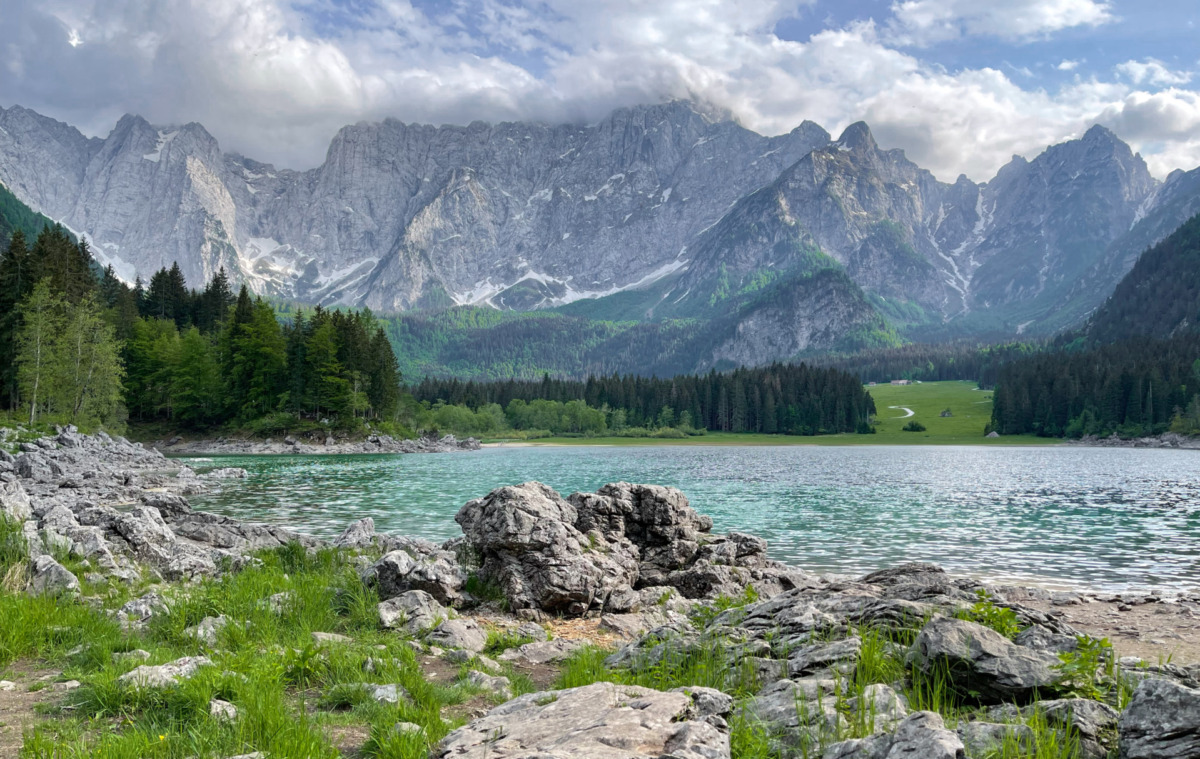
Fusine Lakes
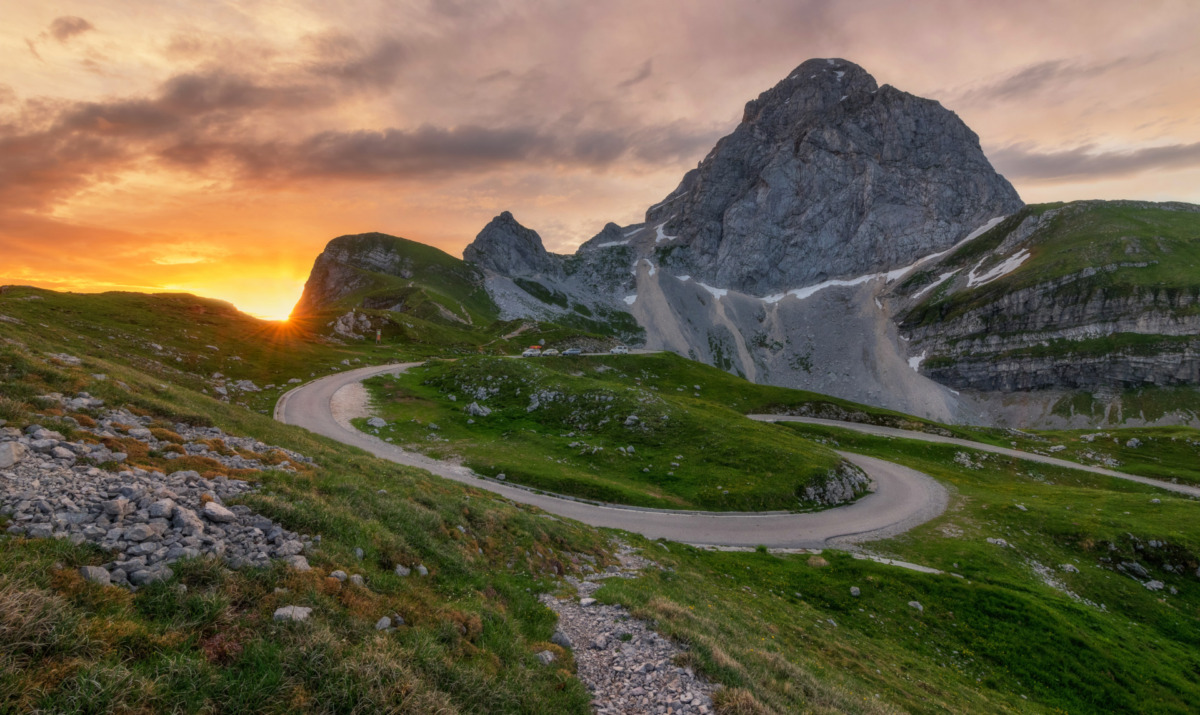
The Fusine Lakes are located in a quiet, scenic area in the northeastern corner of Italy, close to the Italian–Slovenian border. The area includes two alpine lakes, both offering beautiful views of the surrounding mountain peaks, including Mount Mangart, Slovenia’s third-highest peak.
The Fusine Lakes region showcases many classic Alpine features: clear blue-green lakes, dramatic rocky mountains, small streams, waterfalls, fresh air, and a peaceful atmosphere. It’s an excellent destination for nature lovers and a great day trip from Lake Bled if you want something quieter and less crowded.
Ljubljana
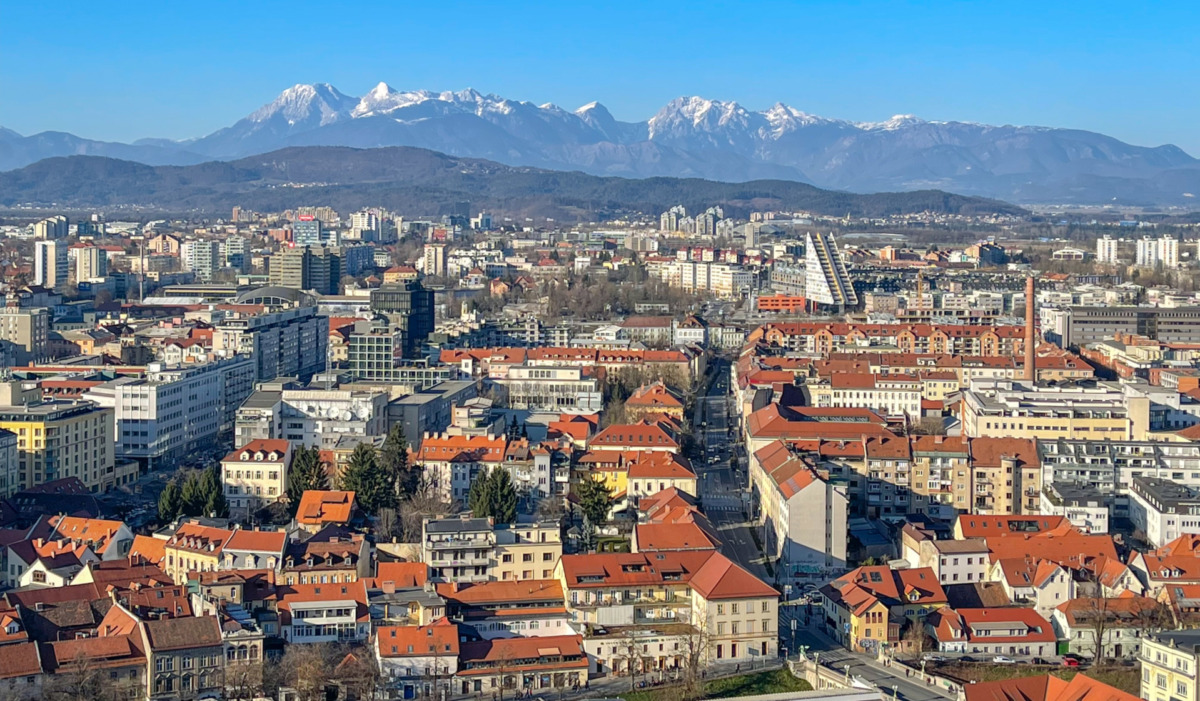
Ljubljana is the capital of Slovenia. While it’s smaller than many other European capitals, it offers a relaxed atmosphere and plenty to see.
You can visit Ljubljana Castle for a look into Slovenian history and enjoy panoramic views over the city. The city center is ideal for walking, with highlights like the Ljubljanica River, Prešeren Square, and the green spaces of Tivoli Park.
Ljubljana makes an easy and enjoyable day trip from Lake Bled or a great stop before or after exploring the Alps.

This was my complete travel guide to Lake Bled, where I shared everything you need to know before planning a visit to one of Slovenia’s most iconic destinations.
I covered the best things to do at Lake Bled, when to visit, how much time to spend in the area, how to get there, where to park, and what to see nearby. I also included personal tips based on many visits, so you can avoid common mistakes and plan your trip more smoothly.
I hope this guide helps you prepare well for your Lake Bled trip and makes your travel planning easier and more enjoyable.
If you’re exploring more of Slovenia, feel free to check out my other Slovenia itineraries and travel guides. I’ve written about many nearby destinations and day trips that pair perfectly with Lake Bled.
And if Lake Bled has inspired you, start planning your trip, choose the places you want to see, and enjoy one of the most beautiful regions in the Julian Alps.

Hi! I’m Adri, the creator of Traveltipzone.com and Italianwanderlust.com.
I’ve explored over 30 countries so far and travel to around 15 each year — some new places and others I love returning to. I’m especially passionate about Southern Europe, particularly Italy, and the United Arab Emirates.
Follow my journeys for firsthand travel tips and inspiration!