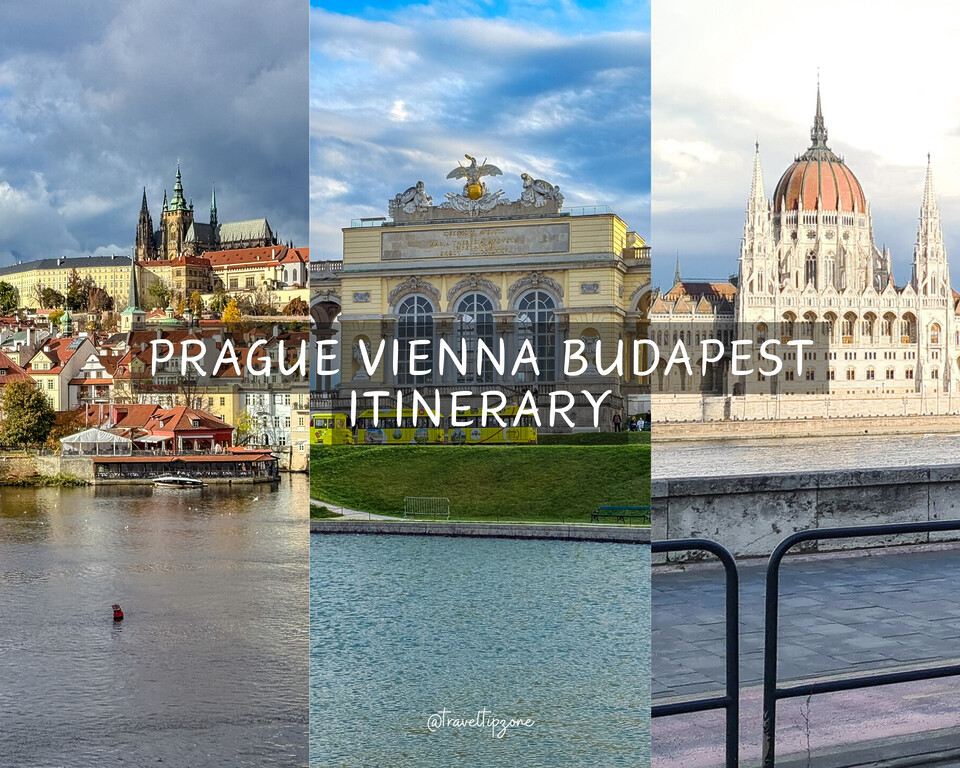

Prague, Vienna, and Budapest are three of the most iconic cities in Central Europe, and they fit together perfectly in one well-planned trip.

In this guide, I share a clear 7-day Prague Vienna Budapest itinerary, with a practical travel route, realistic timing, and a daily plan that focuses on the most important sights and experiences.
Ready to travel to Prague, Vienna, or Budapest?
Here are some quick recommendations on what to book for your trip:
Best places to stay:
- In Prague: STAGES HOTEL Prague, a Tribute Portfolio Hotel
- In Vienna: Austria Trend Hotel Maximilian
- In Budapest: Prestige Hotel Budapest
Best activities:

This itinerary is based on my personal experience. I live in Budapest, I used to travel to Vienna on a weekly basis, and Prague is only a few hours away by car, so I’ve visited it many times over the years.
My goal is simple: to help you see the highlights of all three cities in one week, in an efficient and enjoyable way, without wasting time.
Is 7 days enough for Prague, Vienna, and Budapest?
Yes. Seven days is ideal to see the highlights of all three cities without rushing. This itinerary focuses on the most important sights, realistic travel times, and the most efficient route through Central Europe.
First, you’ll find a short overview of the route. After that, a detailed day by day itinerary. At the end of the article, I also answer common travel questions to help you plan your Central Europe trip with confidence.
Overview of the 7-day Prague Vienna Budapest itinerary
Day 1: Vienna
Day 2: Vienna
Day 3: From Vienna to Prague
Day 4: Prague
Day 5: From Prague to Budapest
Day 6: Budapest
Day 7: From Budapest to Vienna
This itinerary is perfect if you:
- visit Central Europe for the first time
- want a realistic plan
- travel by car
- want highlights + a few scenic stops
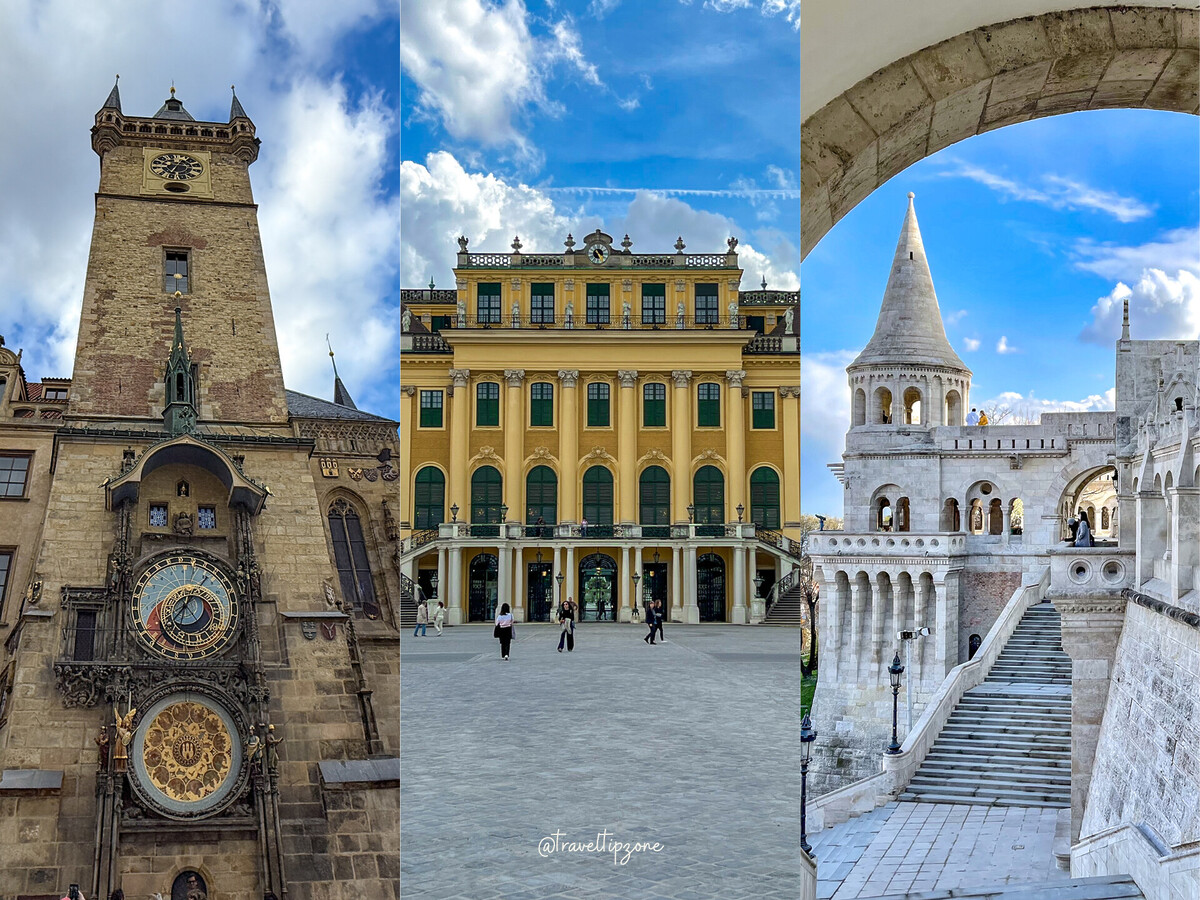
Prague Vienna Budapest itinerary: Detailed 7-day plan
Let’s see how I’d plan a 7-day trip to Prague, Vienna, and Budapest to make the most of the time in Central Europe:
Day 1: Vienna
The 7-day Prague Vienna Budapest itinerary starts in Vienna, mainly because most international flights arrive here and the city is easy to reach by car from neighboring countries.
I visited Vienna regularly for almost a decade, often on a weekly basis. Even when I wasn’t there as a tourist, I had plenty of time to explore the city. Based on this long-term experience, here is how I recommend spending two well-planned days in Vienna.
Vienna is Austria’s capital and largest city. It’s elegant, clean, and very well organized, with historic landmarks, impressive architecture, excellent museums, and great Austrian food. With good planning, you can cover the main highlights in one or two days.
In one day, I recommend focusing on 3–4 main sights. This is a realistic pace for Vienna.
What to see in Vienna in the first day:
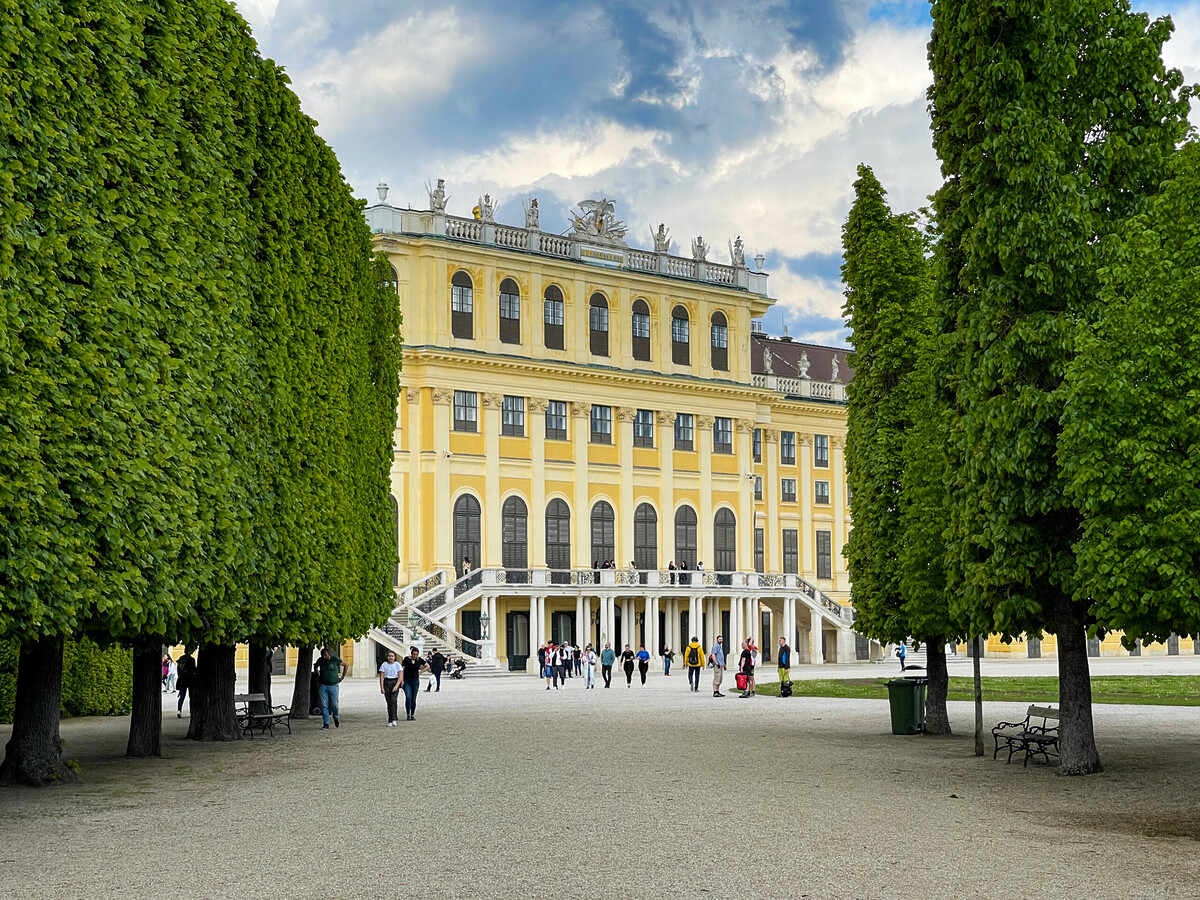
Morning: Schönbrunn Palace
Vienna’s most famous attraction and the former summer residence of the Habsburgs.
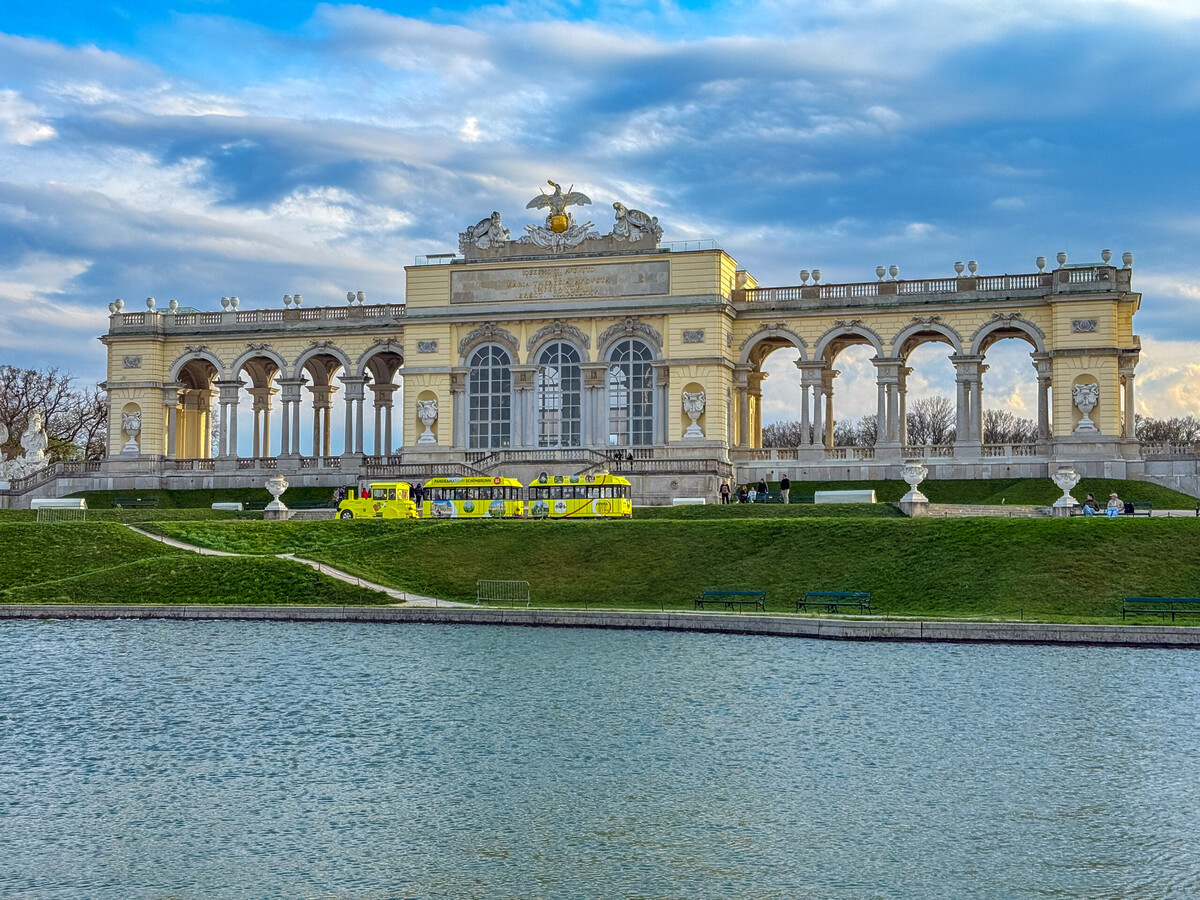
The gardens are free and absolutely worth visiting. Walk up to the Gloriette for one of the best views over the palace and the city.
The interior requires a ticket and is ideal if you’re interested in imperial history.
If you visit around Easter or Christmas, don’t miss the seasonal markets in front of the palace. They are some of the nicest in Vienna. I personally love browsing the craft stalls here, and my favorite snack is the Ofenkartoffel (baked potato).

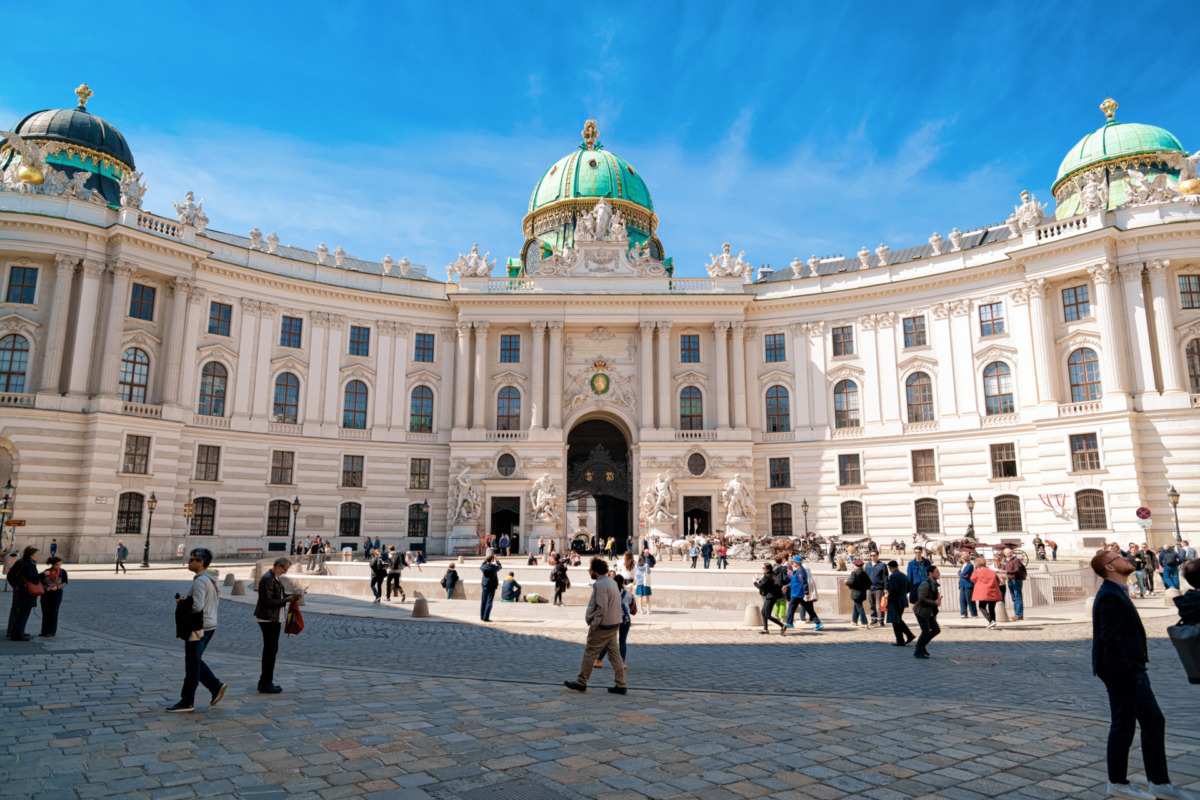
Afternoon: Hofburg Palace
Located in the city center, this was the main residence of the Austrian emperors. Today it houses museums and the Austrian National Library. Even a short walk around the complex is worth it.
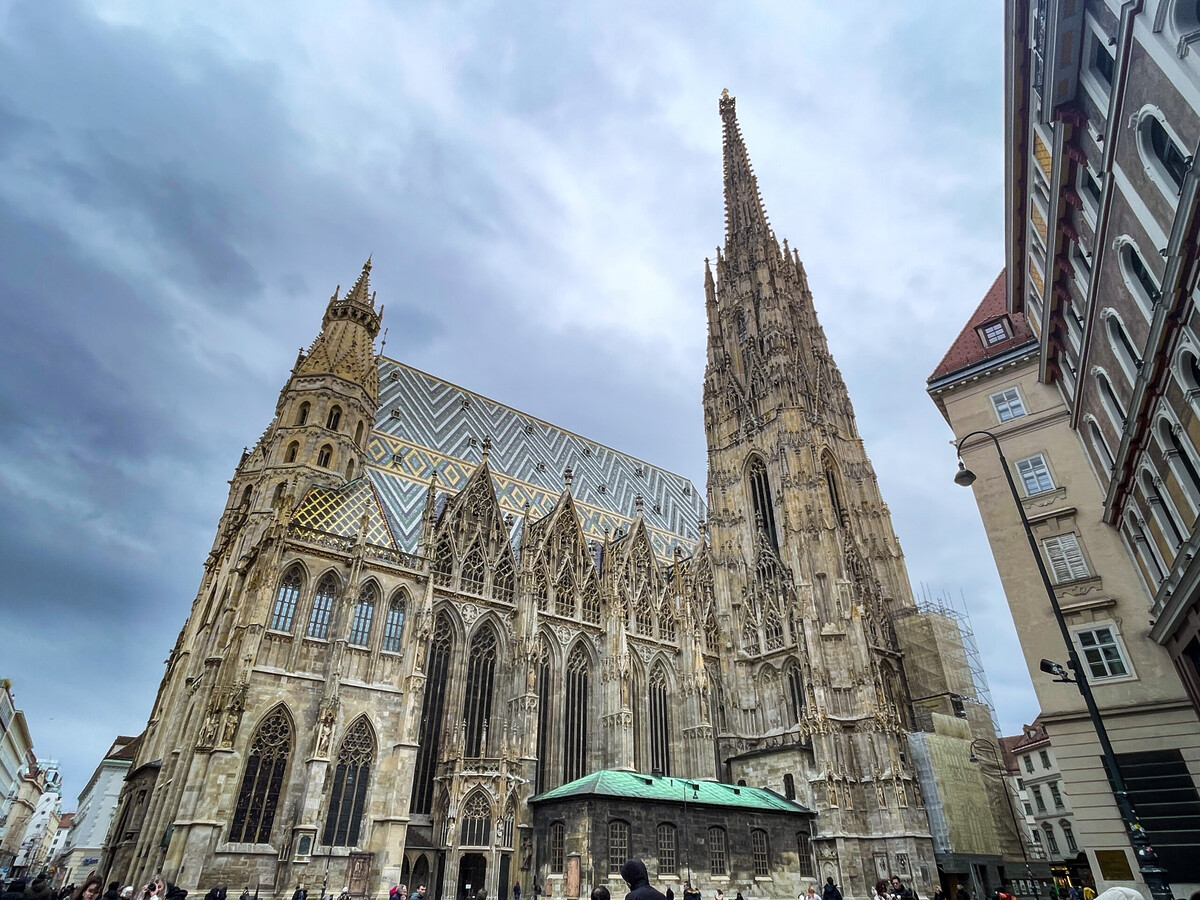
St. Stephen’s Cathedral
Vienna’s most important church and a key landmark. You can step inside briefly or just admire the colorful tiled roof from the square outside.
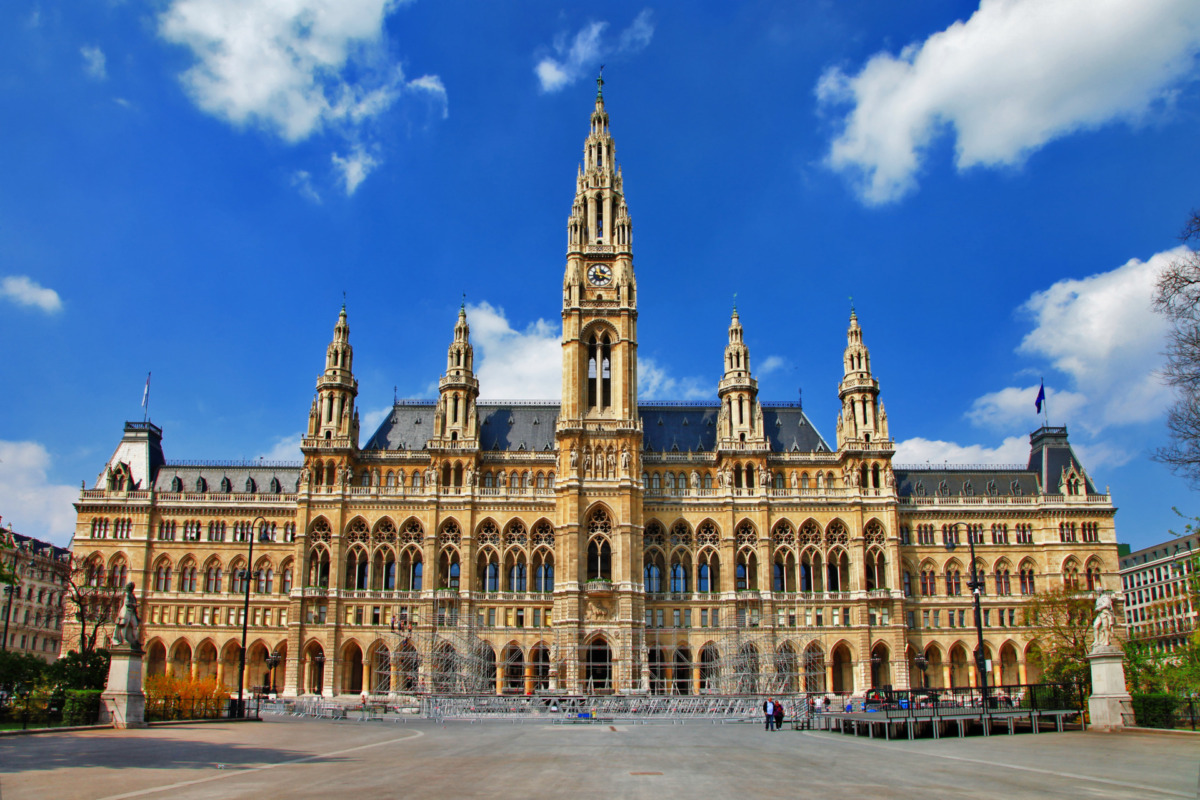
Rathausplatz & Austrian Parliament
Rathausplatz is a large central square with Vienna’s City Hall. It often hosts events and markets.
Nearby, the Austrian Parliament is a quick but impressive photo stop.

While walking between sights, you can also pass the Vienna State Opera, Volksgarten, Votiv Church, and MuseumsQuartier.
Food in Vienna
For dinner, try classic Austrian dishes like Wiener Schnitzel, Sachertorte, or Kaiserschmarrn in a traditional restaurant or café.
Spend the night in Vienna.
Where to stay in Vienna
In Vienna, I recommend these hotels:
- Austria Trend Hotel Bosei Wien: A modern four-star hotel a little further out from the historic city center, good value for money.
- Austria Trend Hotel Maximilian: Four-star hotel at a good price, close to Schönbrunn Palace.
- Andaz Vienna Am Belvedere – a concept by Hyatt: Run by a well-known hotel chain, close to the Belvedere Palace and the Main Train Station, a five-star hotel with modern elegance at affordable prices, and it has a wonderful roof terrace.
Day 2: Vienna
On your second day in Vienna, you can slow down a bit and visit places that didn’t fit into Day 1. This day is more flexible, so choose what interests you most.
I recommend the following things to see and do:
Morning: Belvedere Palace
Belvedere Palace is a beautiful 18th-century complex known for its elegant architecture and art collection. It’s especially famous for works by Gustav Klimt. Even if you don’t visit the museum inside, the palace gardens are well worth a walk.

Afternoon: Prater
The Prater is Vienna’s famous amusement park and home to the iconic Giant Ferris Wheel. It’s a fun option if you want to see a different side of the city. Keep in mind that it’s a bit farther from the historic center, so plan some travel time.

Afternoon, evening: Shopping
If you feel like shopping, Vienna has some of the best shopping centers in Central Europe.
SCS Shopping City Süd is the largest and is located just outside the city.
Huma Eleven and Donau Zentrum are also great options, with many shops, restaurants, and cafés.
Spend the night in Vienna and get ready for the next travel day.
Day 3: From Vienna to Prague
Vienna → Prague: about 335 km, 4 hours by car or 4.5 hours by train
This day is mainly about traveling to your next destination, Prague.
The journey is not short, so if you’re traveling by car, I recommend adding one or two short stops along the way. This makes the drive more enjoyable and breaks up the day nicely.
My favorite stops along this route
These are the places I personally like the most on the Vienna–Prague route:
Mikulov
Mikulov is right along the route, so it’s an easy stop. Take a short walk, stretch your legs, and visit the scenic church. It’s a charming Moravian town and a perfect quick break from driving.
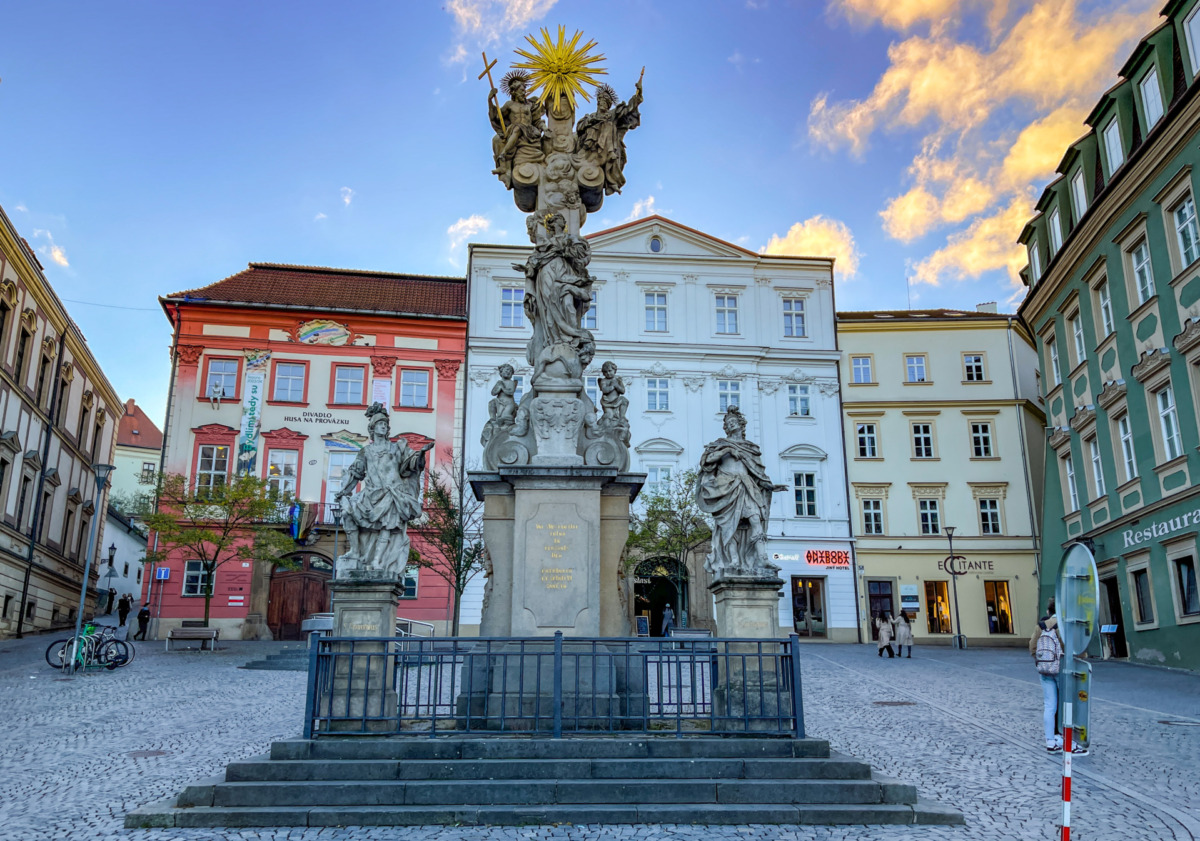
Brno
Brno is ideal for a longer stop and offers great views and historic sights.
If you want to see the best of Brno in a short time, walk up to Špilberk Castle. This historic hilltop fortress once served as a royal residence, fortress, and prison. Today it houses the Brno City Museum. The park around the castle is perfect for a short walk, and the viewpoint called Altánek offers one of the best panoramic views over the city.
Also make sure to visit the Cathedral of St. Peter and Paul. Located on Petrov Hill, this iconic cathedral is visible from many parts of Brno. You can step inside briefly, but the main highlight is the tower, which offers a beautiful view over the city. On the way, you’ll also pass several interesting spots in the Old Town.

After your stops, continue driving to Prague.
Spend the night in Prague and get ready to explore the city the next day.
Where to stay in Prague
If you are looking for the best deals in Prague, I recommend staying at these hotels:
- STAGES HOTEL Prague, a Tribute Portfolio Hotel: A four-star hotel outside the city center, with its own garage and good value for money.
- Hotel Golf Prague: A four-star hotel, also outside the city center, available at a good price.
Day 4: Prague
This day is fully dedicated to exploring Prague.
The city is compact and very walkable, so you can see many highlights in one day without rushing too much.
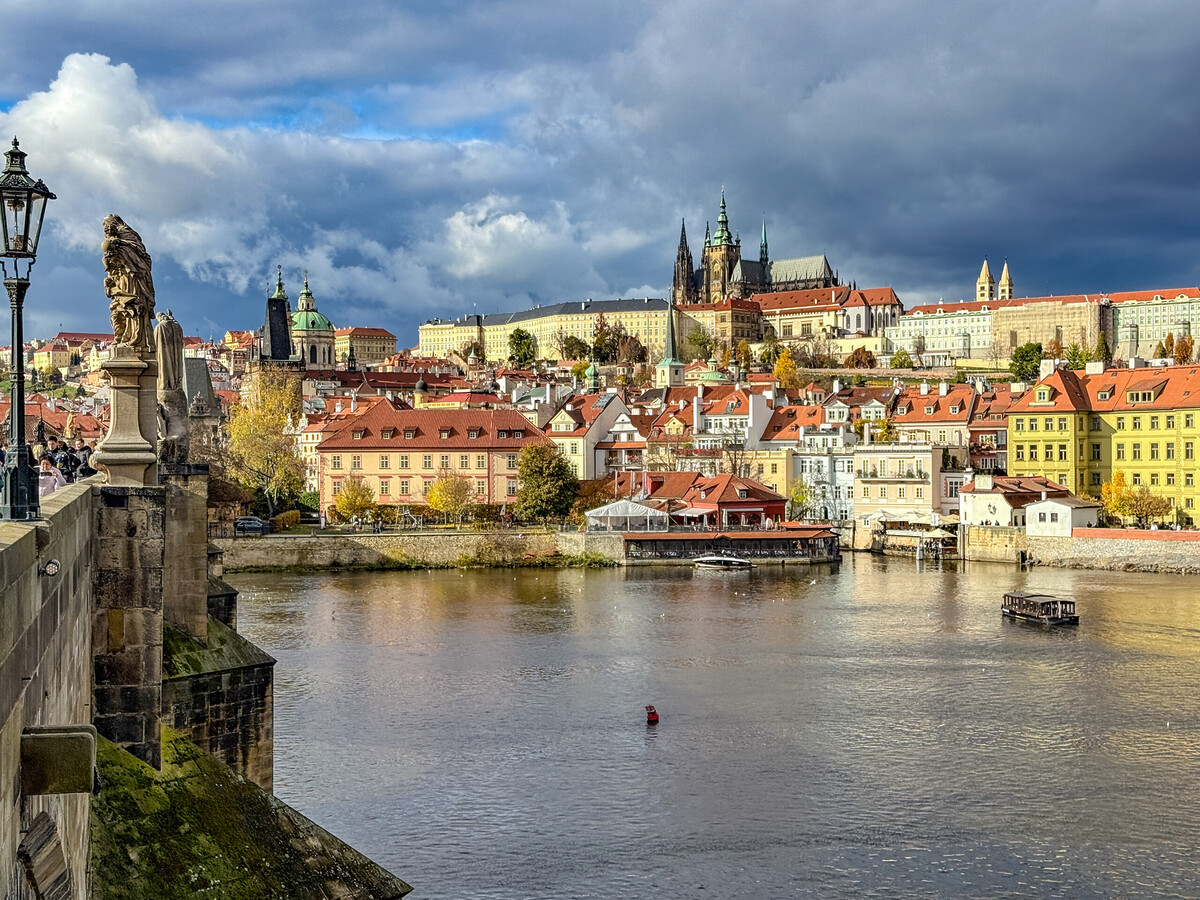
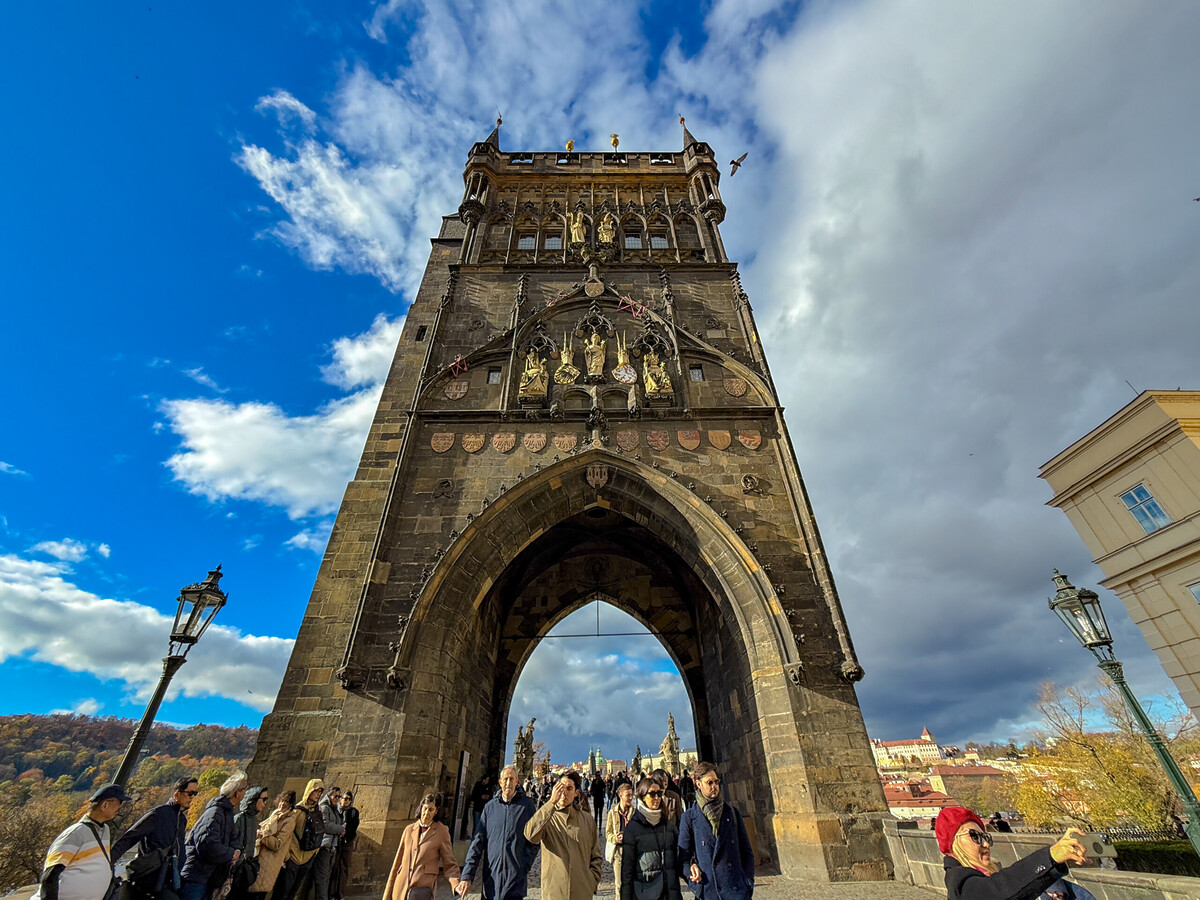
Morning: Charles Bridge and Prague Castle
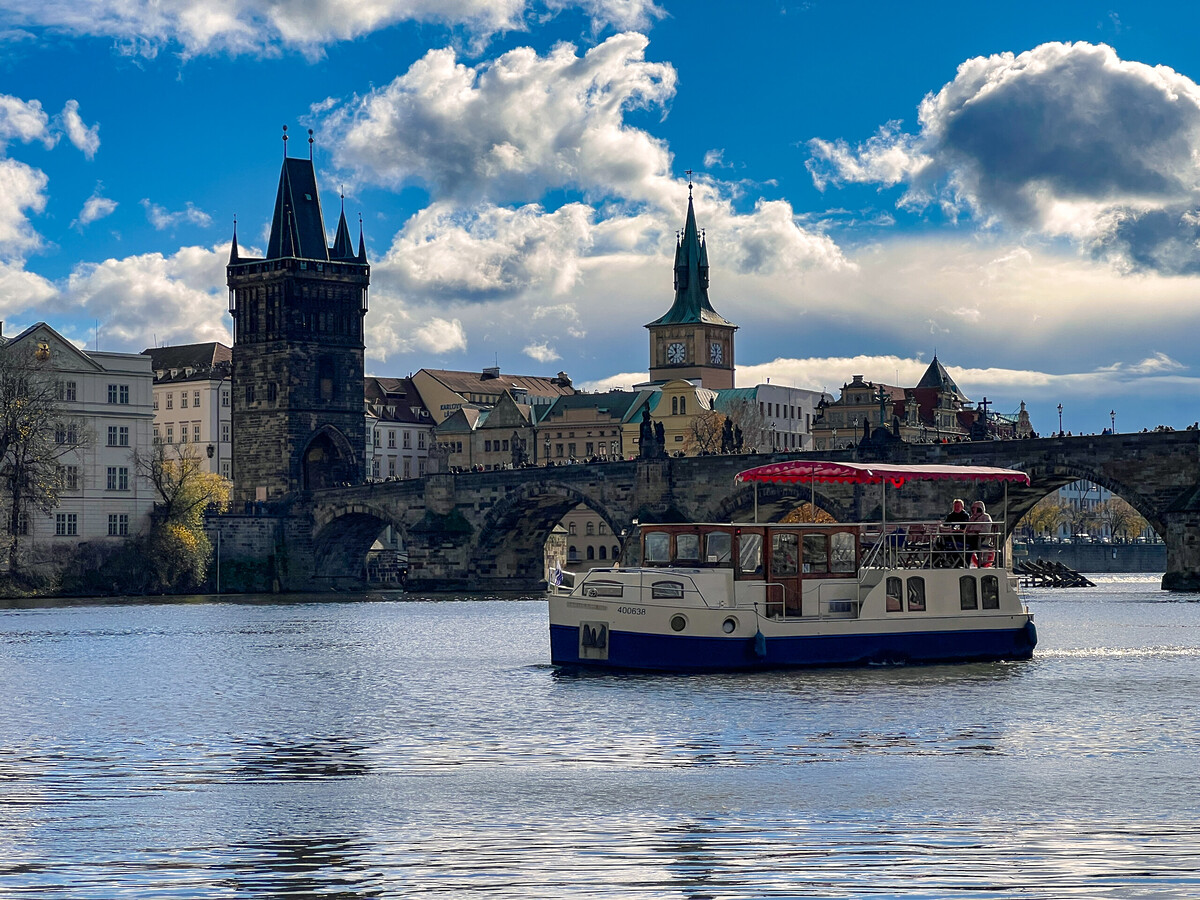
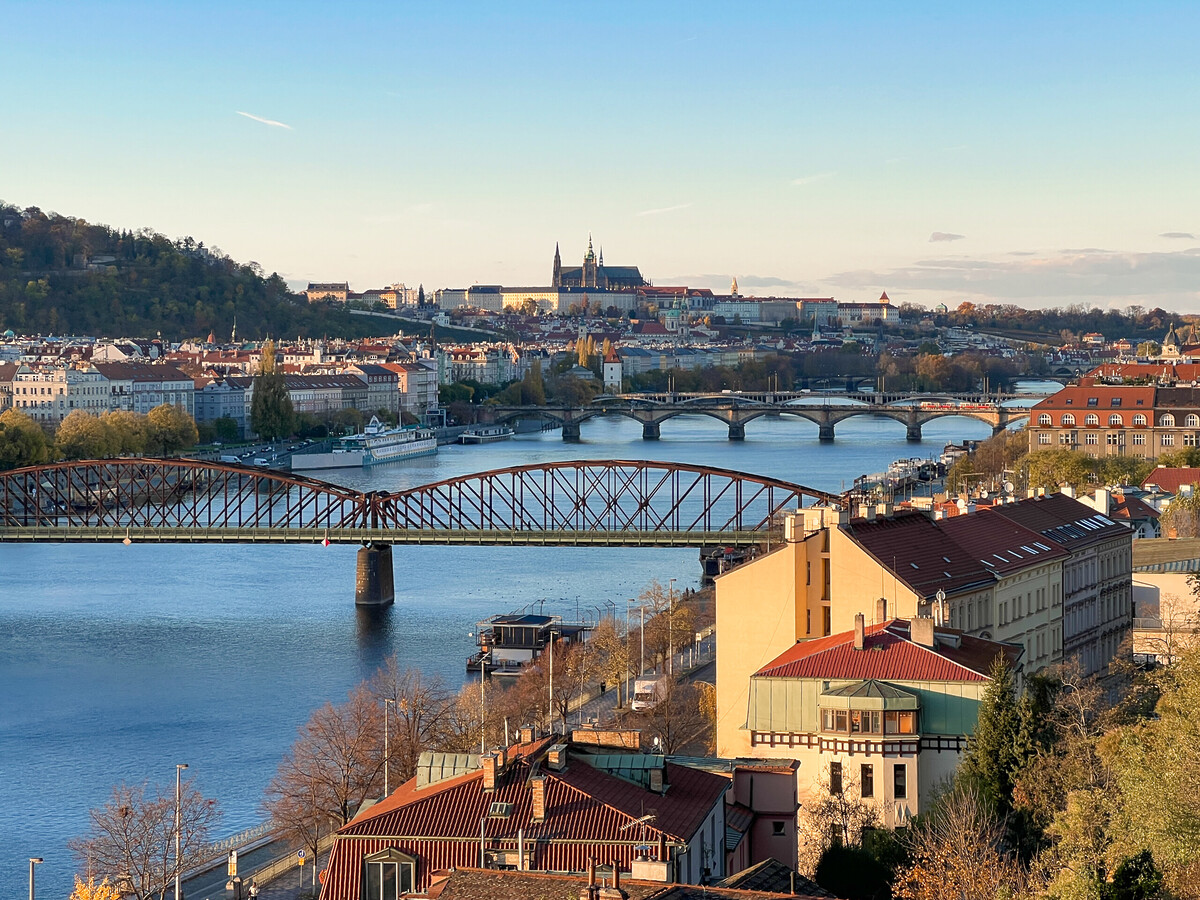
Start your day early at Charles Bridge. This is the best time to enjoy it before the crowds arrive. The views over the Vltava River and the city are especially beautiful in the morning light.
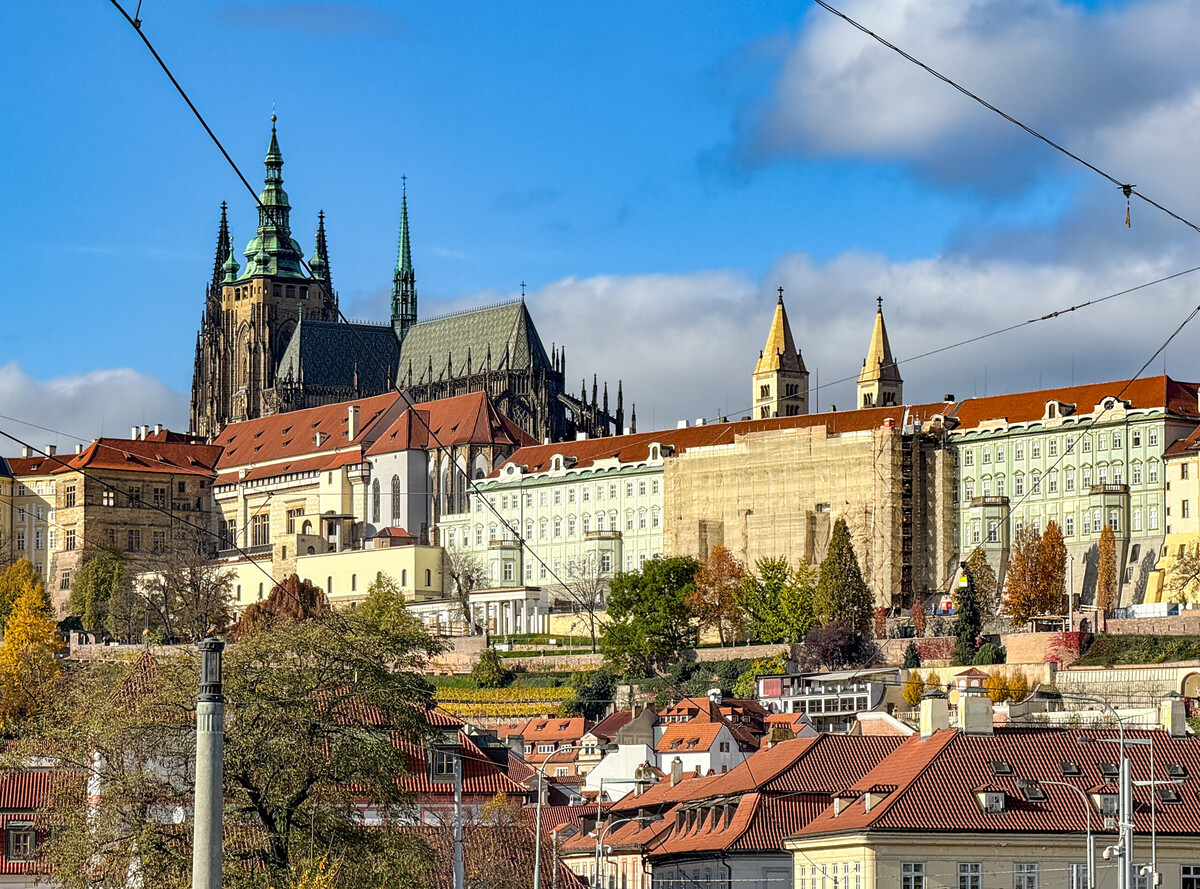
From here, continue toward Prague Castle. Explore the castle complex and enjoy some of the best viewpoints over the city. Inside the castle area, don’t miss St. Vitus Cathedral, famous for its impressive architecture and colorful stained glass windows.
Midday: Old Town Square
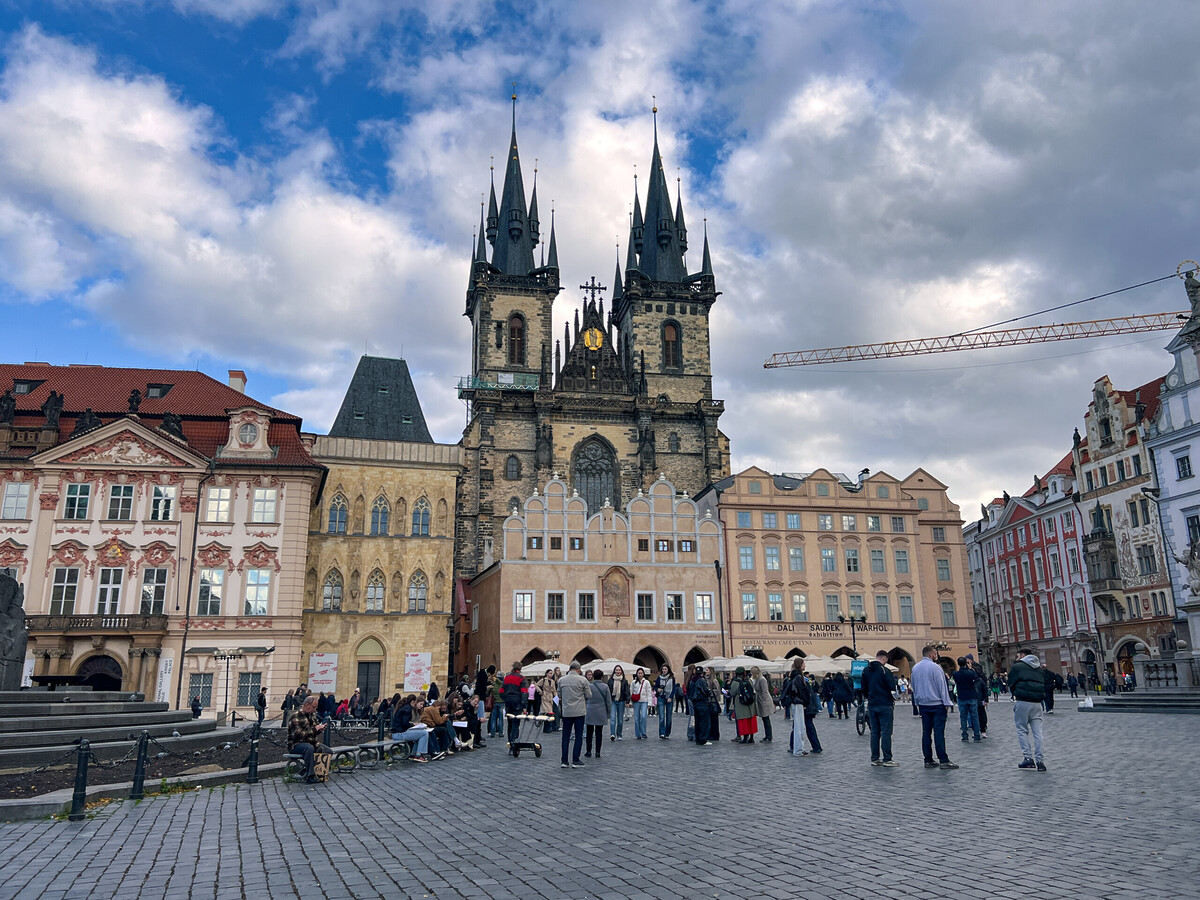
Head back toward the Old Town and visit Old Town Square. Here you’ll find the Astronomical Clock, one of Prague’s most famous sights. The square itself is lively and full of energy, with historic buildings, cafés, and street performers.
This is a good area for lunch or a short coffee break.
Afternoon: River walk or cruise
In the afternoon, take a walk along the Vltava River or join a short river cruise. Both options offer great views of Prague from a different angle and are a nice way to slow down after sightseeing.
Treats and local experiences
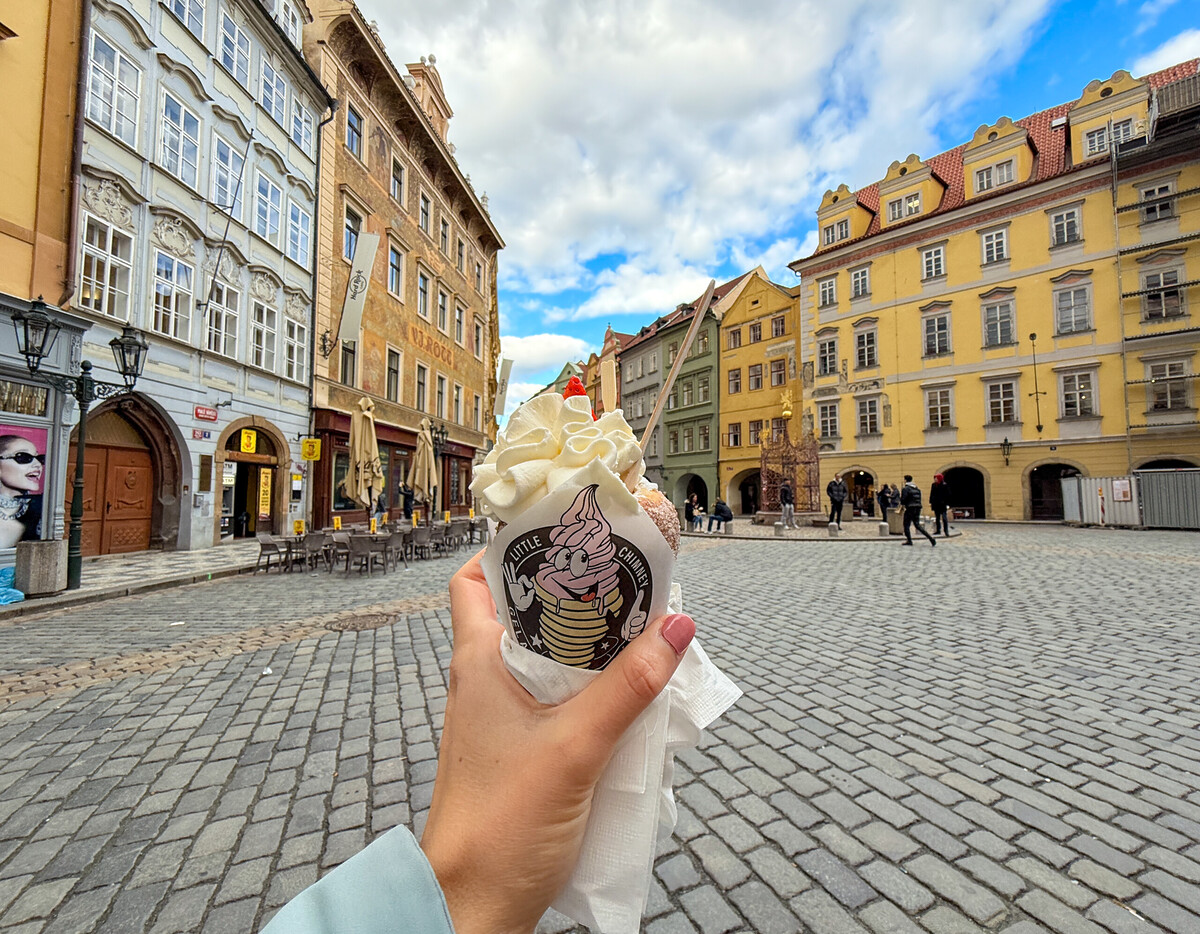
While walking around the city, try local chimney cake (trdelník). It looks similar to the Hungarian version, but the Prague one is usually smaller, cheaper, and comes with more creative fillings. Personally, I find the Prague versions more fun to try.
Later in the day, go for a Czech beer tasting. You can visit a traditional pub or join a guided beer tour to sample some of the country’s famous lagers.
Spend the night in Prague. The next day, the journey continues toward Budapest.
Day 5: From Prague to Budapest
On Day 5, continue your journey toward Budapest and aim to arrive by the evening. This gives you a comfortable start for exploring the city the next day.
From Prague to Budapest, I recommend two main driving routes:
- The first goes via Vienna and takes about 6.5 hours over 565 km. Its main advantage is simplicity, as you don’t need to buy an additional motorway vignette.
- The second option goes via Bratislava. This route is slightly shorter, around 525 km and about 5 hours 40 minutes by car. You’ll need a Slovak motorway vignette, but this route is ideal if you want to add a short stop. I personally prefer this option, as traffic is usually lighter and there are no border checks.
Bratislava
If you stop in Bratislava, head up to Bratislava Castle for views over the city and the Danube.
If you have extra time, the UFO tower on Bridge SNP offers one of the best panoramas in the city.
A short walk along the Danube promenade is also a nice break, and if you want to shop, Aupark, Eurovea, or Nivy are good options.

If you skip Bratislava, either spend more time in Prague in the morning or start early and enjoy your first evening in Budapest.
Either way, try to arrive in Budapest by the evening. Spend the night there and get ready to explore the city the next day.
Where to stay in Budapest
If you are looking for the best places to stay in Budapest, check these out:
- Hotel Clark Budapest: A modern-style hotel located in the immediate vicinity of the Chain Bridge and the Buda Castle District.
- Up Hotel Budapest: Available at a very good price.
- Prestige Hotel Budapest: Centrally located on Pest side, close to most attractions.
Day 6: Budapest
Spend Day 6 in Budapest and focus on the city’s highlights. One full day, or even one and a half days, is ideal to see the most iconic sights and experience the city properly.
Morning: Buda Castle, Fisherman’s Bastion, and Matthias Church
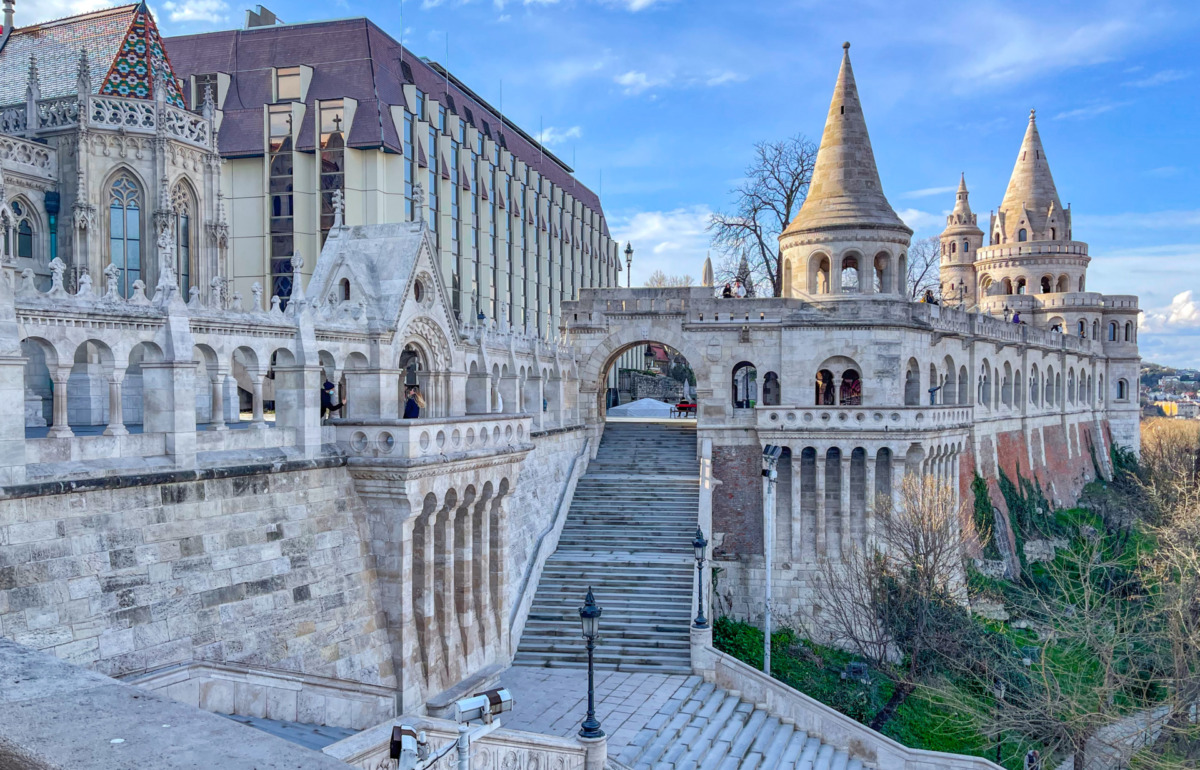
Start your day in the Buda Castle District. Visit Buda Castle, Fisherman’s Bastion, and Matthias Church, and enjoy some of the best panoramic views in Budapest. This area is perfect for a relaxed morning walk and photo stops.
Afternoon: Hungarian Parliament Building, Chain Bridge
In the afternoon, head to the Hungarian Parliament Building, one of the most impressive parliament buildings in Europe. If you’re short on time, seeing it from the outside is enough, as it’s especially beautiful from the Danube side. If you’re interested in Hungarian history, it’s worth visiting the interior as well.
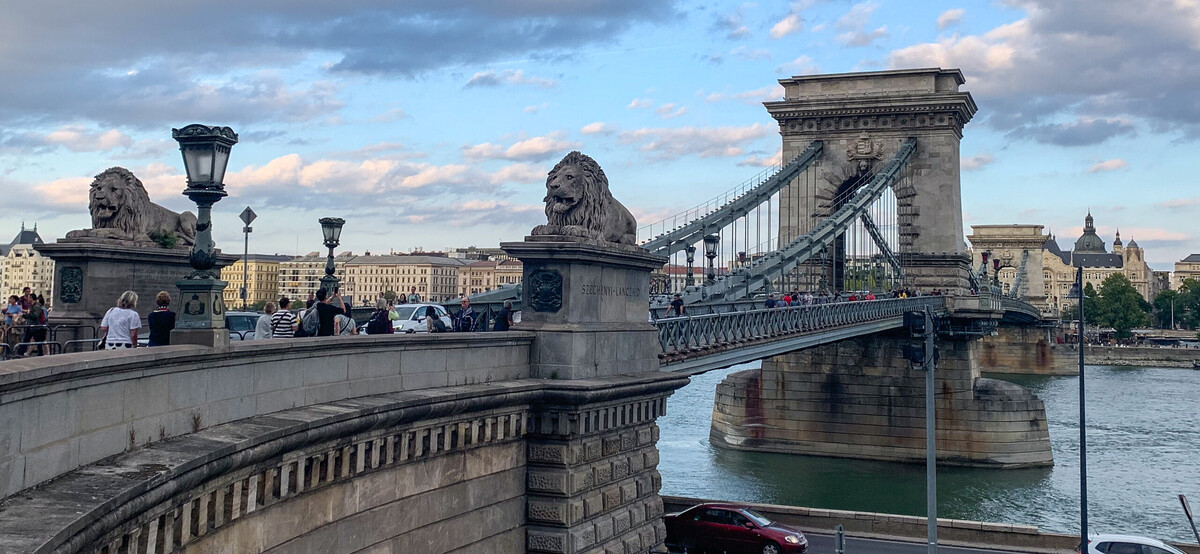
From here, walk across the Chain Bridge or stroll along the Danube promenade.
Evening: Danube river cruise
In the evening, Budapest really comes alive. A Danube river cruise is one of the best ways to see the city, especially after sunset. You can choose from simple sightseeing cruises or options with dinner, music, or drinks.
For dinner, try a Hungarian food tour or eat at a traditional restaurant. Don’t miss local dishes like goulash with dumplings, stuffed meats, or lángos with sour cream and cheese.
If you still have room for dessert, try chimney cake. This is the original version, bigger and more traditional than the one in Prague, but also a bit more expensive.
Spend the night in Budapest and enjoy your final full day in the city tomorrow.
Day 7: From Budapest to Vienna
On your last day, you can still use the morning to see a few remaining highlights in Budapest.
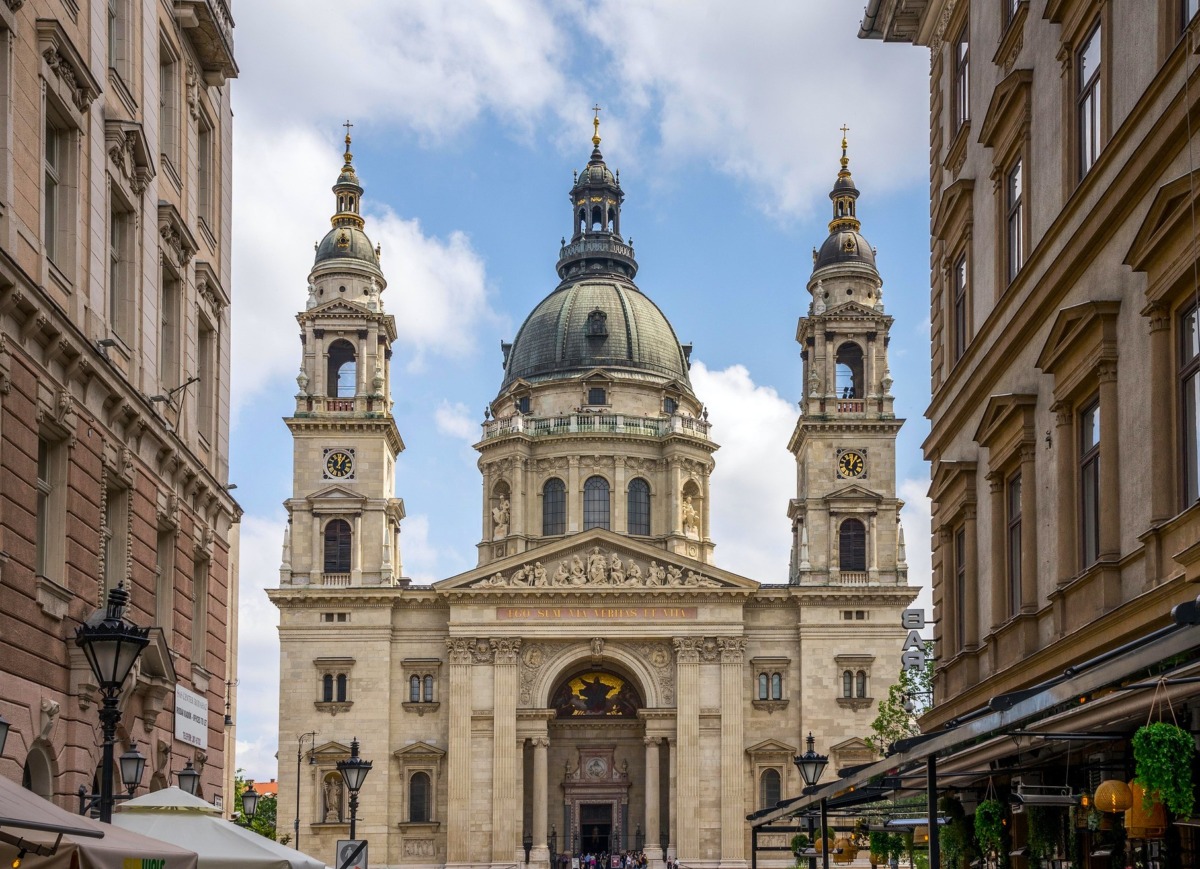
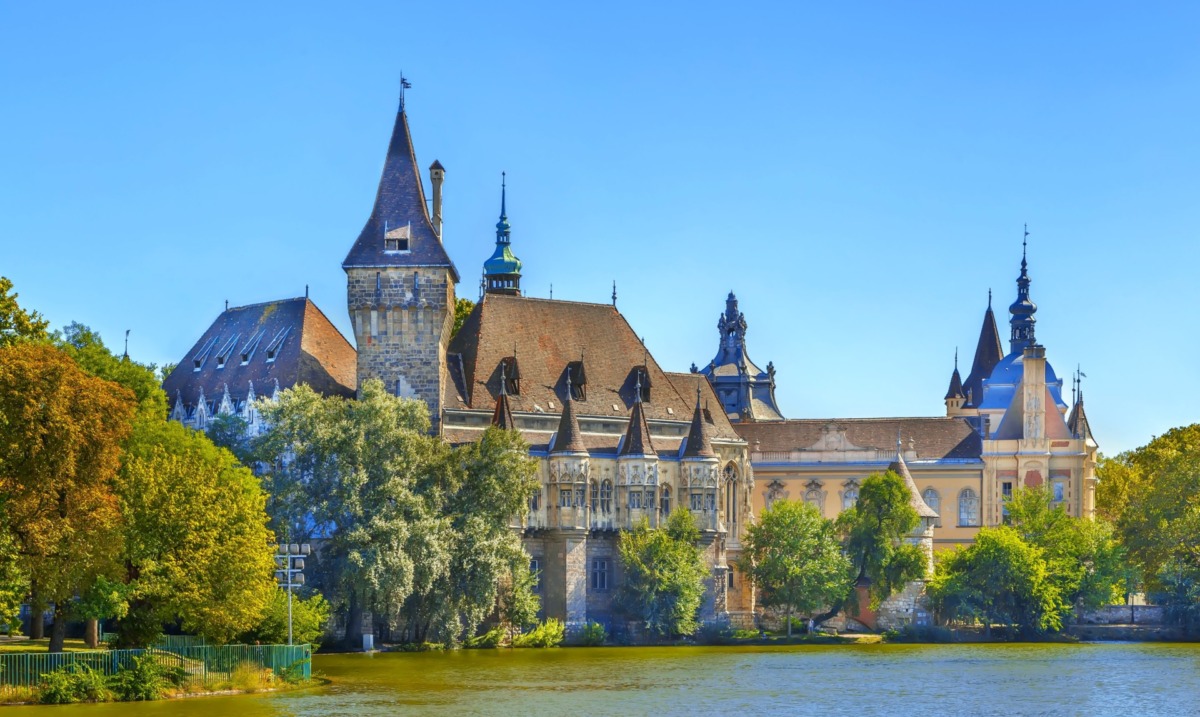
Morning: St. Stephen’s Basilica, Heroes’ Square, and Vajdahunyad Castle
Start with St. Stephen’s Basilica if you didn’t visit it the day before. Go inside and, if you have time, climb up to the dome for one last city view.
Then head to Heroes’ Square and Vajdahunyad Castle, located in a large park area. It’s an easy walk and a nice way to see another side of the city.
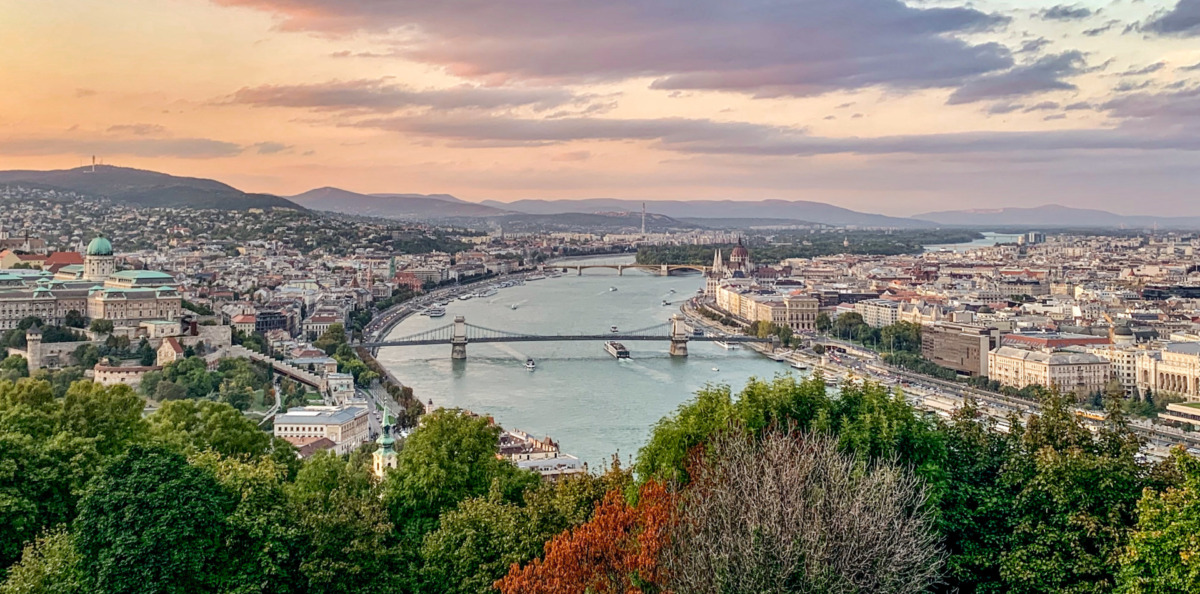
Optional: Gellért Hill
If you want one more great panorama, go up Gellért Hill. The view over the Danube and the city is one of the best in Budapest.
Optional: Shopping
If you still have time and feel like shopping, Budapest’s main malls are Aréna Plaza, Westend, Etele Plaza, and Árkád. They are a bit farther from the main sights and not as strong as the malls in Vienna or Prague, but they can be an option if you have extra time.
Evening: Back to Vienna
In the evening, start your journey back to Vienna, especially if your flight leaves from there.
Budapest → Vienna is about 245 km, around 3 hours by car or 2.5 hours by train
If you’re driving, keep in mind that the M1 motorway in Hungary is under long-term renovation, which often causes heavy traffic and delays. Plan extra time and drive carefully.
By train, the trip is fast and easy, and FlixBus also runs between the two cities.
Once you arrive back in Vienna, your 7-day Prague Vienna Budapest itinerary comes to an end. This route gives you a full Central Europe experience with three iconic cities and a few great stops along the way.
I hope this itinerary inspires you, and that you’ll be able to do this trip yourself very soon.
Practical questions about a Prague Vienna Budapest trip
Finally, let’s look at some common questions about a Prague Vienna Budapest trip that often come up when you are planning this kind of journey:
Best time to visit Central Europe
If you’re not planning a beach holiday, the best time to visit Central Europe is spring and autumn.
The ideal months are May, early June, September, and October. During these periods, the weather is mild, cities are easy and pleasant to explore, and attractions are much less crowded than in summer.
Where to stay during your trip
I recommend staying inside the cities, as close to the main attractions as possible. This saves time, makes sightseeing easier, and helps you enjoy the cities more without long daily travel.
Below, I share the best hotels to stay in Prague, Vienna, and Budapest:
- In Prague: STAGES HOTEL Prague, a Tribute Portfolio Hotel
- In Vienna: Austria Trend Hotel Maximilian
- In Budapest: Prestige Hotel Budapest
How to get around between Prague, Vienna, and Budapest
Like in most places, you can travel by car or by public transport, both within the cities and between them.
Personally, I’m more of a car traveler, but I also know how public transport works in all three cities.
All three cities are well connected by motorways, so traveling between them is easy and affordable. Just keep in mind that each country needs its own motorway vignette. In some cases, you may also need a Slovak vignette, depending on your route.
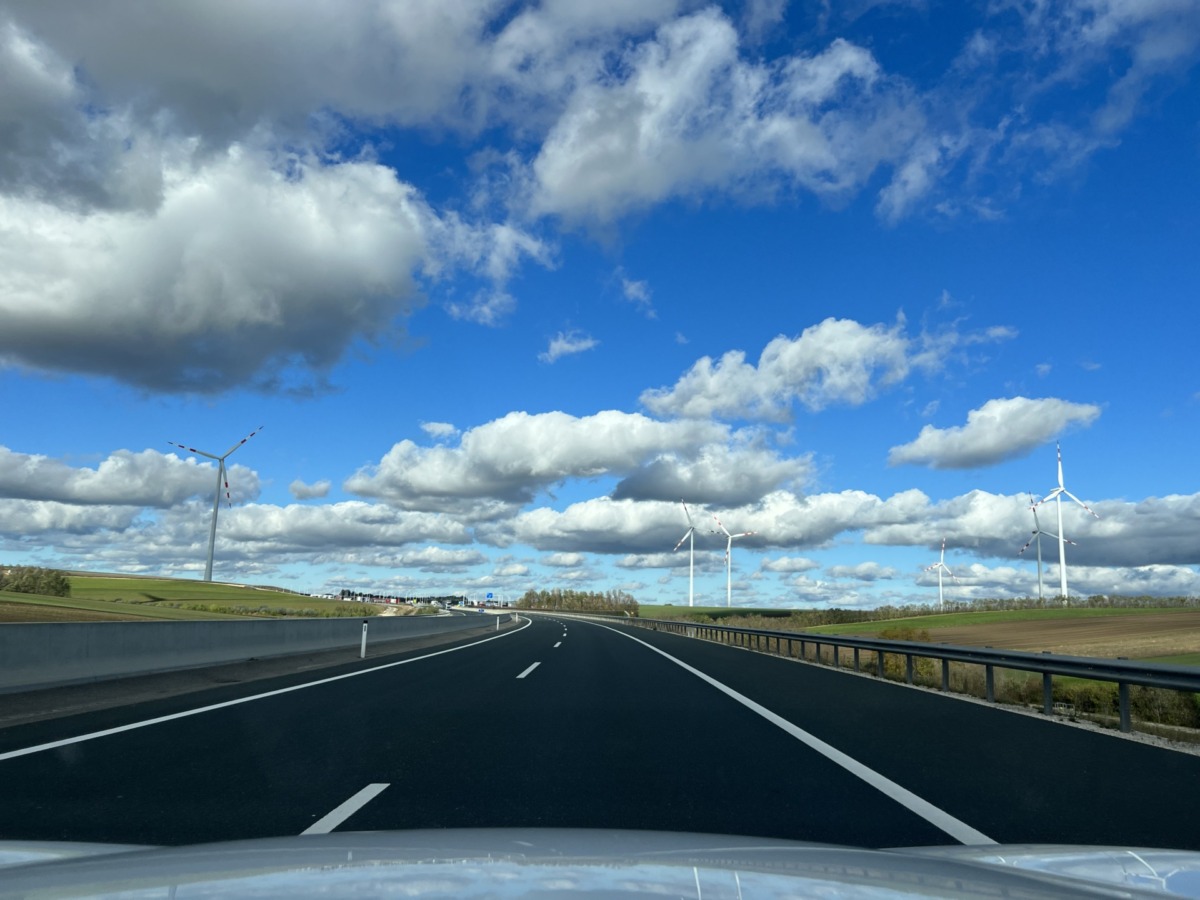
By car
To be honest, I usually travel by car, and I’ve explored all three cities this way. I find driving flexible and comfortable, and compared to many European cities, driving here is quite manageable.
- Prague: Parking can be tricky in some areas, especially around the Castle, but we’ve always managed to find a solution.
- Vienna: Parking is mostly done in parking garages, as street parking in the center is often limited to short periods (Kurzparkzone). There are also private parking areas near places like Schönbrunn and outside the city center.
- Budapest: Parking is the easiest here. Even in the city center, you’ll find plenty of parking spots, especially on weekends.
In all three cities, traffic jams are common, so always plan extra time. Rush hours are usually 7–10 AM and 4–6 PM.
If you plan to rent a car, I recommend checking DiscoverCars.com to compare prices and options.
By public transport
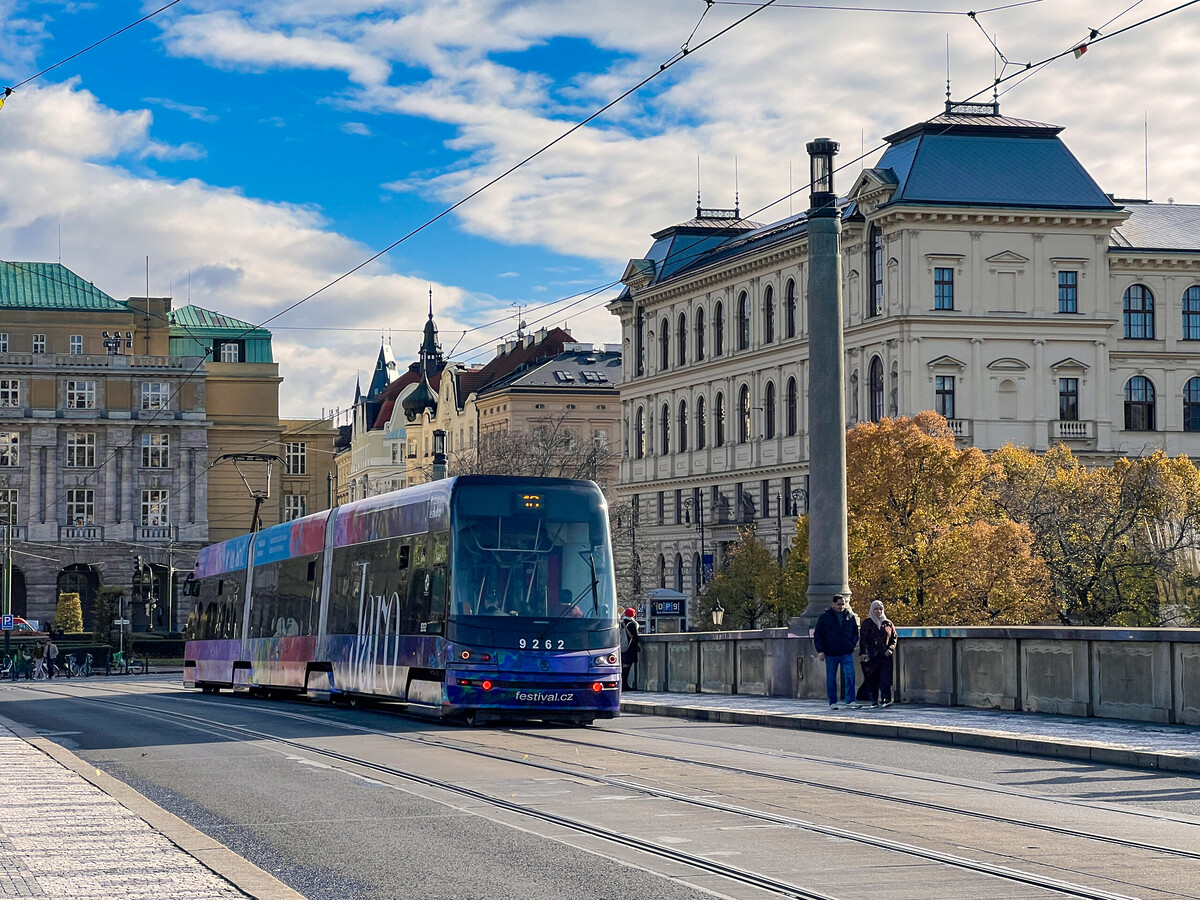
All three cities are also easy to explore by public transport, and there are good train connections between them. For traveling between cities, I recommend trains rather than flights.
Within the cities, you can mainly use trams and buses:
- Prague and Vienna have very well-developed public transport systems.
- Budapest’s system is slightly less modern, but still affordable and easy to use.
In all three cities, you can buy daily or multi-day transport passes, which allow unlimited travel on public transport.
Useful city passes:
These passes often include transport plus discounts or free entry to attractions, so they’re worth checking before your trip.
How many days do you need for Prague, Vienna and Budapest?
In my opinion, 7 days is ideal for visiting all three cities. It gives you enough time to see the main sights without feeling too rushed.
I only recommend a shorter trip if you skip one city, or if you plan to see everything very quickly. In that case, 5–6 days can still work.
If you also want to add day trips to the countryside, I suggest a longer 10-day itinerary. Below, I share some great day trip ideas you can easily add to your route.
What I would change if I had more time
If I planned a longer trip, I would definitely add countryside destinations to the itinerary.
Some of my personal favorites are Prachov Rocks in Czechia, Schneeberg in Austria (I recommend it only in summer), Lake Neusiedl in Austria, and Lake Balaton in Hungary. I would choose one or two of these and add them to the route.
With more time, I would also slow down in Prague. The city easily deserves two full days, especially if you enjoy walking, viewpoints, and local shops and restaurants.
Additional destinations to add to your itinerary
If you have extra time, Central Europe offers many great side trips worth adding to your itinerary:
- Bratislava: A compact, relaxed capital with a charming Old Town and Danube views, perfect for a short stop or day trip.
- Brno: A lively Czech city with castles, cathedrals, and great viewpoints.
- Polish Tatras: Ideal for nature lovers, with alpine scenery, hiking, and lakes like Morskie Oko.
- Cesky Krumlov: A fairytale medieval town and one of the highlights of the Czech Republic.
- Lake Balaton: The largest lake in Central Europe, perfect in summer for beaches, wine regions, and scenic towns like Tihany.


Travel budget for a 7-day Central Europe trip
Your budget always depends on your travel style. Based on my experience, if you plan a comfortable, mid-range trip, this is a realistic estimate.
If you travel as two people and choose 3–4 star hotels, rent a car or use paid transport, eat one restaurant meal per day, do minimal shopping, and keep extra costs under control, you should plan around €200–300 per day for two people.
This means a total budget of about €1,500–2,000 for two people for 7 days, excluding flights, if flights are needed.
Which city is more expensive?
Among the three cities, Vienna is clearly the most expensive. It is a high-cost city by international standards, especially for accommodation, food, and services.
- Prague is currently the cheapest, which may surprise many travelers. This wasn’t always the case, but prices there are now noticeably lower.
- Budapest has become much more expensive in recent years. From my recent trips, I can say that Prague is now cheaper for tourists than Budapest, which would have been hard to imagine a few years ago.
- Vienna is still the most expensive of the three, but with smart planning, it can remain affordable for a short stay.
So, this was my 7-day Prague Vienna Budapest itinerary, covering some of the best places in Central Europe. I hope this guide gives you a clear idea of what you can see and experience in all three cities in one week.
Prague, Vienna, and Budapest all offer beautiful views, rich culture, and great food. Whether you follow this itinerary exactly or adjust it to your own travel style, it’s a great way to discover the highlights of Central Europe.
If this itinerary inspired you, start planning your Prague Vienna Budapest trip, book your accommodation and activities, and enjoy the journey. These cities truly have everything you need for an unforgettable Central Europe experience.

Hi! I’m Adri, the creator of Traveltipzone.com and Italianwanderlust.com.
I’ve explored over 30 countries so far and travel to around 15 each year — some new places and others I love returning to. I’m especially passionate about Southern Europe, particularly Italy, and the United Arab Emirates.
Follow my journeys for firsthand travel tips and inspiration!