
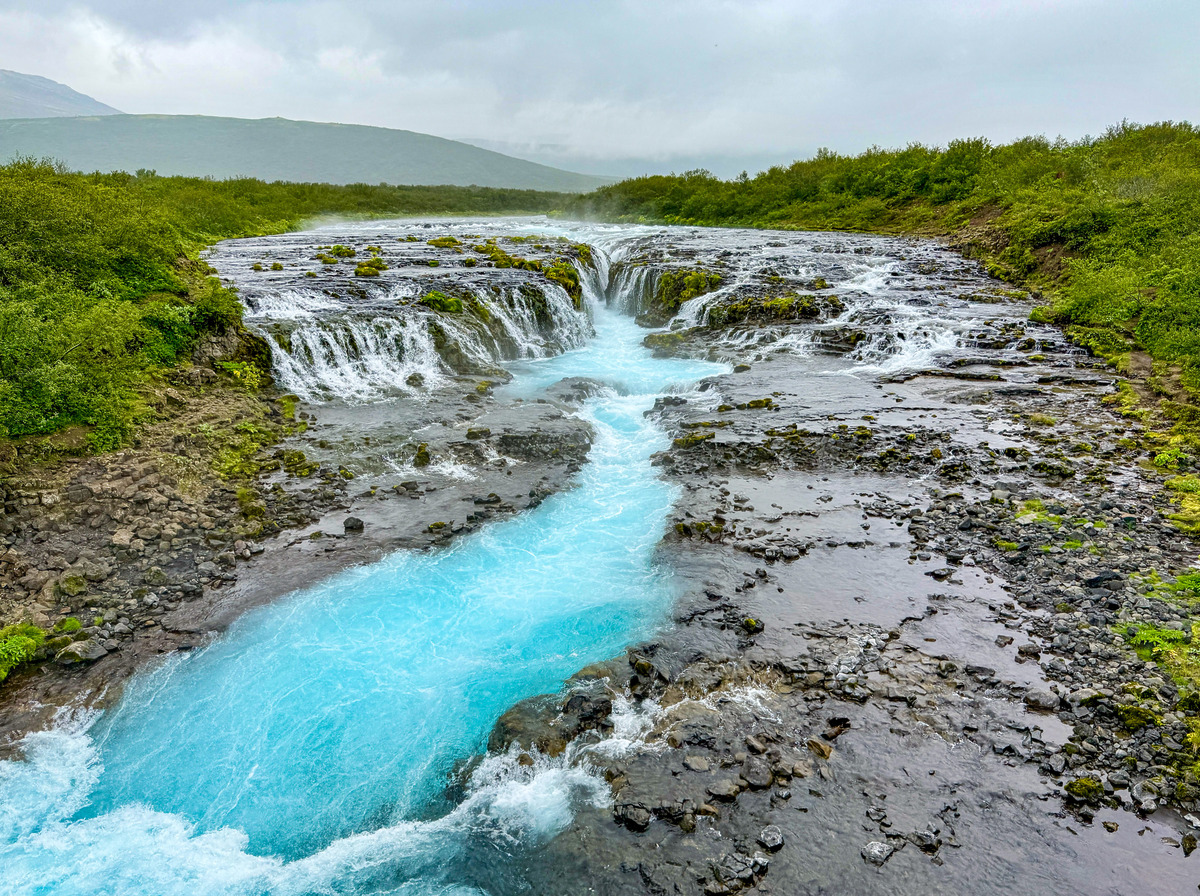
Iceland is one of the most unique destinations I’ve ever visited, and honestly, planning an Iceland trip for the first time can feel a little overwhelming.
The country is famous for its waterfalls, glaciers, volcanoes, black sand beaches, and geothermal landscapes, but it’s also much larger, more expensive, and more unpredictable than many travelers expect.
And once you stand in front of a powerful waterfall, walk along a black sand beach, watch icebergs drift through a glacier lagoon, or drive through landscapes that seem almost otherworldly, it becomes easy to understand why so many people fall in love with Iceland.
Ready to travel to Iceland?
Here are some quick recommendations on what to book for your trip:
Best places to stay:
Best things to do:
- Blue Lagoon: Admission Package with Drink, Towel, and Mask
- Sky Lagoon Entrance Pass With 7-Step Spa Ritual
- Golden Circle Full-Day Tour with Kerid Crater
- From Reykjavík: Fagradalsfjall Volcano Hike with Geologist
- From Reykjavik: Snæfellsnes Peninsula Full-Day Tour
- Landmannalaugar & Háifoss Waterfall Tour
After visiting Iceland several times since 2021, I decided to put everything I’ve learned into one complete Iceland travel guide with as many practical tips as possible.
In this article, you’ll find the best places to visit in Iceland, itinerary ideas, transportation tips, costs, and some honest thoughts about what Iceland is really like as a first-time visitor.
So let’s start with a quick overview of the most important things to know, and then go through each topic in detail.
Quick overview of this Iceland travel guide
Here are the short answers to the main questions about visiting Iceland:
- Is Iceland worth visiting?: Absolutely
- Why visit: Waterfalls, glaciers, volcanoes, black sand beaches, geothermal landscapes
- Best for: Nature lovers, hikers, photographers, road trips
- Best time to visit: June–September
- How many days: 7–10 days
- Closest airport: Keflavík International Airport
- Getting around: Rental car, guided tours, limited public buses
- Is Iceland safe?: Yes, but nature and weather can be dangerous
- Do you need a car?: Highly recommended
- Budget: Very expensive
- Best itinerary: Golden Circle, South Coast, Ring Road, Snæfellsnes Peninsula
- Best places to visit: Reykjavík, Blue Lagoon, Golden Circle, South Coast, Jökulsárlón, Diamond Beach, Lake Mývatn
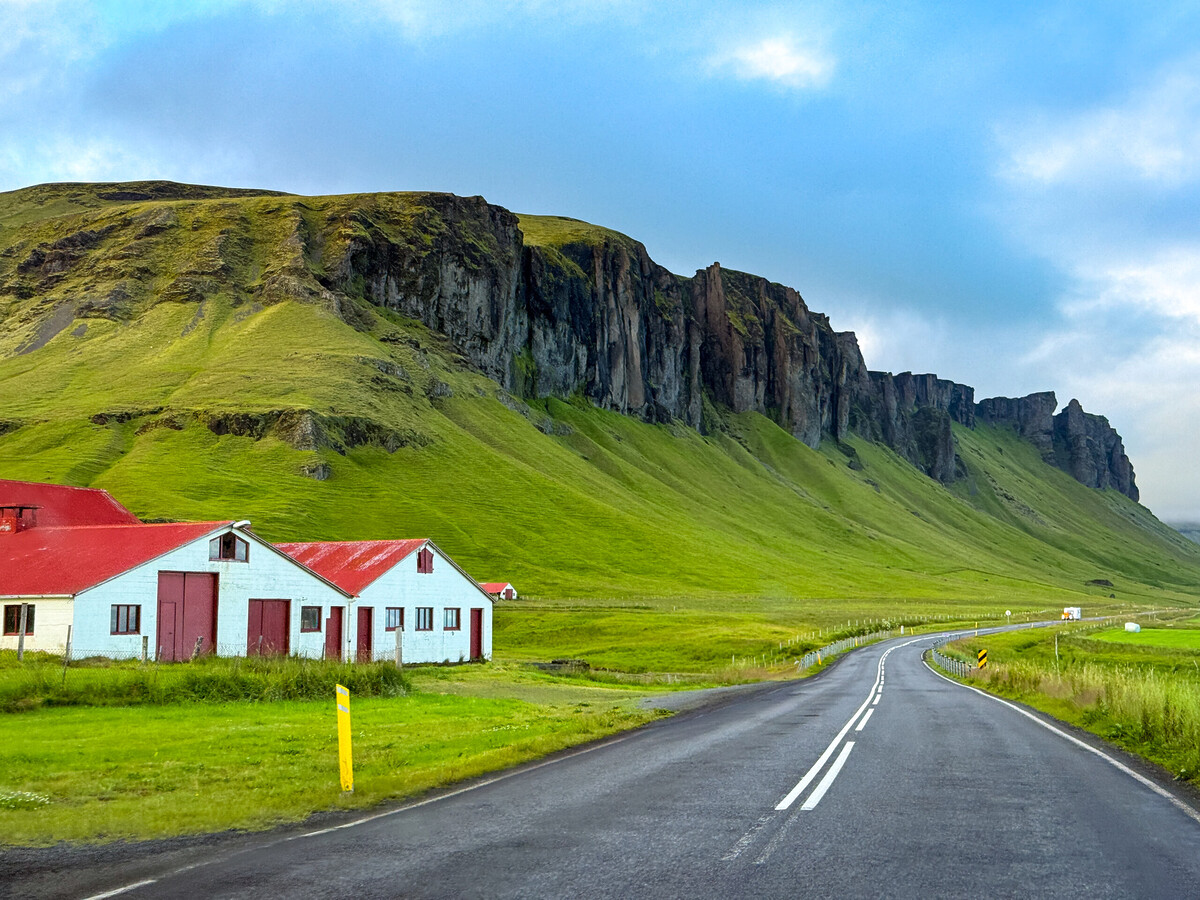
Now that you have a quick overview, let’s look at each topic in more detail:
Is Iceland worth visiting?
Yes, absolutely.
If you love exploring unique natural landscapes and seeing places that exist nowhere else on Earth, Iceland is an incredible destination. From glaciers and volcanoes to geothermal areas, black sand beaches, and powerful waterfalls, few countries offer so many extraordinary natural attractions in such a relatively small area.
I’ve been visiting Iceland since 2021, and despite the high costs, challenging weather, and long travel days, it remains one of my favorite destinations. Every trip has given me unforgettable experiences that would be difficult to find anywhere else.
Who is Iceland perfect for?
Iceland is a fantastic destination for:
- Travelers who love nature and outdoor adventures
- People who enjoy hiking and exploring natural attractions
- Photographers looking for dramatic landscapes and unique scenery
- Those seeking a peaceful escape surrounded by nature
- Experienced travelers who don’t mind basic infrastructure in remote areas
- Travelers who are comfortable with Iceland’s relatively high prices
Who might not enjoy Iceland?
Iceland may not be the best destination for:
- Travelers who dislike cold, rainy, windy, or unpredictable weather
- People looking for a traditional beach holiday or a luxury resort experience
- Those expecting a relaxed trip with minimal driving and walking
- Travelers on a very tight budget
- People who prefer destinations with excellent infrastructure and easy access to services everywhere
- Travelers with significant mobility limitations or serious health conditions, as some areas are remote and medical services can be far away
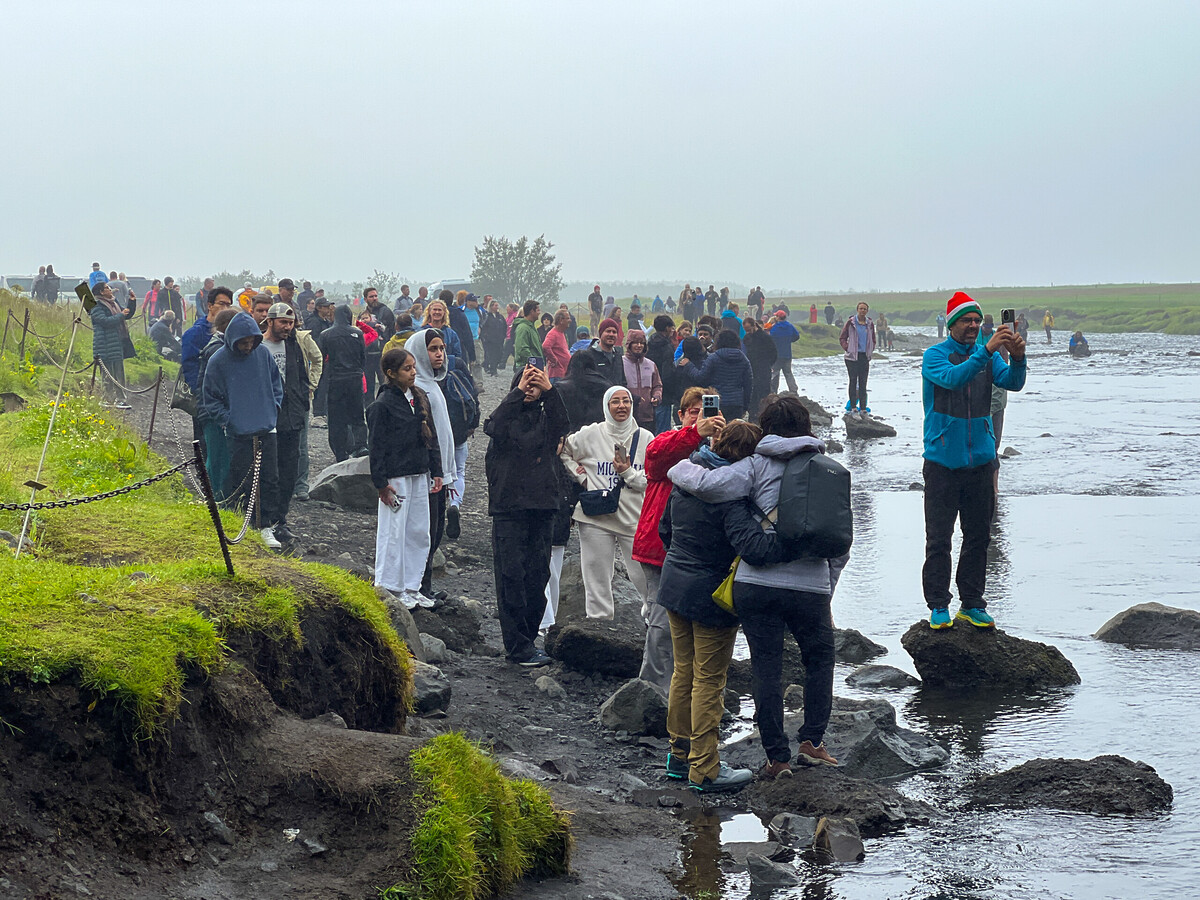

Best places to visit in Iceland
These are some of the best places to visit in Iceland:
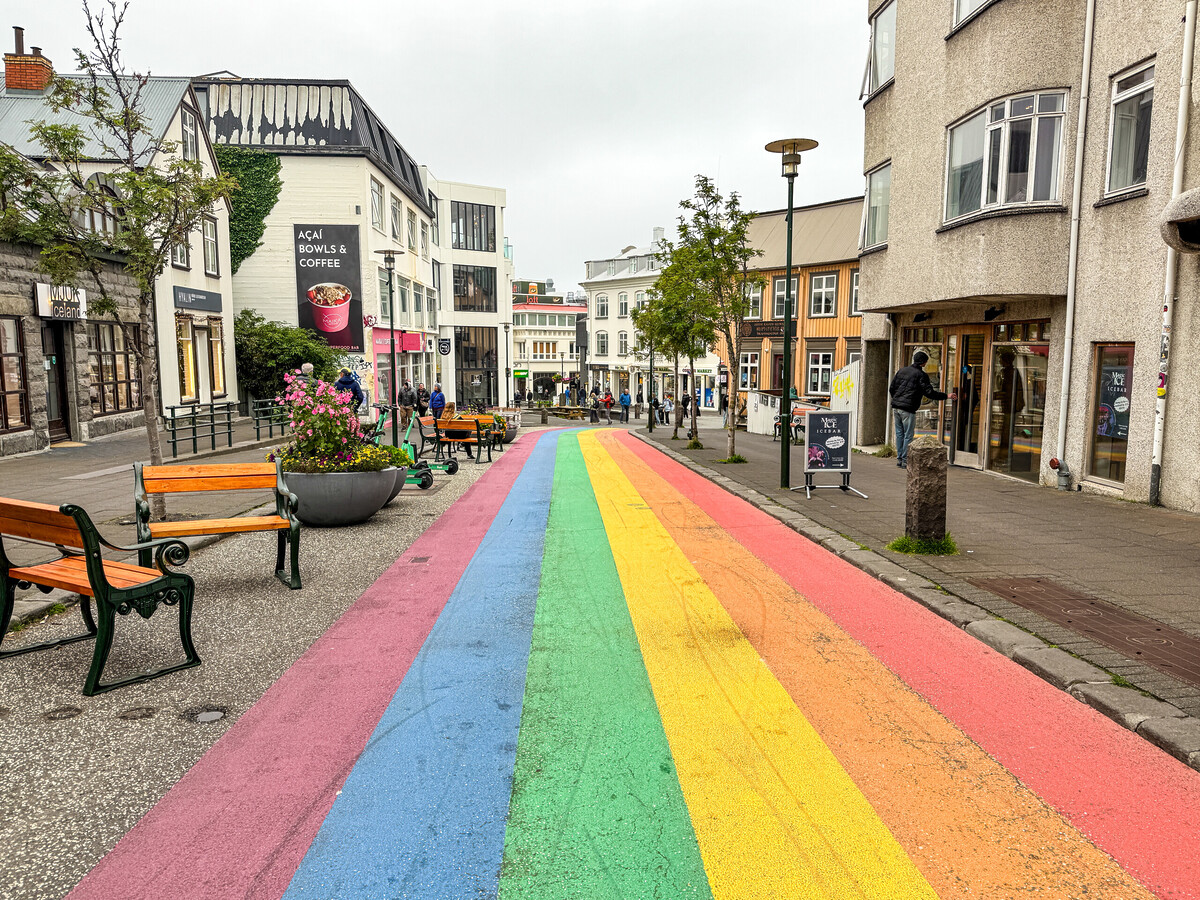
Reykjavík
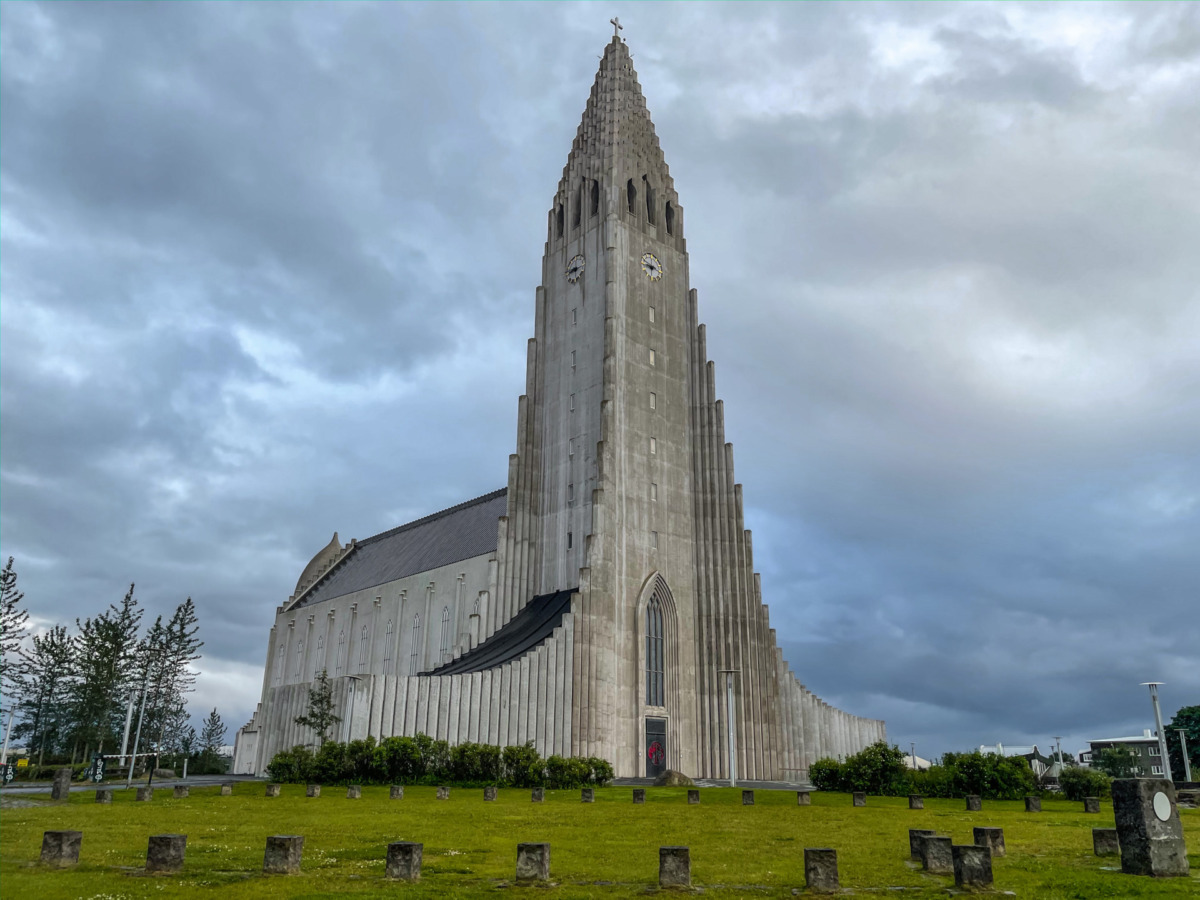
Iceland’s capital and the country’s cultural center. It’s the best place to visit Hallgrímskirkja Church, enjoy Icelandic food, and experience local city life.
Blue Lagoon
Blue Lagoon is Iceland’s most famous geothermal spa, known for its milky-blue water and lava field setting. It’s a perfect place to relax before or after a road trip around the island.
Sky Lagoon
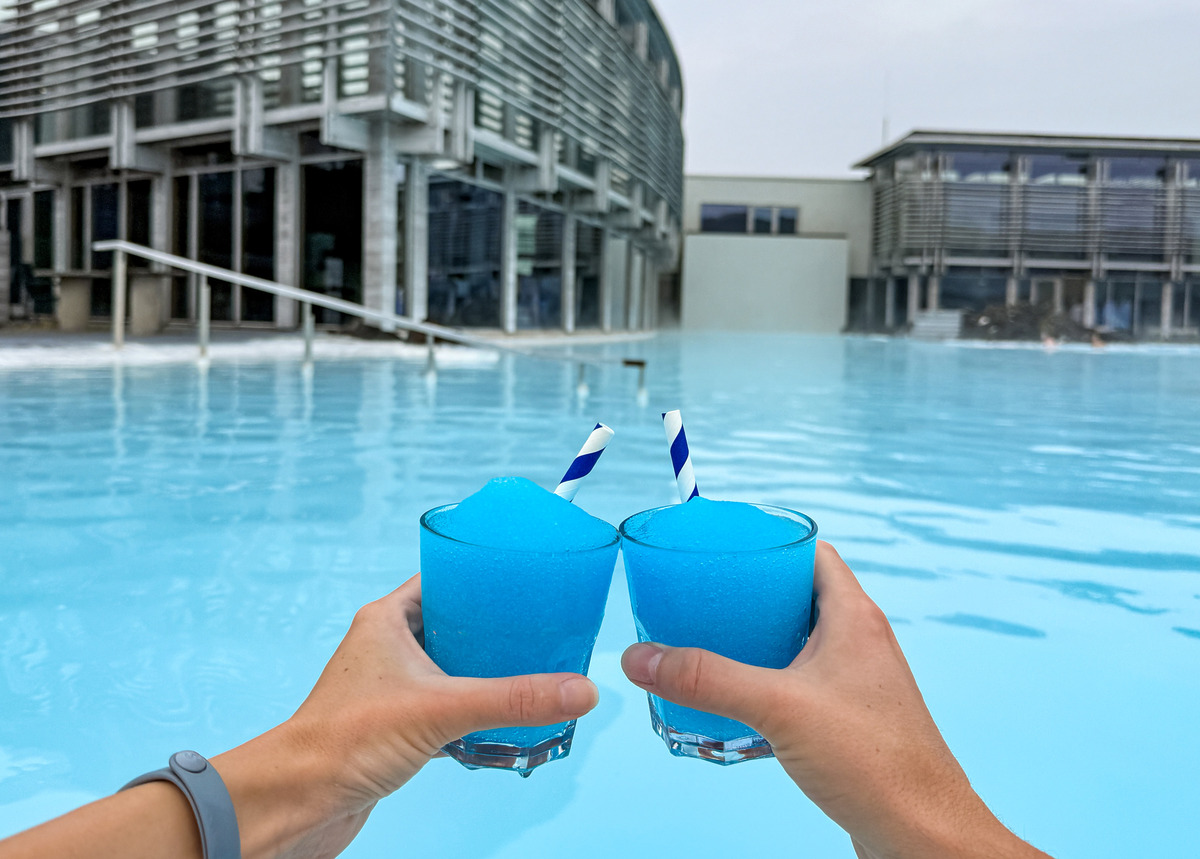
Sky Lagoon is a modern geothermal spa located just outside Reykjavík. The infinity pool overlooking the Atlantic Ocean is one of the most beautiful spa experiences in Iceland.
Thingvellir National Park
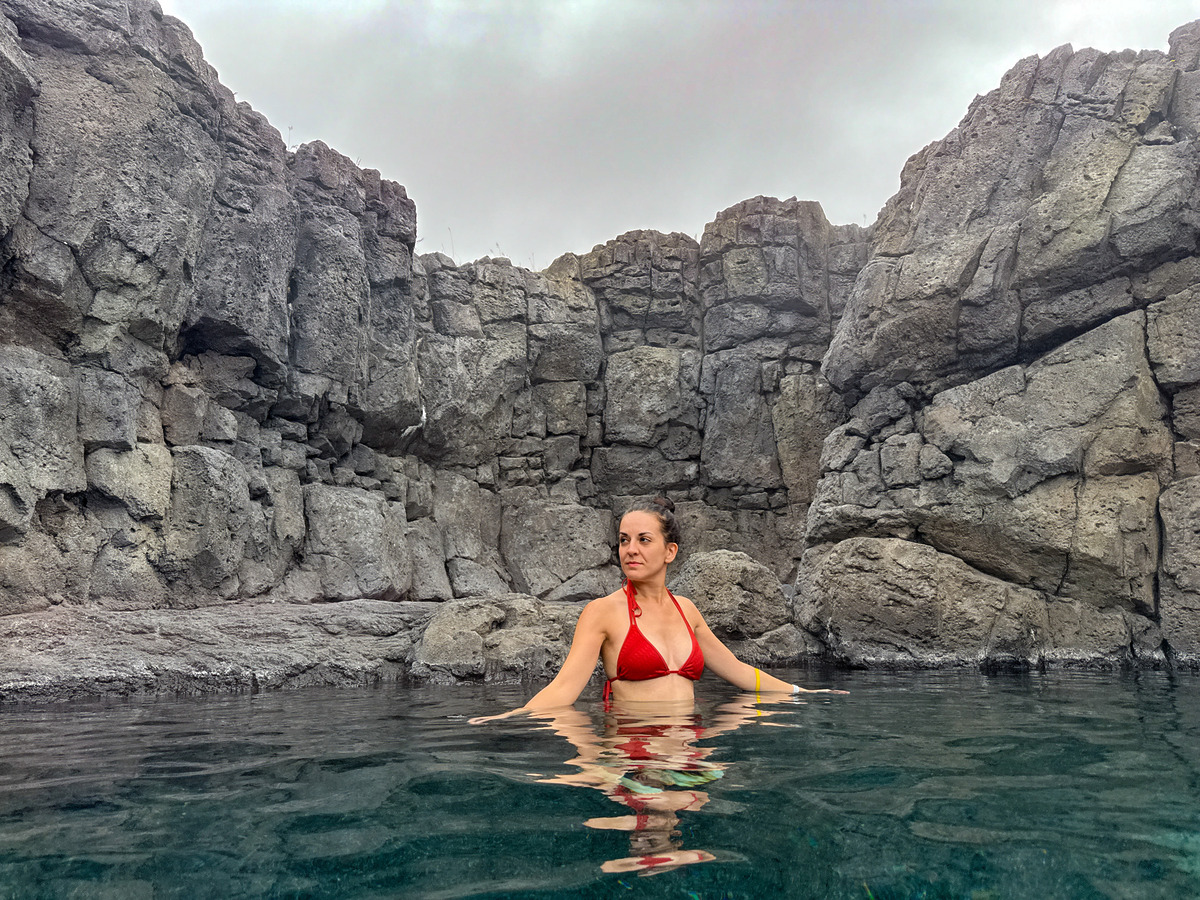
A UNESCO World Heritage Site where the North American and Eurasian tectonic plates meet. It’s also one of the three main stops on the Golden Circle route.
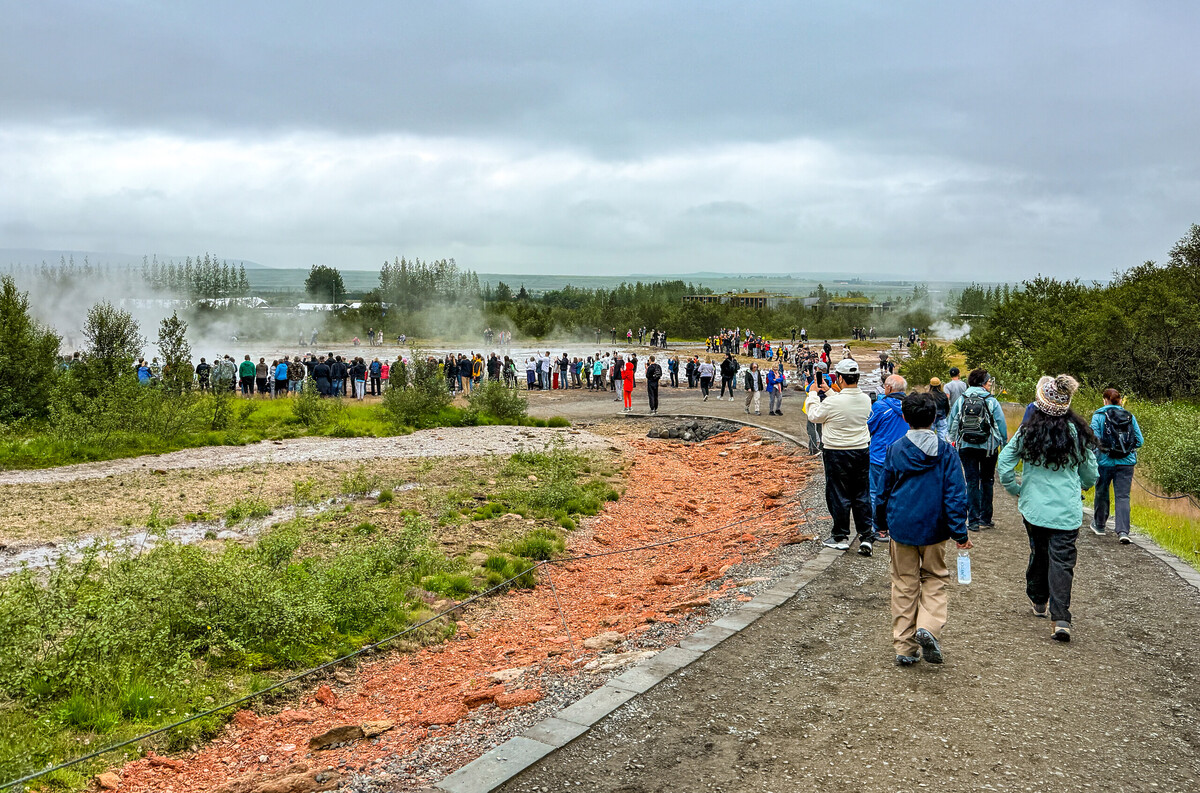
Geysir Geothermal Area
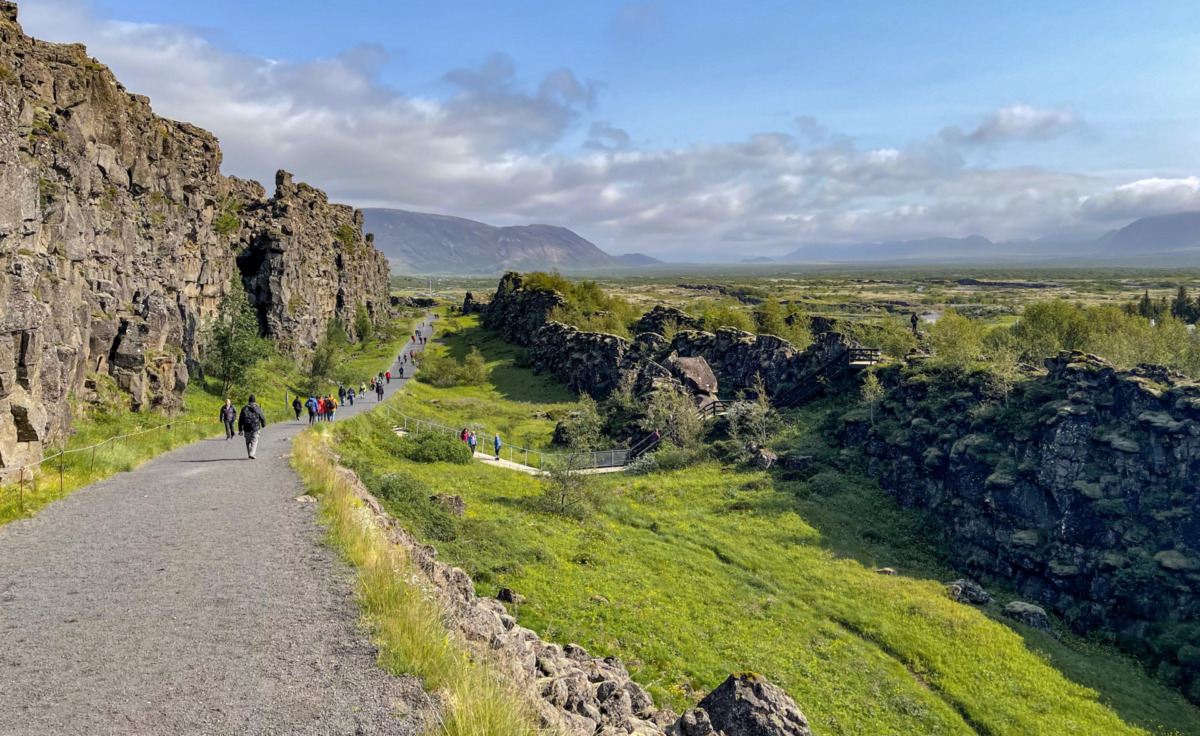
One of Iceland’s most famous geothermal areas. The Strokkur geyser erupts every few minutes, making it one of the easiest places in the world to see a geyser in action.
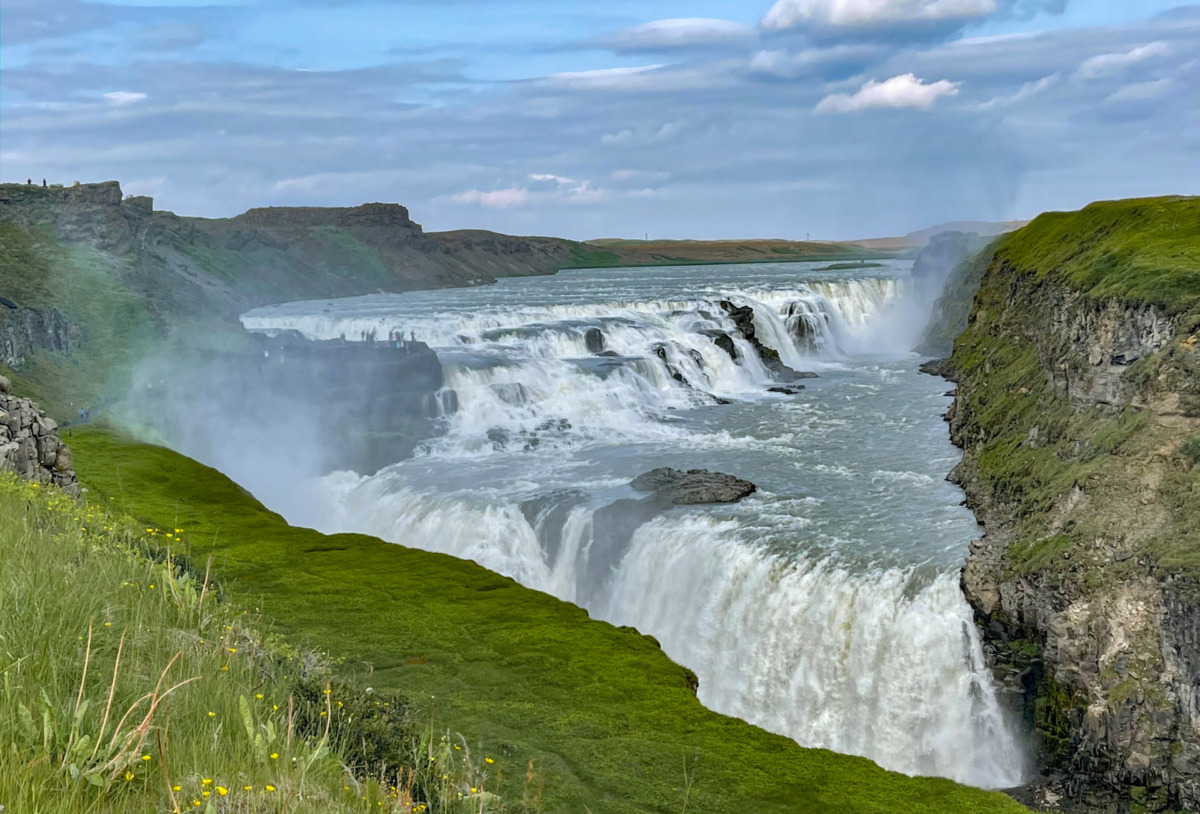
Gullfoss
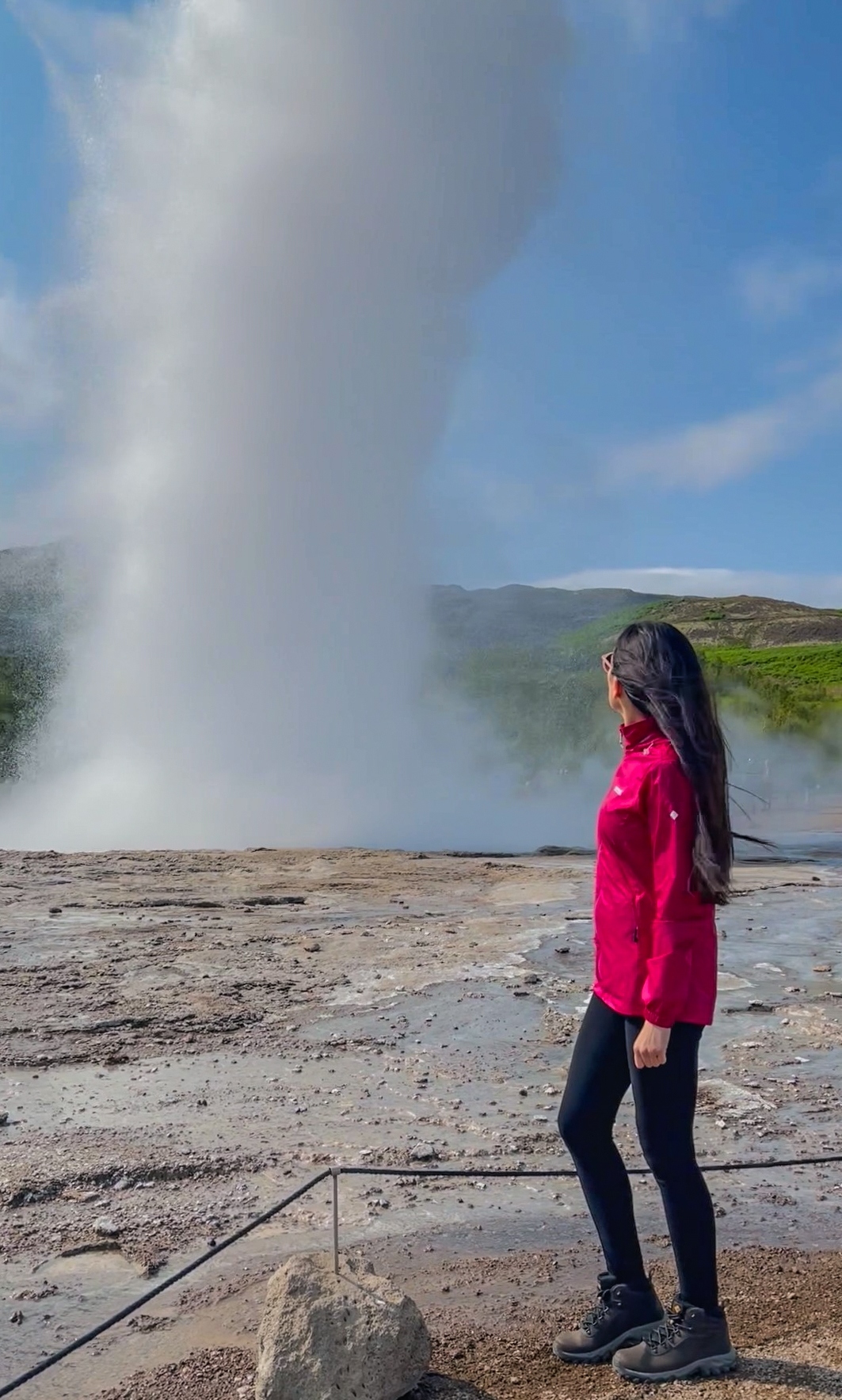
One of the most powerful waterfalls in Iceland. Its massive volume of water and dramatic canyon setting make it a must-see attraction.
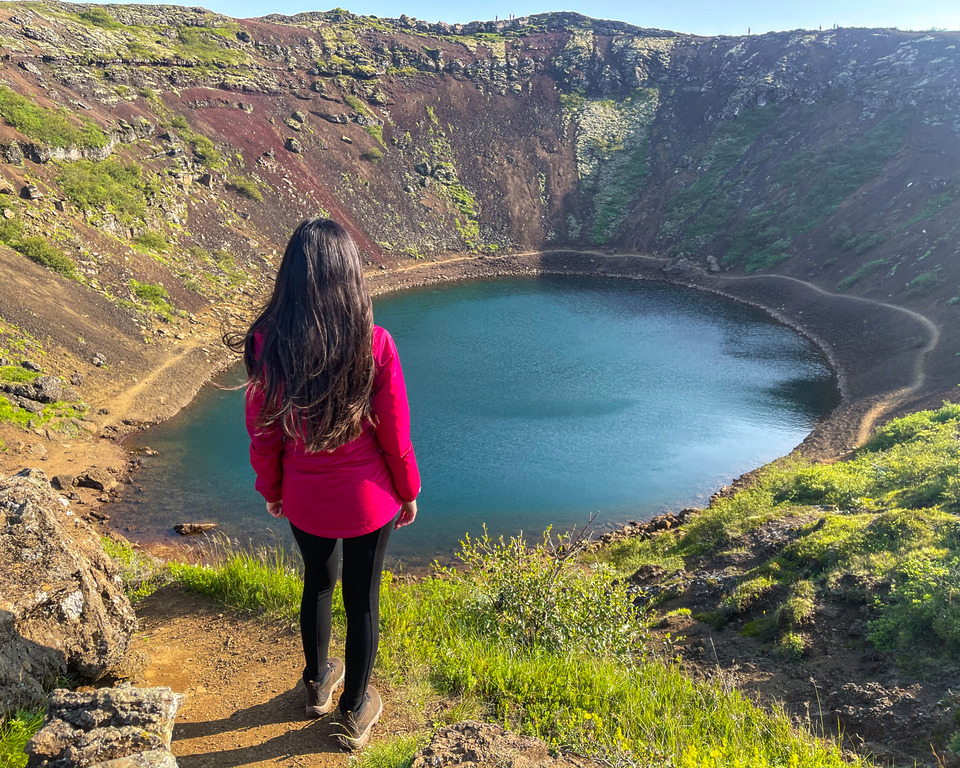
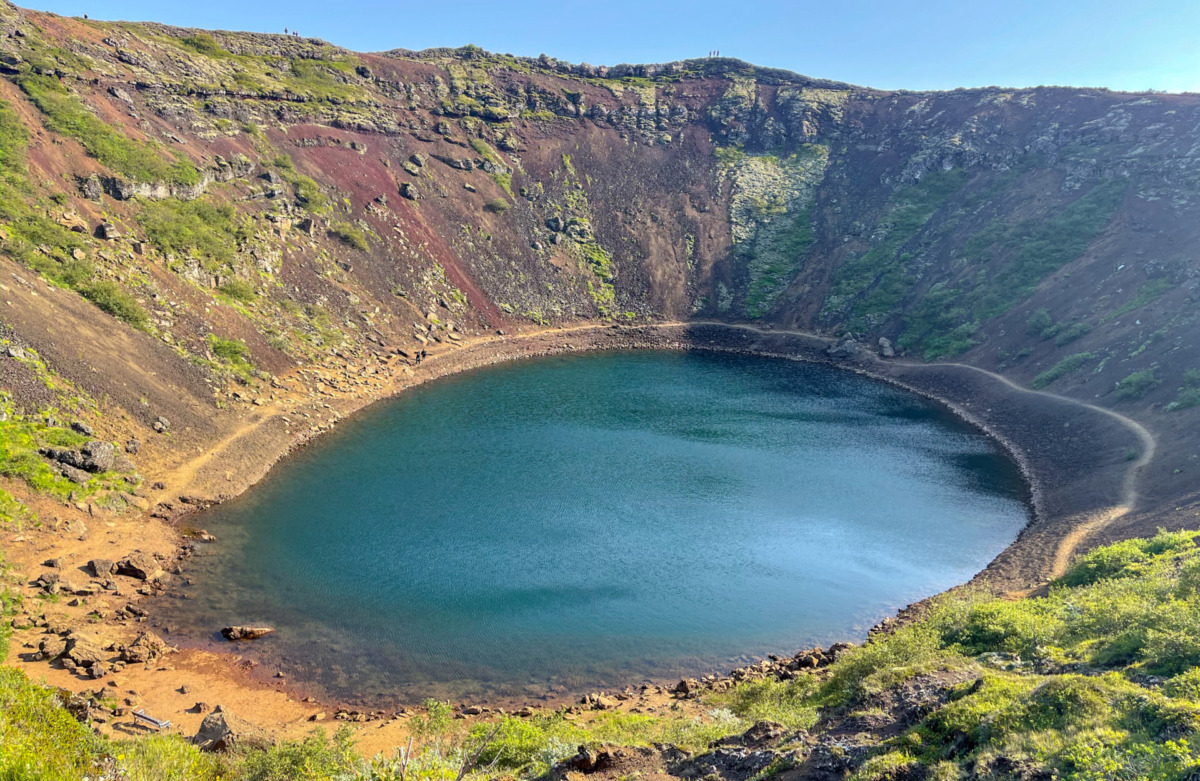
Kerið Crater
A volcanic crater filled with a colorful crater lake. The short walk around the rim offers beautiful views of the surrounding landscape.
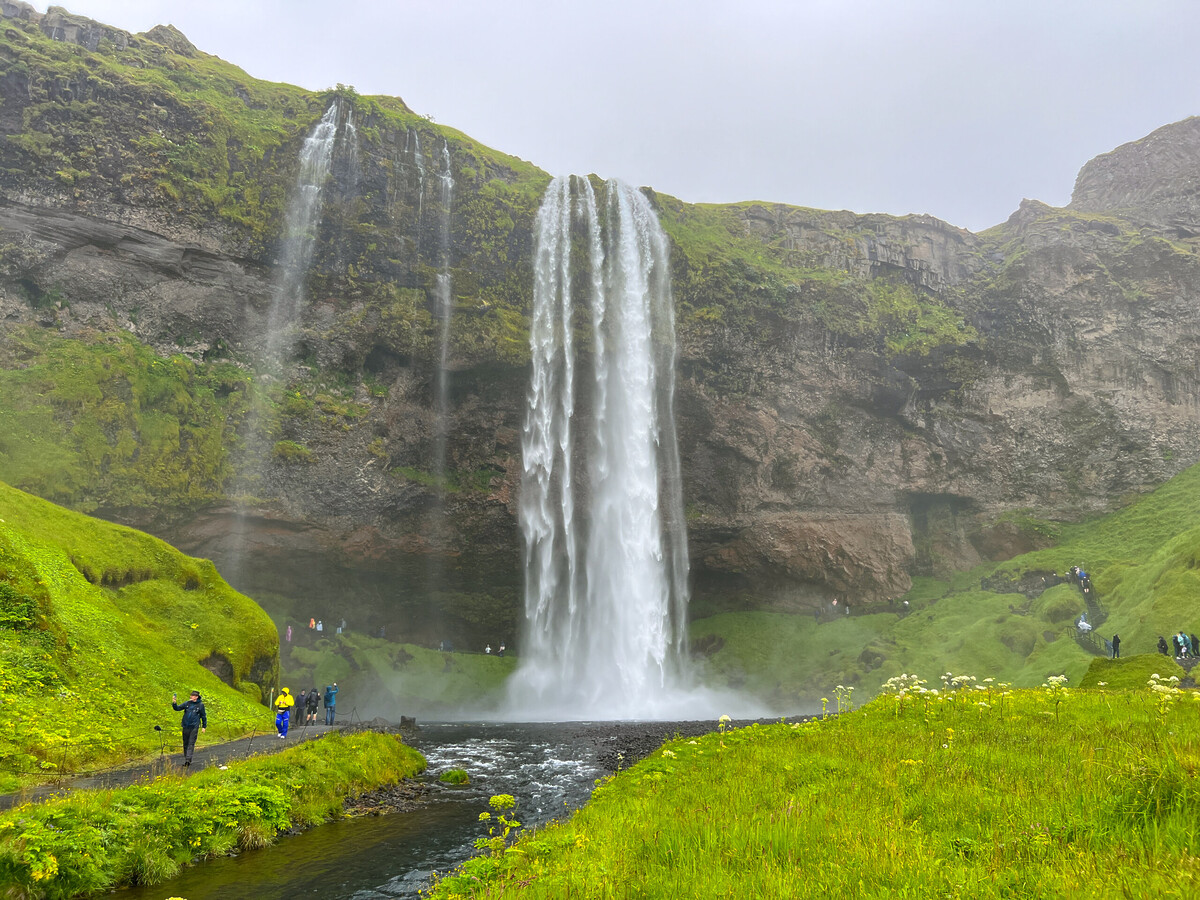
Seljalandsfoss
One of Iceland’s most famous waterfalls. It’s one of the few waterfalls in the world where you can walk completely behind the falling water.
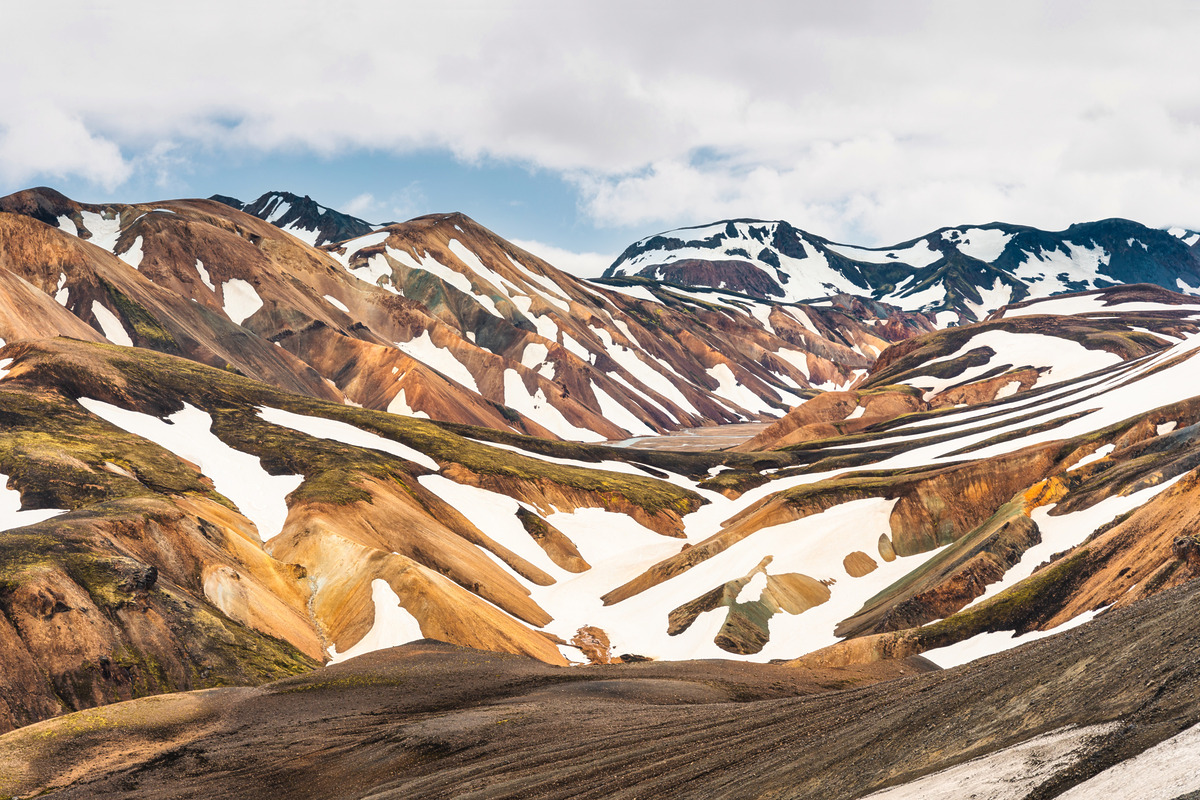
Landmannalaugar
One of the most spectacular hiking destinations in Iceland. The colorful mountains and geothermal landscapes make it a paradise for nature lovers.
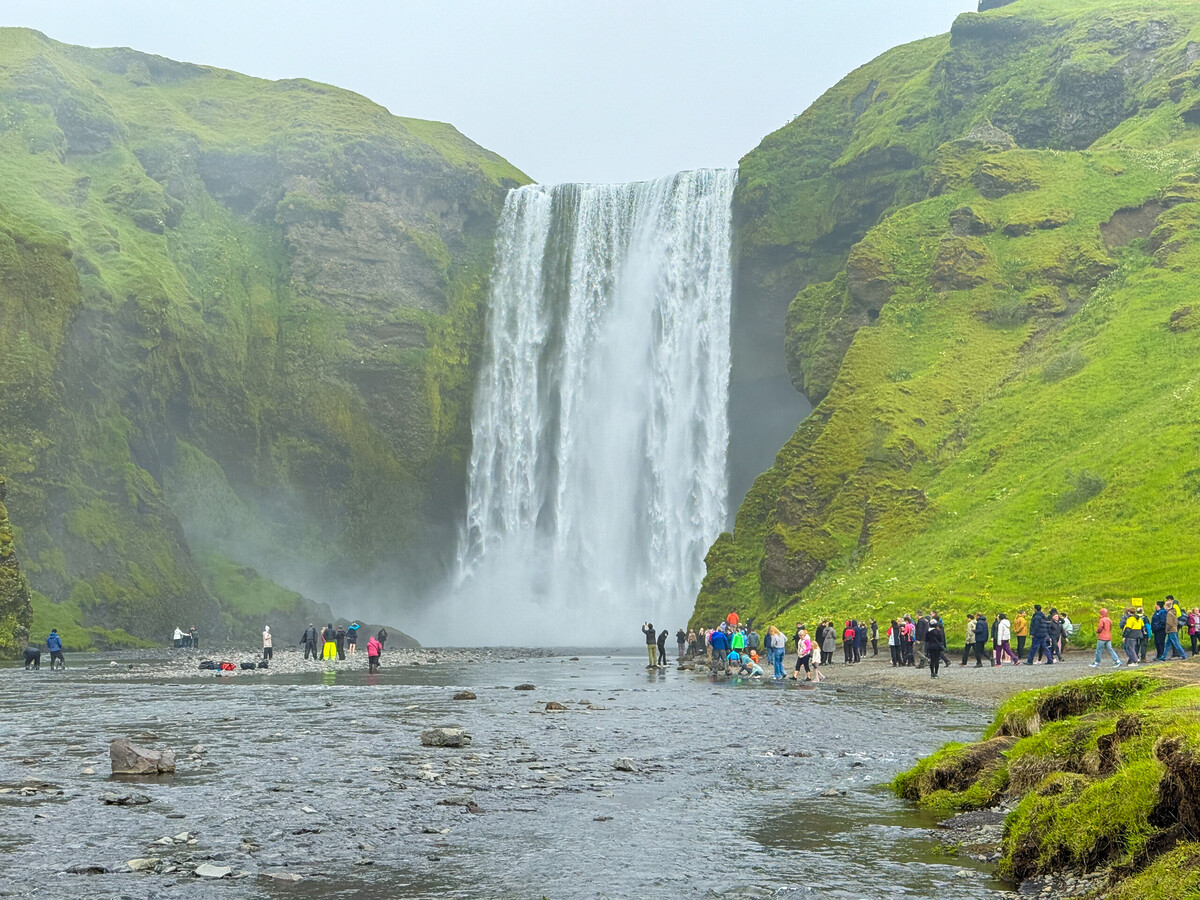
Skógafoss
A massive waterfall with a width of 25 meters and a height of 60 meters. The staircase next to the waterfall offers spectacular views from above.
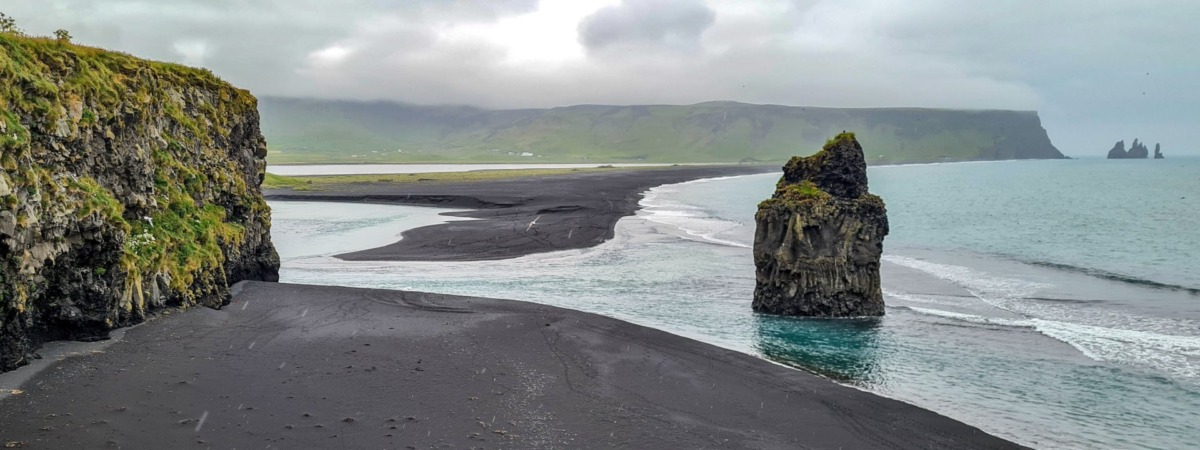
Dyrhólaey
A scenic peninsula known for its cliffs, lighthouse, and natural sea arch. During summer, it’s also one of the best places to spot puffins.
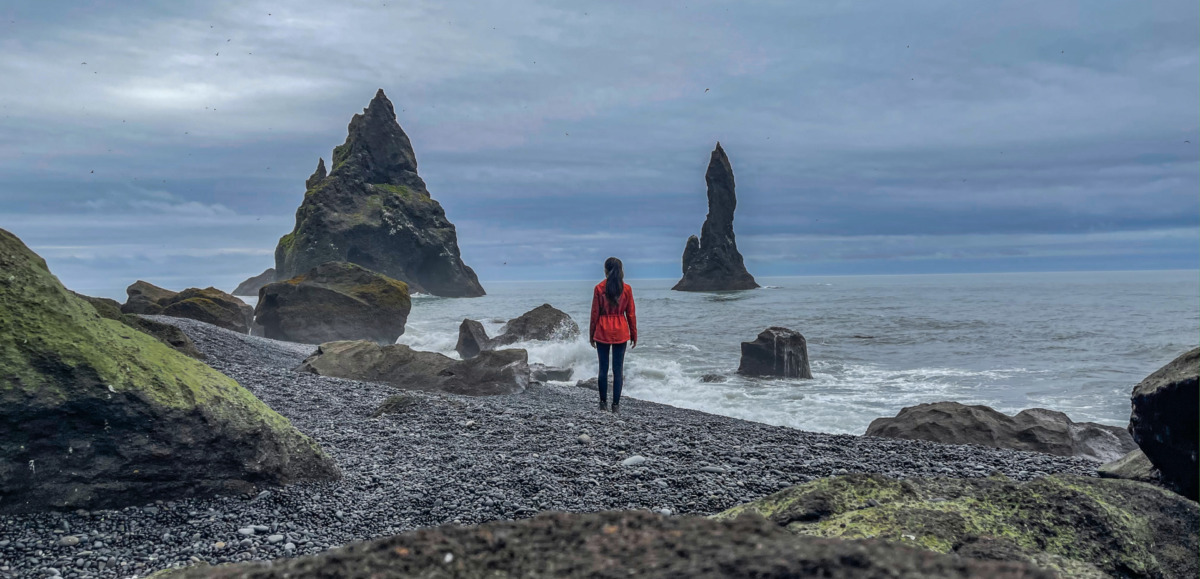
Reynisfjara Black Sand Beach
The most famous black sand beach in Iceland. Its basalt columns, sea stacks, and dramatic waves create one of the country’s most iconic landscapes.
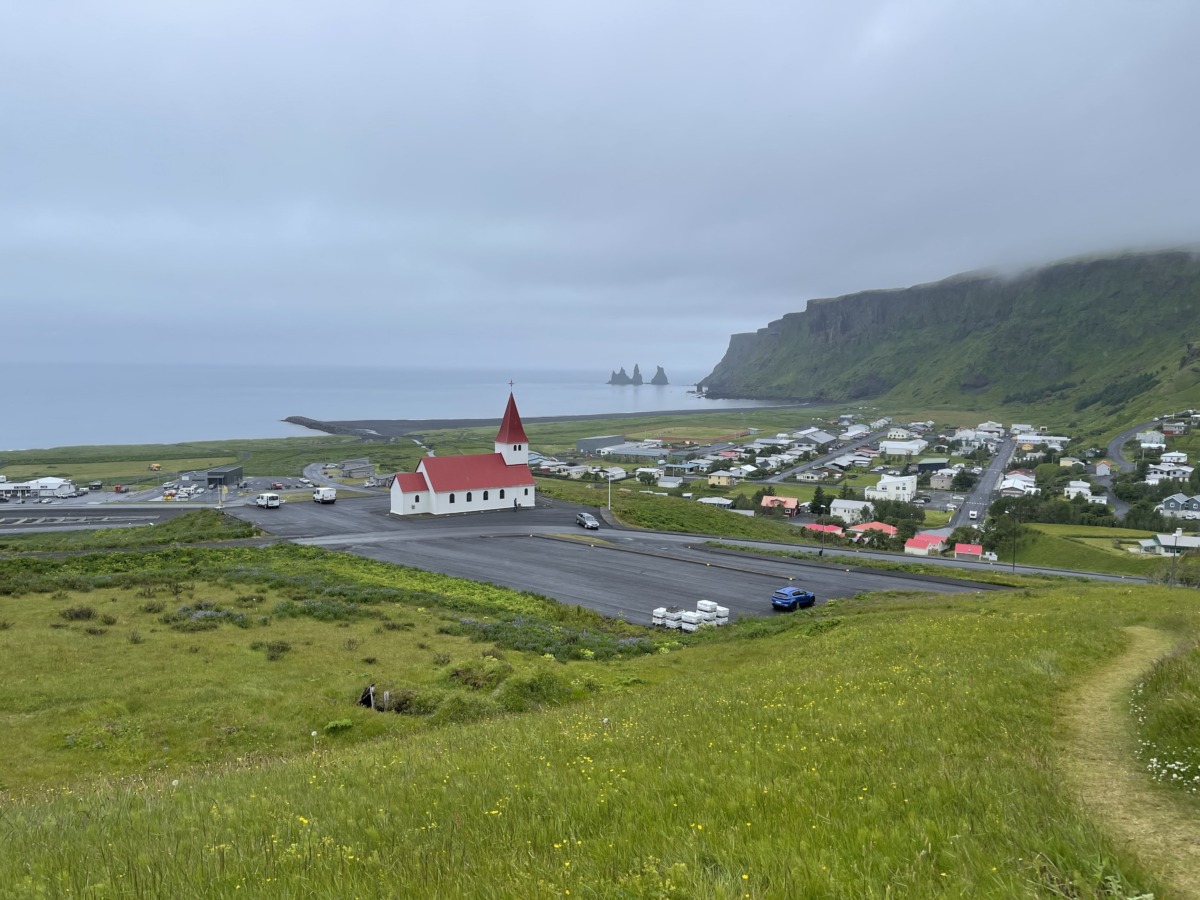
Vík í Mýrdal
A small village surrounded by black sand beaches and volcanic scenery. It’s one of the most important stops along Iceland’s South Coast.
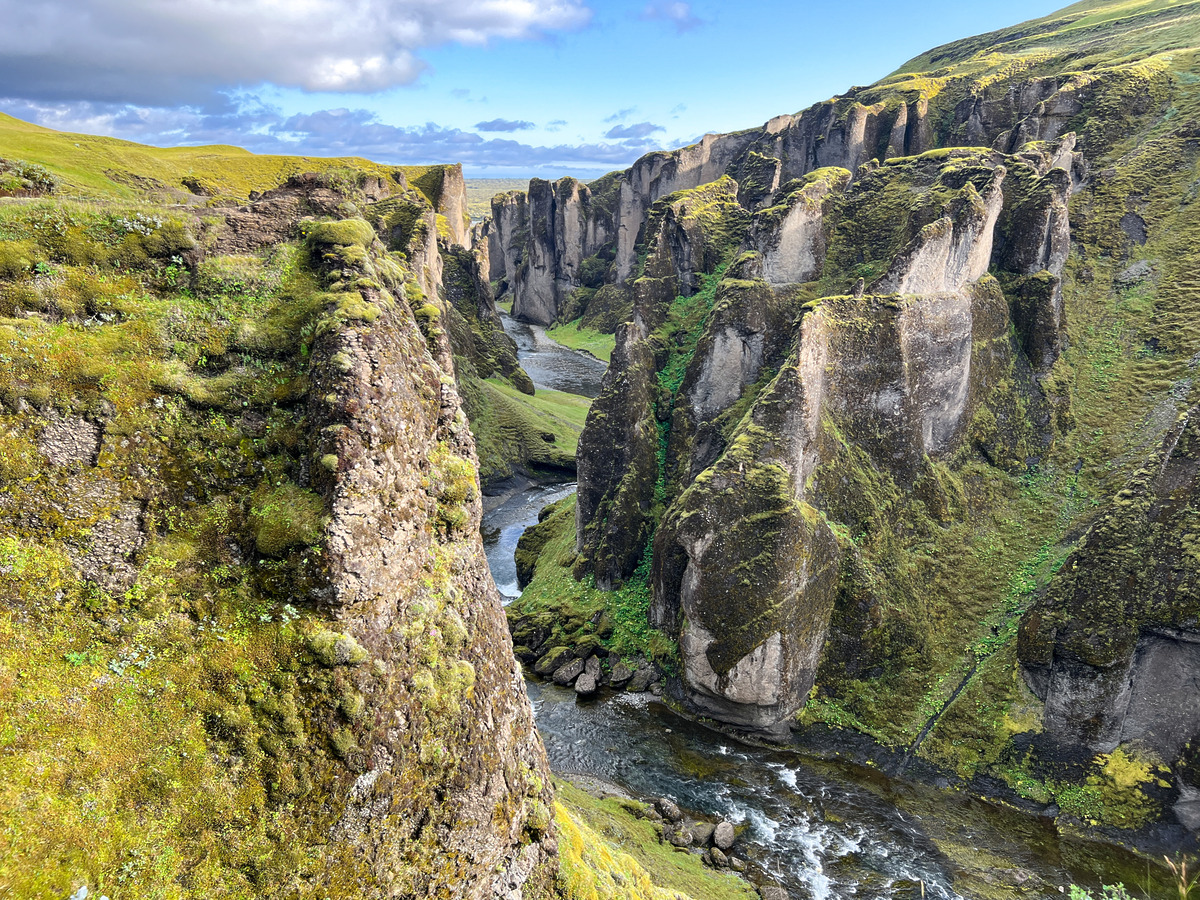
Fjaðrárgljúfur Canyon
One of the most beautiful canyons in Iceland. Walking along the rim provides incredible views of the winding river below.
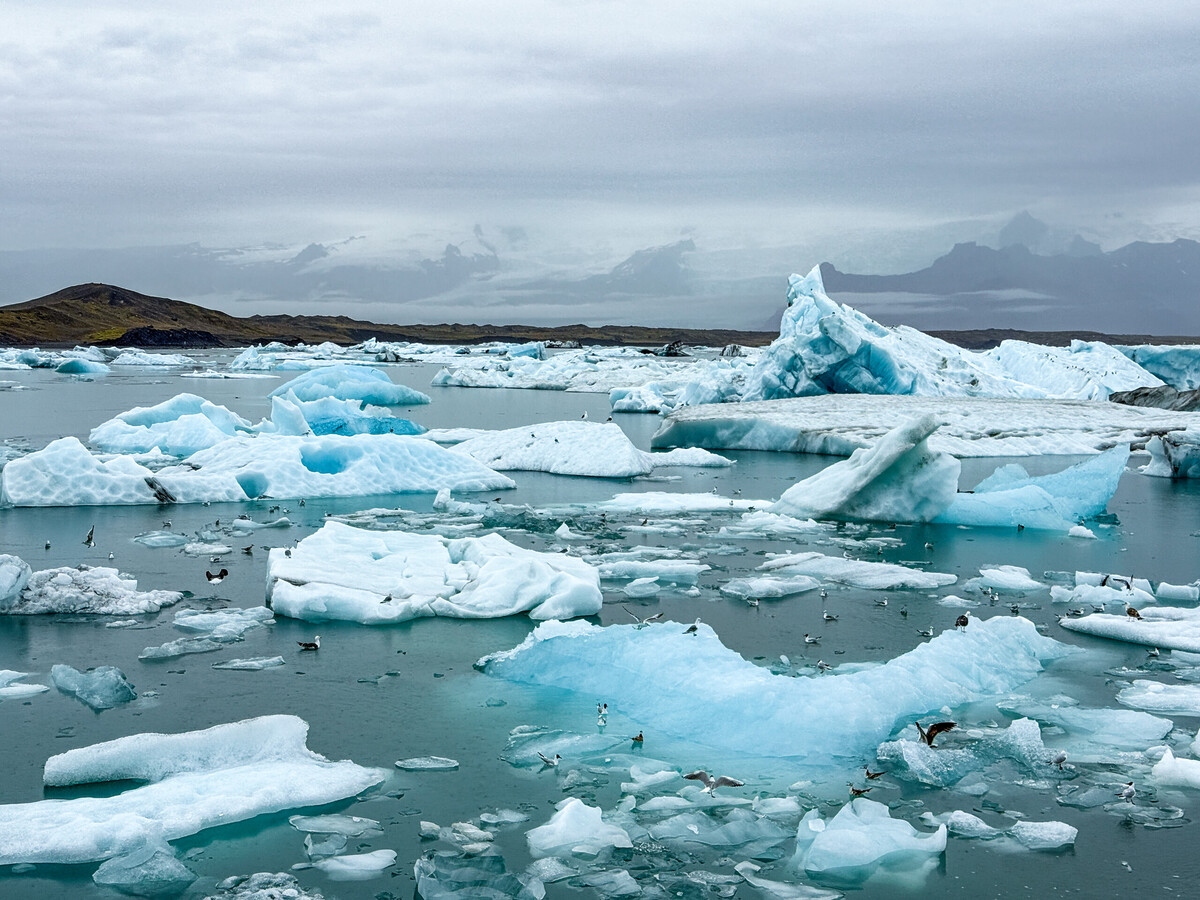
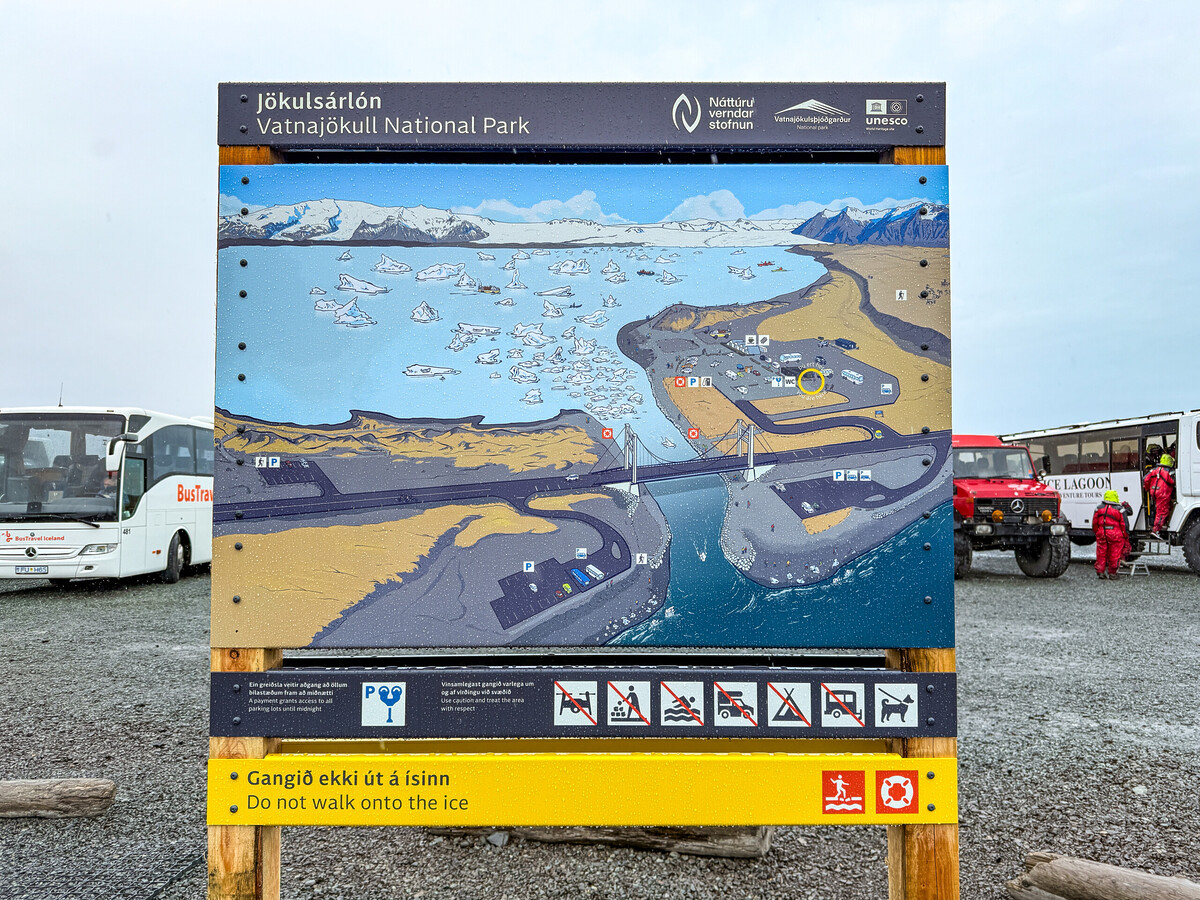
Jökulsárlón Glacier Lagoon
A glacier lagoon filled with floating icebergs. It’s one of the most unique natural attractions in Iceland and a favorite among photographers.
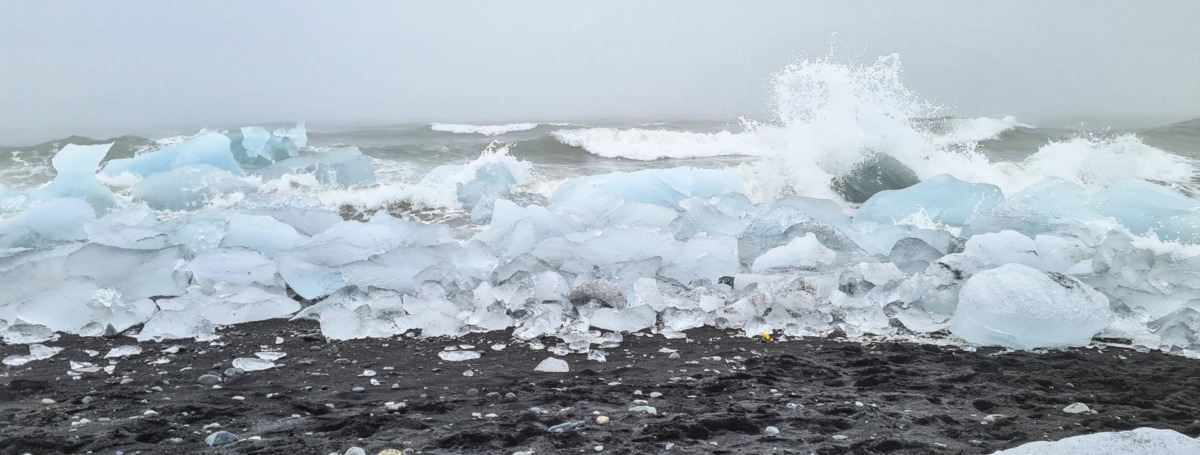
Diamond Beach
Located across the road from Jökulsárlón Glacier Lagoon. Icebergs wash onto the black sand, creating a stunning contrast that looks like scattered diamonds.
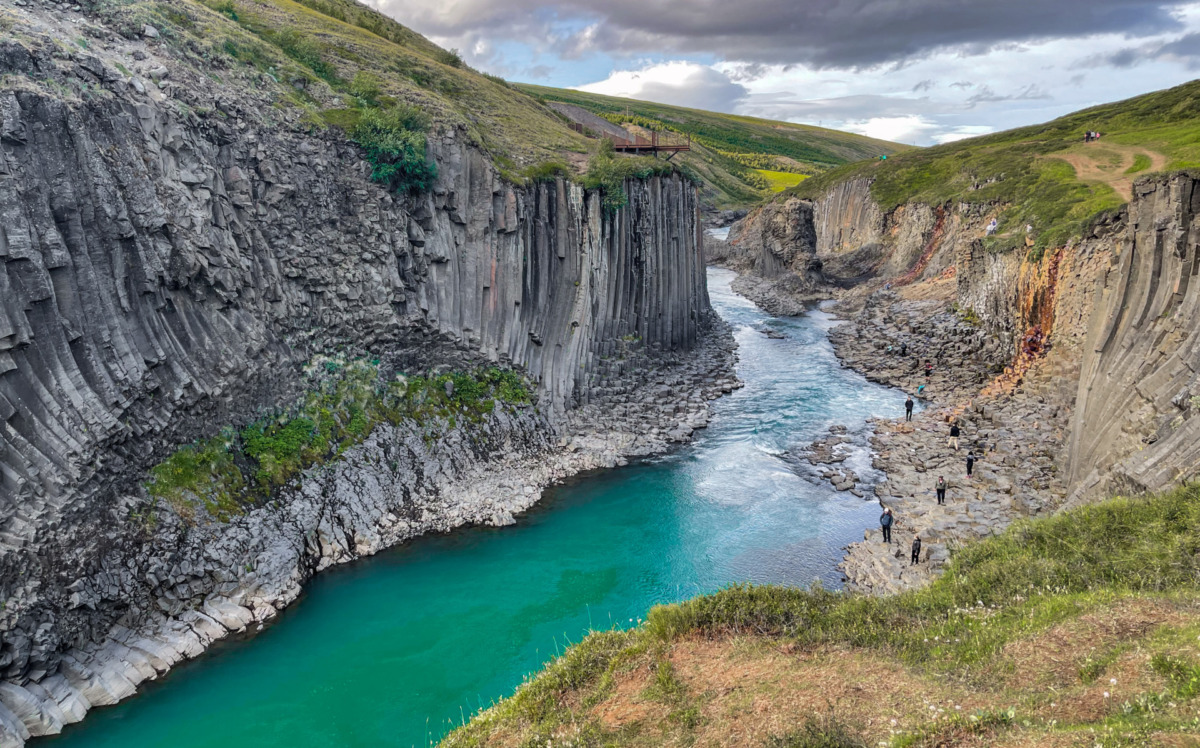
Stuðlagil Canyon
A spectacular canyon famous for its basalt columns and blue-green river. It has become one of Iceland’s most photographed locations in recent years.
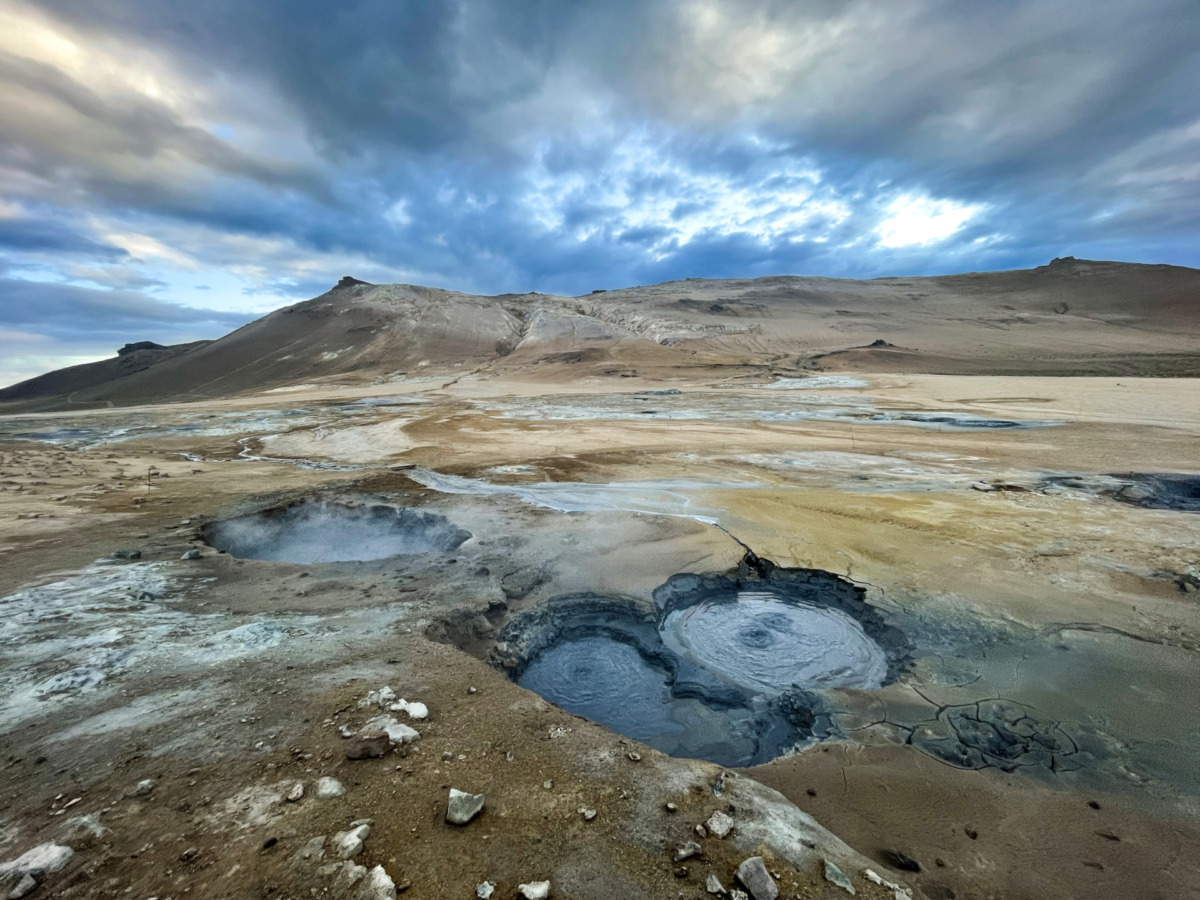
Hverir
A geothermal area filled with steaming vents and bubbling mud pools. The colorful landscape feels more like another planet than Iceland.
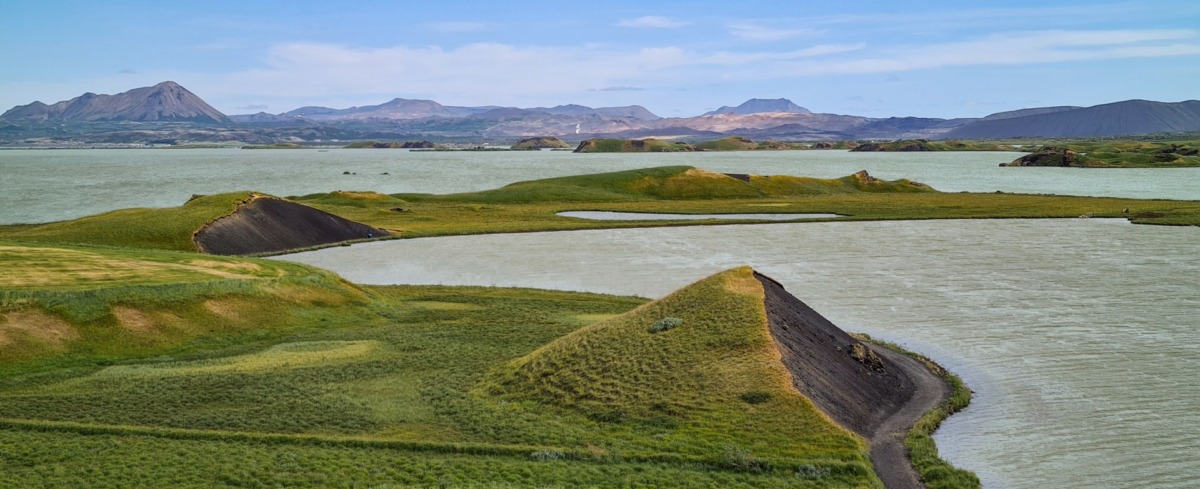
Lake Mývatn
One of the most diverse natural regions in Iceland. The area is known for its volcanic landscapes, geothermal activity, and birdlife.
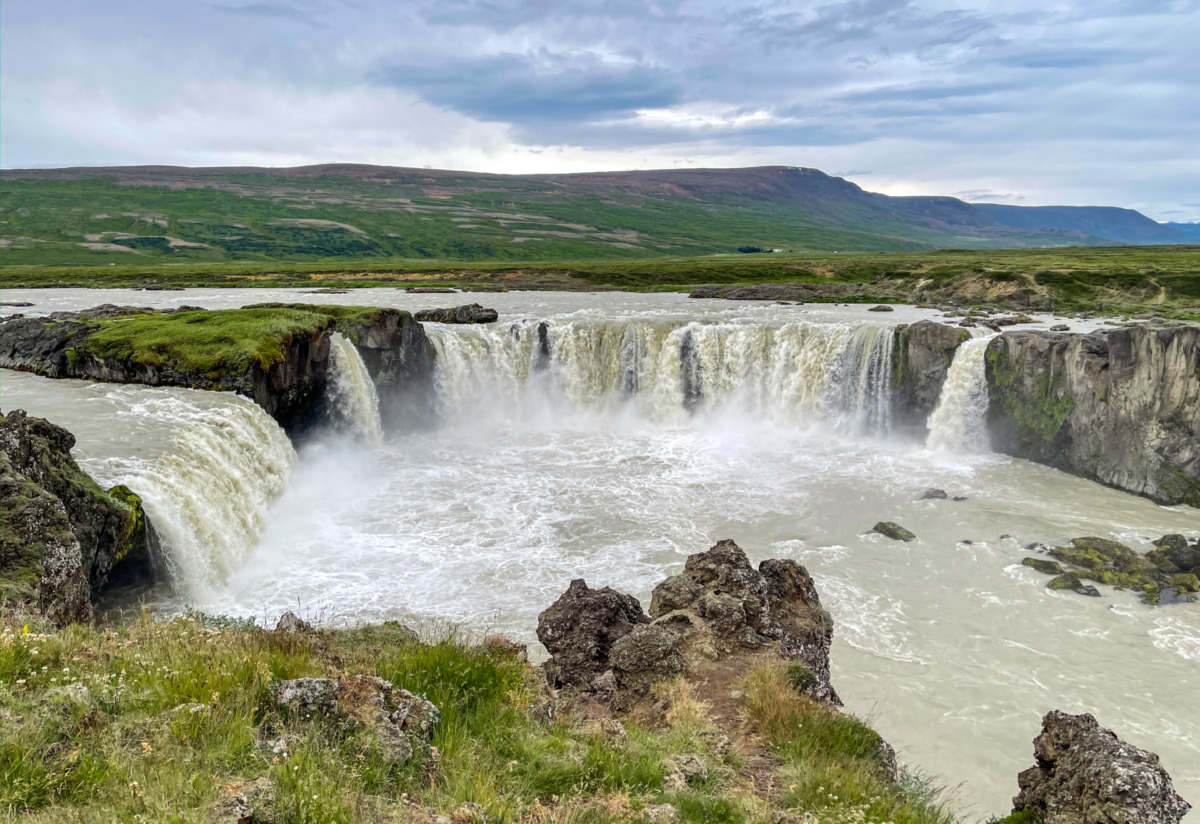
Goðafoss
A wide and powerful waterfall in North Iceland. It’s one of the country’s most beautiful waterfalls and very easy to visit.
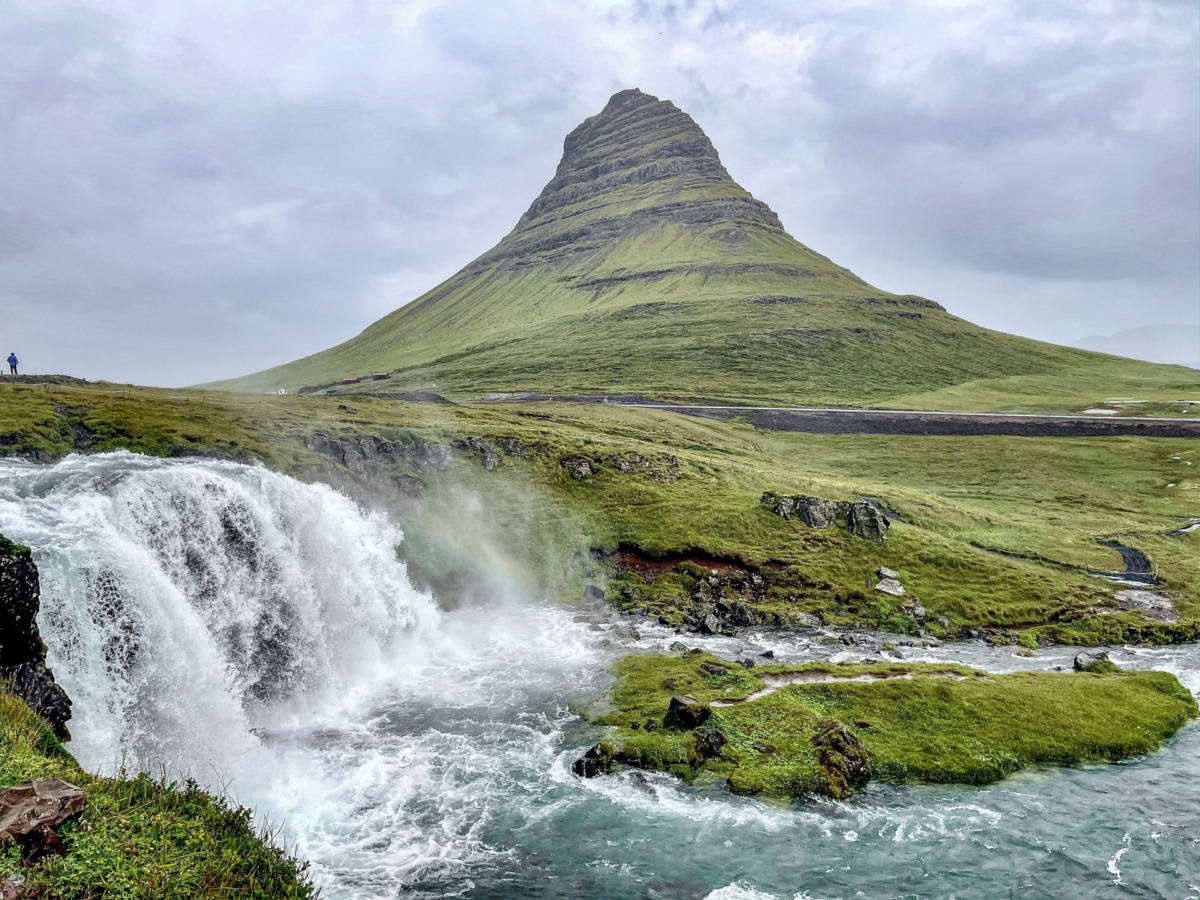
Kirkjufell and Kirkjufellsfoss
One of the most photographed landmarks in Iceland. The distinctive mountain and nearby waterfall create an unforgettable view.
These are my favorite places to visit in Iceland and the attractions I would prioritize on an Iceland road trip.
Now let’s look at some Iceland itinerary ideas to help you plan your trip.
How many days do you need in Iceland?
In my opinion, 7 to 10 days is the ideal amount of time for a first trip to Iceland.
With 4 or 5 days, you can visit Reykjavík, the Golden Circle, and some of the highlights along the South Coast. However, if you want to drive the Ring Road and see the country’s best attractions, I recommend spending at least 7 days in Iceland.
If you have 10 days or more, you’ll have a much more relaxed experience and enough time to explore places like East Iceland, North Iceland, and even the Highlands.
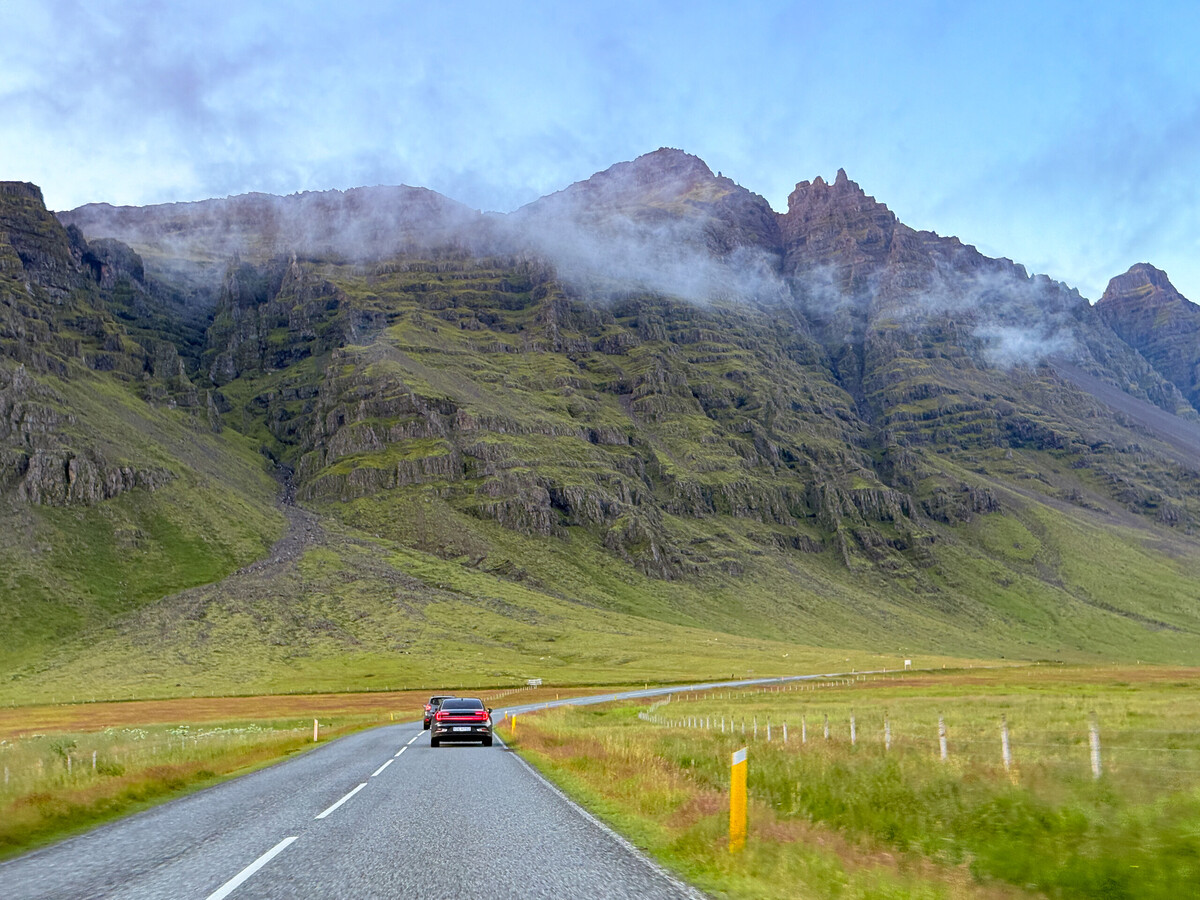
Iceland’s famous Ring Road follows Route 1, the country’s main road that circles the island. It’s the most popular road trip route in Iceland and takes you to many of the country’s top attractions.
If you have at least one week in Iceland, I highly recommend checking out my Ring Road itinerary. It covers many of Iceland’s most famous sights and helps you make the most of your trip.
Below, I’ll show you a few itinerary ideas to help you plan your trip.
Iceland itinerary ideas
4-day Iceland itinerary
- Day 1: Reykjavík, Blue Lagoon or Sky Lagoon
- Day 2: Golden Circle (Thingvellir, Geysir, Gullfoss, Kerið)
- Day 3: South Coast (Seljalandsfoss, Skógafoss, Dyrhólaey, Reynisfjara, Vík)
- Day 4: Jökulsárlón Glacier Lagoon, Diamond Beach, return towards Reykjavík
This itinerary focuses on Iceland’s most famous attractions and is perfect if you’re visiting for the first time.
7-day Iceland itinerary
- Day 1: Reykjavík and Reykjanes Peninsula
- Day 2: Golden Circle
- Day 3: South Coast and Vík
- Day 4: Jökulsárlón, Diamond Beach, East Iceland
- Day 5: Stuðlagil Canyon and East Iceland
- Day 6: Lake Mývatn, Hverir, Goðafoss
- Day 7: Snæfellsnes Peninsula and Kirkjufell
This is the minimum itinerary I recommend for driving the Ring Road and seeing the best of Iceland.
10-day Iceland itinerary
- Day 1: Reykjavík
- Day 2: Golden Circle
- Day 3: Landmannalaugar or Highlands
- Day 4: South Coast and Vík
- Day 5: Glacier lagoons and Southeast Iceland
- Day 6: East Iceland and Stuðlagil Canyon
- Day 7: Lake Mývatn and North Iceland
- Day 8: North Iceland and West Iceland
- Day 9: Snæfellsnes Peninsula
- Day 10: Blue Lagoon, Sky Lagoon, or Reykjanes Peninsula
In my opinion, 10 days is the perfect amount of time for Iceland. It allows you to drive the Ring Road at a more relaxed pace and include some of the country’s less-visited highlights.
Where to stay in Iceland
If you’re only staying in Reykjavík, these are the hotels I recommend:
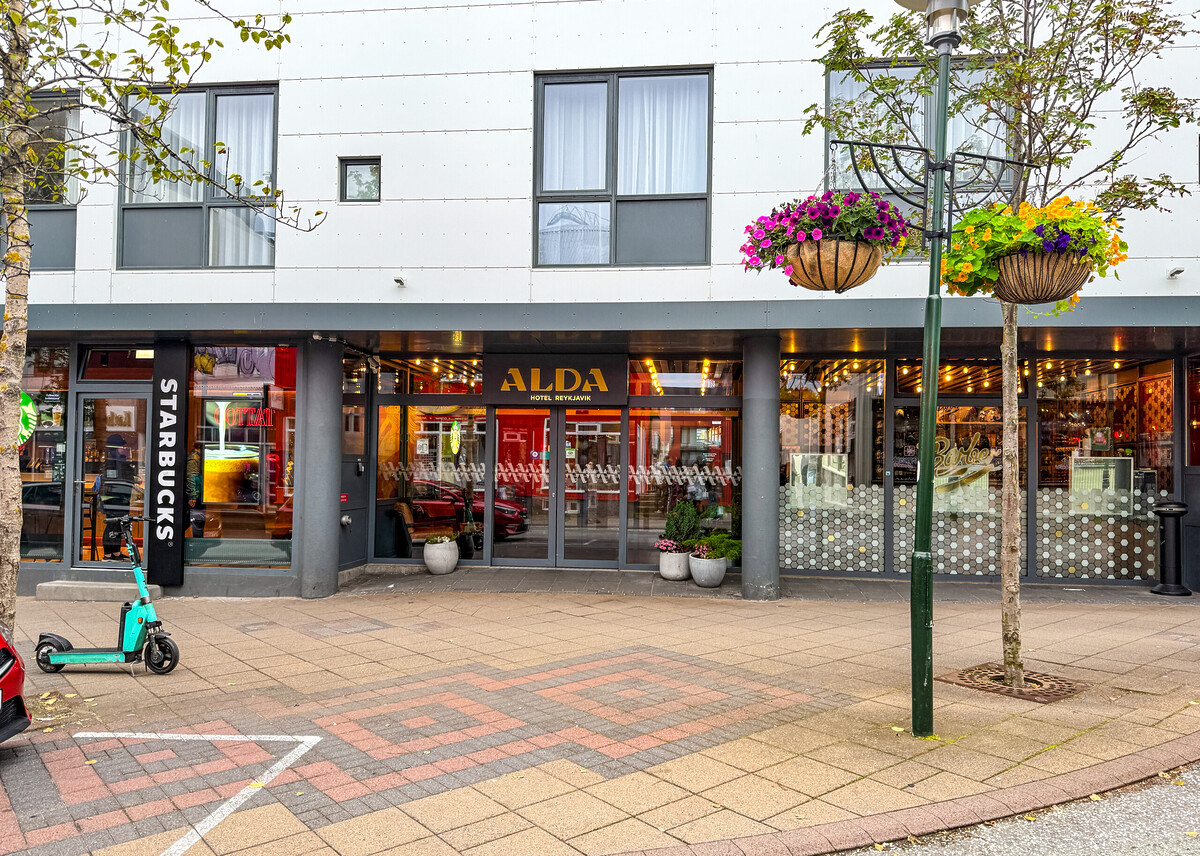
- Alda Hotel Reykjavík: A modern, four-star hotel right in the downtown area. It’s in a great location and has a really nice restaurant
- Lundur Apartments: A comfortable apartment option in a central part of Reykjavík, though a bit farther from the main attractions. I recommend it especially if you want your own kitchen and washing machine during your stay.
- Hotel Kriunes: This one has a more traditional style and is located on the edge of the city, by a lake. It offers free parking and is a good value for the price.
If you’re planning a road trip around Iceland, it’s most practical to stay in different places along the way.
Here are the accommodations I recommend for an Iceland Ring Road itinerary:
- Lighthouse-Inn: An affordable, modern guesthouse located near the airport.
- Midgard Base Camp: Budget-friendly hostel along Highway 1 in Hvolsvöllur, with Seljalandsfoss just a short drive away.
- Hótel Kría: A stylish three-star hotel in Vík. While slightly pricey, it’s a great choice.
- Landbrot Guesthouse: A cozy guesthouse in southeastern Iceland.
- REY Stays – Small & Cozy Studio: Studios near Höfn.
- Lagarfell Studios: Studio apartments in Egilsstadir, with good reviews.
- Mývatn – Berjaya Iceland Hotels: A stylish three-star hotel near Lake Myvatn.
- Dalahyttur: Practical studios in the countryside near the Snaefellsnes Peninsula, somewhat hard to reach but highly rated.
Best time to visit Iceland
The best time to visit Iceland depends on what you want to do, but for most travelers, I think summer is the best choice.
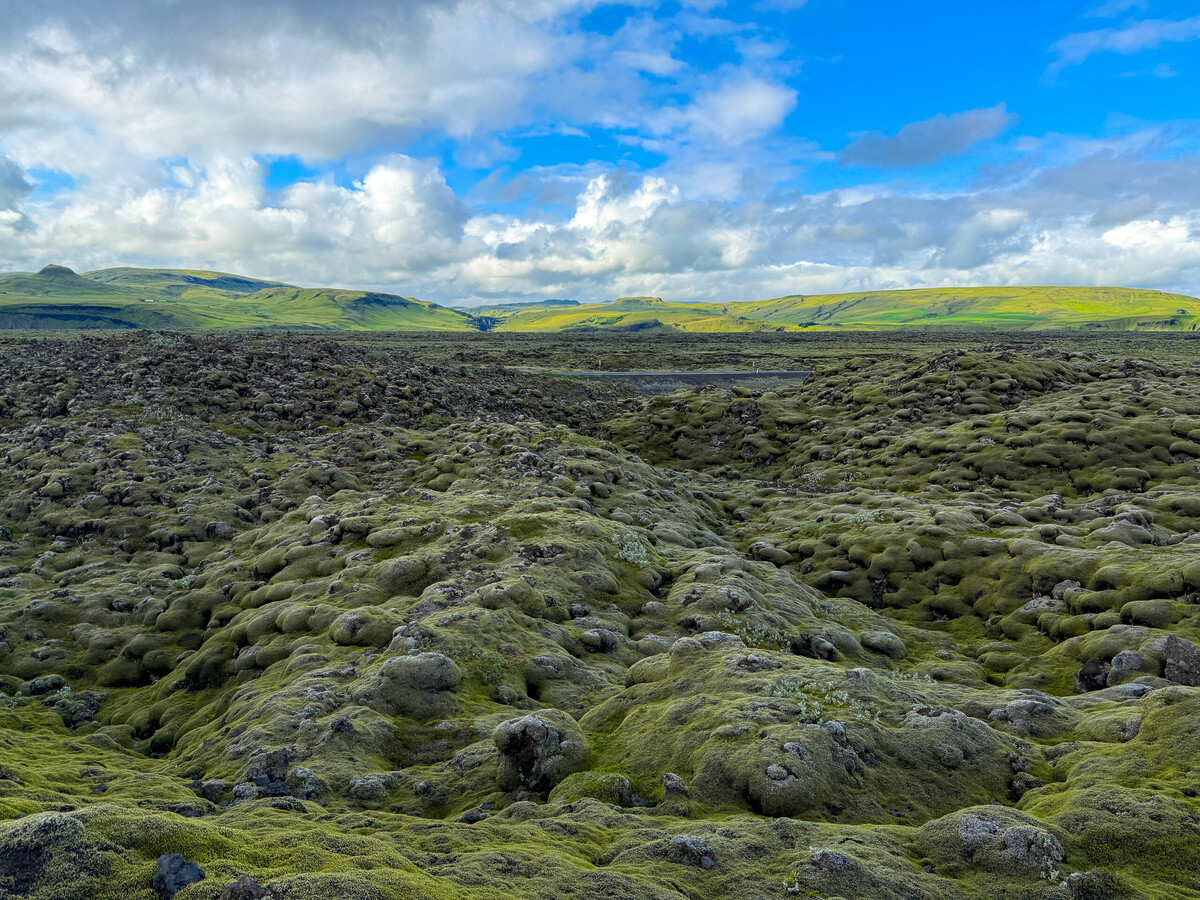
From June to August, the days are extremely long, road conditions are generally good, and almost all attractions are accessible. This is also the only time of year when you can easily explore Iceland’s remote Highlands, which are usually open from around June to September.
If you enjoy hiking, nature, photography, and road trips, summer offers the best overall experience.
Winter can also be a great time to visit, especially if seeing the Northern Lights is high on your bucket list. However, winter travel requires much more planning, as weather conditions can change quickly and road closures are common.
Early autumn is another excellent option. You’ll still have access to most attractions while also having a chance to see the Northern Lights as the nights become darker.
Weather in Iceland
I’ve visited Iceland several times, and I’ve never had a trip where the weather didn’t change multiple times in a single day.
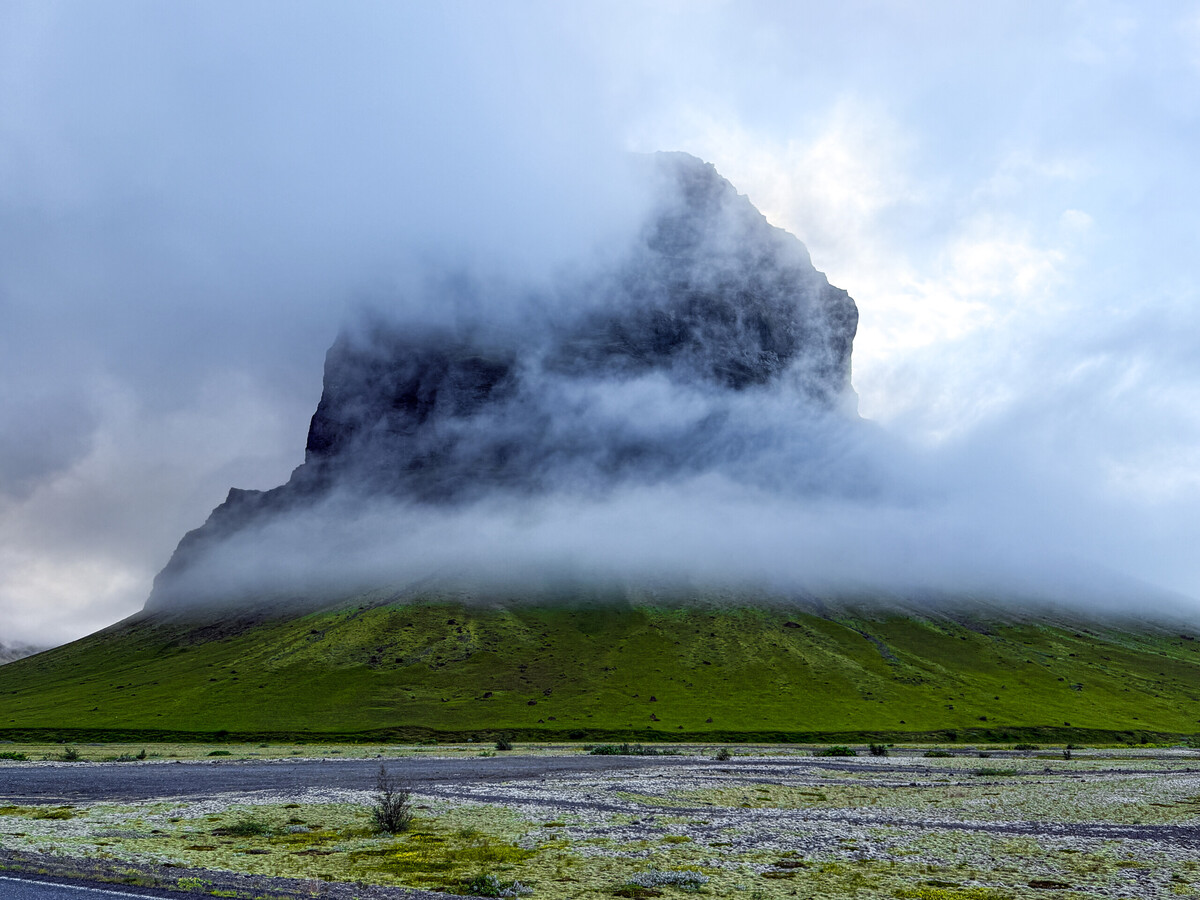
One of the most important things to know before visiting Iceland is that the weather can be extremely unpredictable throughout the year.
Even during summer, it’s common to experience sunshine, rain, strong winds, and cloudy skies all within the same day. That’s why I always recommend packing waterproof clothing, no matter when you visit.
Summer temperatures are usually mild, with daytime highs often ranging between 10°C and 15°C (50–59°F). While that may sound cool, the long daylight hours make summer the most comfortable season for exploring Iceland.
Winter is much colder, darker, and windier. Snowstorms are common, road conditions can change quickly, and some areas may become inaccessible due to the weather.
My advice: always prepare for worse weather than you expect. Even when the forecast looks promising, Iceland has a habit of changing its mind very quickly.

What should you pack for Iceland?
Packing for Iceland can be tricky because the weather changes so quickly.
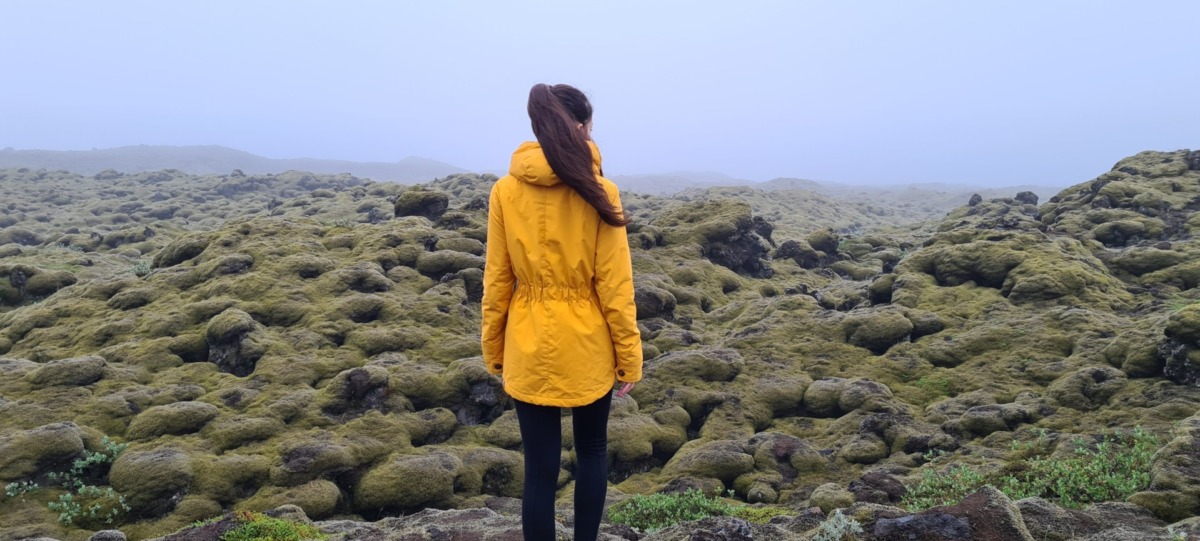
No matter when you visit, I recommend bringing waterproof clothing and dressing in layers. Even in summer, temperatures can range from around 5°C to 20°C (41–68°F), and rain and strong winds are common.
A waterproof jacket is one of the most important things to pack, and good hiking shoes are essential. Even if you don’t plan any serious hikes, you’ll likely spend a lot of time walking on uneven, wet, or muddy surfaces while exploring waterfalls, viewpoints, and natural attractions.
One lesson I’ve learned from my trips to Iceland is to bring more than one pair of hiking shoes if possible. I’ve had water get into my boots before, and drying them properly can be surprisingly difficult in Iceland’s cool and often wet conditions.
If you’re planning longer hikes, a comfortable backpack and hiking poles can also be useful.
And don’t forget your swimsuit. Iceland is famous for its geothermal lagoons, hot springs, and public baths, and relaxing in warm water surrounded by dramatic landscapes is one of the best experiences the country has to offer.
Infrastructure in Iceland
One thing that often surprises first-time visitors is how remote much of Iceland feels.
Outside Reykjavík and a few larger towns, villages are small and services can be limited. Gas stations, supermarkets, restaurants, and accommodations can sometimes be far apart, especially in more remote regions of the country.
Because of this, I always recommend planning ahead. Don’t leave fuel, food, or accommodation bookings until the last minute, particularly if you’re traveling outside the most popular areas.
Mobile coverage has improved significantly in recent years, but there are still places where you may lose signal or have limited internet access. I always download offline maps before every Iceland trip, just in case.
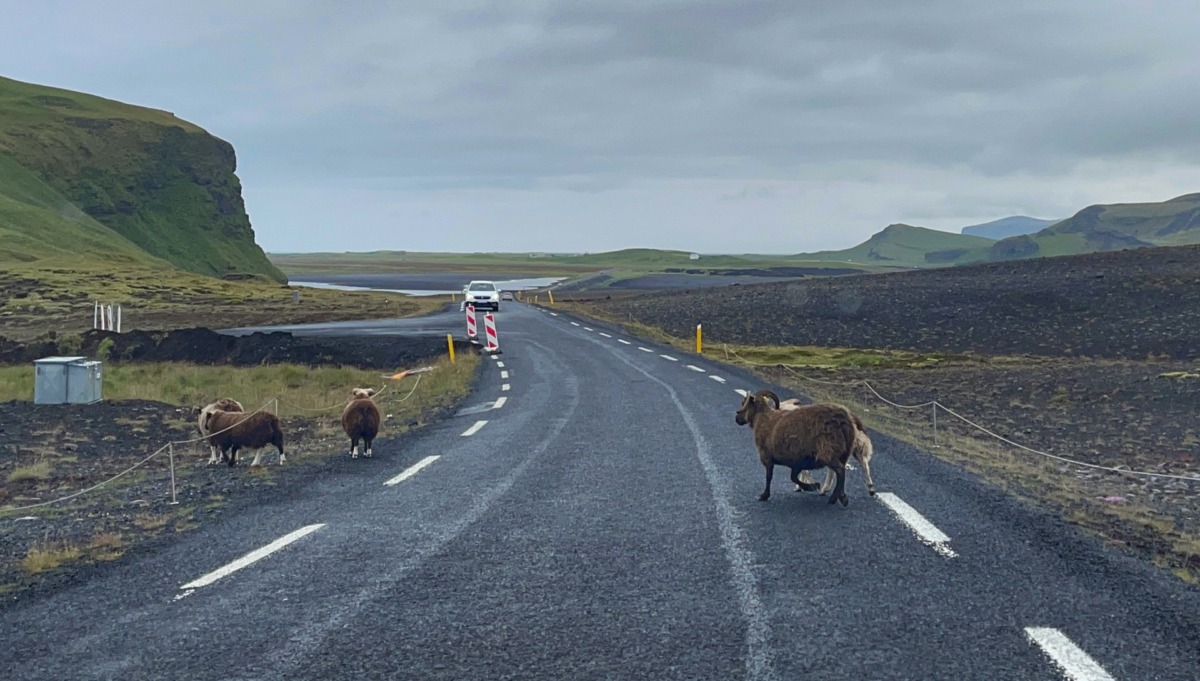
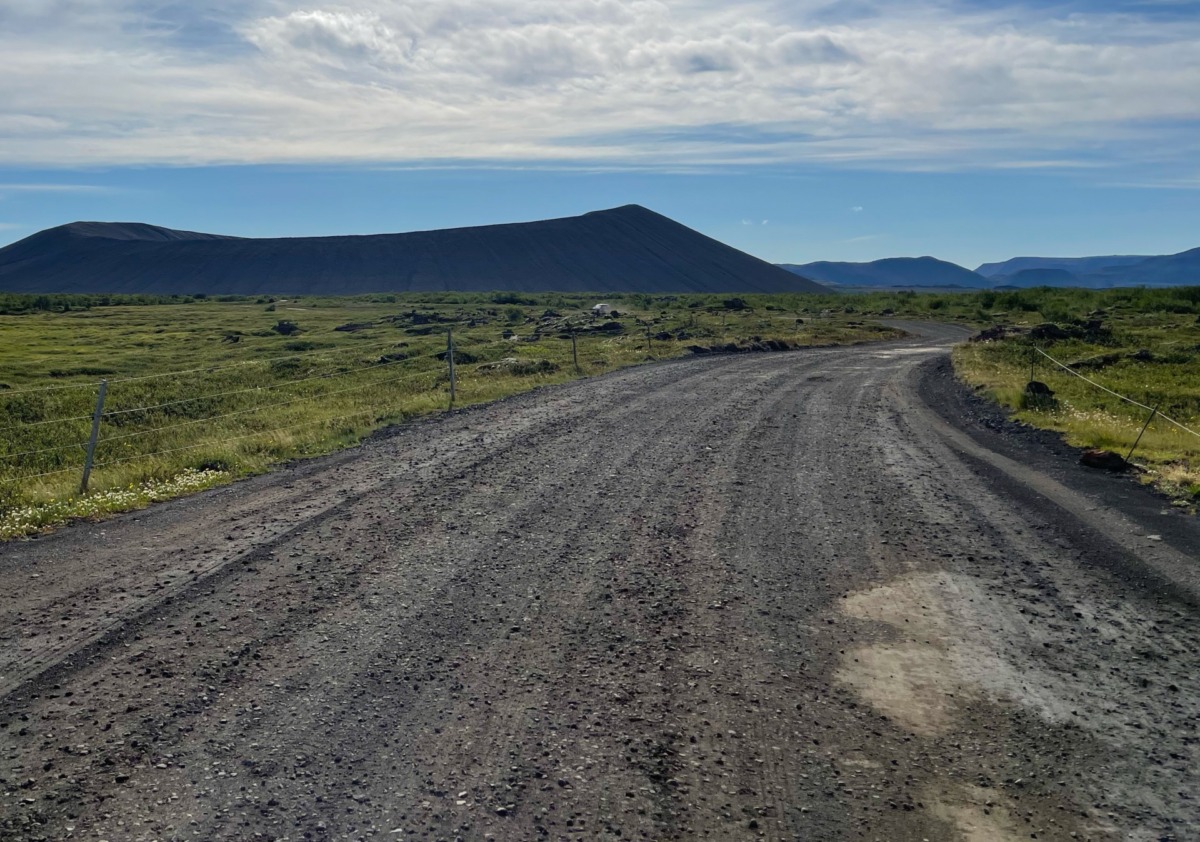
Road conditions can also be very different from what many travelers are used to. Outside the main routes, you’ll often encounter narrow roads, gravel roads, and weather-related challenges that require slower and more careful driving.
Eating in Iceland
Icelandic food is much better than many travelers expect. Seafood is a major part of the local cuisine, and some of the best fish dishes I’ve ever had were in Iceland.
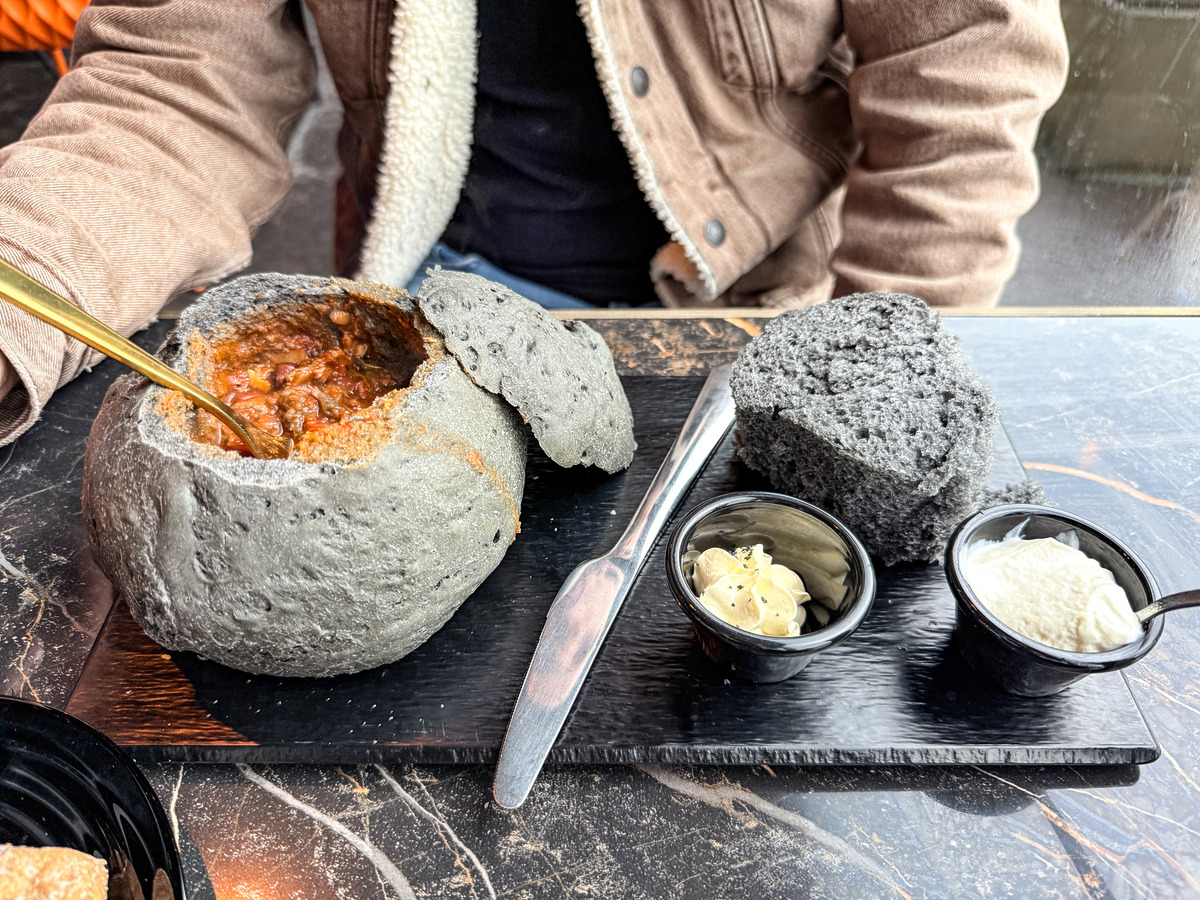
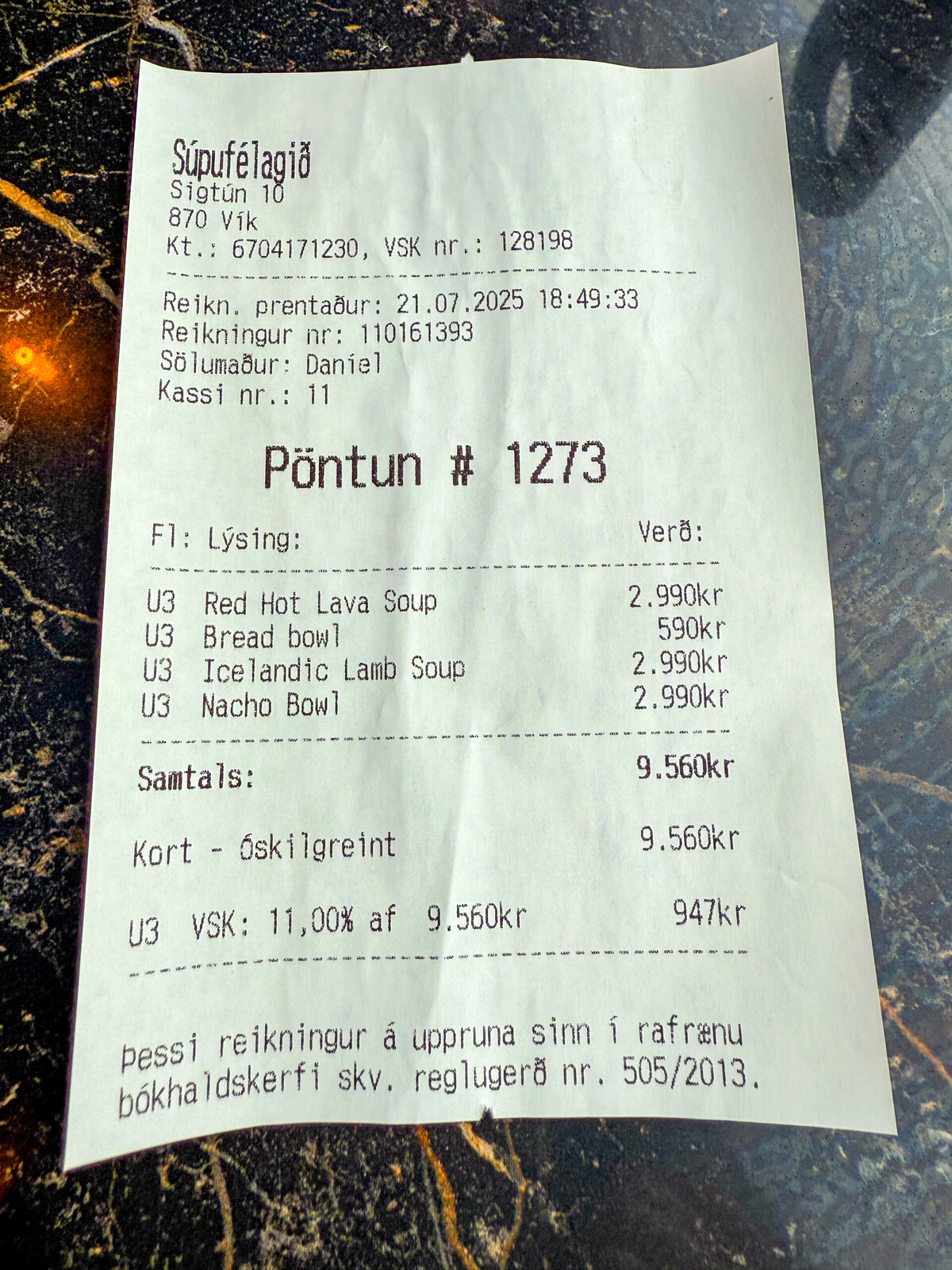
Another must-try dish is lamb soup, a traditional Icelandic favorite that is perfect after a cold day of exploring.
You should also try skyr, a thick dairy product similar to yogurt that is popular throughout the country.
More adventurous travelers can sample specialties such as fermented shark or sheep’s head, while those looking for familiar options will find pizza, burgers, and other international dishes almost everywhere.
One thing to keep in mind is that food in Iceland is expensive, especially in restaurants.
Gluten-free food in Iceland
As someone who has followed a gluten-free diet for nearly 20 years, I found Iceland more challenging than many other destinations.
My main recommendation is to use supermarkets such as Krónan and Nettó, where I regularly found gluten-free food.
For restaurants, I had good experiences at Brass Kitchen & Bar, Rossopomodoro, and Reykjavík Chips in Reykjavík. I also found gluten-free options at the Blue Lagoon café, Geysir Glíma Restaurant near Strokkur, The Soup Company in Vík, and Frost Restaurant near Fjallsárlón.
Northern Iceland was much more difficult, and I often relied on supermarkets there.

How to get around Iceland
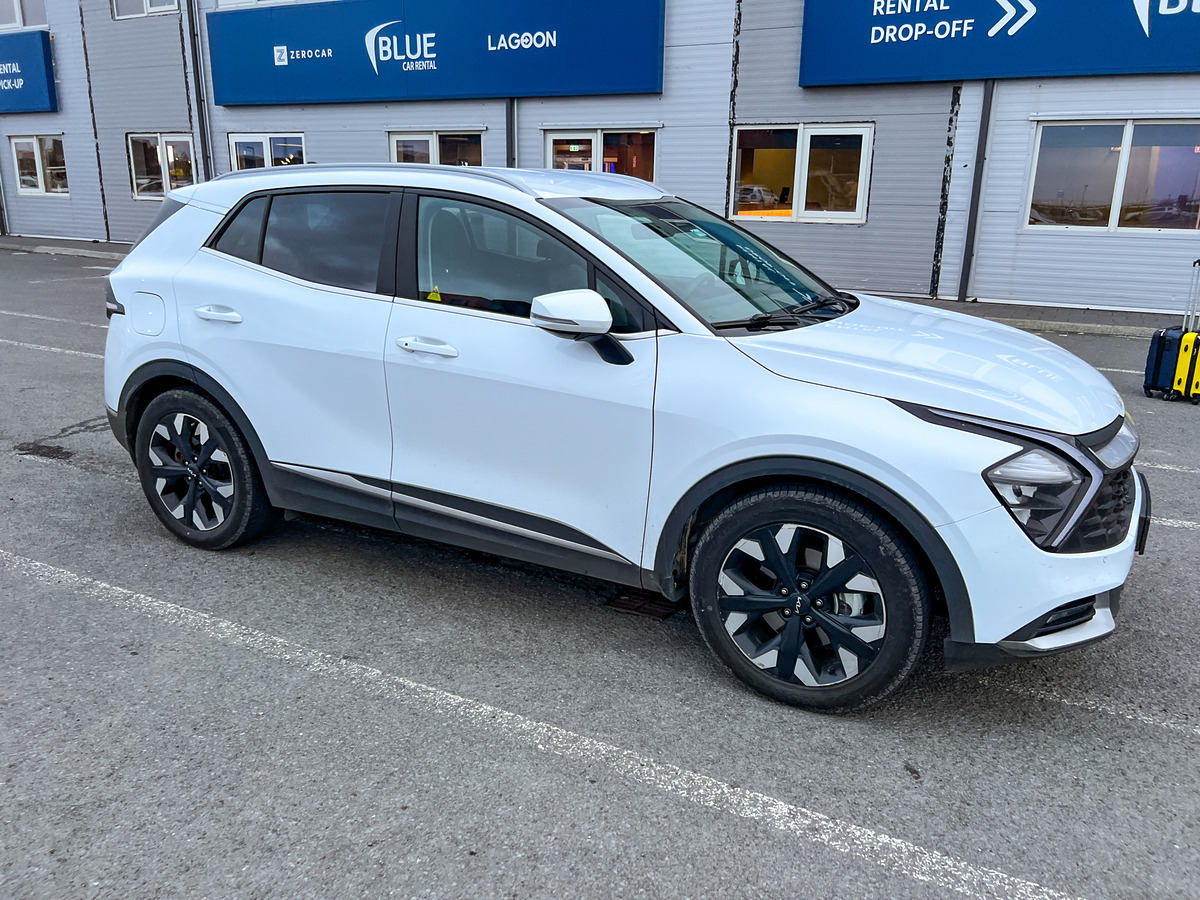
In my opinion, renting a car is by far the best way to explore Iceland.
Most of Iceland’s most beautiful attractions are spread across the country, and having your own vehicle gives you the flexibility to travel at your own pace. Since my first trip, I’ve explored Iceland almost exclusively by car, and I wouldn’t do it any other way.
If you’re planning to stay on the Ring Road and visit the main attractions, a regular rental car is usually enough during summer. However, if you want to explore the Highlands, you’ll need a proper 4×4 vehicle, as many mountain roads are only accessible to specially equipped vehicles.
I also highly recommend purchasing extra insurance. Gravel damage, cracked windshields, and tire problems are much more common in Iceland than in many other European countries.
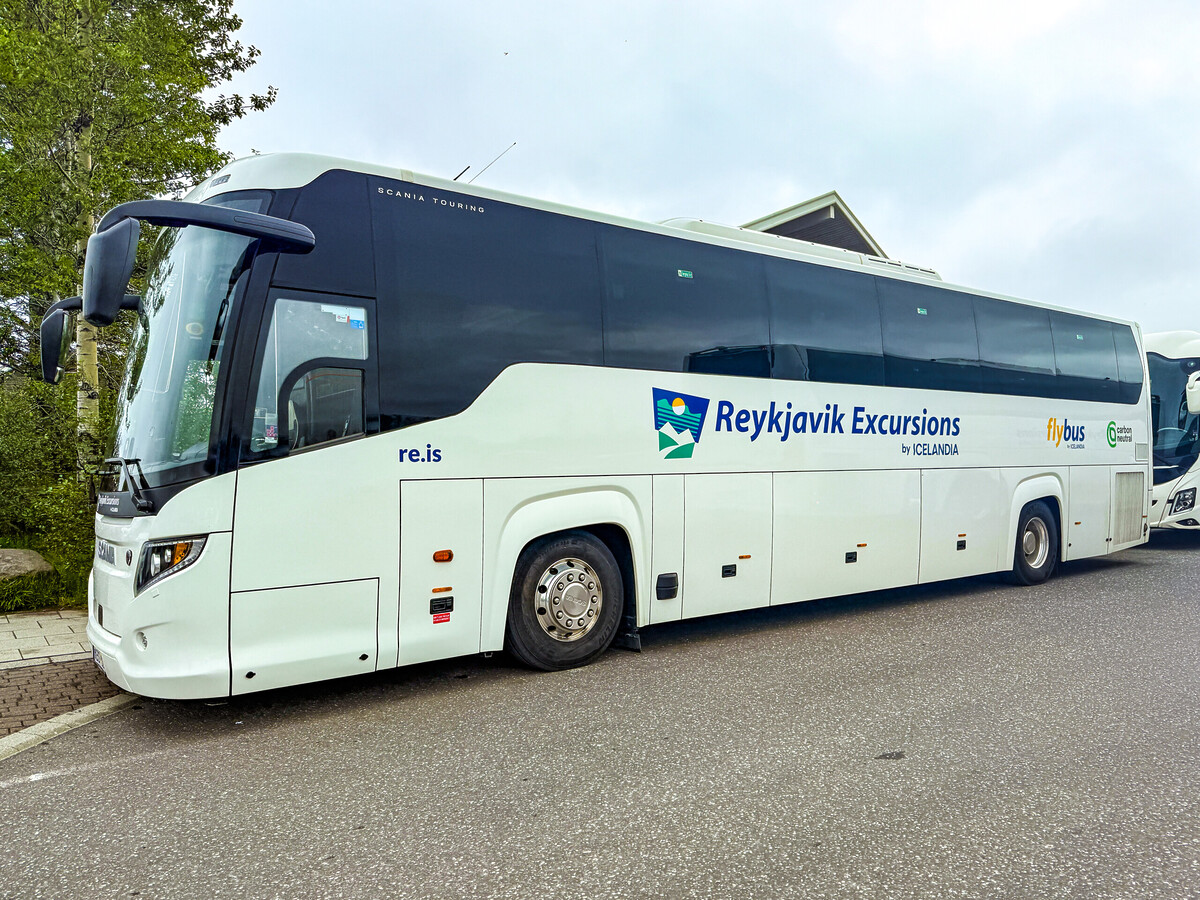
Guided tours are a good alternative if you don’t want to drive. Most major attractions can be visited on organized day trips from Reykjavík.
Public transportation exists, but I wouldn’t recommend relying on it for sightseeing. Bus connections are limited, travel times are long, and reaching many of Iceland’s most famous natural attractions can be difficult without a car.
Is Iceland safe for tourists?
Yes, Iceland is one of the safest countries in the world and one of the cleanest places I’ve ever visited.
Crime is extremely rare, and I’ve always felt completely safe traveling around the country, including in Reykjavík and smaller towns.
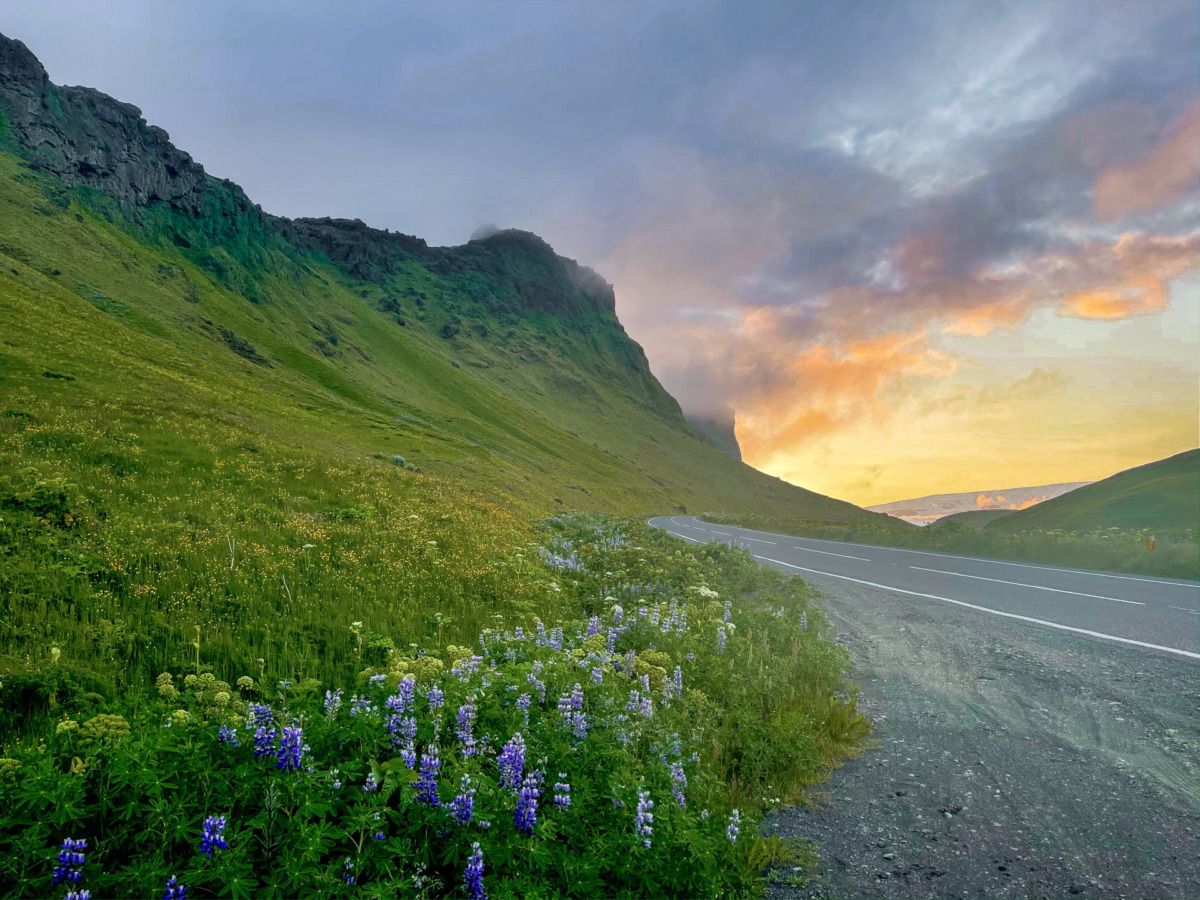
The biggest risks in Iceland come from nature rather than other people. Heavy rain, strong winds, fog, gravel roads, river crossings, and mountain roads can all create challenging conditions, especially in remote areas and the Highlands.
As long as you respect the weather, road conditions, and local warnings, Iceland is a very safe destination for tourists.
Practical tips for visiting Iceland
- Respect nature and warning signs. Iceland’s landscapes can be beautiful, but also dangerous. Strong waves, cliffs, rivers, and rapidly changing weather should never be underestimated.
- Plan ahead when driving. Gas stations, restaurants, and supermarkets can be far apart, especially in remote areas.
- Download offline maps before your trip. Mobile coverage has improved over the years, but there are still areas with limited signal.
- Wild camping is heavily restricted in Iceland. Use official campsites or book accommodation instead.
- Don’t expect perfect drone conditions. Iceland is often windy, rainy, or both, and drones are prohibited in many popular locations.
- If you take regular medication, bring enough for your entire trip. Services can be limited outside larger towns.
- Travelers with special dietary requirements should plan ahead, especially outside Reykjavík.
- If you plan to visit the Highlands, rent a proper 4×4 vehicle and consider additional insurance. Highland roads are only open for a few months each year and can include river crossings, rough terrain, and rapidly changing conditions.
- Always check weather and road conditions before setting out.
Travel costs in Iceland
Iceland is one of the most expensive countries I’ve ever visited.
You’ll notice the high prices almost everywhere, from hotels and car rentals to restaurants, groceries, and fuel. The biggest expenses are usually accommodation and transportation.
During summer, it’s often difficult to find a decent hotel room for two people for less than €200 per night. In most cases, you can expect to pay somewhere between €200 and €400 per night for a standard hotel room.
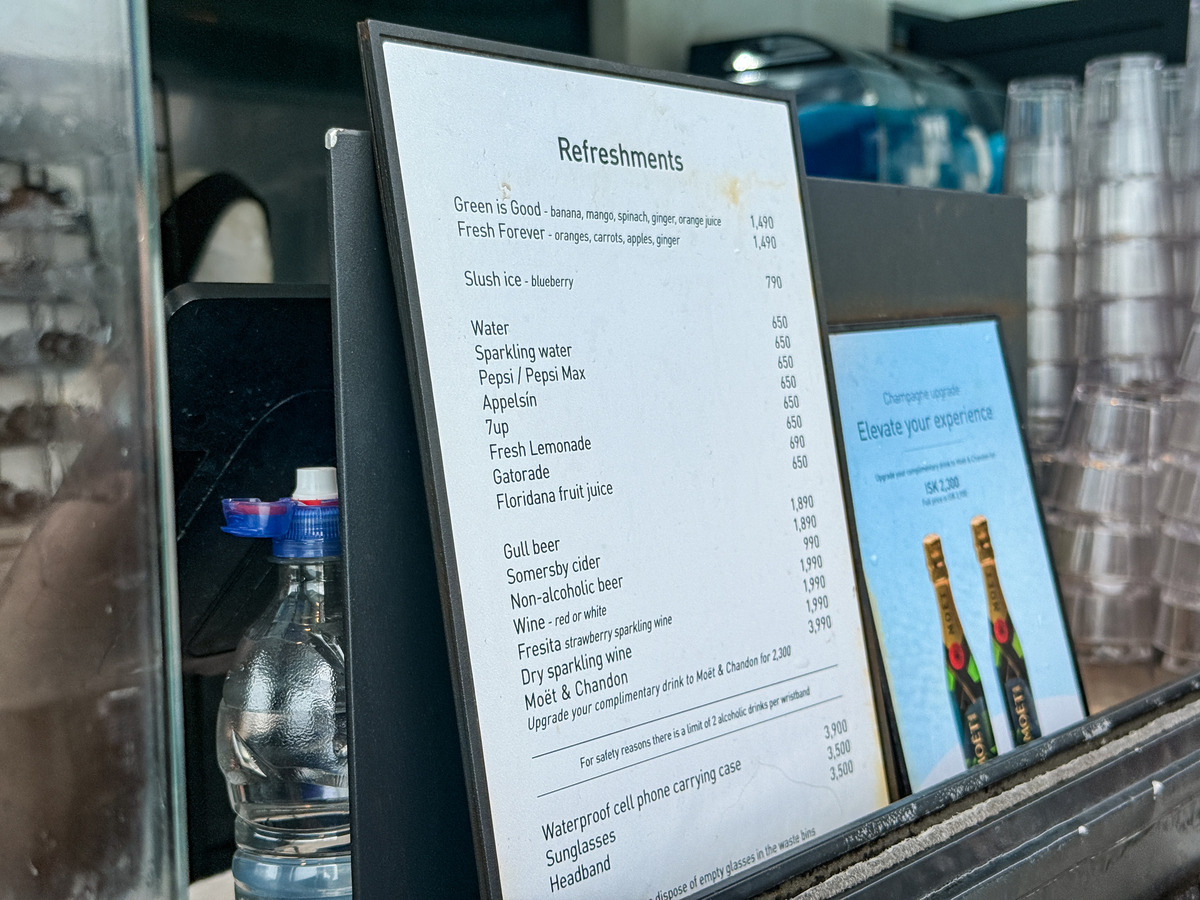
Car rental is another major expense, especially if you need a 4×4 vehicle for exploring more remote areas. Food can also be expensive, with a typical restaurant meal for two often costing €70–100 or more.
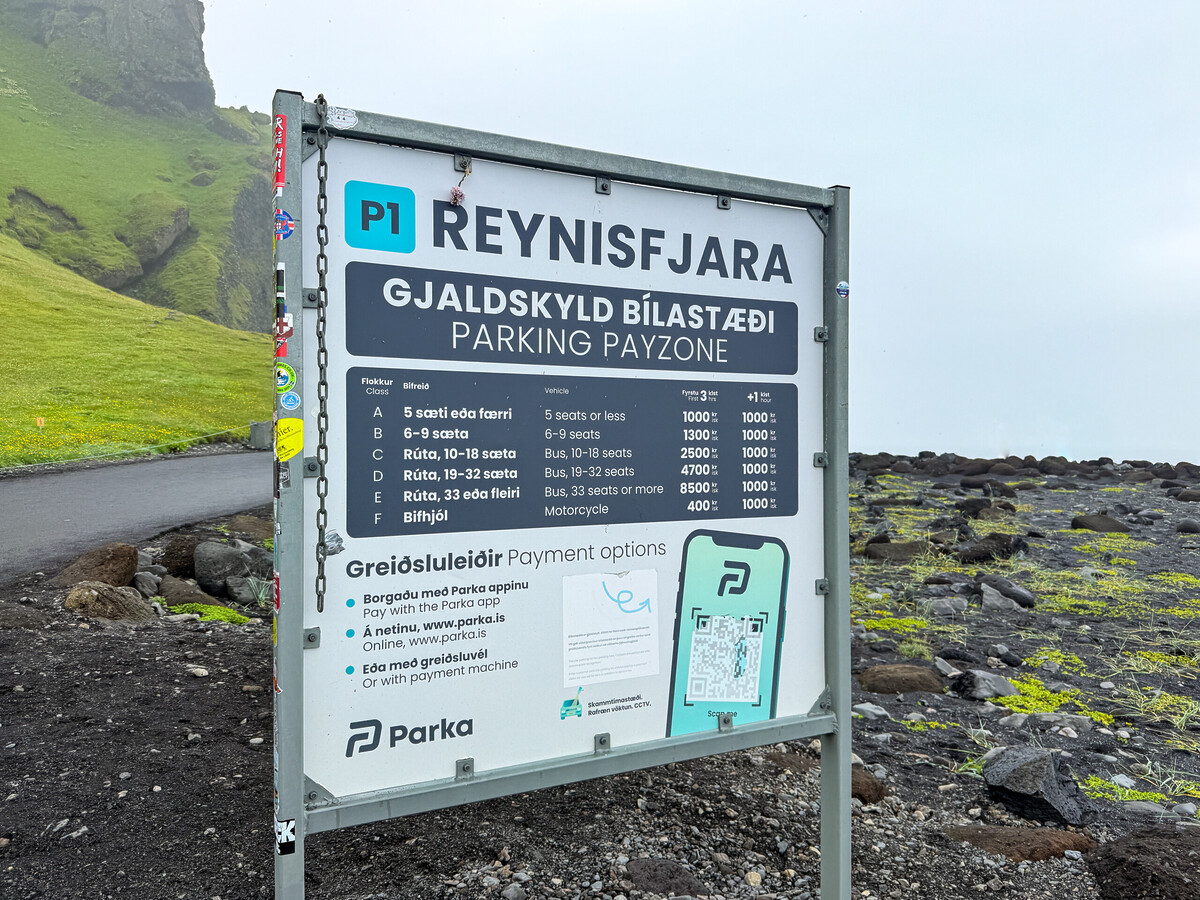
Most of Iceland’s natural attractions are still free to visit, but paid parking has become very common in recent years. Parking fees can add up quickly, and many parking lots are monitored by cameras, so always make sure to pay.
From my experience, a realistic daily budget for two people is around €300–700 per day, depending on your travel style, accommodation choices, and activities.
While it’s possible to save money by staying in guesthouses, shopping at supermarkets, or traveling outside peak season, Iceland is definitely not a budget destination.
Iceland travel guide: Final thoughts
I hope this Iceland travel guide helped answer your biggest questions and made planning your trip a little easier.
I tried to cover the most important things to know before visiting Iceland, including the best places to visit, itinerary ideas, transportation, costs, safety, and what to realistically expect from the country.
Iceland isn’t the easiest or cheapest destination to visit. The weather can be unpredictable, distances are often longer than they appear on the map, and travel costs can add up quickly.
But in return, you’ll get to experience some of the most extraordinary landscapes on Earth. From powerful waterfalls and active geothermal areas to glacier lagoons, volcanoes, and black sand beaches, few places have impressed me as much as Iceland.
And if Iceland has been on your bucket list for a while, my advice is simple: go for it. Book your stays, pack your waterproof jacket, rent a car, prepare for changing weather, and enjoy one of the most unique destinations in the world.

Hi! I’m Adri, the creator of Traveltipzone.com and Italianwanderlust.com.
I’ve explored over 30 countries so far and travel to around 15 each year — some new places and others I love returning to. I’m especially passionate about Southern Europe, particularly Italy, and the United Arab Emirates.
Follow my journeys for firsthand travel tips and inspiration!