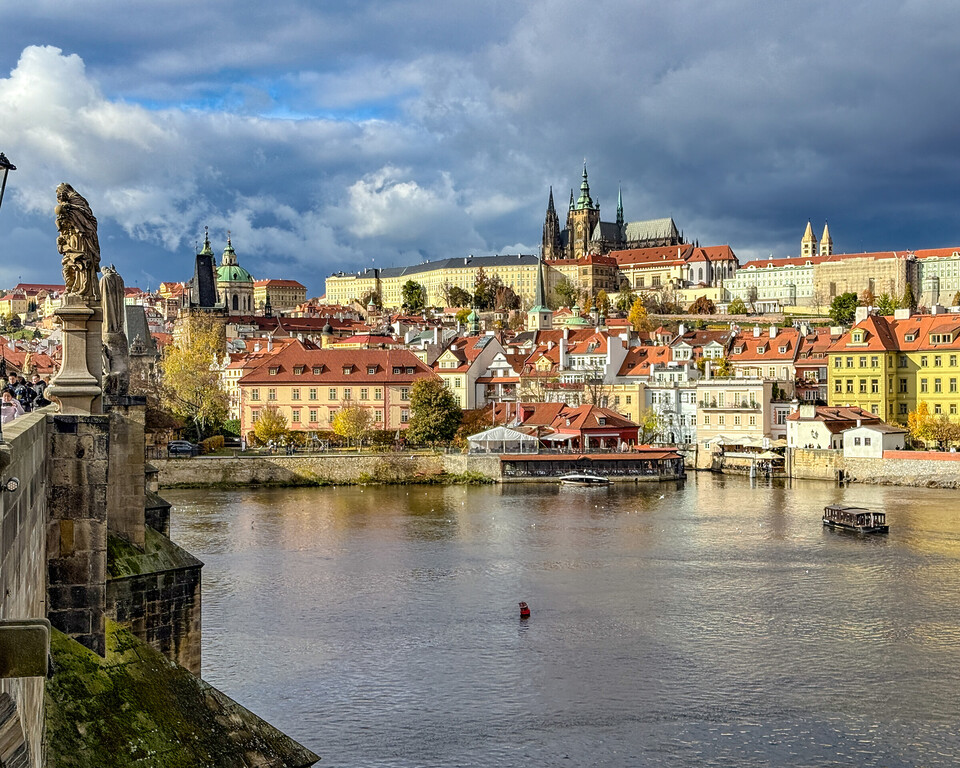

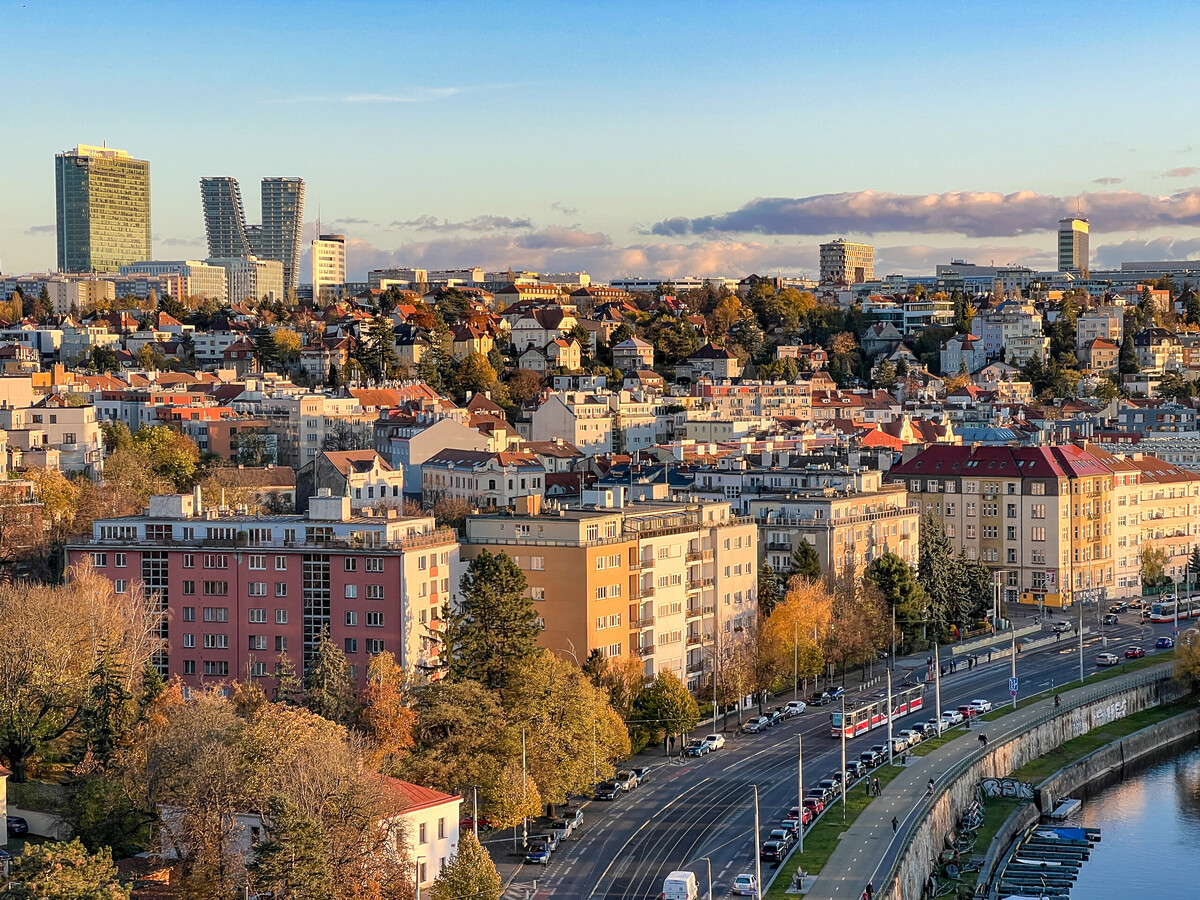
Prague is one of the most beautiful and most visited cities in Central Europe. With its historic old town, famous bridges, castles, and river views, it’s easy to see why so many people fall in love with it.
But planning a Prague trip is not always simple. The city is compact, yet it’s packed with sights, so many travelers ask the same questions: How many days should I spend in Prague? Is 2 days enough? Do I need 3 days or more? And how does Prague fit into a longer Europe trip?
I’ve visited Prague many times, and with my 10+ years of travel experience, I’ll help you make a realistic decision. In this guide, you’ll learn what you can actually see in 1, 2, or 3 days, and which option makes the most sense for your travel style and pace.

Ready to travel to Prague?
Here are my quick tips on what to book for your trip:
Best places to stay in Prague:
Best things to do in Prague:
This is not a strict day-by-day itinerary. It’s a decision guide to help you choose the right length for your stay, whether Prague is your main destination or just one stop on a Prague–Vienna–Budapest itinerary or a longer Europe trip.
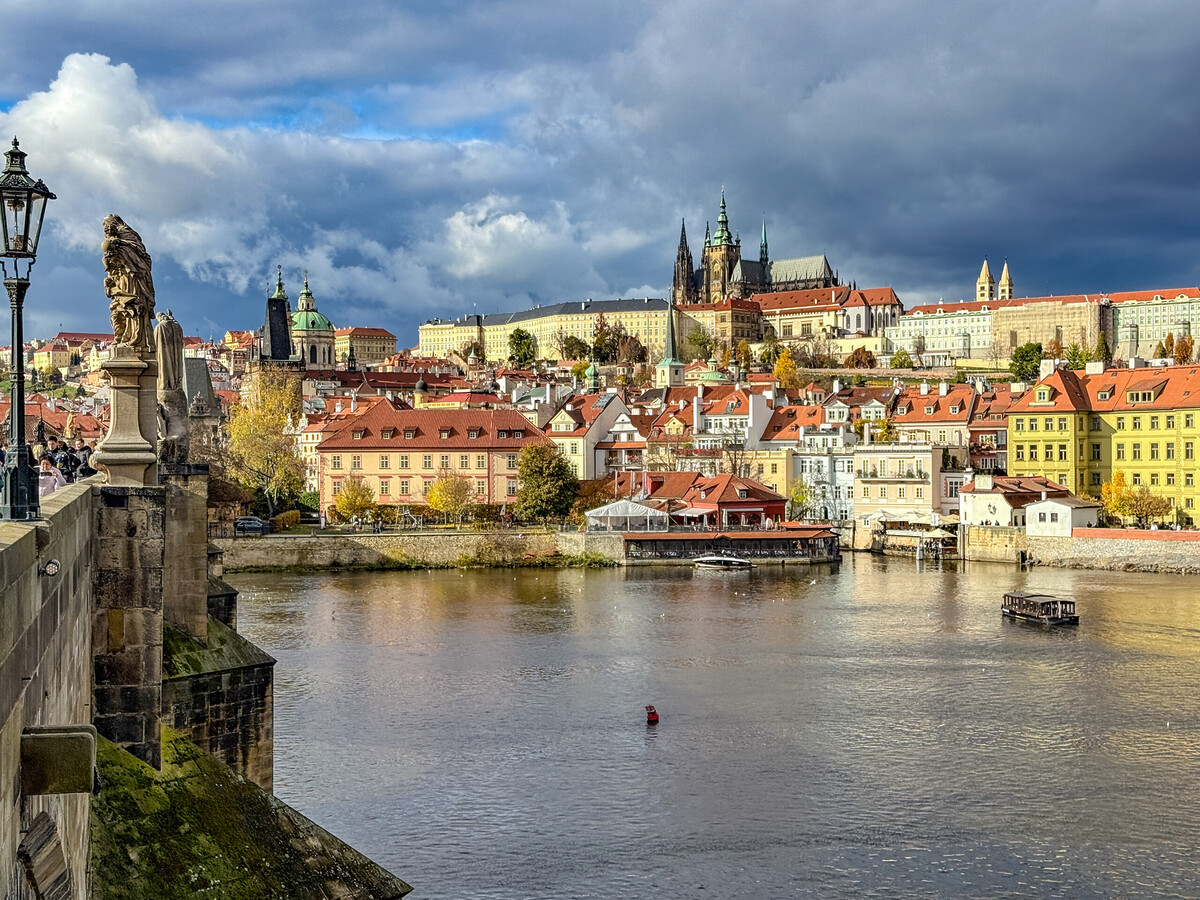
First, I’ll share a quick answer and a simple overview. Then I’ll cover the most common questions, and finally, I’ll break down what each trip length looks like in real life.
How many days should you spend in Prague? My personal opinion
Based on my experience from many trips to Prague, the city also works well as a one-day destination if you only want to see the main highlights. However, I think the ideal time to spend in Prague is 2 or 3 days.
With 2–3 days, you can visit all the main sights, try local food and Czech beer, enjoy the best viewpoints, and get a good feel for the city’s history and culture.
Is it worth staying longer than 3 days in Prague?
Only if you really want to explore the city in depth. Personally, I think 4 or 5 days is too much time to spend only in Prague.
If you have more time, it’s better to add day trips from Prague, for example to the Prachov Rocks or Brno.
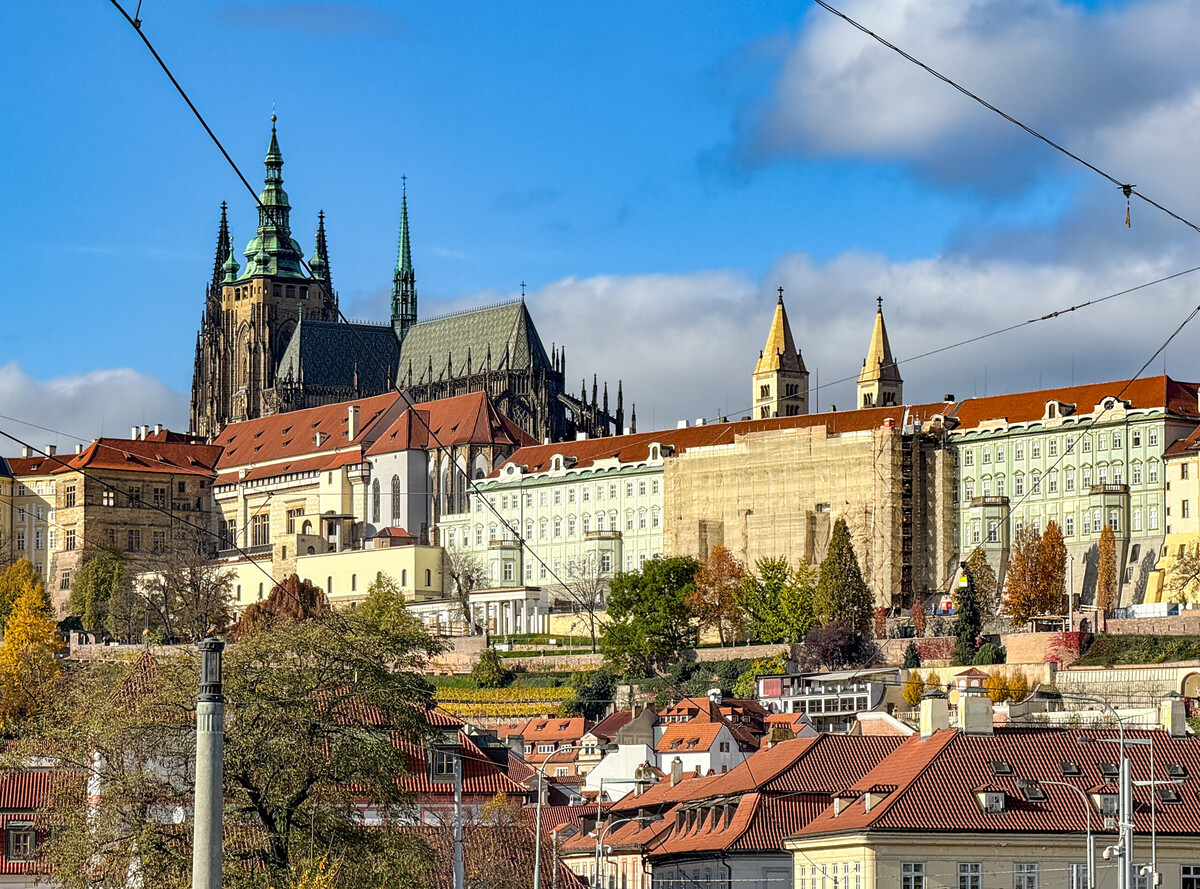
Overview of a 1 to 3-day Prague itinerary
Below, I’ll show you how I would spend 1, 2, or 3 days in Prague, based on my own experience:
Day 1: Old Town, Charles Bridge, Prague Castle
Day 2: Lesser Town, Petřín Hill, River cruise
Day 3: Letná Park, Museums, Jewish Quarter
Frequently asked questions about visiting Prague
Let’s take a look at the common questions that come up when planning a trip to the capital of the Czech Republic:
Is Prague worth visiting?
Yes. If you’re looking for a Central European city break, Prague is a great choice. It’s cheaper than Vienna, has a more relaxed atmosphere than Budapest, and is still very affordable by European standards.
Prague offers many interesting sights, fun activities, and some of the best city views in the region, which makes it an excellent destination for a short trip.
How to get around Prague
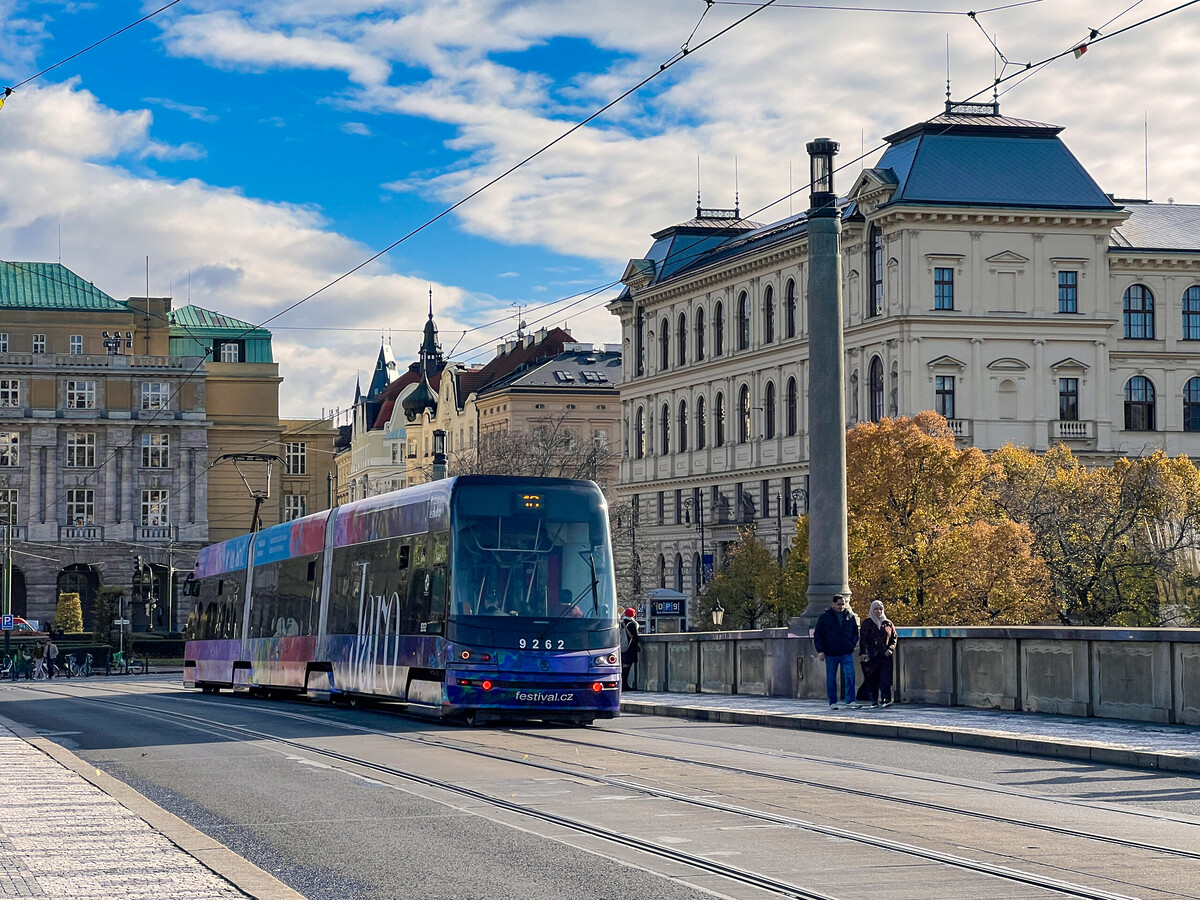
The best way to explore Prague is on foot, especially in the city center. Many of the main sights are close to each other and easy to walk between.
For longer distances, you can use public transport, such as trams, buses, and the metro. They are reliable and easy to use.
Traveling by car is possible, but parking can be difficult, so I suggest this option only if flexibility is important to you.
Where to stay in Prague
Below, I’ll show you the hotels I personally recommend if you’re planning to stay in Prague.
These are hotels I’ve personally visited and enjoyed:
- STAGES HOTEL Prague, a Tribute Portfolio Hotel: A four-star hotel outside the city center, with its own garage and good value for money.
- Hotel Golf Prague: A four-star hotel, also outside the city center, available at a good price.

Best time to visit Prague
The best time to visit Prague is spring and autumn, especially April, May, September, and October. The weather is pleasant, and the city is perfect for sightseeing.
Winter can be tempting because of lower prices, but Prague is often very cold and grey at that time, so I don’t really recommend it.
Summer can also be less comfortable due to high temperatures and crowds, especially for walking around the city.
Is Prague expensive?
No, Prague is a budget-friendly destination compared to many other European cities. It’s not the cheapest place in Europe, but it offers very good value for money.
For two people, including hotel, transport, food, and activities, you can often keep daily costs around €150–200 per day, which I think is a great deal. With some compromises, it can even be cheaper.

Best things to do in Prague
Here are some of the best things to do in Prague:
- Visit Charles Bridge: Walk across this historic bridge for classic city views, especially early in the morning.
- Prague Castle: Explore the castle area and enjoy some of the best viewpoints over the city.
- St. Vitus Cathedral: Visit the main cathedral inside the castle, famous for its architecture and stained glass.
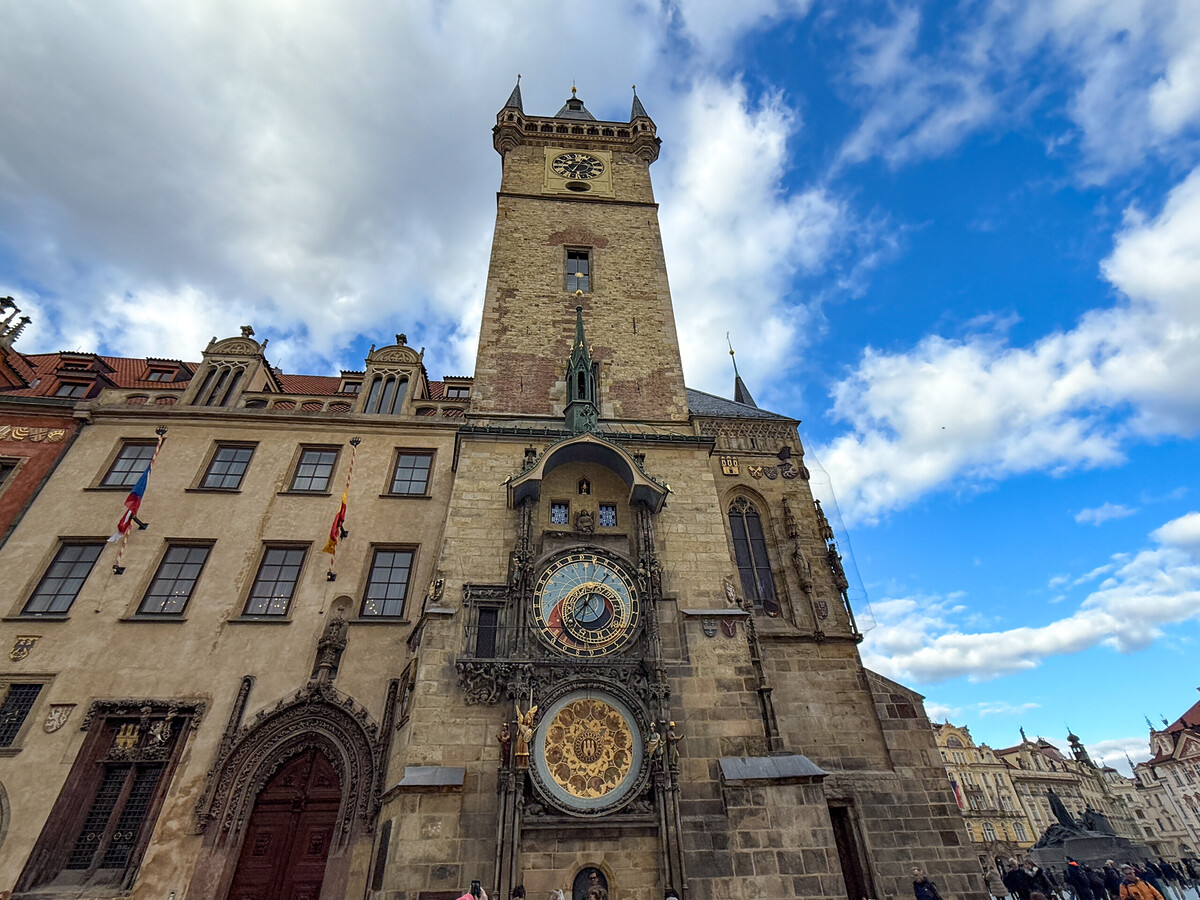
- Old Town Square & Astronomical Clock: See the famous clock and enjoy the lively atmosphere of the square.
- Vltava River walk or cruise: Walk along the river or take a short boat cruise for beautiful city views.
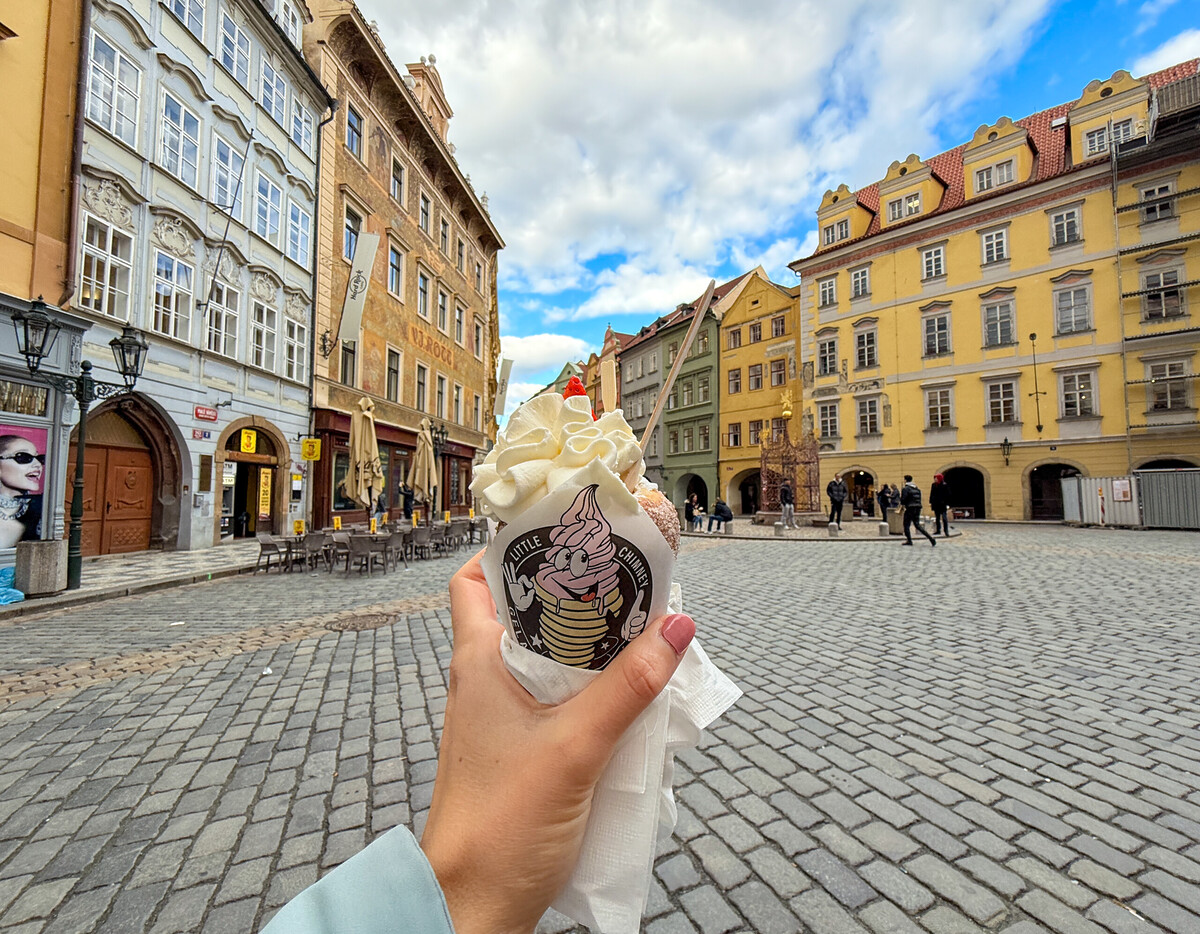
- Try chimney cake (trdelník): It looks similar to the Hungarian version, but the Prague one is usually smaller, cheaper, and comes with more creative fillings. I personally find the Prague versions more fun to try.
- Czech beer tasting: Try local lagers in a traditional pub or on a guided beer tour.
- Best day trip from Prague: Prachov Rocks: A beautiful nature escape with unique rock formations and scenic walking trails. It’s a real hidden gem.
How many days in Prague? Prague itinerary for 1, 2 and 3 days
After the general questions, let’s take a look at how I would spend 1, 2, or 3 days in Prague, and in what order I would visit the main sights:
Day 1: Old Town, Charles Bridge, Prague Castle
Start your first day with the most important sights in Prague.
This day is busy, but it gives you the best first impression of the city.
Old Town
Begin in Old Town. Walk through Karlova Street, one of the main streets connecting the Old Town with Charles Bridge.
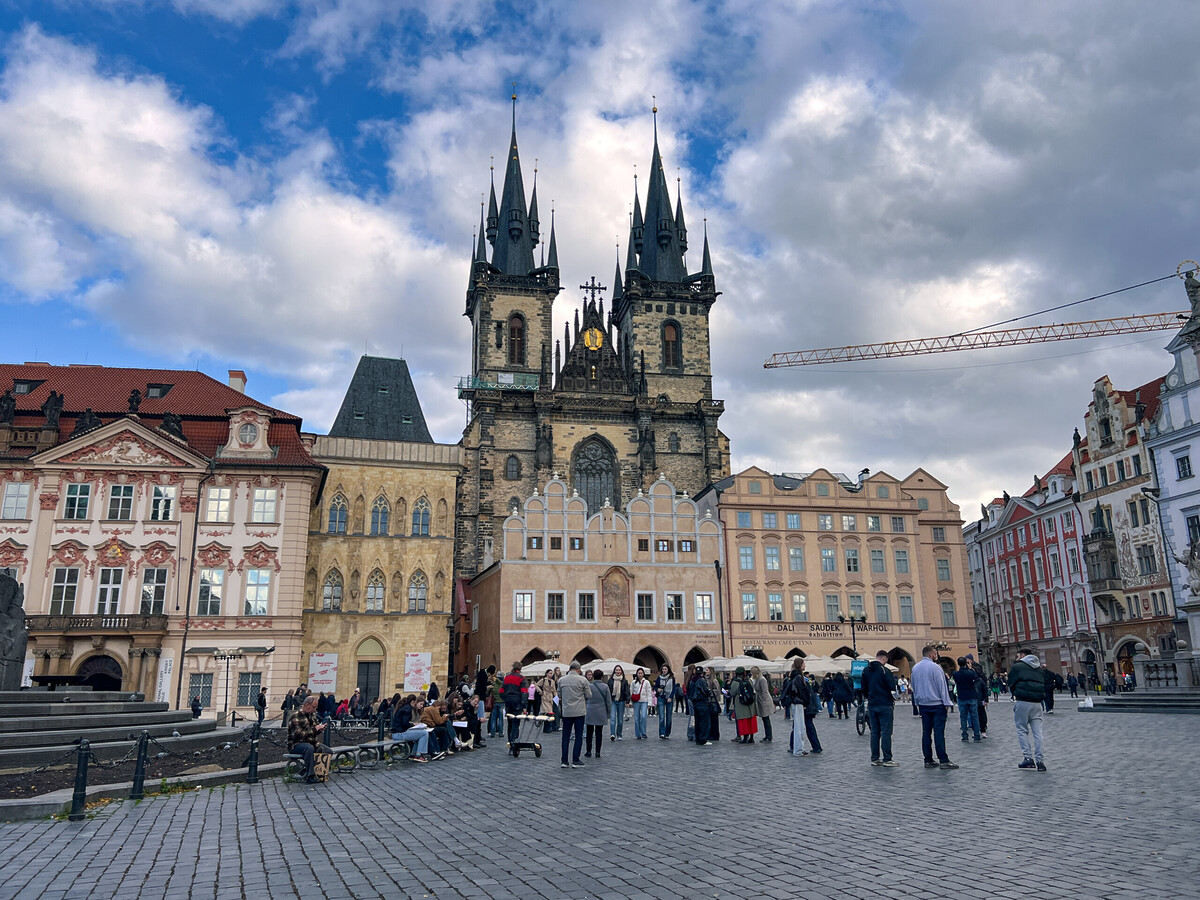
Stop at Old Town Square, see the famous Astronomical Clock, and admire the beautiful Church of Our Lady before Týn from the outside.
If you get hungry, I recommend grabbing a quick bite nearby. You can try SausageGo for something fast, or stop for a chimney cake at Old Czech Chimney Cake Karlova 25. They offer creative fillings, and they also have a gluten-free option, which I personally appreciate.
For a proper lunch, Restaurace Mincovna is a solid choice right on the square. Another good option is Kozlovna Apropos, just a few streets away.
Charles Bridge
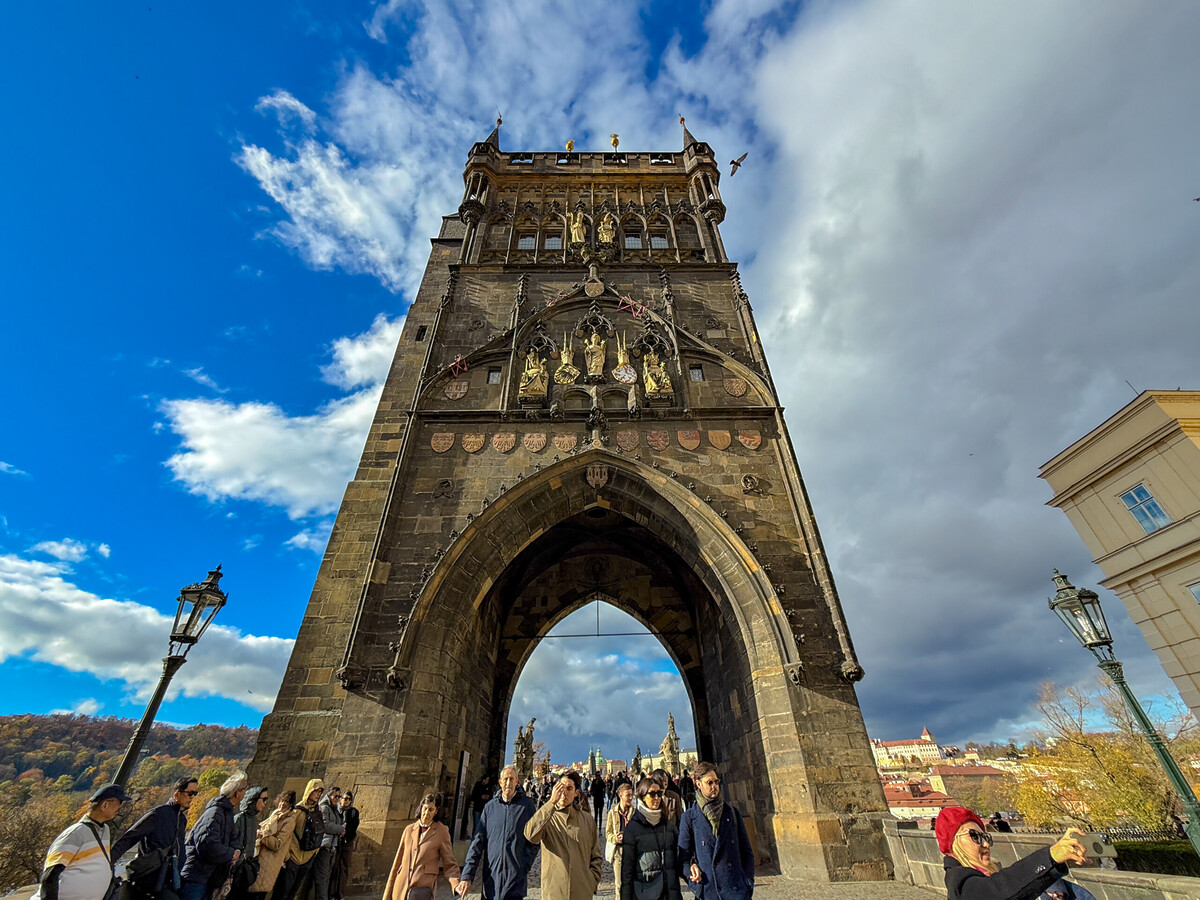
After lunch, continue walking through the Old Town and head toward Charles Bridge, one of the most famous places in the city.
Walk across the bridge and enjoy the views of the river, the city, and the local artists. You’ll find painters, handmade souvenirs, and street musicians here, and it really adds to the atmosphere.
Lesser Town (optional)
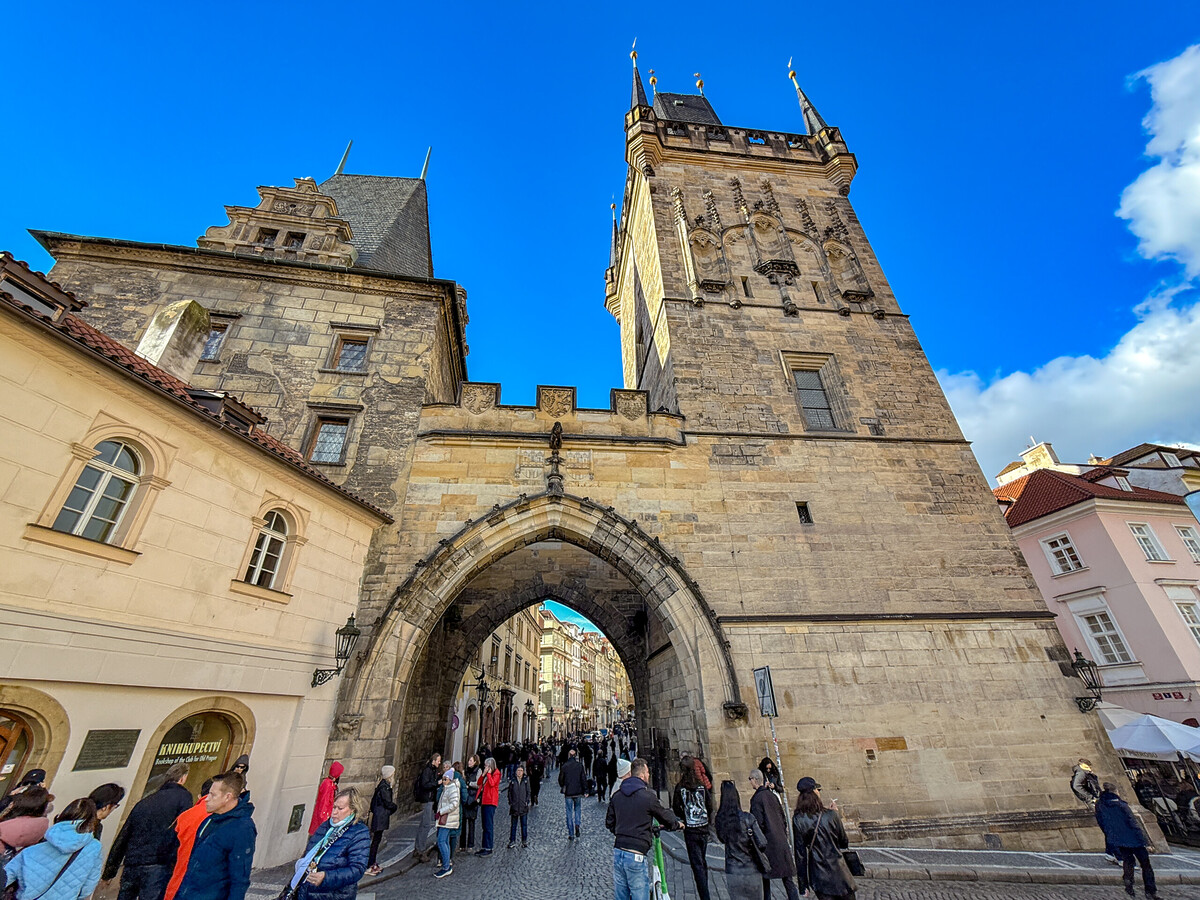
If you have enough time, in the other side of the river, check out the Lesser Town Bridge Tower and take a short walk through the small streets of the Lesser Town.
A fun and slightly unusual stop nearby is Prague’s Narrowest Alley. It’s a very narrow alley with traffic lights controlling entry. In my experience, tourists absolutely love it.
Close to this area, you can also see the Čůrající postavy, a humorous sculpture of two men. While you’re in this area, take a moment to enjoy the river views too.
If you’re interested in museums, the Franz Kafka Museum is also located nearby.
Prague Castle
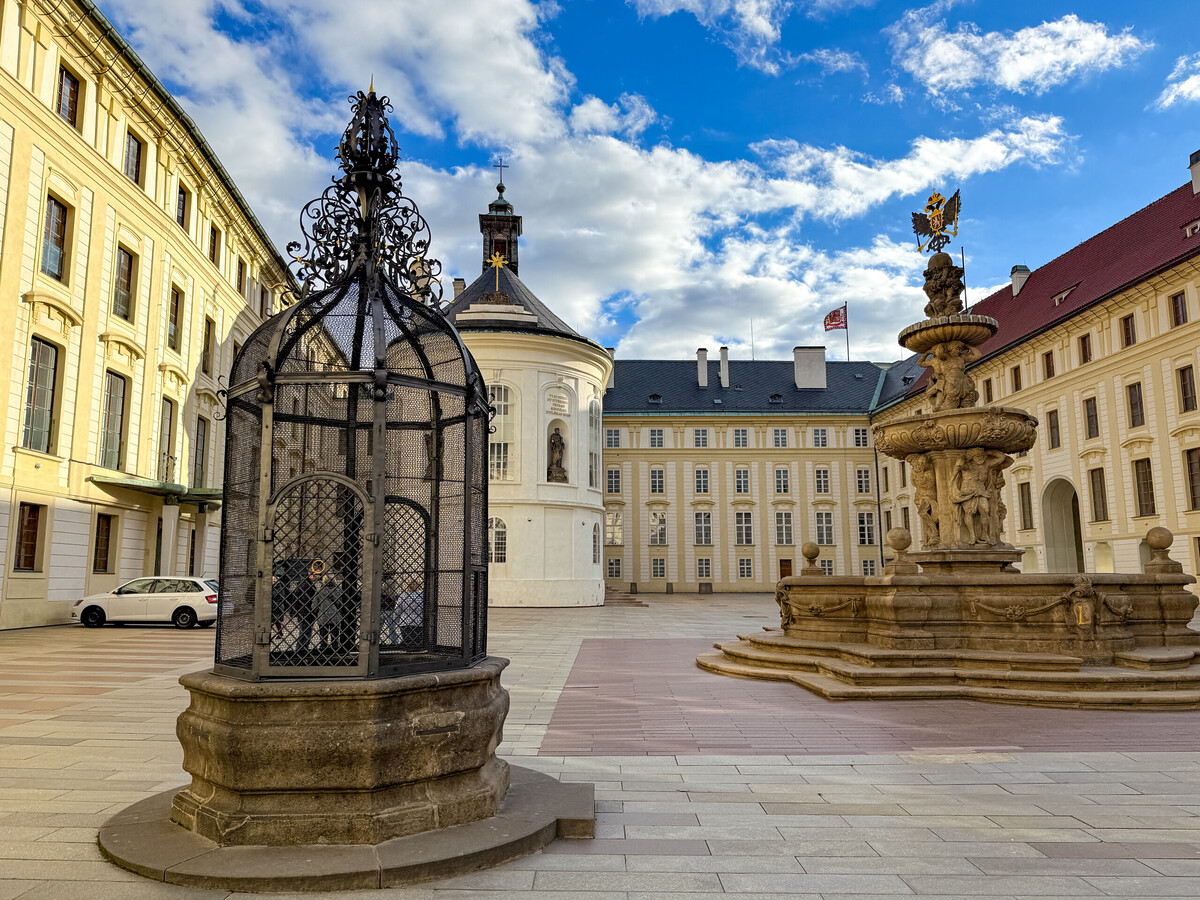
From here, make your way up to Prague Castle.
You can walk up if you have the energy, or use public transport if the walk feels like too much. The exact order of sights depends on how you arrive, but I always recommend walking around the castle area, not just rushing through it.
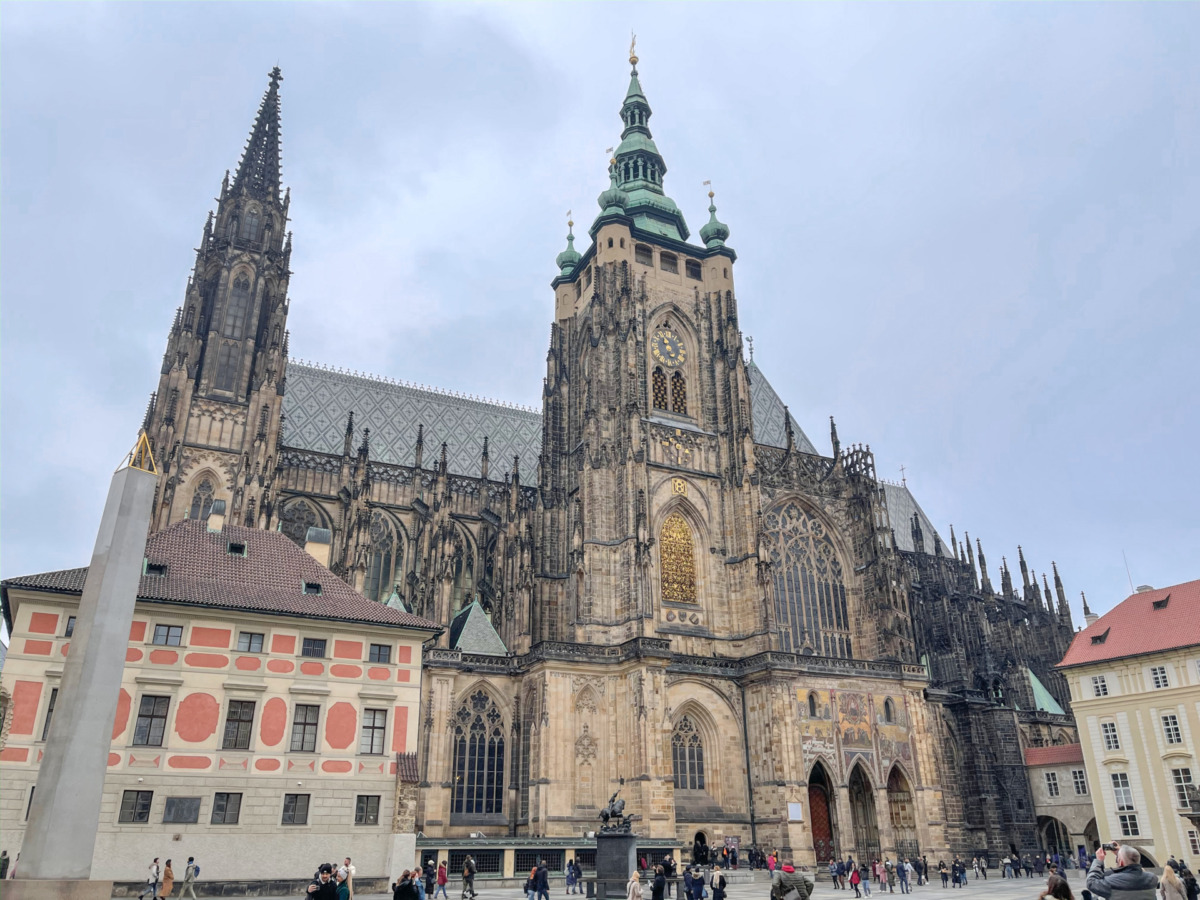
Inside the castle, visit St. Vitus Cathedral, one of the main landmarks of Prague. Walk around Hradčany Square, explore Golden Lane, and don’t miss the Vyhlídka Na Opyši viewpoint. In my opinion, it offers one of the best views over the city.
Along the way, feel free to stop at souvenir shops or sit down for a Czech drink or meal.
If you want to dive deeper into Czech culture, you can visit the Lobkowicz Palace. I also recommend its restaurant, Lobkowicz Palace Restaurant & Café, for a relaxed break with a view.
Optional extras
As optional extras, you can walk through Waldstein Garden, enjoy the river views from Park Cihelná, or stop by the colorful Lennon Wall.
This is a full first day, but it covers the core of Prague and gives you an unforgettable start to your trip. Even if you’re only visiting Prague for one day, this plan still gives you a wonderful overview of the city and a deeper insight into its best places.
Day 2: Lesser Town, Petřín Hill, River cruise
On your second day, continue exploring some of Prague’s quieter and less touristy areas.
Lesser Town
Start in Lesser Town, where you already got a short taste on Day 1.
If you didn’t have time before, don’t miss Park Cihelná. This riverside park is a fun and unusual stop. You can often see nutrias up close, and tourists often feed them. It’s a very unexpected experience right in the city.
If they were still missing from your list, this is also a good time to visit the Lesser Town Bridge Tower and the colorful Lennon Wall.
For food, one of the most famous places in this area is Café Savoy, a great option for breakfast, brunch, or a relaxed meal.
If you’d rather sit down for a beer, I recommend The Beer Spot Prague.
Petřín Hill
During the day, continue toward Petřín Hill. You can walk up or take the cable car Lanová dráha Petřín – Újezd.
We also tried reaching this area by car, but honestly, it’s very difficult to navigate, so I strongly recommend walking or using cable car instead.
Inside the park, you’ll find a free viewpoint called Vyhlídková terasa, as well as several smaller attractions like the Štefánik Observatory, statues, and the historic Hunger Wall.
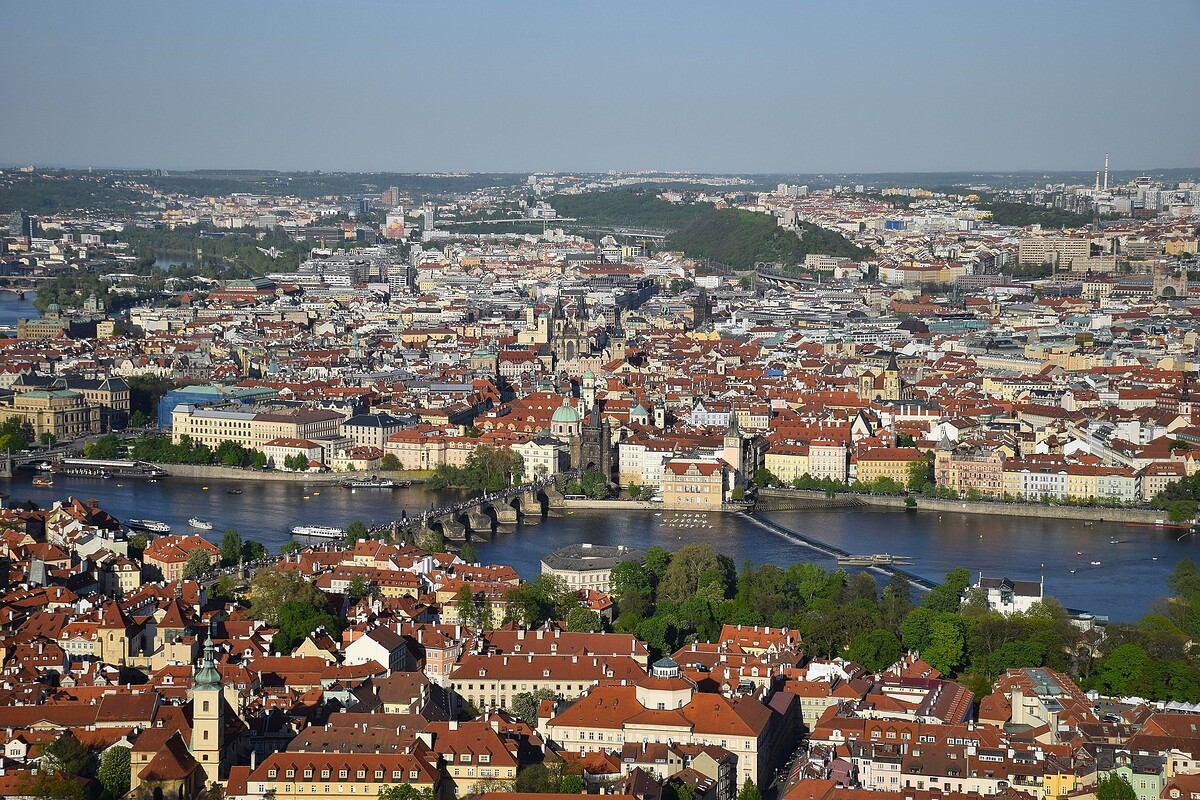
The main highlight, however, is the Petřín Tower. With a ticket, you can climb to the top and enjoy one of the best panoramic views of Prague.
River cruise
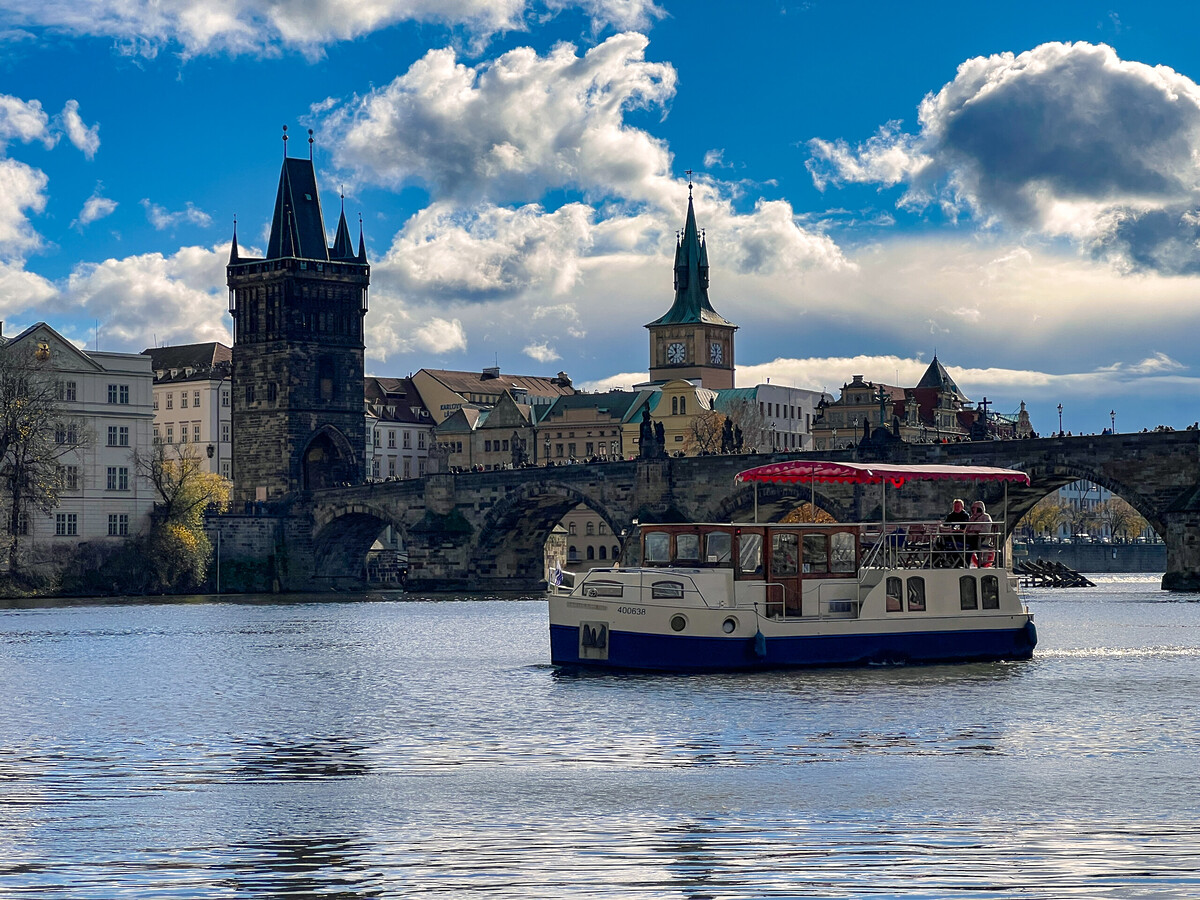
For the evening, I recommend something relaxed. You can either sit down for a good Czech beer, or — in my opinion the best option — take a Vltava River cruise.
Try to plan the cruise around sunset, and combine it with dinner or a beer tasting if possible. You’ll find the best selection of river cruises and experiences on GetYourGuide, and it’s an easy way to end the day without rushing.
Day 3: Letná Park, Museums, Jewish Quarter
For your third day in Prague, I recommend a more flexible and relaxed plan. This day is perfect for viewpoints, museums, and areas you may have missed earlier.
Letná Park & City views
Start your day at Letná Park, one of my favorite green spaces in the city.
Inside the park, don’t miss the Prague Metronome, which stands where a huge Stalin statue once was. From here, you already get great views over the city.
For the best panoramas, walk to Vyhlídka na Letné or Hanavský Pavilon. Both offer some of the best views over the Vltava River and Prague’s bridges.
If you have time, stroll around Kramář’s Villa and the Letná Pond area. This park is a great place to slow down and enjoy Prague like a local.
Museums in Prague
Prague is full of museums, whether you’re interested in history, art, or something fun and unusual. Based on my visits, these are some of the most well-known options:
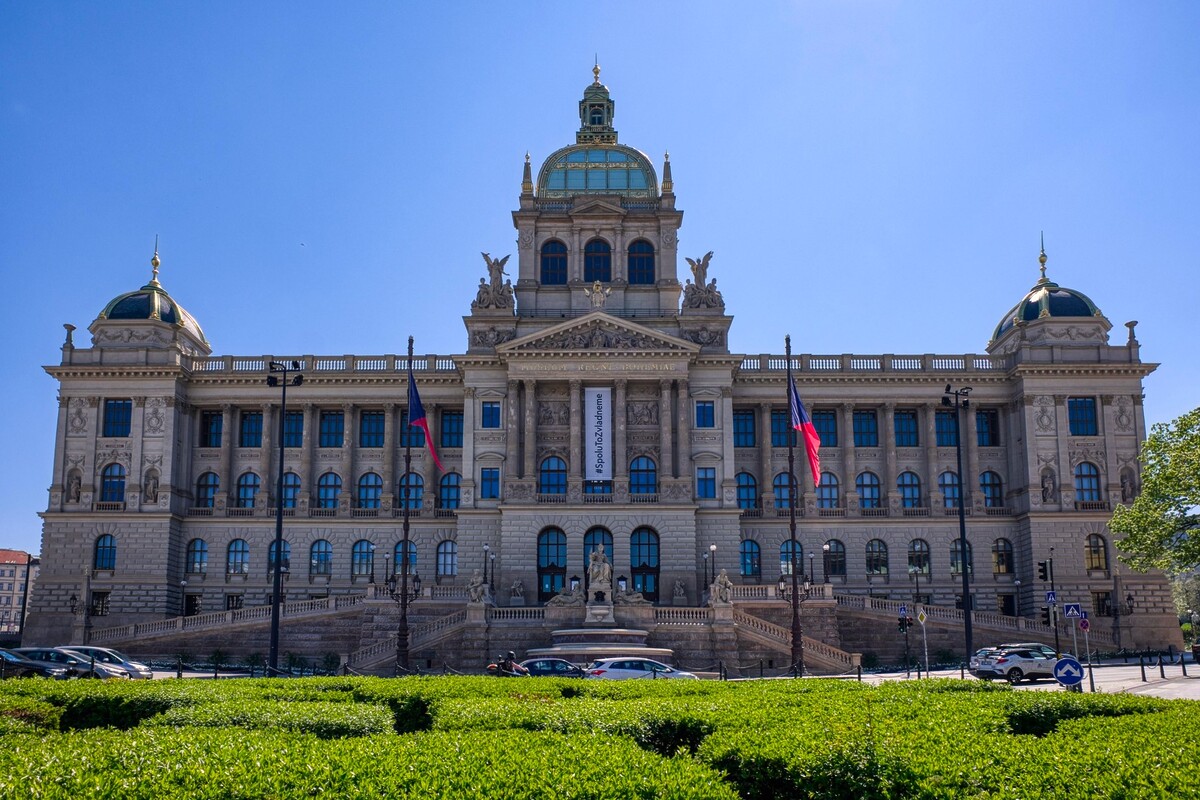
- National Museum: Czech history, culture, and exhibitions
- Museum of Communism: Insight into life during the communist era
- National Technical Museum: Technology, transport, and science
- Franz Kafka Museum: A darker, atmospheric museum about Kafka
- Museum of Fantastic Illusions: Fun and interactive
- Museum of Senses: Playful and entertaining
- Story of Prague Museum: Easy-to-follow overview of Prague’s history
- Sex Machines Museum: Only for curious visitors
There are many more museums in the city, so you can easily choose one or two that match your interests.
Jewish Quarter (Josefov)
The Jewish Quarter is one of the most important historic areas in Prague. It’s home to several synagogues, the Jewish Museum, and the Old Jewish Cemetery.
This area gives you a deep insight into Prague’s Jewish history, traditions, and past hardships. Even if you don’t visit every museum inside, walking through the district already adds an important cultural layer to your trip.
Alternative ideas for Day 3
If museums are not your thing, here are some optional alternatives:
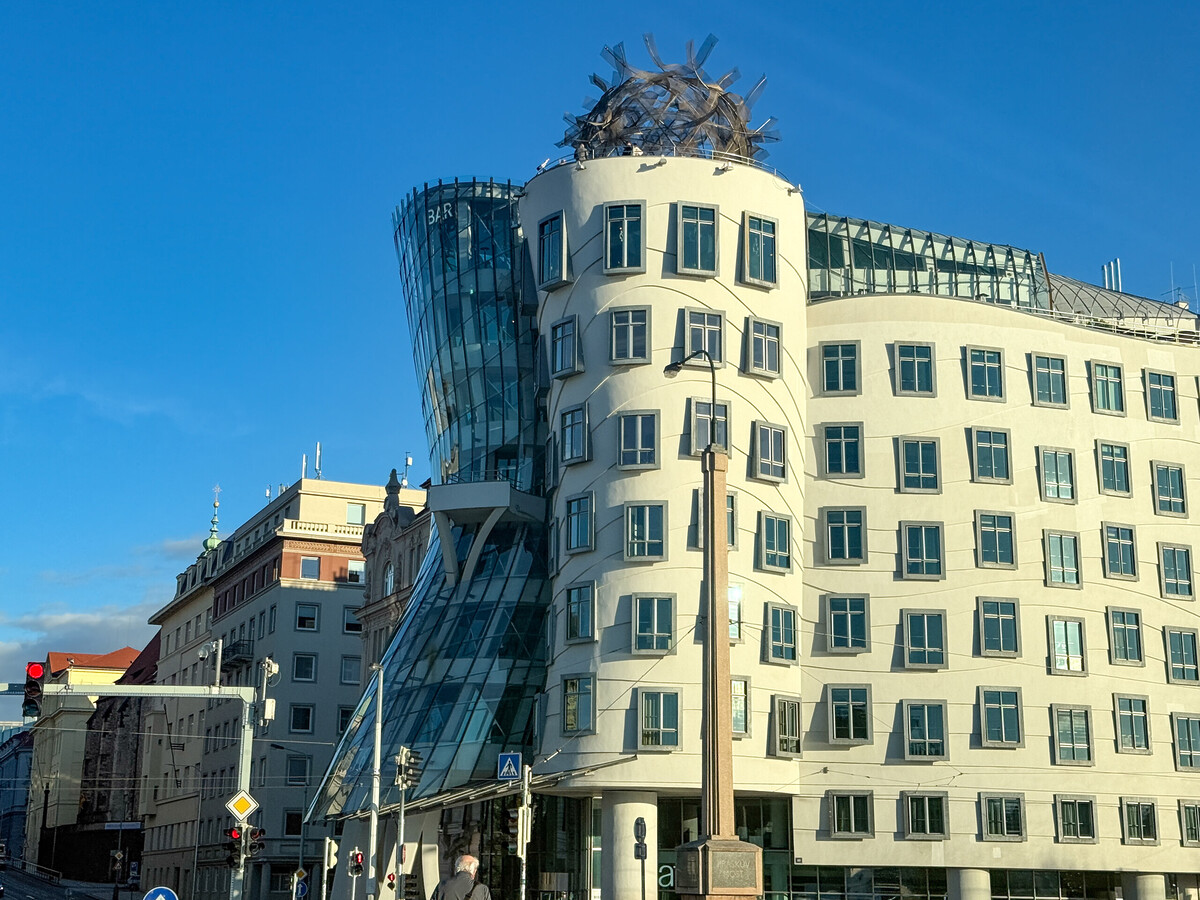
- Walk or take public transport to the Dancing House, one of Prague’s most famous modern buildings.
- Visit Vyšehrad, a quieter historic area. Walk around the fortress, visit the Saints Peter and Paul Basilica, and enjoy the river views from Vyšehradské sady, especially beautiful at sunset.
- If you’re in the mood for shopping, head to Westfield Chodov, my personal favorite mall in Prague. You can easily spend a few relaxed hours here.
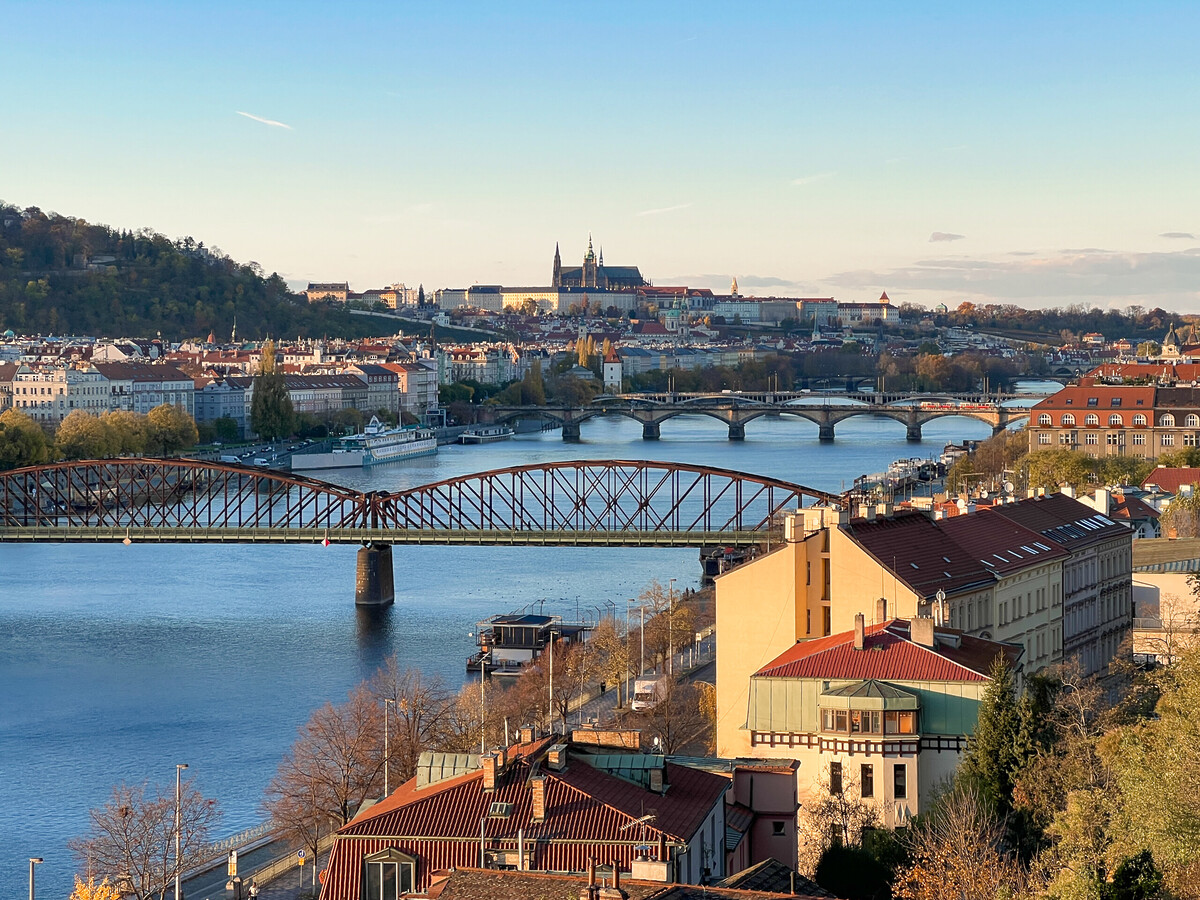
And with that, we’ve reached the end of this 1-, 2-, and 3-day Prague itinerary.
I hope this guide gave you clear inspiration and practical help to decide how many days to spend in Prague and how to use your time in the city in the best possible way.
This Prague guide is designed to help you plan realistically, whether Prague is your main destination or just one stop on a longer Central Europe trip.
If you’re planning to explore more of Czechia or Central Europe, check out my other travel guides, where I share many more beautiful places and personal travel tips.
And once your plan is ready, don’t wait: book your hotel, reserve your tickets, and get ready for an amazing trip to Prague!

Hi! I’m Adri, the creator of Traveltipzone.com and Italianwanderlust.com.
I’ve explored over 30 countries so far and travel to around 15 each year — some new places and others I love returning to. I’m especially passionate about Southern Europe, particularly Italy, and the United Arab Emirates.
Follow my journeys for firsthand travel tips and inspiration!


