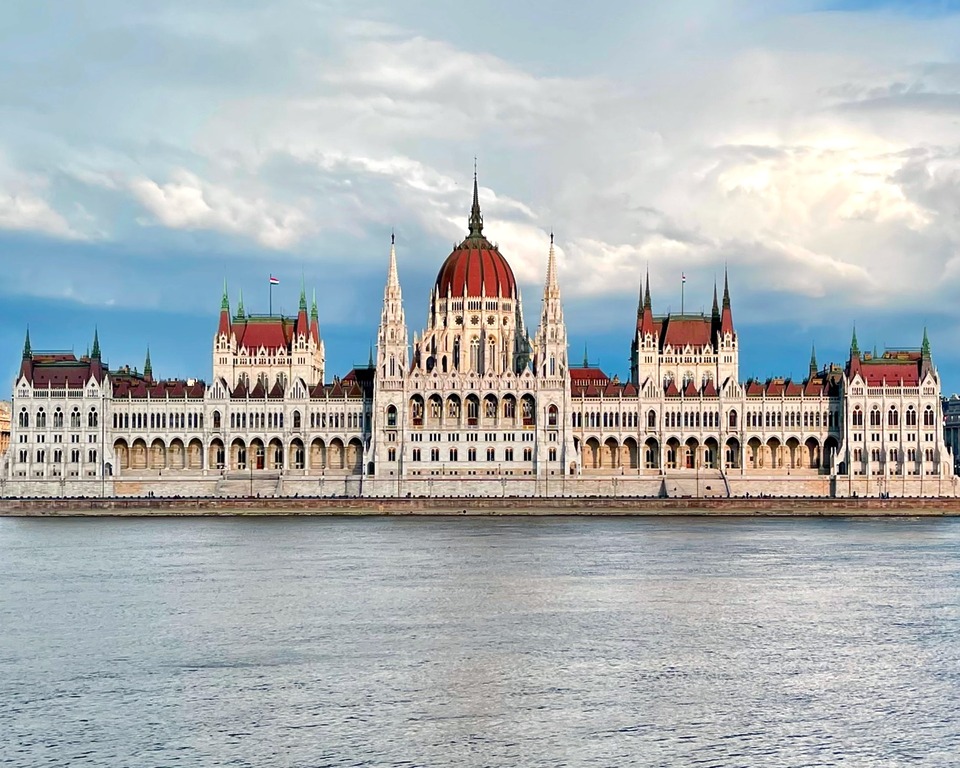

Budapest is one of the most beautiful cities in Central Europe. With its grand architecture, thermal baths, river views, and lively food scene, it’s easy to see why so many travelers fall in love with the Hungarian capital.

At the same time, planning a Budapest trip is not always simple. The city is bigger and more spread out than it looks on the map, and many travelers ask the same questions: How many days should I spend in Budapest? Is 2 days enough? Do I need 3 days or more? And how does Budapest fit into a longer Central Europe trip?
I live in Budapest and experience the city as both a local and a traveler. Together with my 10+ years of travel experience, I’ll help you make a realistic decision about how many days to spend in Budapest and how to use your time well.
In this guide, you’ll learn what you can actually see in 1, 2, or 3 days, and which option makes the most sense for your travel style and pace.
Ready to travel to Budapest?
Here are my quick tips on what to book for your trip:
Best places to stay in Budapest:
- Anantara New York Palace Budapest
- Monastery Boutique Hotel Budapest
- Prestige Hotel Budapest
- Párisi Udvar Hotel Budapest
Best things to do in Budapest:
This is not a strict day-by-day itinerary. It’s a decision guide to help you choose the right length for your stay, whether Budapest is your main destination or just one stop on a Prague–Vienna–Budapest itinerary or a longer Europe trip.
First, I’ll share a quick answer and a simple overview. Then I’ll cover the most common questions. Finally, I’ll break down what each trip length looks like in real life.
How many days should you spend in Budapest? My personal opinion
Based on my experience, Budapest also works as a short one-day city break if you only want to see the highlights.
However, I think the ideal time to spend in Budapest is 2 or 3 days.
With 2–3 days, you can explore both sides of the city, visit the main landmarks, enjoy the thermal baths, try Hungarian food, and still have time to enjoy the atmosphere.
Is it worth staying longer than 3 days in Budapest?
Only if you really want to explore the city in depth or add slower experiences.
Personally, I think 4 or 5 full days only in Budapest is too much for most travelers.
If you have more time, it’s better to add day trips from Budapest, for example to Eger, or Lake Balaton.
Overview of a 1 to 3-day Budapest itinerary
Now, I’ll show you how I would spend 1, 2, or 3 days in Budapest, based on my own experience:
Day 1: Buda Castle, Fisherman’s Bastion, Chain Bridge, Danube river cruise
Day 2: Parliament, St. Stephen’s Basilica, food tour, Gellért Hill
Day 3: Heroes’ Square, City Park, thermal baths or museums

Frequently asked questions about visiting Budapest
Let’s take a look at the most common questions that come up when planning a trip to Budapest:
Is Budapest worth visiting?
Yes. If you’re looking for a Central European city break, Budapest is an excellent choice.
It’s cheaper than Vienna, has more dramatic views than Prague in many areas, and still very affordable by European standards.
Budapest offers impressive architecture, great food, famous thermal baths, and some of the best river views in Europe, which makes it perfect for a short trip.
How to get around Budapest
I mostly drive in Budapest, but both locals and tourists commonly use public transport.
Budapest is relatively car-friendly, and parking is usually manageable. Especially on weekends, driving is often an efficient way to get around. On weekdays, traffic can be heavy, and parking is more limited, particularly in central areas.
However, Budapest is also easy to explore by public transport. The metro, trams, and buses are affordable, and cover all major sights.
In busy areas, watch out for pickpockets.
Walking works well in compact areas such as Buda Castle and along the Danube, but some attractions are far apart and not practical to reach only on foot.
If you use taxis, stick to official taxi companies or ride-hailing apps, and be aware because overcharging can occur.

Where to stay in Budapest
Below, I will share the hotels I personally recommend in Budapest.
There is an incredible choice of 4-star hotels in Budapest, but here are the top ones I recommend:
-
Monastery Boutique Hotel Budapest: Located on the Buda side, close to the sights.
-
Up Hotel Budapest: Available at a very good price.
- Prestige Hotel Budapest: Centrally located on Pest side, close to most attractions.
There are also plenty of 5-star hotels on offer, and I have selected a few in the city center:
-
Anantara New York Palace Budapest: With wonderful interiors, spa area and elegant courtyard.
- Hotel Clark Budapest: A modern-style hotel located in the immediate vicinity of the Chain Bridge and the Buda Castle District
In the luxury category, the most recommended is the Párisi Udvar Hotel Budapest, which I think has the most impressive lobby in the city.
Best time to visit Budapest
The best time to visit Budapest is spring and autumn, especially April–May and September–October.
The weather is pleasant, and the city is perfect for walking and sightseeing.
Summer can be hot, especially in July and August, while winter is very cold but can be a good option for thermal baths and Christmas markets.
Visiting Budapest during Christmas
If you visit Budapest in winter, don’t miss the Budapest Christmas Markets.
The most popular ones are around Vörösmarty Square and St. Stephen’s Basilica, with food stalls, mulled wine, and festive lights.
Is Budapest expensive?
No. Although Budapest has become much more expensive in recent years, it is still one of the cheapest cities in Europe.
For two people, including hotel, transport, food, and activities, daily costs often stay around €150–250 per day, depending on your travel style. With careful planning, it can be even cheaper.
Is the Budapest Card worth it?
The Budapest Card can be useful if you plan to use public transport frequently and visit several attractions.
It includes unlimited public transport, free or discounted entry to some attractions, free Danube river cruises, and discounts at certain museums and restaurants.
However, the card is quite expensive, so I only recommend buying it if you plan to use it for at least 4–5 attractions or services per day.
Otherwise, paying separately for transport and tickets is usually better value.
Best things to do in Budapest
Here are some of the best things to do in Budapest:
- Walk around Buda Castle and enjoy the city views
- Visit Fisherman’s Bastion for the best photos
- Relax in a thermal bath, like Széchenyi or Gellért
- Walk along the Danube, especially at sunset
- See the Parliament building from the riverbank
- Try Hungarian dishes like goulash or chimney cake
- Visit a ruin bar in the city center
- Take a Danube river cruise, especially in the evening.
How many days in Budapest? Budapest itinerary for 1 to 3 Days
After the frequently asked questions, I’ll show you how I would spend 1, 2, or 3 days in Budapest:
Day 1: Buda Castle, Fisherman’s Bastion, Chain Bridge, Danube river cruise
Whether you have only one day in Budapest or this is the first day of a longer trip, this day covers the city’s most famous sights in one compact and very Hungarian experience.
Castle District
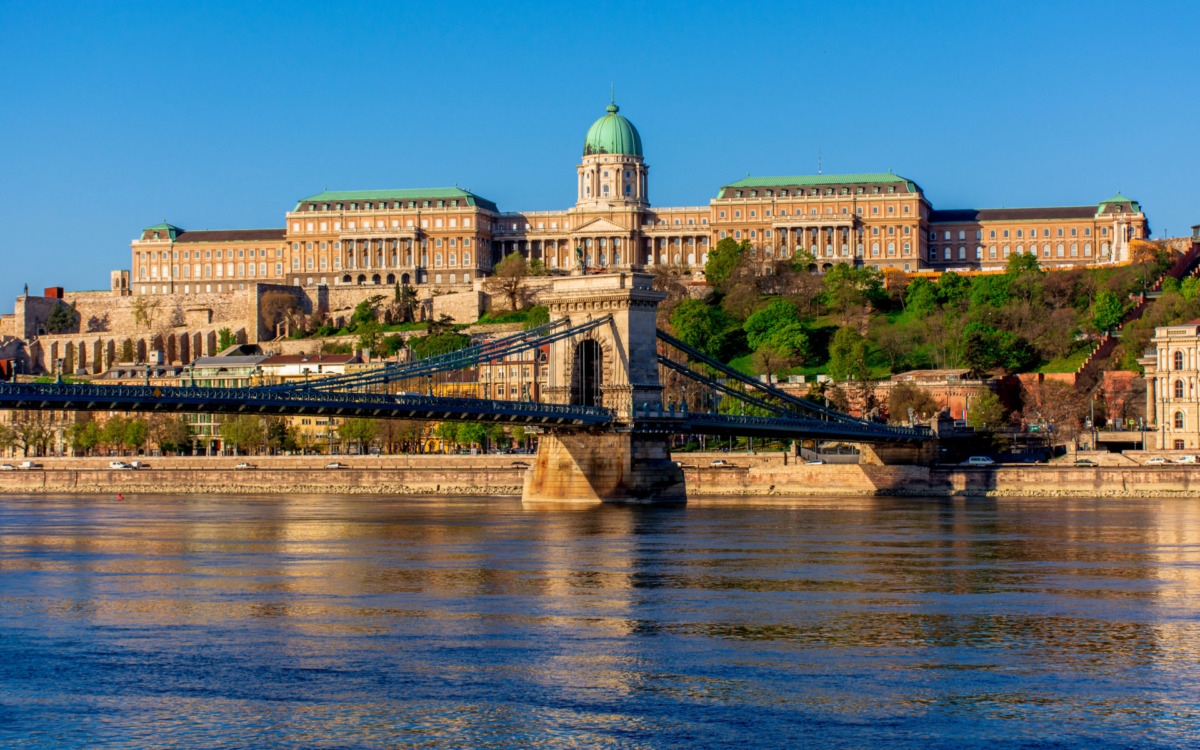
Start your morning in Budapest’s most iconic area: the Castle District.
This historic part of the city is full of landmarks, viewpoints, and beautiful streets.
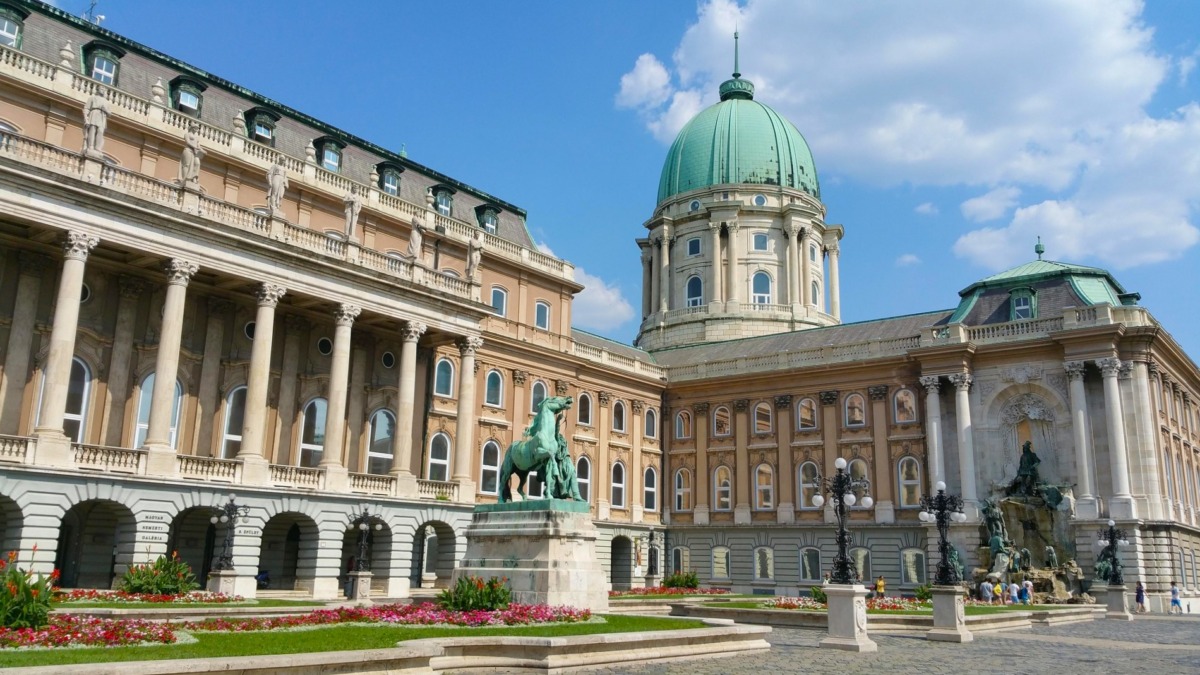
Here are the main sights you’ll see in the Castle District:
- Buda Castle
- Fisherman’s Bastion
- Matthias Church
- Buda Castle Courtyard
- Savoyai Terrace
- Castle District viewpoints
The easiest way to get up here is by taking the Buda Castle Funicular, or by walking up through the nearby park.
Both options are easy, and within a short time, you’ll already be inside the Castle District.
The real highlight of this area is the panoramic view over the Danube and Pest, which is one of the best city views in Budapest.

Fisherman’s Bastion
In my opinion, the most beautiful spot in this area is the Fisherman’s Bastion.
It’s worth spending more time here and arriving early in the morning, especially if you want good photos. This area gets busy later in the day.

Lunch in Buda Castle
This is also a great area for lunch. For traditional Hungarian dishes, I recommend 21 – Magyar Vendéglő.
If you’re looking for local food with gluten-free options, Marischka Restaurant is a good choice.
For a simpler and quicker meal, Goulash Langosh Terasz works well.
Chain Bridge
After lunch, walk down toward the nearby Chain Bridge, Hungary’s most famous bridge with a long history.
You can walk on both sides of the bridge, and I also recommend a stroll along the Buda riverbank, heading toward the Parliament.

Optional attractions for Day 1
If you still have time in the afternoon, you can either visit the Hungarian Parliament Building or simply admire it from the outside.
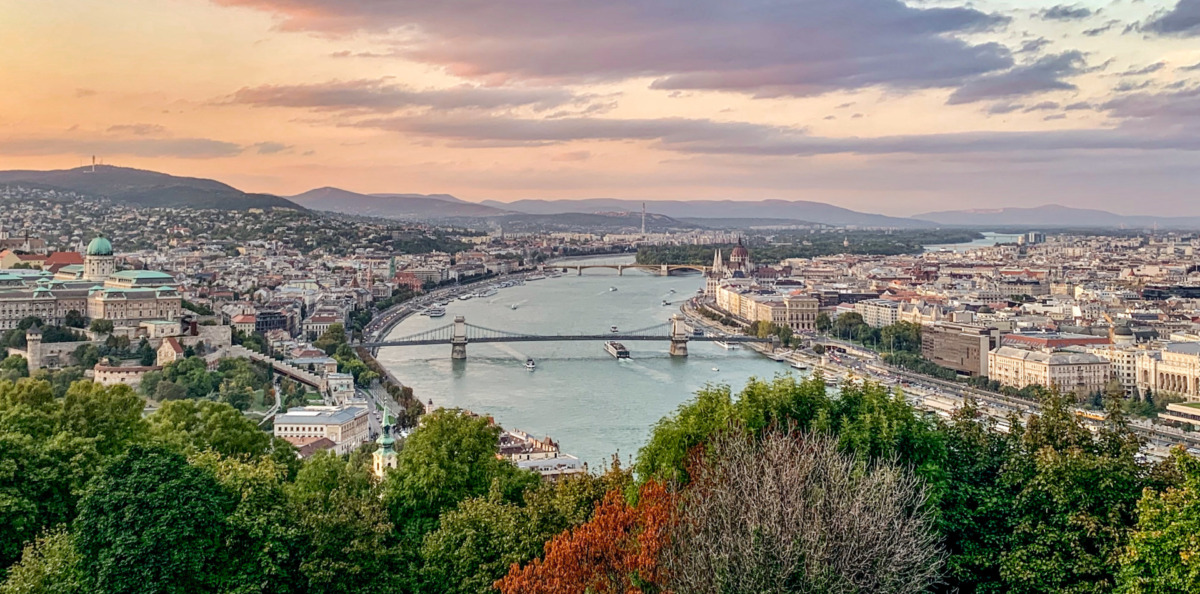
Another great option is walking up Gellért Hill to the Citadella for beautiful river views. Sunsets from here are especially stunning.
If you prefer something more relaxed, book a Danube river cruise in the afternoon or evening.
Even better, choose a cruise with Hungarian music, food tasting, or wine or beer tasting for a very local experience.
If you’re in the mood for a nice evening out, it’s also worth spending the night at a Hungarian restaurant.
If you stay in the area, I recommend Halászbástya Restaurant, located right in the Castle District. It’s open in the evening and offers stunning views over the city.

Day 2: Parliament, St. Stephen’s Basilica, food tour, Gellért Hill
For your second day, I planned mostly optional but still very interesting experiences.
If you’re spending 2 days in Budapest, or this is Day 2 of a longer trip, this day is still relaxed, enjoyable, and full of great sights.
Hungarian Parliament Building
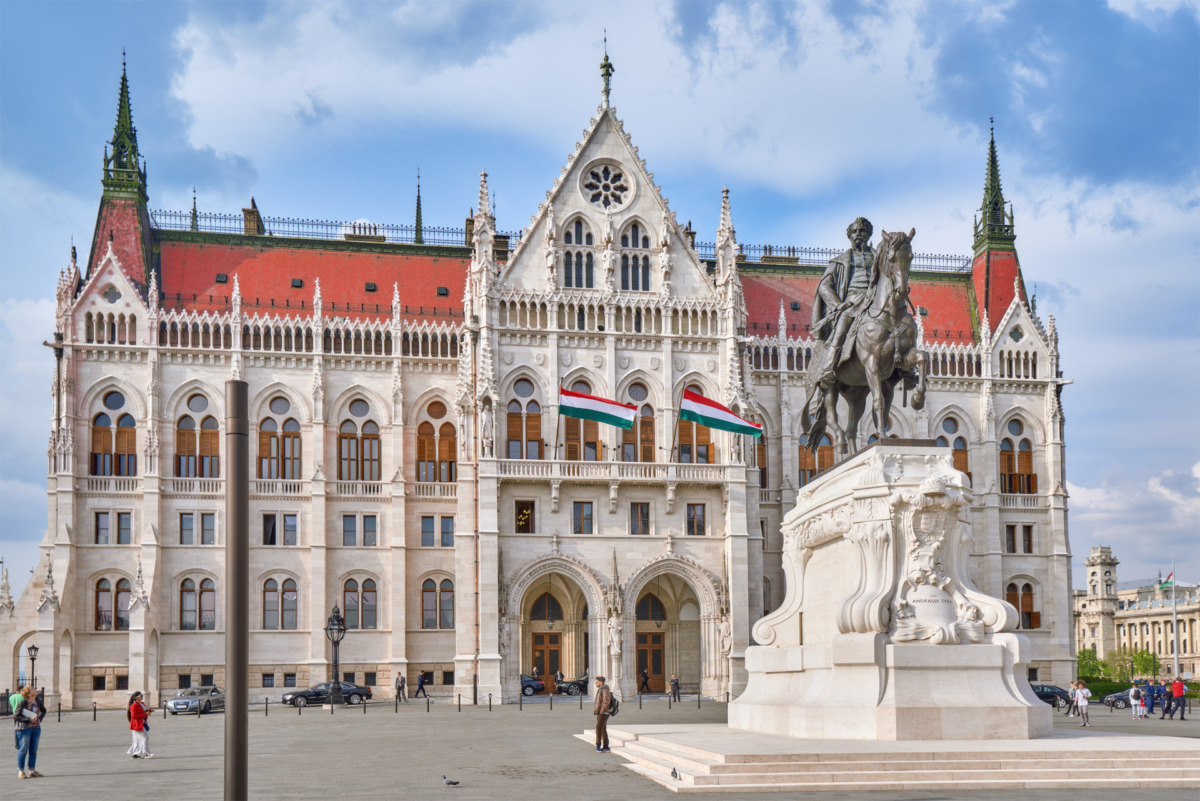
Start your day at the Hungarian Parliament Building, the most famous building in Hungary.
From the outside, it’s extremely impressive, in my opinion, one of the most beautiful parliament buildings in Europe.
Even if you don’t go inside, it’s worth walking around the building and along the riverbank.
If you do visit the interior, you’ll learn a lot about Hungarian history, see important cultural relics, and I personally like the souvenir shop at the entrance, which has some unique items.
St. Stephen’s Basilica
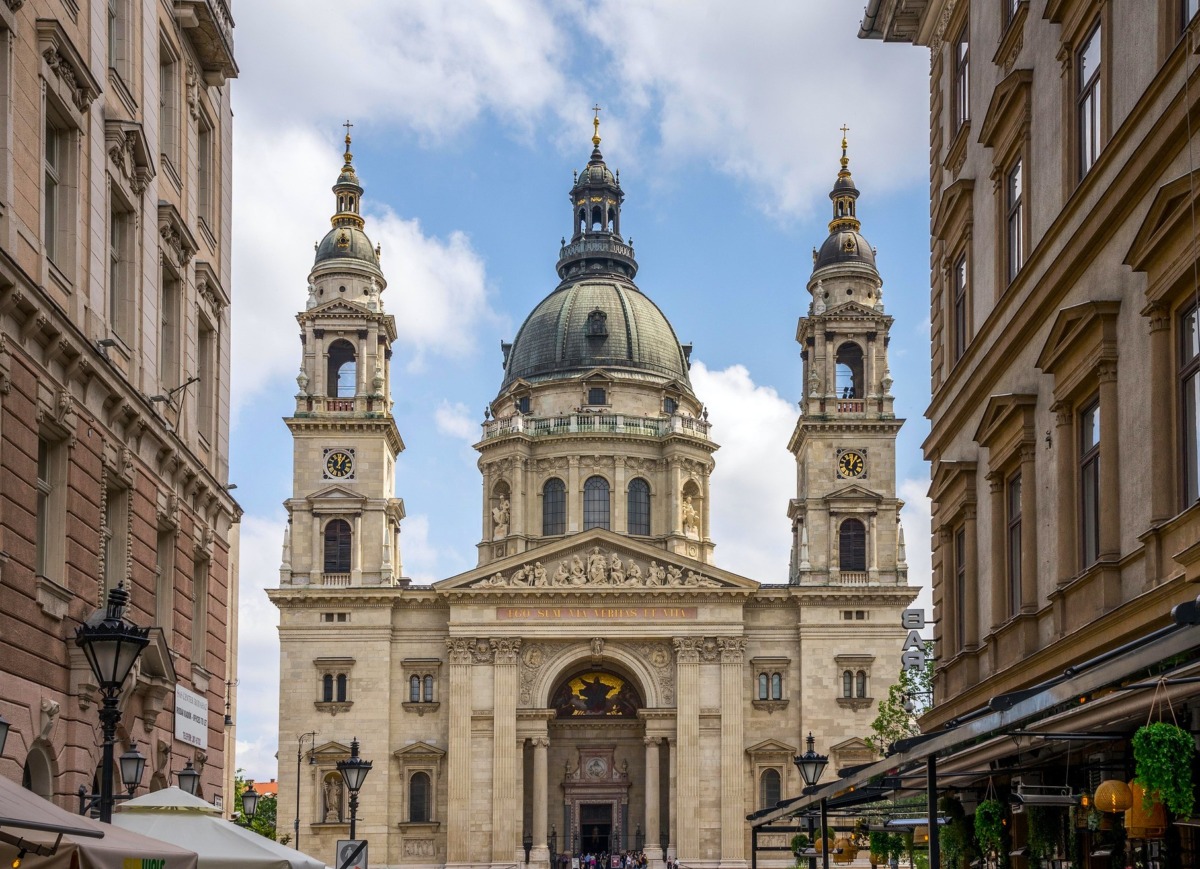
From the Parliament, walk toward St. Stephen’s Basilica, one of Budapest’s most important churches.
I highly recommend going up to the dome, as the views over the city are beautiful and well worth it.
Lunch options
The area around the Basilica is full of good places to eat:
- La Fabbrica: One of my personal favorites (Italian food)
- Belvárosi Lugas Restaurant: For traditional Hungarian dishes
- Langos & Beer: Great for a quick and casual meal
- Bohémtanya Gluten-Free Restaurant: My favorite gluten-free place in the city, just a few minutes’ walk from the Basilica
If you feel like something sweet during your walk, try Hungarian chimney cake at Chimney Cake Kürtős Legenda Bazilika.
Chimney cake is a must-try in Hungary, at any time of day. My personal favorites are the walnut and pistachio versions.
Gluten-free chimney cake is sometimes available at Vitéz Kürtős, but availability can vary.
Evening options: Gellért Hill or food tour
In the evening, you have a few great options.
You can walk up Gellért Hill to see the Danube at sunset. The views from here are especially beautiful.
If you already visited this area on Day 1, another great choice is joining an evening food tour to try even more Hungarian dishes.
As a local, some of the best Hungarian foods I recommend trying are:
- Lángos
- Chimney cake (kürtőskalács)
- Chicken paprikash
- Goulash soup
- Beef stew with dumplings or potato dumplings
- Stuffed and breaded meats (for example, cheese-filled schnitzel) with Hungarian vinegar-based salads, such as cucumber or tomato salad
If you’re curious about stronger flavors, try fisherman’s soup, stuffed cabbage, or Hortobágyi pancakes.

Evening drinks and sights
If you want to go out for a drink in the evening, I recommend The Duchess Rooftop Bar for its excellent city views.
Many tourists also like Szimpla Kert. It’s very popular, although it’s not personally my favorite, but it might be worth seeing for yourself.
Near Szimpla Kert, you’ll also find the Dohány Street Synagogue, which is worth seeing from the outside while walking by. The interior is impressive, but the entrance ticket is quite expensive.
Overall, this plan fills Day 2 in Budapest nicely without feeling rushed, and still leaves room to enjoy the city at a comfortable pace.
Day 3: Heroes’ Square, City Park, thermal baths or museums
For your third day in Budapest, I’ve saved some optional sights.
These places are worth visiting if you have time, but I don’t consider them absolute must-sees.
Heroes’ Square and City Park
Start your day at Heroes’ Square.
Take a short walk around the square and look at the statues of important figures from Hungarian history, as well as the impressive buildings around it, such as the Museum of Fine Arts and the Kunsthalle.
If you have more time, continue walking into City Park.
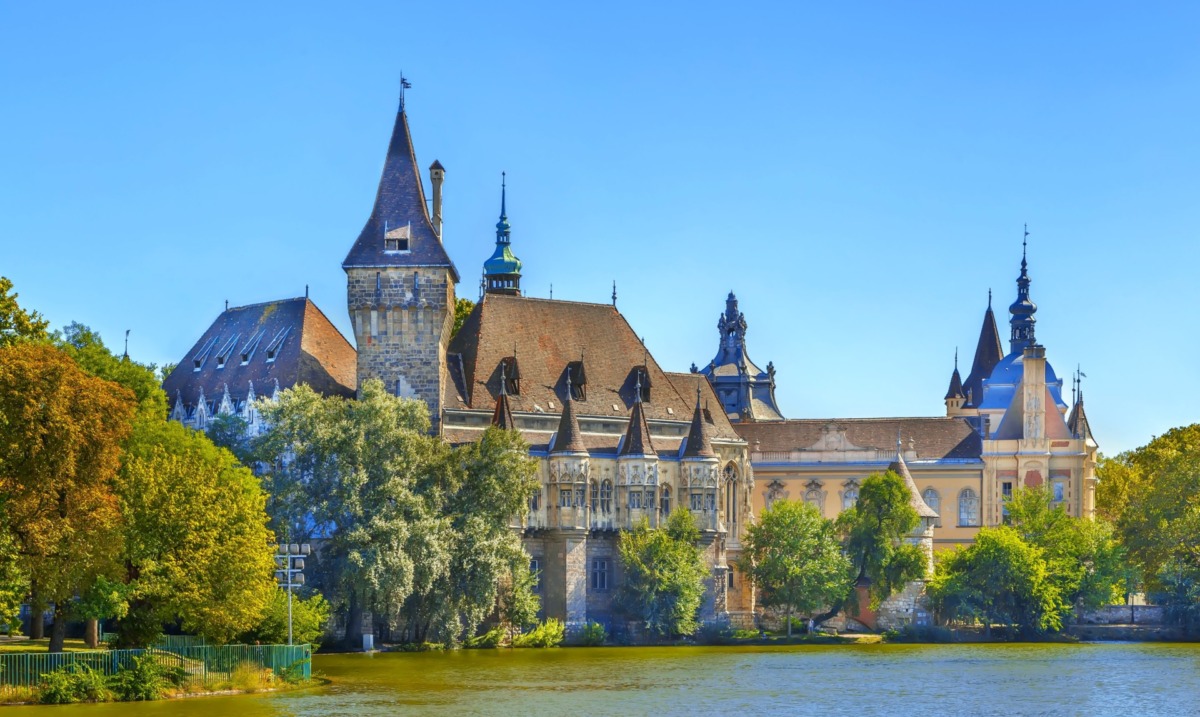
Here, I recommend visiting Vajdahunyad Castle, one of the nicest and most photogenic spots in the park.

For a traditional Hungarian lunch nearby, Paprika Vendéglő is one of the most well-known options in this area.
Thermal baths or family-friendly options
If you’re in the mood for something relaxing, don’t miss Budapest’s famous thermal baths.
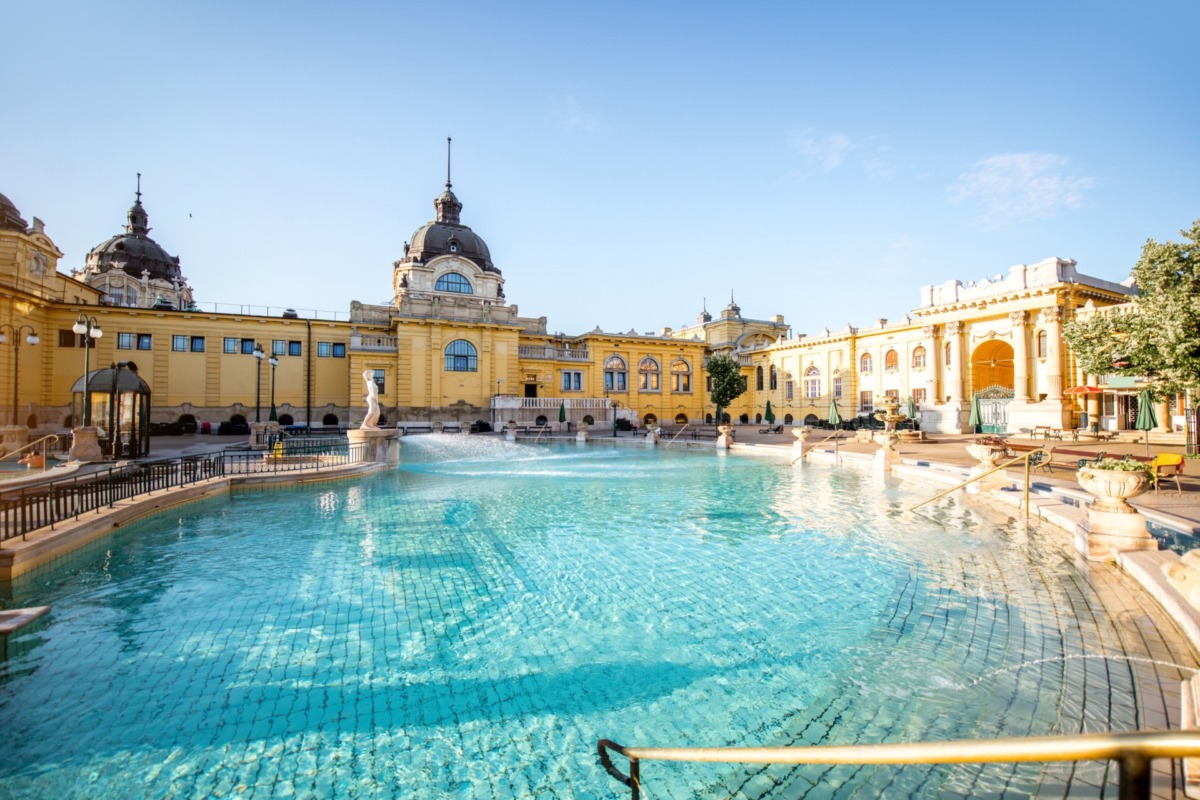
The most well-known bath nearby is Széchenyi Thermal Bath.
It’s quite expensive, but it’s also one of Budapest’s most iconic attractions.
If you’re traveling with family, another good option is the Budapest Zoo, which is also located inside City Park.
Museums and optional extras
If you enjoy culture or history, you can spend the afternoon visiting one or two museums.
Some good options include:
- Hungarian National Museum
- House of Terror Museum
- Museum of Fine Arts
You’ll also find many smaller museums, especially on the Pest side of the city.
As optional stops, if you still have time, you can visit Madame Tussauds Budapest, or stop by the famous New York Café. It’s very popular with tourists and known for its impressive interior.
Optional Budapest highlights: If you have more time
If you have extra time in Budapest, or want to swap one activity from the itinerary, here are some optional but popular highlights worth considering:
- Hungarian State Opera House: A beautiful historic building. Even if you don’t attend a performance, it’s worth seeing from the outside. Guided tours are also available.
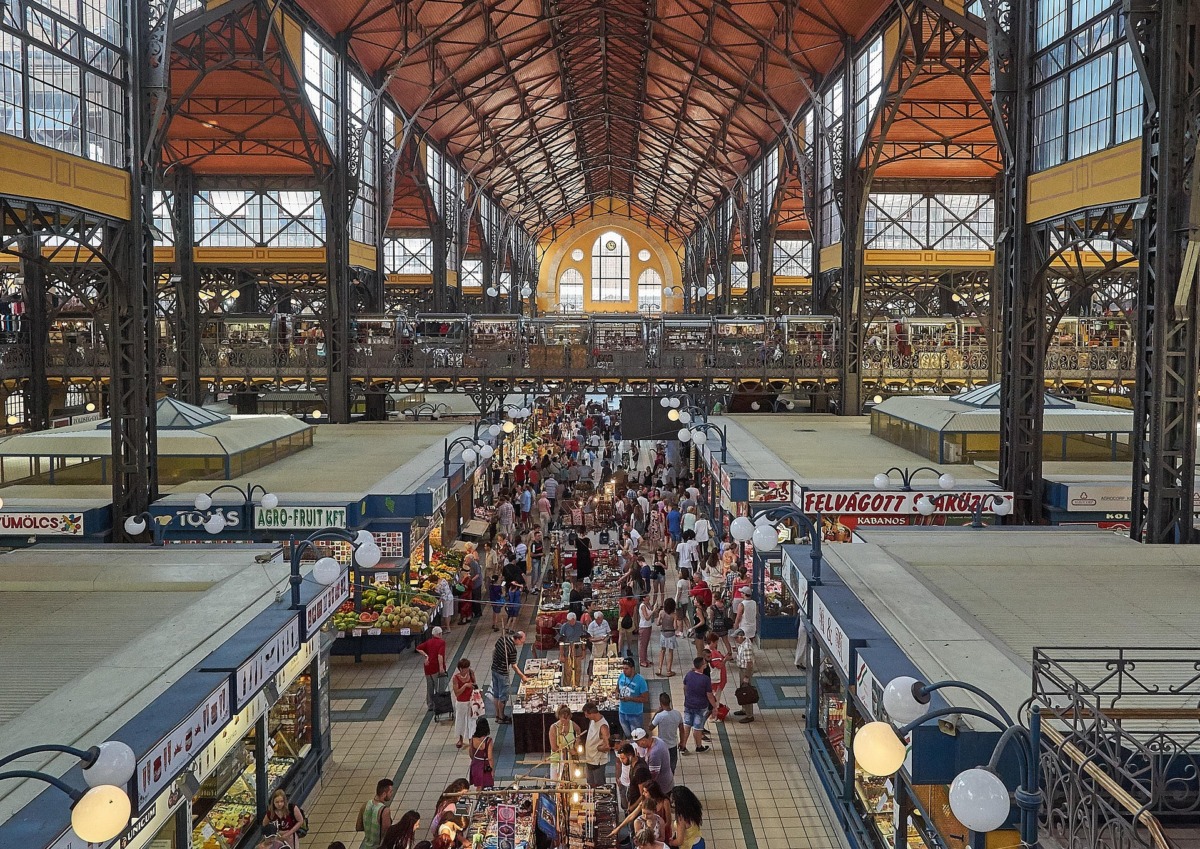
- Great Market Hall: A lively market with local food, spices, souvenirs, and quick street food.
- Margaret Island: Popular island in the middle of the Danube. Ideal for a relaxed walk, bike ride, or break from sightseeing.
- Hungarian National Gallery: Located inside Buda Castle. A good option if you enjoy art or want an indoor activity, especially on a rainy day.
Overall, these sights and experiences comfortably fill 1, 2, or 3 days in Budapest, depending on your pace.
They give you a realistic and enjoyable overview of the city’s best landmarks, views, food spots, and experiences.
And with that, we’ve reached the end of this 1-, 2-, and 3-day Budapest travel itinerary.
I hope this guide helped you decide how many days to spend in Budapest, based on what you can realistically see and enjoy. As someone who lives in Budapest, my goal was to share practical, experience-based advice, not just a checklist of sights.
This Budapest guide is designed to help you plan smartly, whether Budapest is your main destination or just one stop on a Prague–Vienna–Budapest itinerary or a longer Central Europe trip.
If you’re planning to explore more of Hungary or nearby destinations, check out my other travel guides, where I share local insights, honest tips, and realistic itineraries.
And once your plan is ready, don’t wait: book your hotel, reserve your tickets, and experience Budapest like more than just a tourist.

Hi! I’m Adri, the creator of Traveltipzone.com and Italianwanderlust.com.
I’ve explored over 30 countries so far and travel to around 15 each year — some new places and others I love returning to. I’m especially passionate about Southern Europe, particularly Italy, and the United Arab Emirates.
Follow my journeys for firsthand travel tips and inspiration!


