
Egypt is one of the most well-known travel destinations, and most people already have a picture of it in their mind.
The pyramids, temples, and desert landscapes look incredible in photos, but the real experience feels very different once you get there.
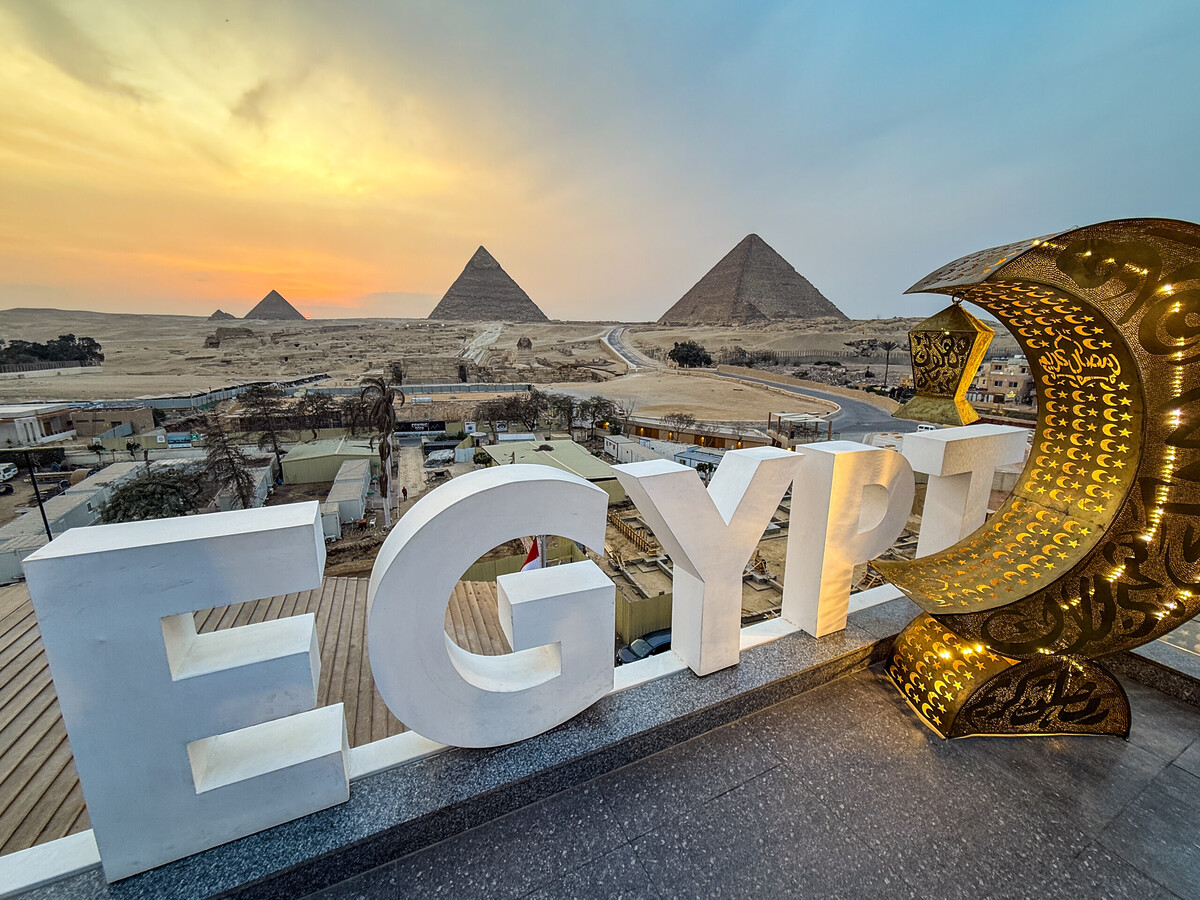
For me, Egypt is one of the most intense and unforgettable destinations I’ve ever visited. It’s not always easy, but that’s exactly what makes it special.
After my trip, I felt it was time to put everything into one complete Egypt travel guide, and this is the guide you’re reading now.
Ready for a trip to Egypt?
Here are some quick recommendations on what to book for your trip:
Best places to stay:
- In Giza: Hyatt Regency Cairo West
- In Cairo: Le Méridien Cairo Airport
- In Abu Simbel: Azal Lagoons Resort Abu Simbel
- In Luxor: Steigenberger Resort Achti
- In Hurghada / El Gouna: CREEK Hotel & Residences El Gouna
Best things to do:
In this article, you’ll find a full Egypt travel guide with as much practical information as possible.
I want to help you plan your trip step by step and avoid the most common mistakes. You’ll learn what to expect, the best places to visit, where to stay, how to get around, what the weather is like, what to wear, how safe Egypt is, and much more.
So let’s start with a quick overview of the most important things to know, and then go through each topic in detail.
Quick overview of this Egypt travel guide
Here are the short answers to the main questions about Egypt:
- Why visit: Ancient history, pyramids, temples, desert landscapes, Nile River, unique culture
- Language: Arabic, but English is widely spoken in tourist areas
- Currency: Egyptian pound (EGP)
- Getting around: Domestic flights, trains, private drivers, guided tours
- Best time to visit: October to April
- How many days: 7 to 10 days for a first trip
- Local rules: Dress modestly, especially outside resorts; expect strong local culture and different norms
- Safety: Generally safe in tourist areas, but expect scams and pushy sellers
- Tap water: Not safe to drink, use bottled water
- Do you need a tour guide?: Not necessarily
- Day trip to Abu Simbel: Yes, it’s worth it
These basic questions can help you decide whether a trip to Egypt is right for you:
Where is Egypt?
Egypt is located in the northeastern part of Africa, along the Mediterranean Sea and the Red Sea. It is mostly a desert country, with some mountainous areas.
The population is around 120 million people, and most of them live along the Nile and in a few coastal cities. Because of this, the population density is very high in the inhabited areas.
Is Egypt worth visiting?
Yes, I think Egypt is one of those destinations you should see at least once in your life. Who wouldn’t want to see the Pyramids of Giza or the coral reefs of the Red Sea?
Egypt is a beautiful country with so much to offer for travelers. You just need to prepare well for the trip.
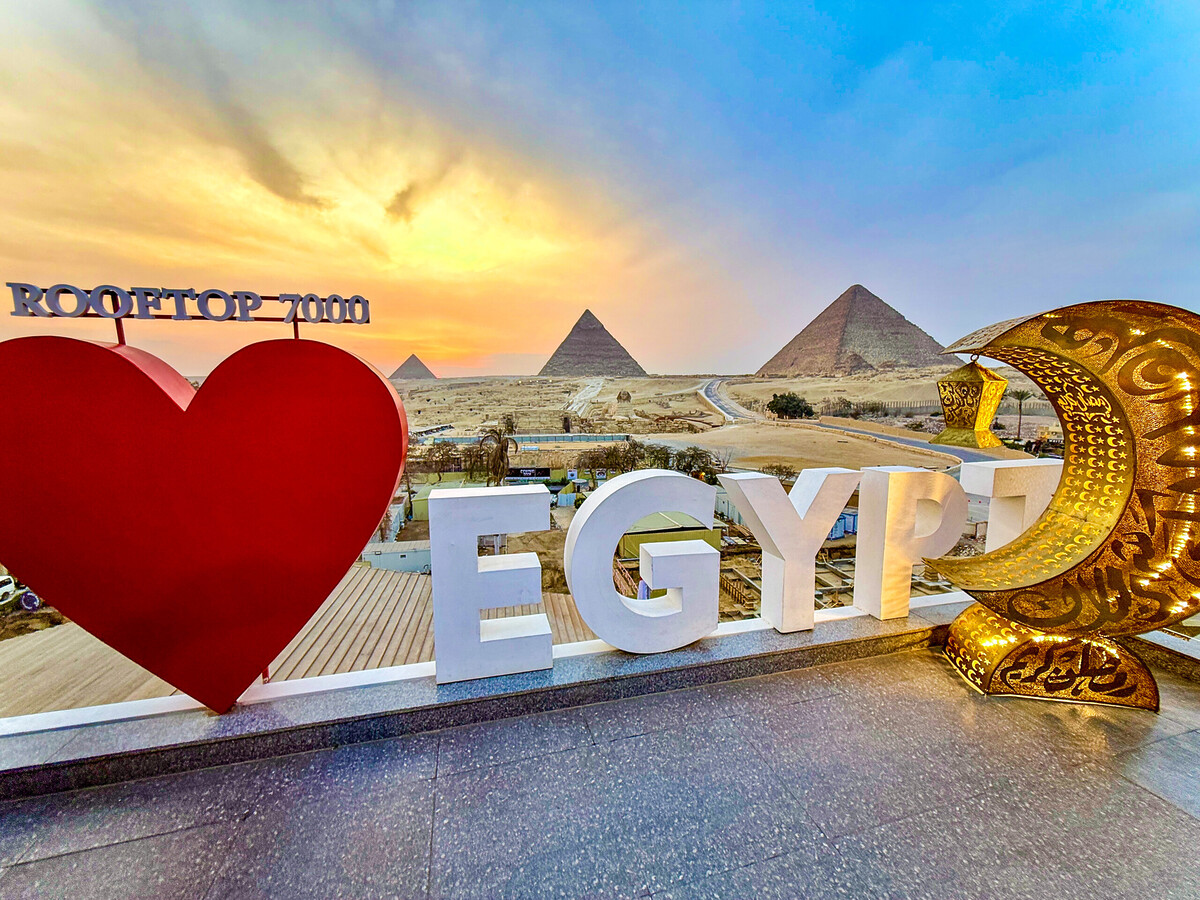
What makes Egypt special?
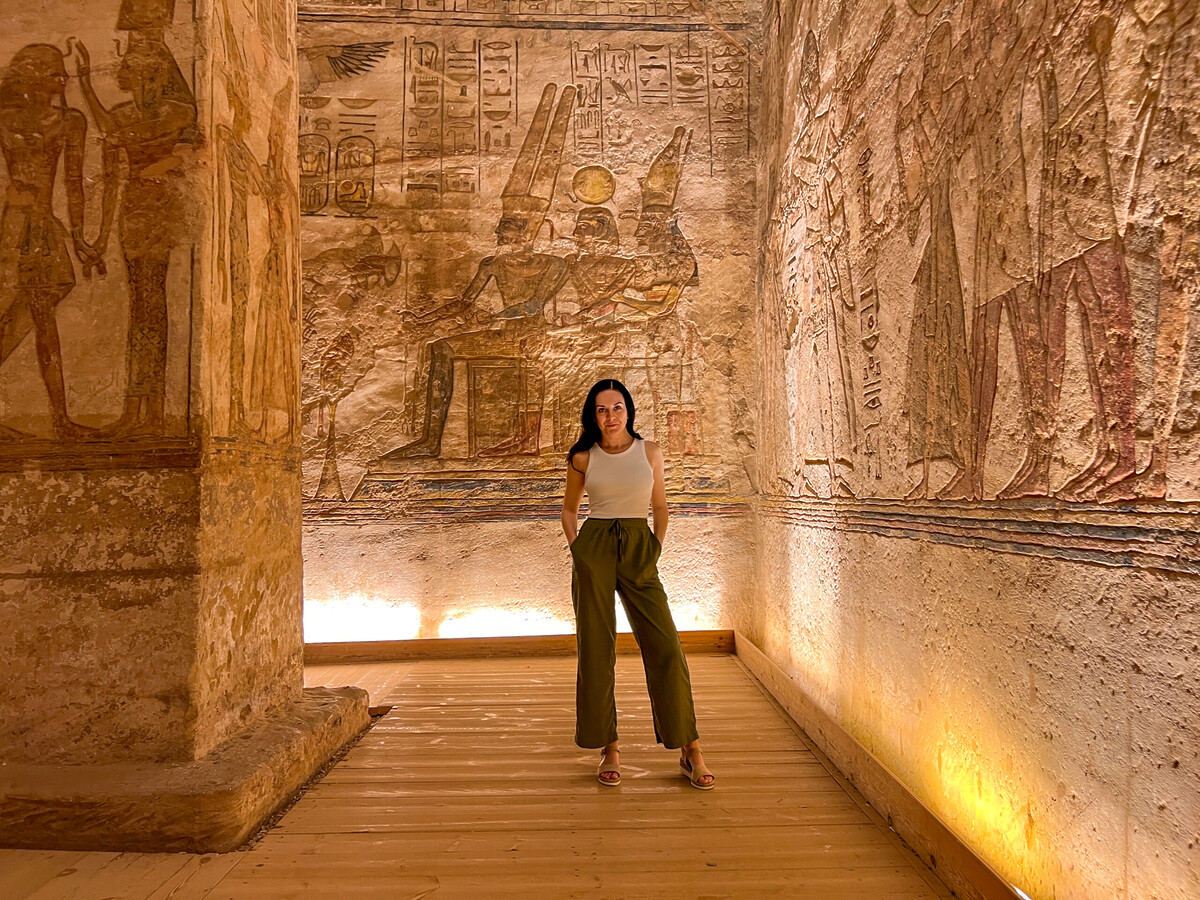
The ancient Egyptian culture is what truly makes it unique. Nowhere else in the world can you see pyramids like these, such detailed hieroglyphs, burial sites, and such a huge historical and cultural heritage from thousands of years ago like in Egypt.
At the same time, the Red Sea has an incredibly rich marine life, which is why Egypt is also a very popular destination for beach holidays.
Who will enjoy Egypt the most?
Egypt is perfect for those who love historical places, ancient sights, temples, and museums.
The coastline is a favorite for travelers who enjoy diving, snorkeling, and boat trips. It’s an amazing place for these activities, and the Red Sea stays warm for many months, which makes it ideal for swimming.
Best places to visit in Egypt
Egypt has a lot to offer, from ancient historical sites to beach destinations along the Red Sea. Here are the main places you should consider for your trip:
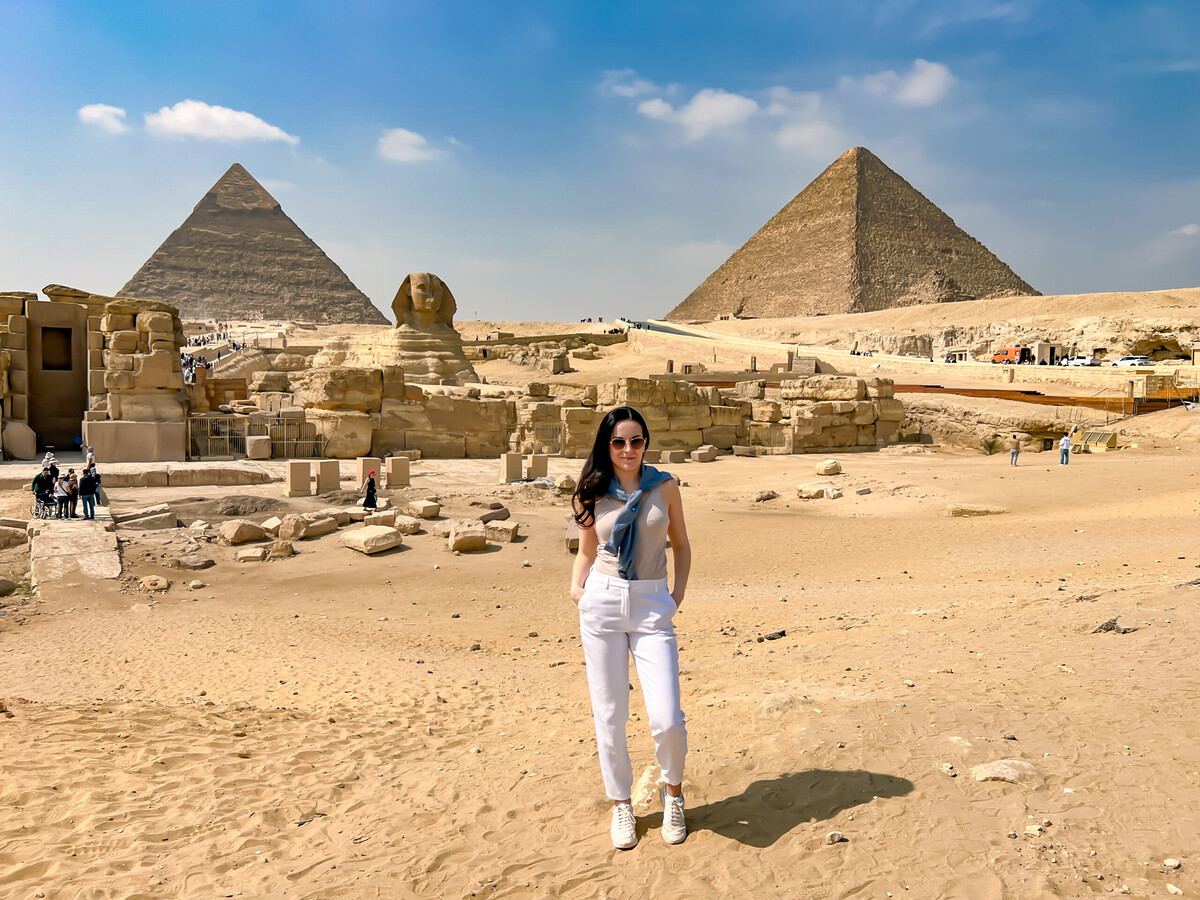
Giza: Pyramids of Giza & the Sphinx, Grand Egyptian Museum
This is the most iconic place in Egypt and usually the highlight of any trip.
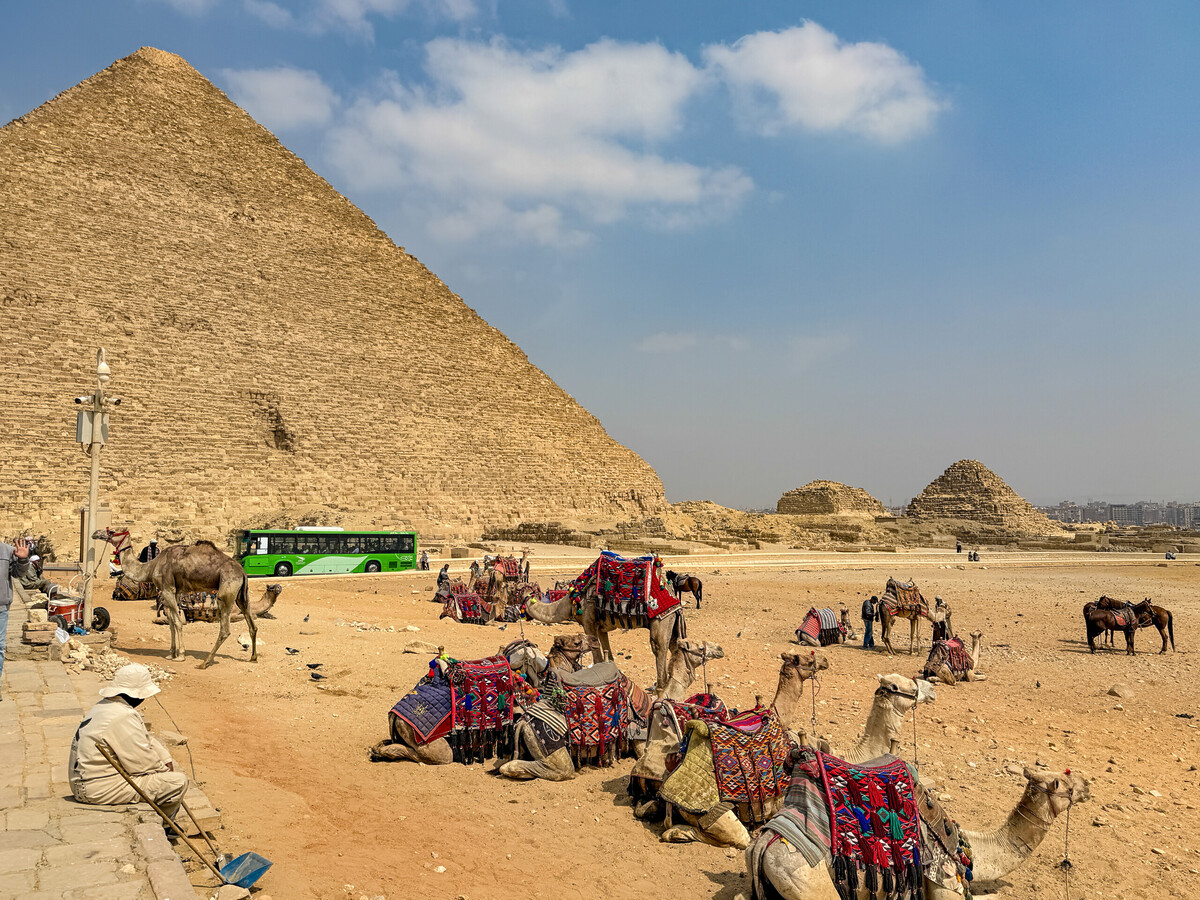
The Pyramids of Giza and the Sphinx are exactly what you imagine, but much bigger and more impressive in real life. You can walk around them, take photos, go on a camel ride, or even go inside one of the pyramids.
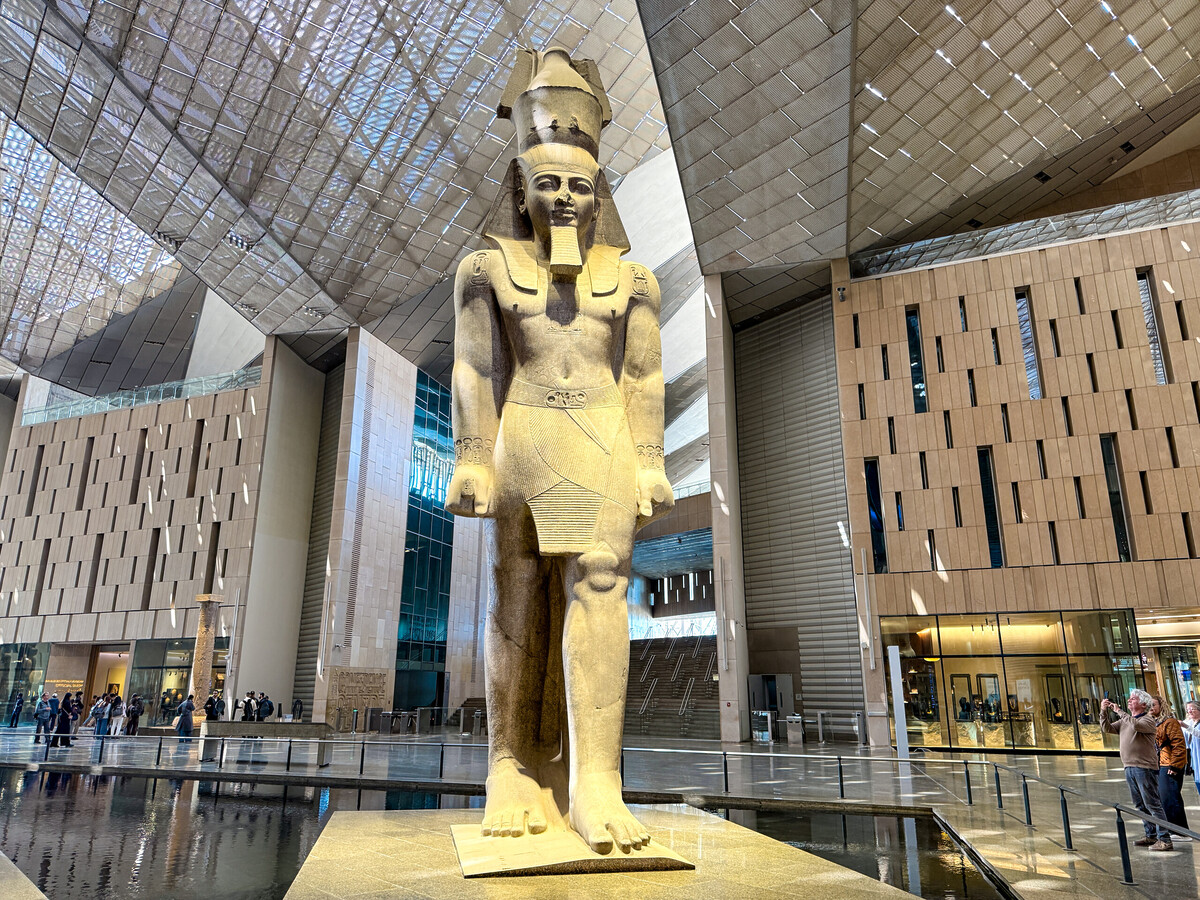
Very close to this area, you’ll find the Grand Egyptian Museum, one of the newest and largest museums in the world. It has huge exhibition halls, massive statues, and a full Tutankhamun collection.
Cairo
Cairo is the capital and the busiest city in Egypt.
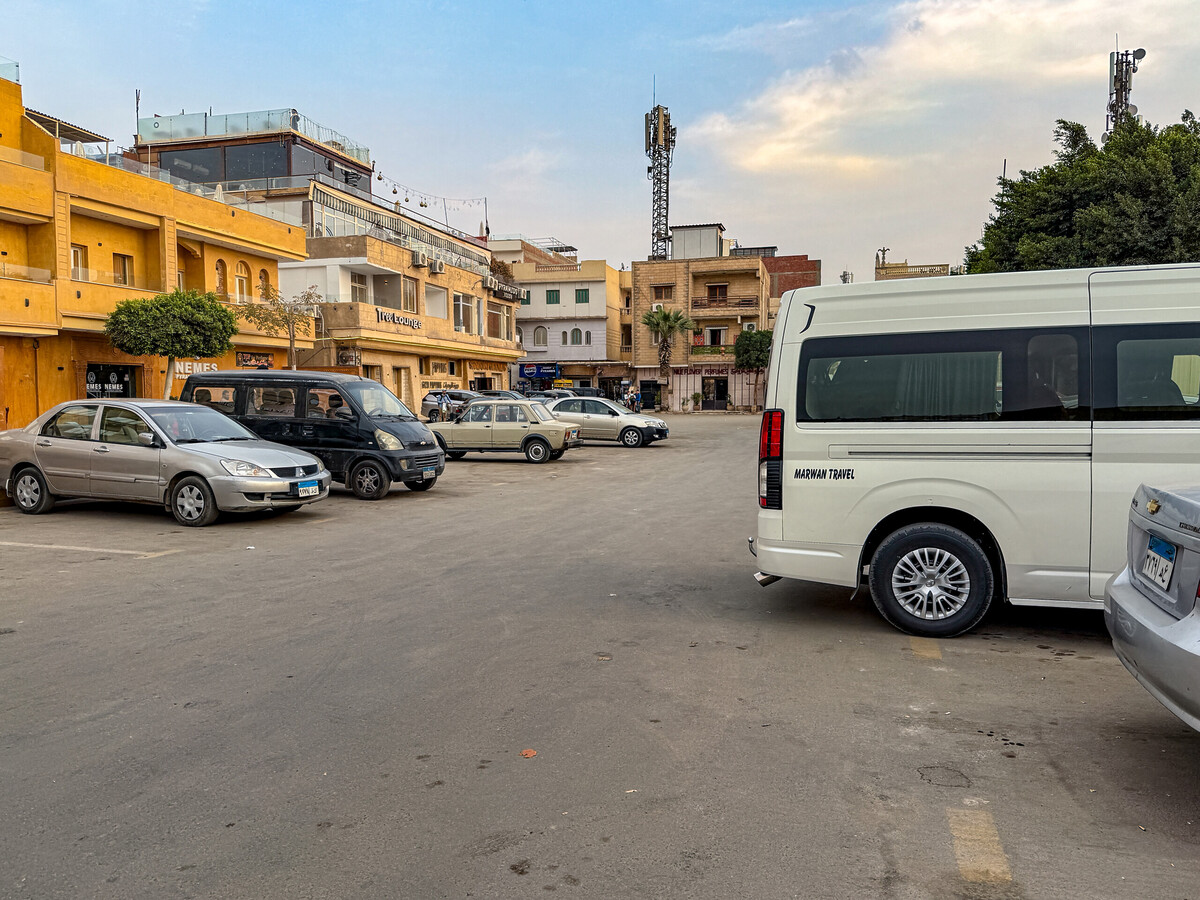
It’s chaotic, loud, and not always easy, but it also has many interesting places. Besides the nearby pyramids, you can visit the Cairo Tower, museums, or explore different parts of the city.
Cairo is usually the starting point of most trips, and you’ll likely spend at least one or two days here.
Alexandria
Alexandria is Egypt’s main Mediterranean coastal city.
It has a completely different atmosphere compared to Cairo, with a more relaxed, seaside feeling. The city is known for its history, especially the ancient Library of Alexandria and its connection to Greek and Roman culture.
Today, it’s more about the coastal views, the Corniche, seafood restaurants, and a slower pace. It’s usually visited as a day trip from Cairo.
Luxor: Valley of the Kings, Karnak Temple, Luxor Temple
Luxor is one of the most important historical destinations in Egypt.
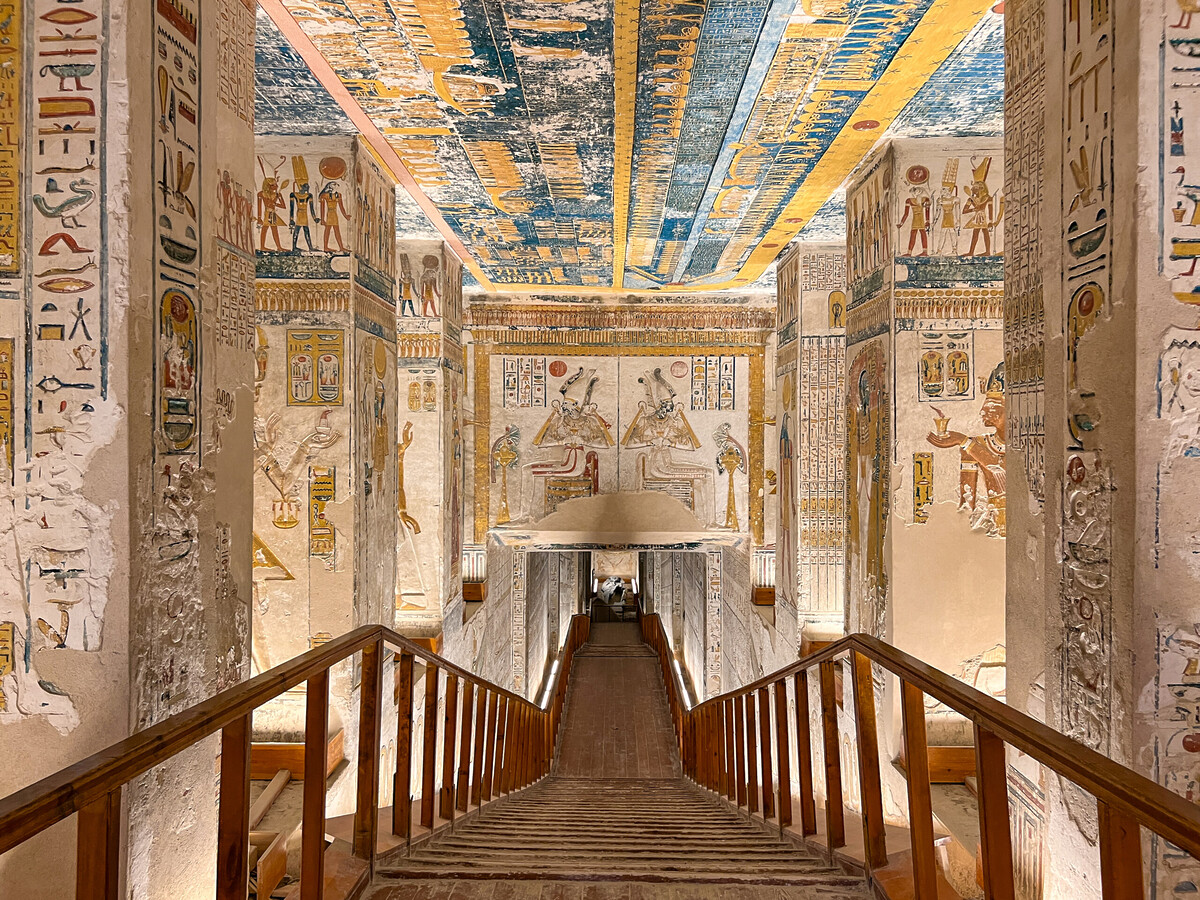
Here you’ll find the Valley of the Kings, where many pharaohs were buried, and where you can visit several tombs.
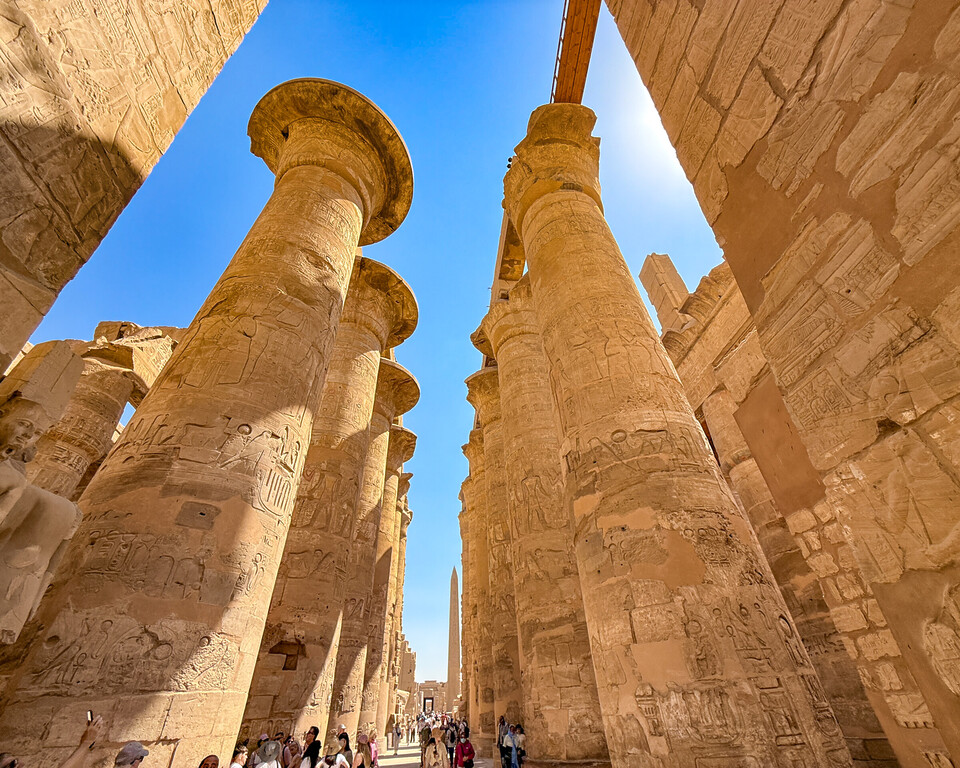
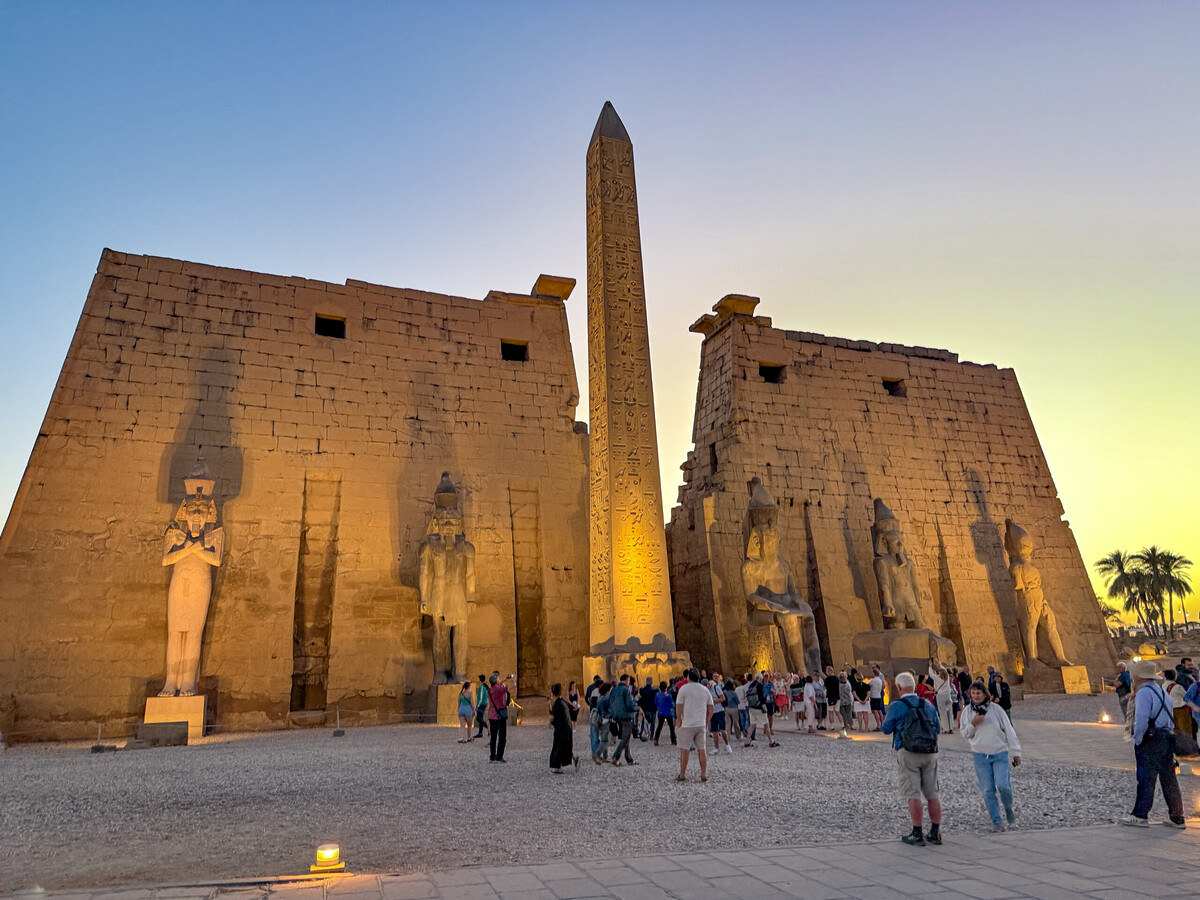
The Karnak Temple is also a must-see. It’s one of the largest temple complexes in the world, and you can easily spend hours walking through it.
There are many more temples and historical sites here, so it’s worth spending at least one full day in Luxor.
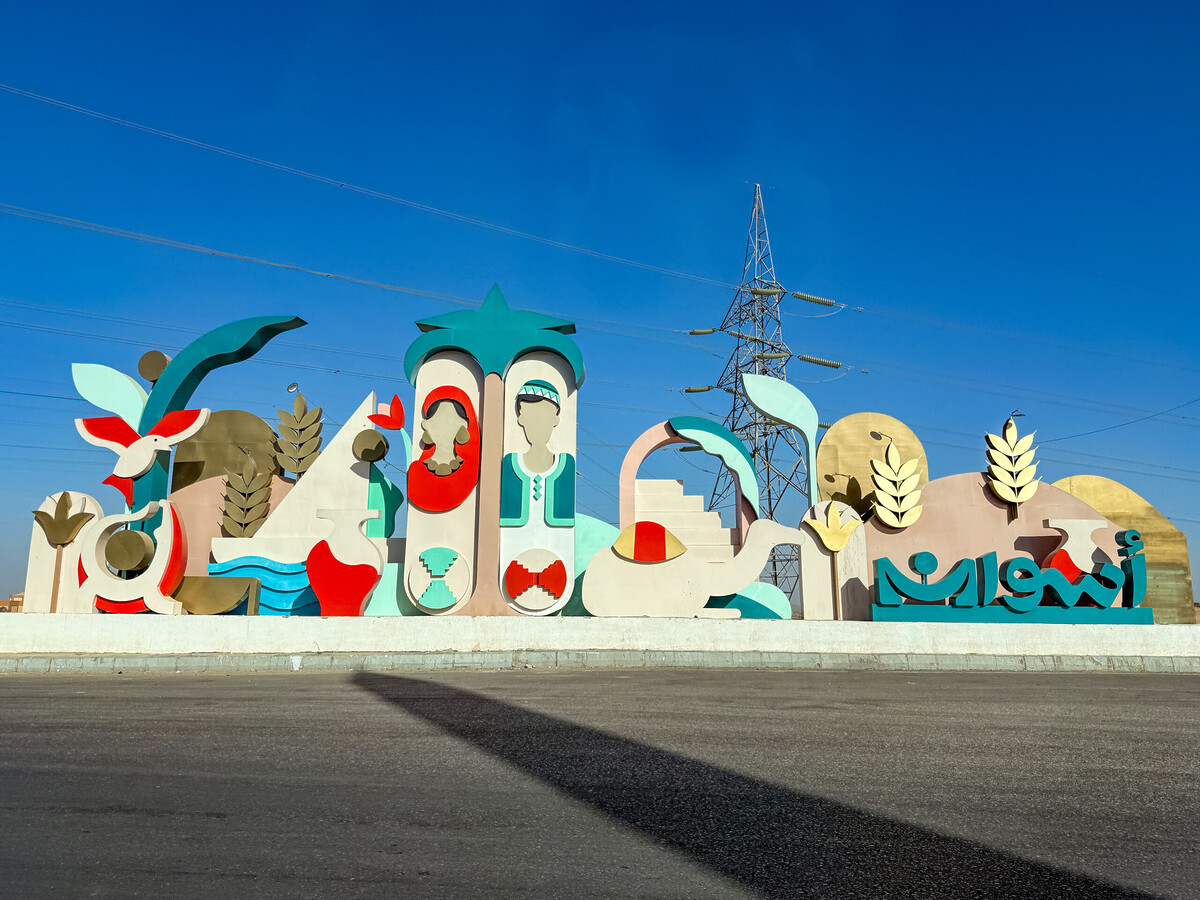
Aswan
Aswan is a quieter city along the Nile, with a more relaxed atmosphere compared to Cairo or Luxor.
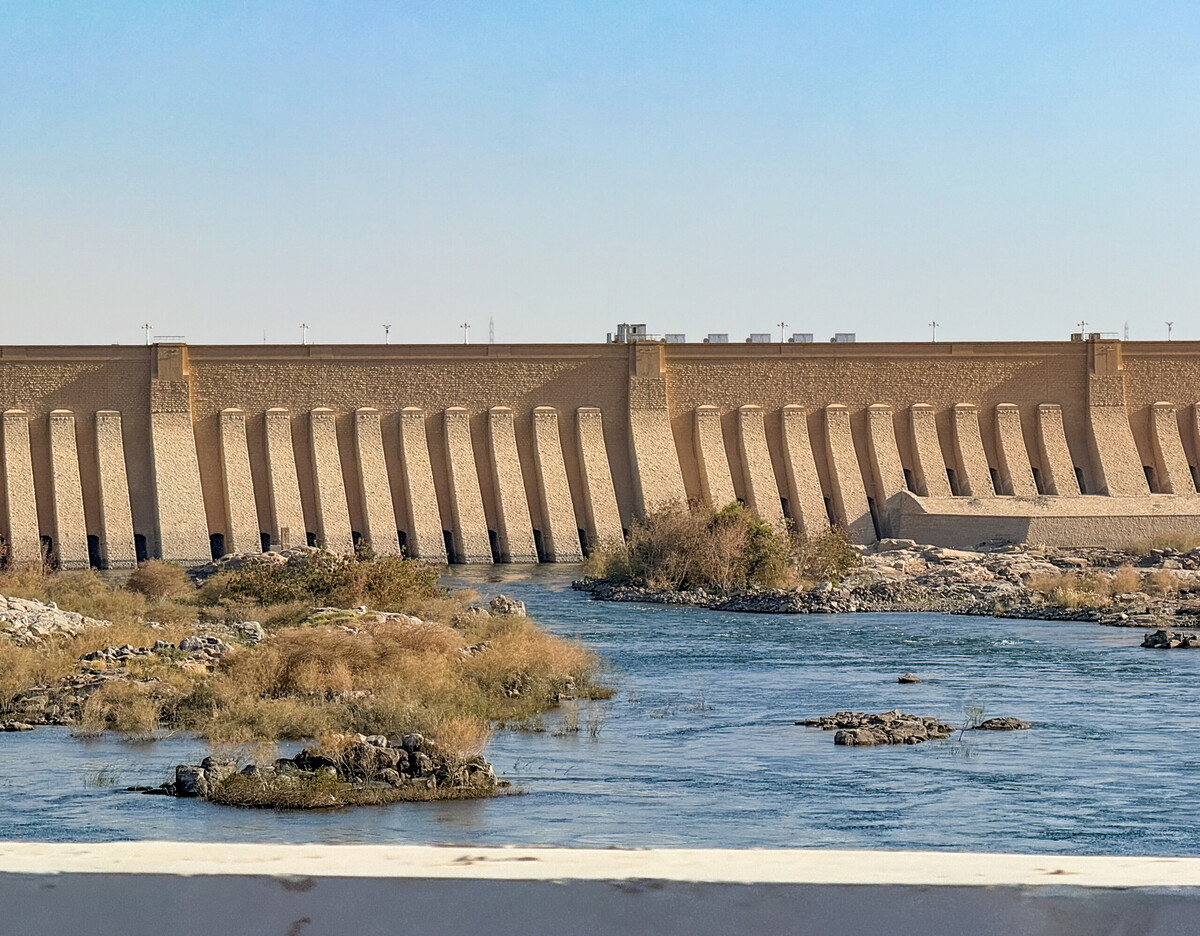
One of the main attractions here is the Philae Temple, which you can reach by boat. You’ll also see the Aswan High Dam and enjoy beautiful views of the Nile.
Aswan is often used as a base for visiting Abu Simbel.
Abu Simbel
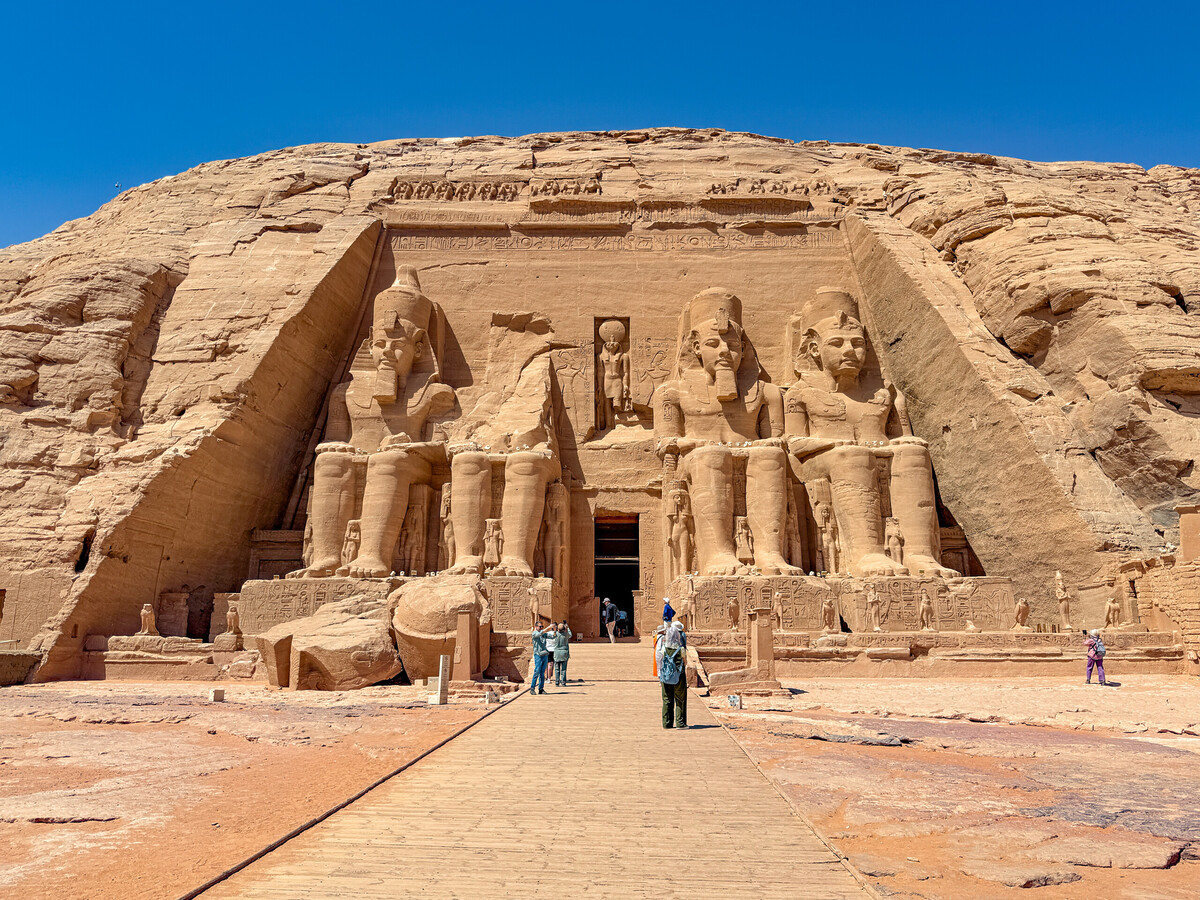
Abu Simbel is one of the most impressive places in Egypt.
The two temples built by Ramses II are huge and incredibly detailed. What makes them even more special is that they were moved to a higher location to protect them from flooding when the Aswan Dam was built.
It takes some effort to get here, but it’s absolutely worth it. Try to visit later in the day if possible, because mornings can be very crowded.
Hurghada & the Red Sea
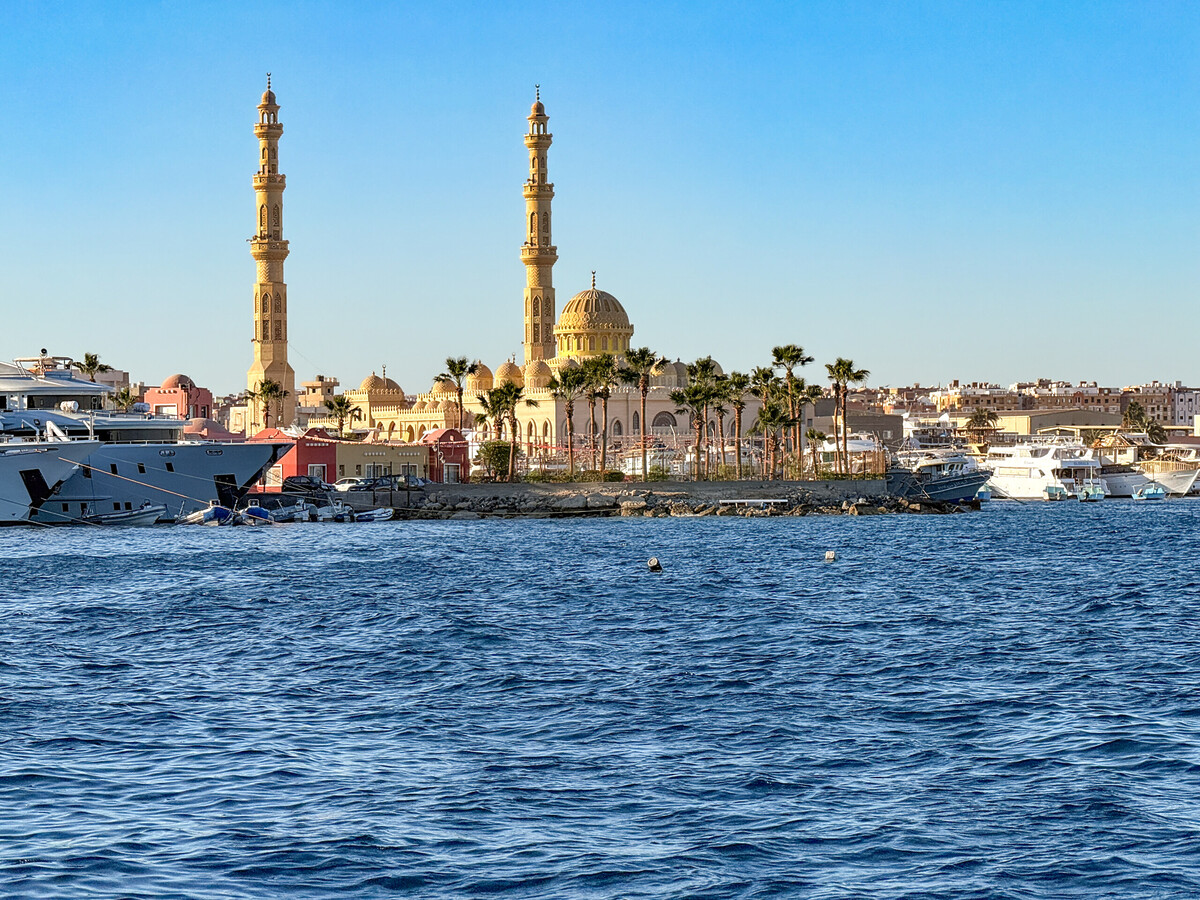
Hurghada is one of the most popular beach destinations in Egypt.
Here you’ll find resorts, beaches, and many activities like snorkeling, diving, and boat trips.
The Red Sea has very rich marine life, so even a short boat trip can be a great experience.
Sharm El Sheikh
Sharm El Sheikh is another popular Red Sea resort destination, located on the Sinai Peninsula.
It’s known for its luxury resorts, clear water, and some of the best diving and snorkeling spots in Egypt. Many people come here for all-inclusive holidays.
Compared to Hurghada, it often feels more organized and resort-focused, with less chaos and easier logistics for tourists.
If you’re planning your first trip, these are the places I would focus on. You don’t need to see everything, but choosing a few of these will already give you a very complete Egypt experience.
How many days should you spend in Egypt?
If you have less than 7 days, I would focus only on the essentials. In my opinion, Giza and Luxor are the minimum, and for that I recommend at least 4–5 days. In this case, I would skip Abu Simbel, Aswan, and Hurghada.
We explored the main highlights in 7 days, which was a bit fast-paced, but still very rich in experiences and definitely doable. In my opinion, 7 days is an ideal amount of time for a first trip to Egypt.
If you prefer a slower pace or want to add more places and activities, I would recommend 10–14 days. With that much time, you can explore the country in more depth. If you have more time, you can extend your trip with places like Sharm El Sheikh or the Siwa Oasis, which are also worth adding a few extra days to your itinerary.
The perfect 7-Day Egypt itinerary
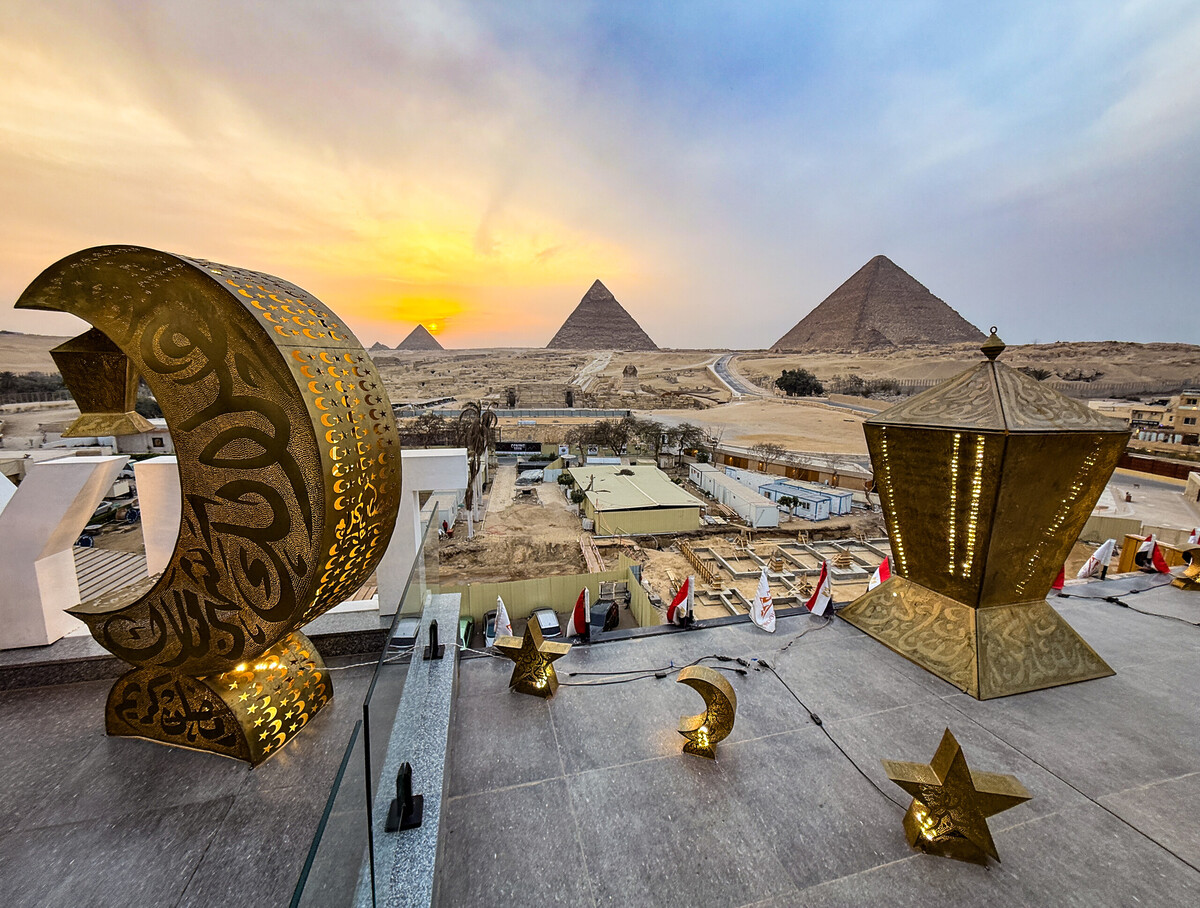
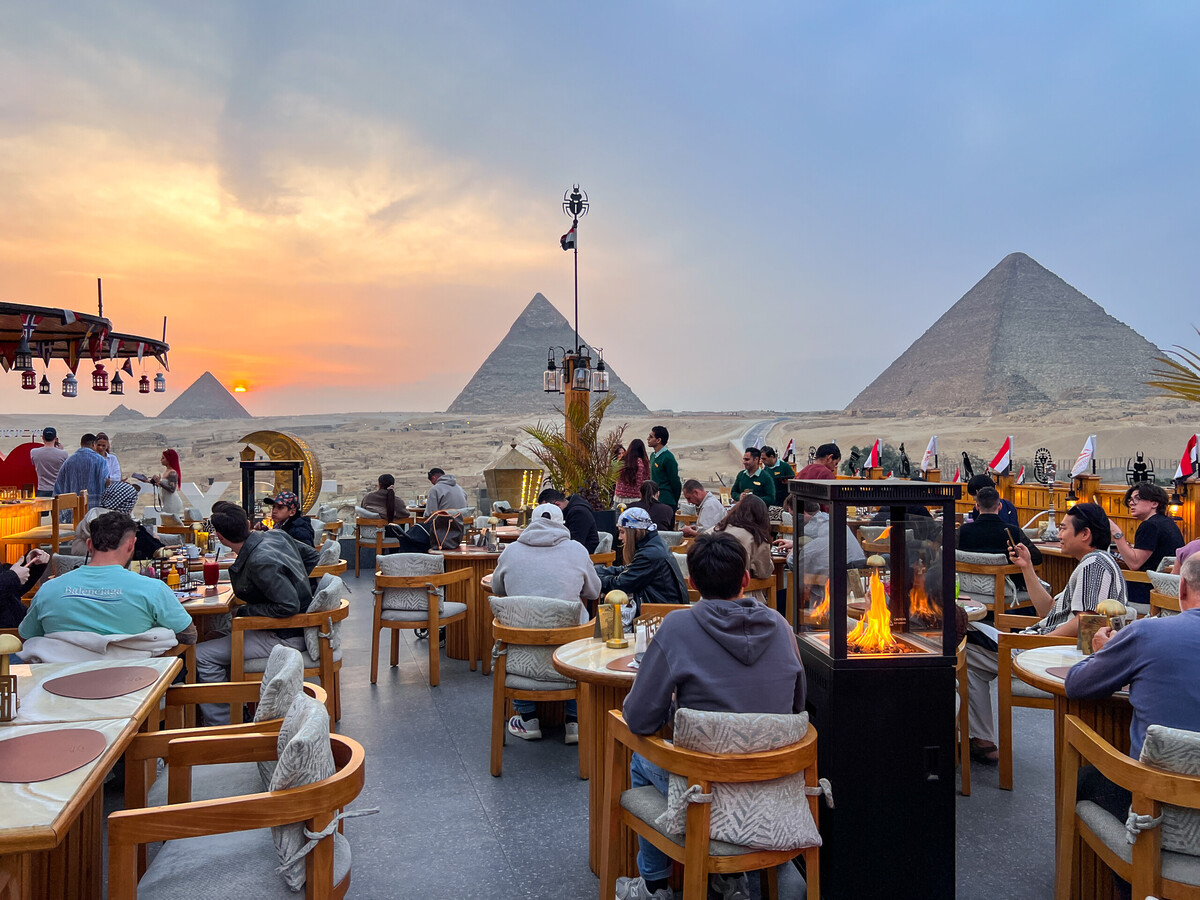
- Day 1: Giza: Visit the Grand Egyptian Museum, then relax with dinner at a rooftop restaurant with pyramid views.
- Day 2: Giza and Cairo: Explore the Pyramids of Giza and the Sphinx, then continue with a few Cairo highlights.
- Day 3: Aswan and Abu Simbel: Take an early flight to Aswan, then continue to Abu Simbel and visit the temples.
- Day 4: Aswan and Luxor: Drive back to Aswan, stop at Philae Temple, then continue to Luxor.
- Day 5: Luxor: Spend the day exploring Luxor’s main attractions, including Karnak Temple, the Valley of the Kings, and Luxor Temple.
- Day 6: Hurghada: Drive from Luxor to Hurghada, then enjoy the marina or some time by the Red Sea.
- Day 7: Hurghada: Take a boat trip on the Red Sea, go snorkeling, or relax before your flight home.
Best time to visit Egypt
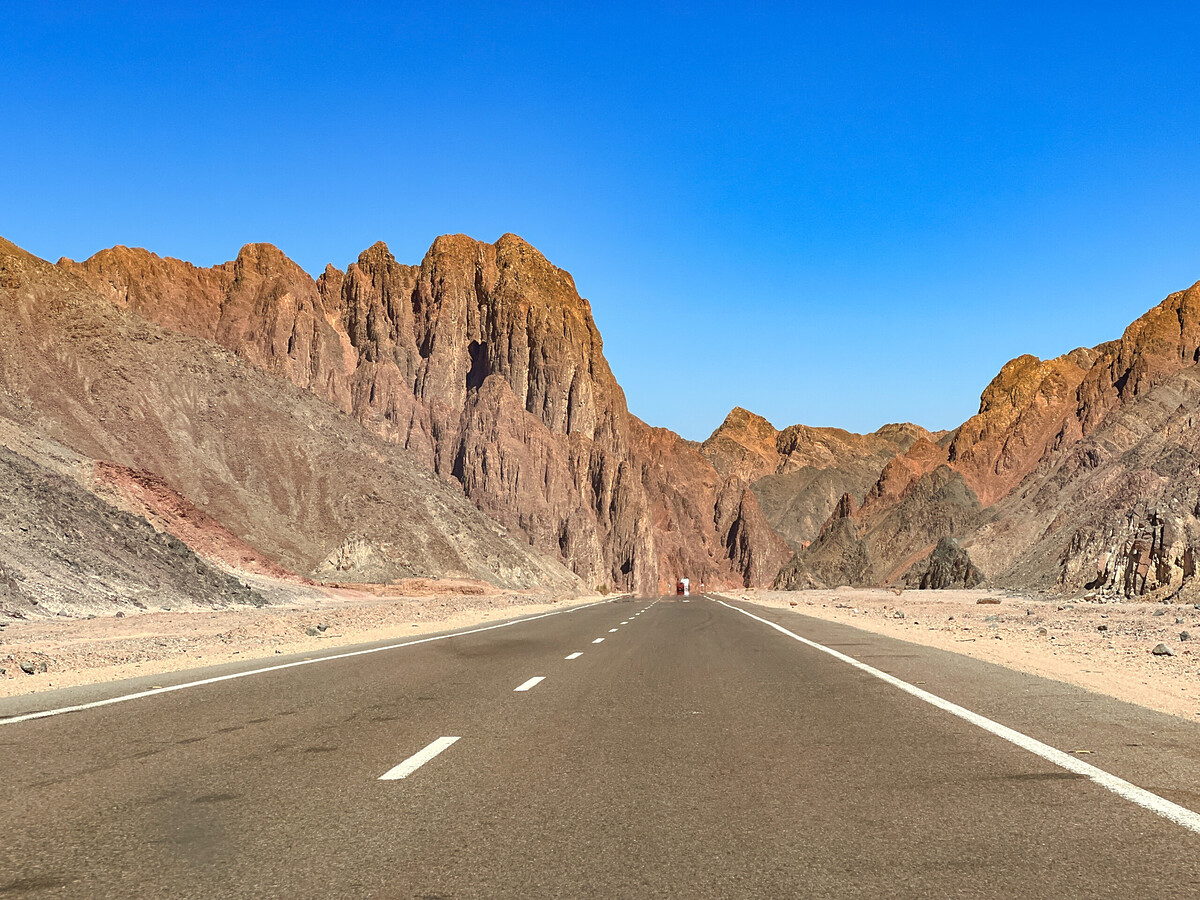
The main tourist season in Egypt usually runs from October to April.
If you are planning a sightseeing trip, I especially recommend the winter months, when you can avoid the extreme heat. From November to March, the weather is usually very pleasant, with daytime temperatures between 18 and 30°C and almost no rain.
If your main goal is a beach holiday, late summer and autumn are better choices. From August to November, the Red Sea is warm and perfect for swimming. However, keep in mind that cities can still be very hot during the day in these months.
Early mornings are a big advantage in Egypt. Many attractions open very early, sometimes around 6–7 AM, and most close in the afternoon, often around 5 PM.
Because of this, it’s best to plan sightseeing for the morning and early afternoon, while evenings are usually quieter.
Traveling to Egypt during Ramadan
In the coming years, Ramadan often falls during the main tourist season, so it’s important to check the dates before planning your trip.
Personally, I wouldn’t recommend traveling during Ramadan. Many restaurants stay closed during the day, and attractions often close earlier than usual. Some places may even close around 3 PM, which can make planning more difficult.
I actually visited Egypt during Ramadan myself, but based on that experience, I wouldn’t choose this period again.
How to get to Egypt
Almost all tourists arrive in Egypt by plane, so the easiest way to start planning your trip is by checking flight comparison websites.
The national airline is EgyptAir, which operates flights from many international destinations.
Main international airports
I visited several airports in Egypt, including Cairo, Giza, Hurghada, and Aswan.
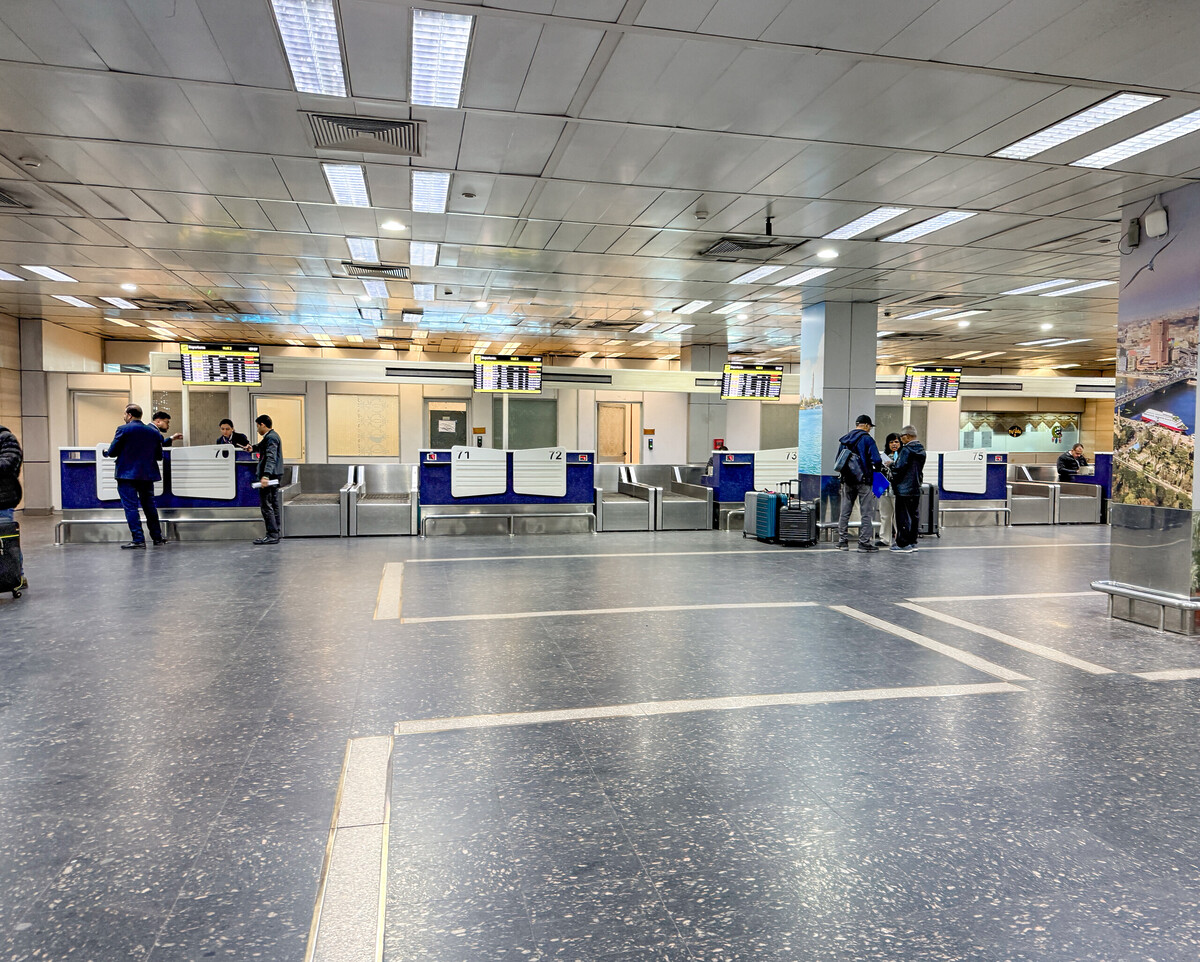
Out of these, Cairo International Airport is the largest and best equipped. However, you shouldn’t expect airports similar to those in Western Europe.
Many airport buildings feel outdated, cleanliness can be inconsistent, and there are police and security officers everywhere checking documents.
Security can also be very strict and time-consuming. Even with many staff members, the process can feel slow and less organized than what you might be used to.
Flights to Cairo vs Hurghada
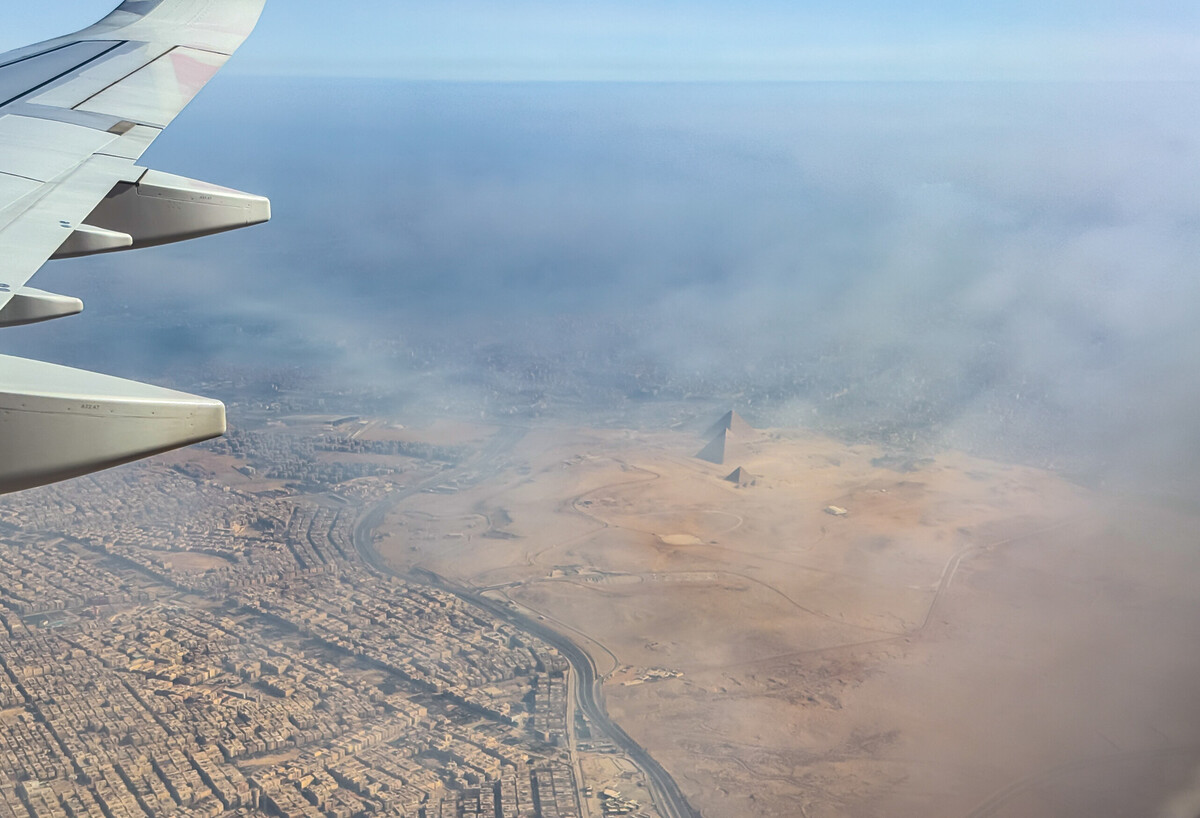
Most international flights arrive in Cairo, which is the best choice if you are planning a classic Egypt itinerary with historical sites.
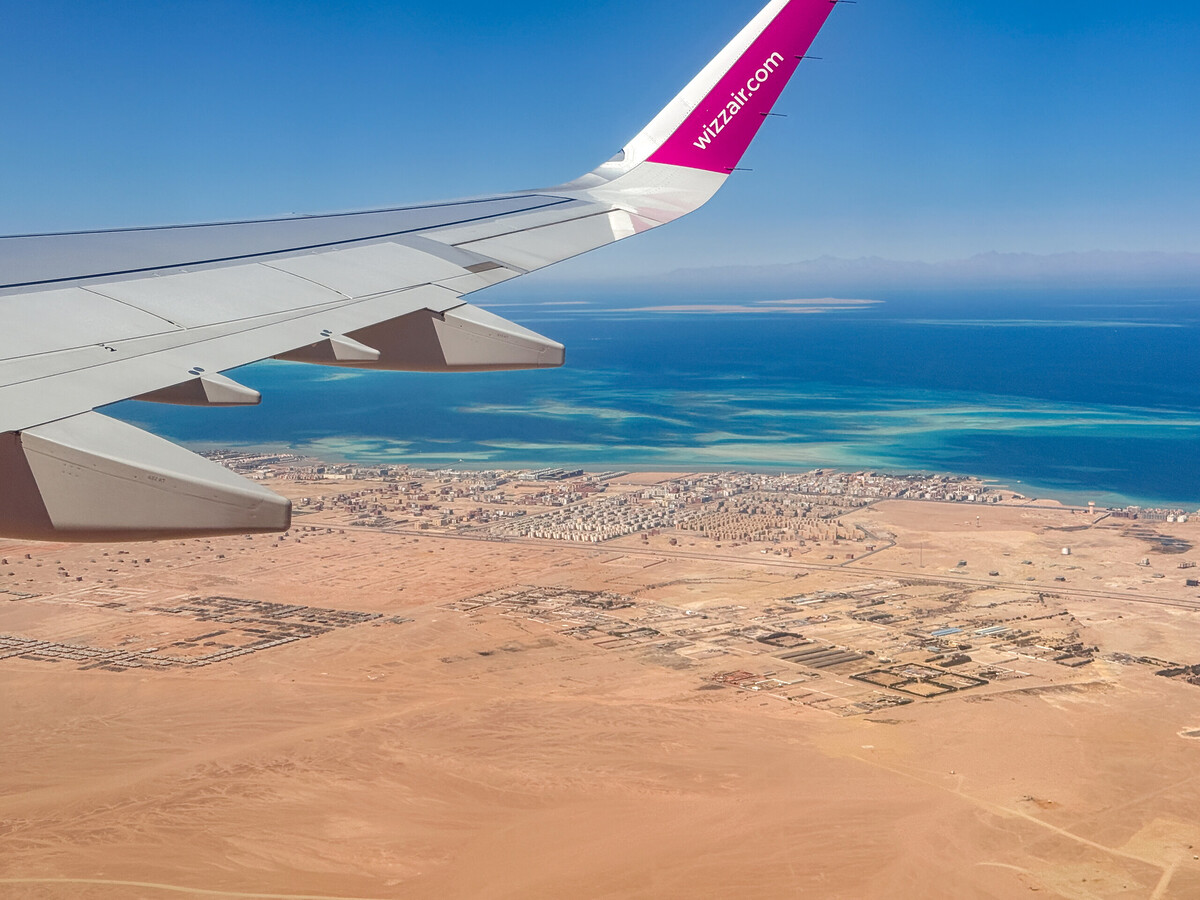
If your main goal is a beach holiday, flying directly to Hurghada is often easier and saves time.
In many cases, travelers combine both: arriving in Cairo, then continuing to the Red Sea by bus or domestic flight.
Visa requirements
You will need a visa to enter Egypt, which currently costs 30 USD.
Although it’s possible to apply online, I personally wouldn’t recommend it. When we arrived, some travelers had problems because their visas were not approved in time.
For this reason, it’s often easier to buy the visa on arrival at the airport. You just go to a bank counter, pay the fee, and receive a visa sticker for your passport.
You’ll also need to fill out a small entry form, so bring a pen with you.
When leaving Egypt, you’ll have to fill out a similar form again at exit control.
How to get around Egypt
This is one of the most important parts of planning your trip, and honestly one of the most difficult decisions.
There are several options, and each has its pros and cons depending on your travel style.
Domestic flights
Domestic flights are very common in Egypt and can save a lot of time.
We flew between Cairo and Aswan, and it made the trip much easier compared to traveling by land.
The main airlines are EgyptAir, Air Cairo, and Nile Air.
Airport procedures are still stricter than in Europe, but much faster than international flights.
Trains (Cairo to Luxor, Aswan)
There are trains running along the Nile, connecting Cairo, Luxor, and Aswan.
They are generally considered safe and comfortable, especially if you prefer not to fly.
However, buying tickets online can be difficult, and many signs at stations are only in Arabic. Luggage handling can also be unclear.
Because of this, we personally chose not to rely on trains.
Bus tours
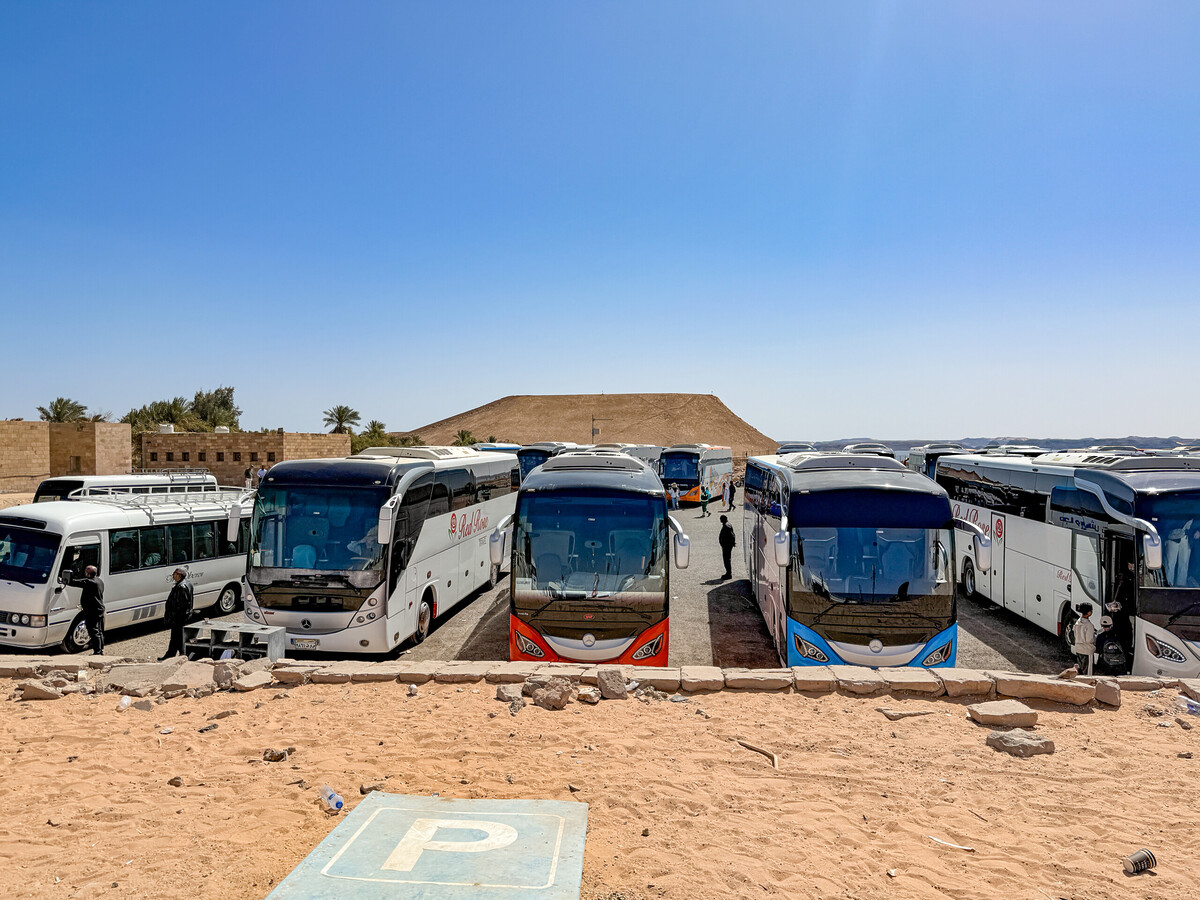
Buses are usually the cheapest way to travel in Egypt.
The most common companies are GoBus and BlueBus.
However, not all destinations are covered, and traveling with larger luggage can be inconvenient.
Some travelers also mention long stops or less comfortable conditions, so this option often requires compromises.
Private drivers
Private drivers and transfers are widely available in Egypt and are a very flexible option.
You can use taxis or apps like Uber and Careem in many cities.
For longer distances, private transfers can be a good alternative if you don’t want to drive yourself.
Self driving
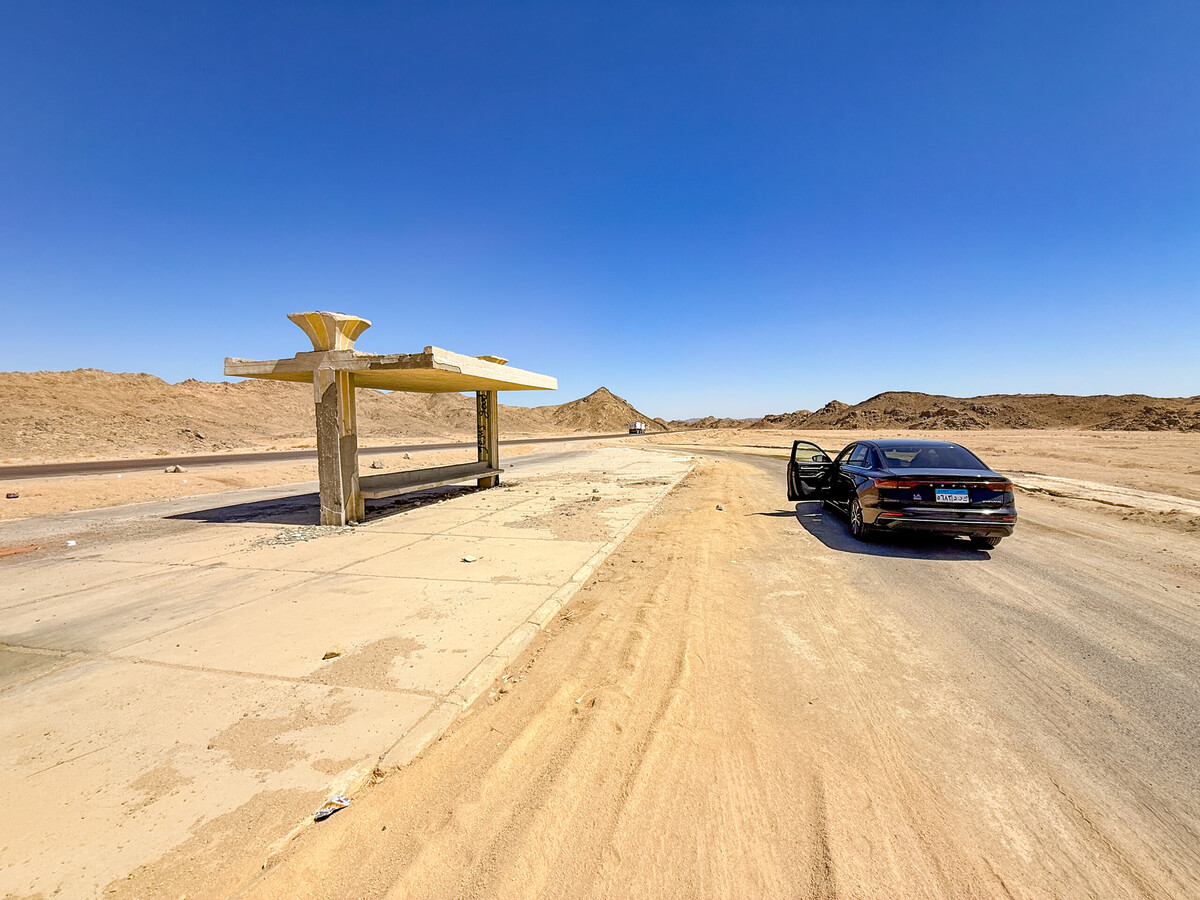
We decided to rent a car and drive ourselves, and honestly, we didn’t regret it.
Even though many people tried to discourage us, it turned out to be manageable.
You will need:
- your passport
- rental car documents
- an international driving license
Police checkpoints are common, but during our 2000 km road trip we were only stopped twice, and it was very simple.
Fuel is also extremely cheap compared to Europe.
Is it safe to drive in Egypt?
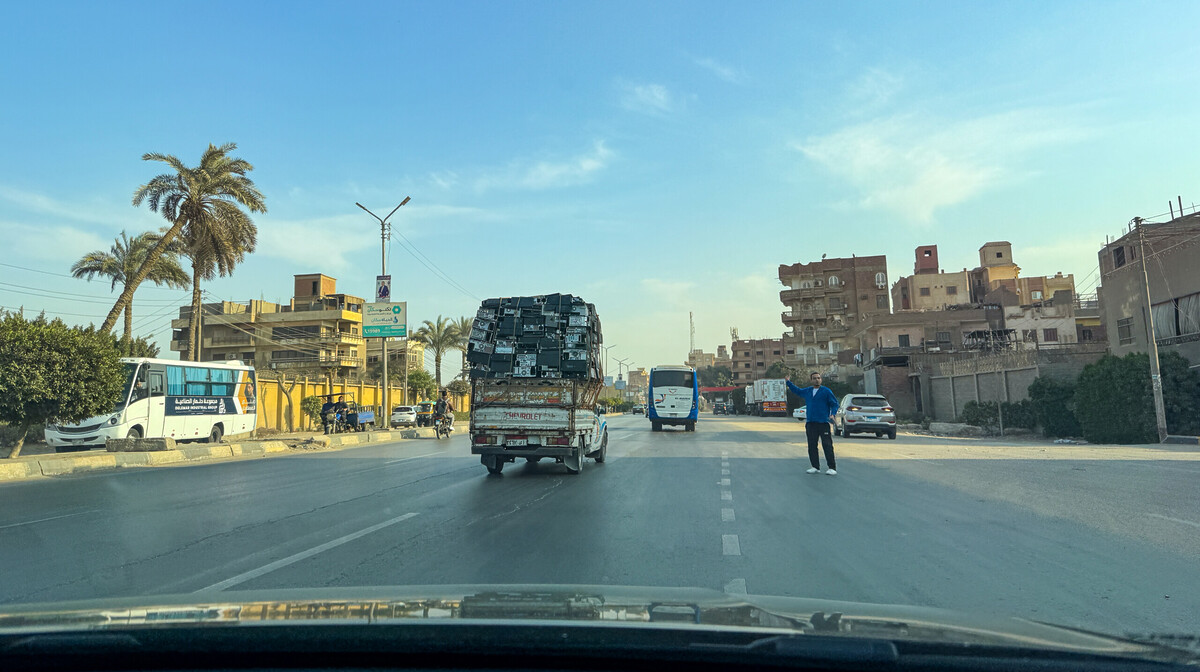
Driving in Egypt is not dangerous in the way many people describe it, but it is definitely challenging.
Traffic can feel chaotic, and local driving habits are very different.
Here are a few things you should be prepared for:
- Speed bumps and potholes can be everywhere
- Driving is slow, even if distances look short
- Drivers often ignore rules and use the horn constantly
- Overtaking happens from all directions
- Vehicles can appear unexpectedly, even from the wrong direction
- At night, driving becomes much harder and I wouldn’t recommend it
It helps a lot if you follow the flow of traffic instead of trying to strictly follow every rule.
Overall, I would only recommend self driving if you are confident and experienced.
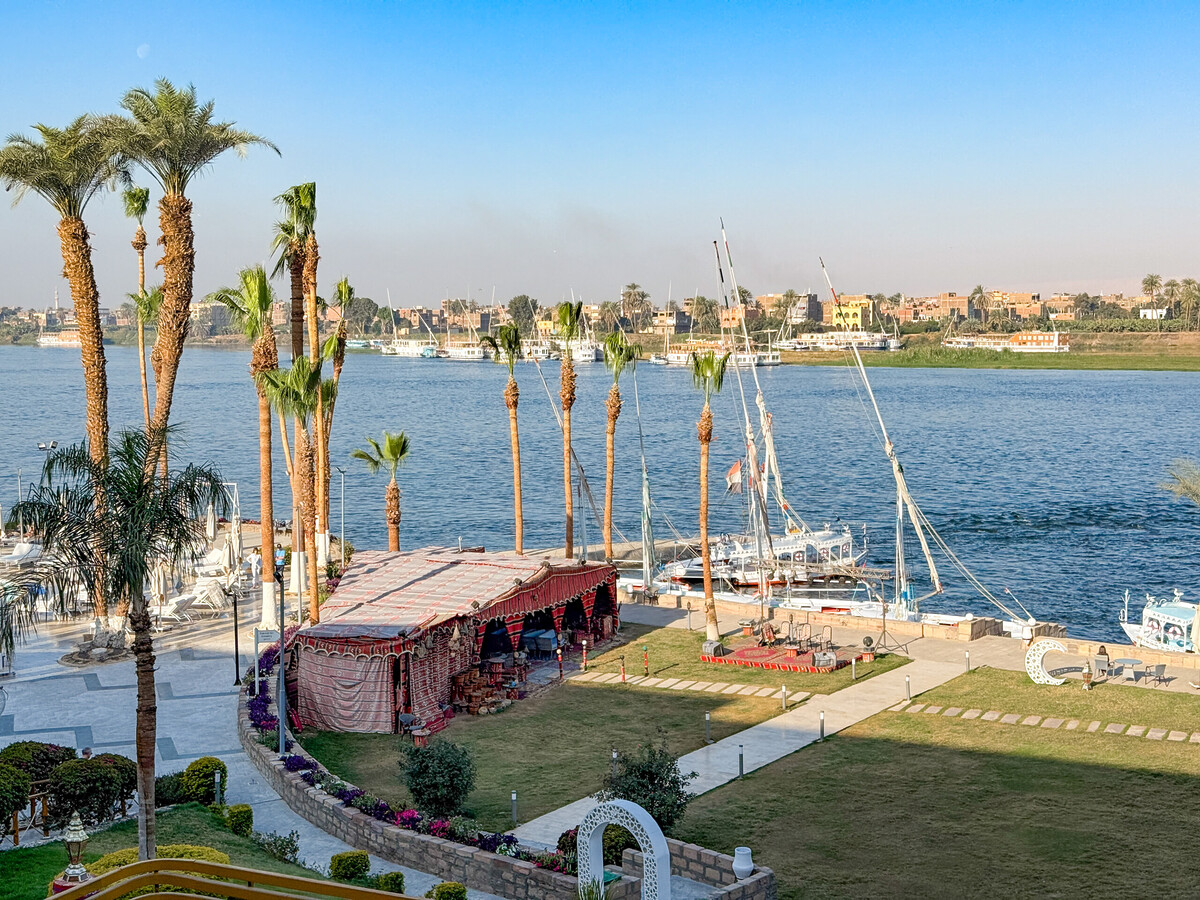
Another option is Nile cruises, which are also very popular. However, I only recommend them if you have enough time, as they are quite slow when traveling between cities. If you simply want to experience the Nile, you can also find shorter boat trips within the cities themselves.
Where to eat during your trip
I already recommended a few places above, but in general, I suggest relying on 5-star hotels and well-known restaurants.
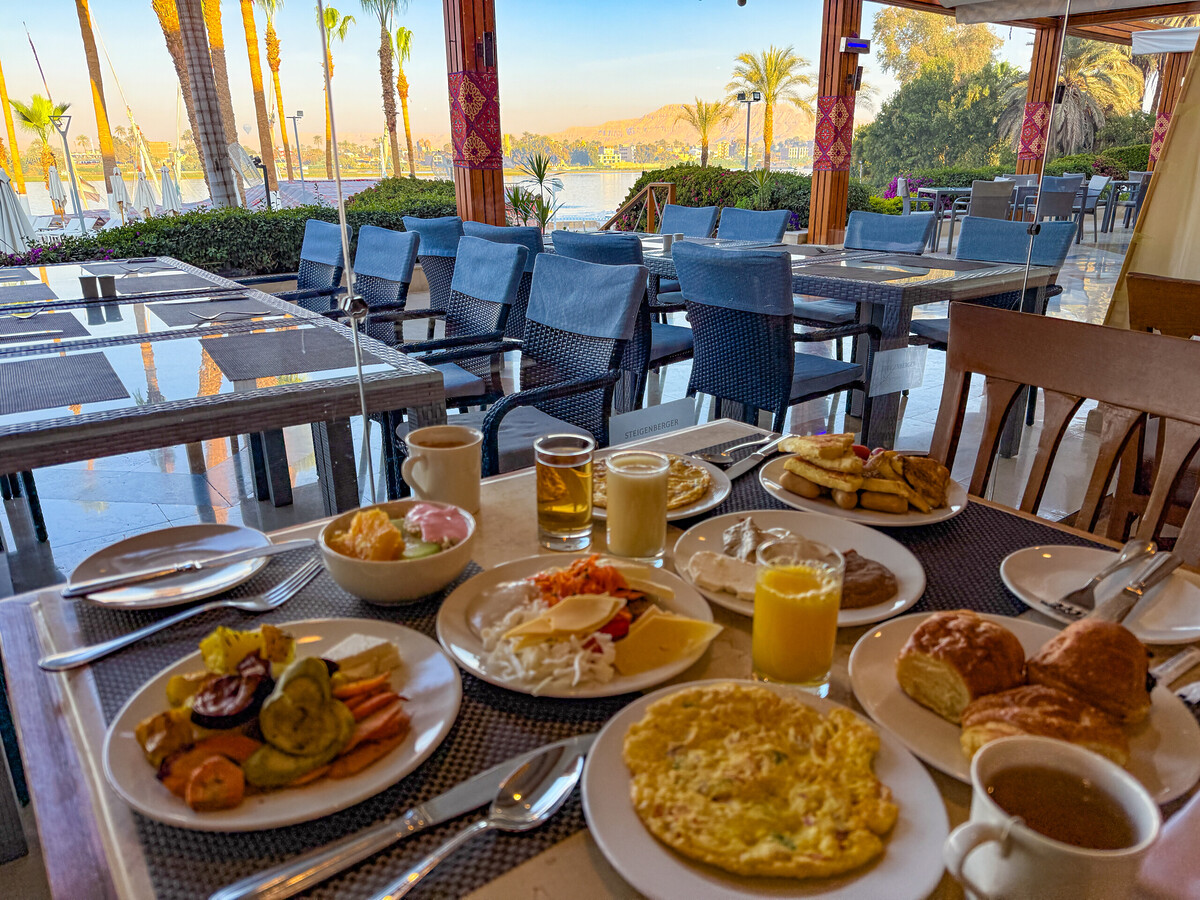
During our trip, we usually had a big breakfast at 5-star hotels. During the day, we either stopped at places like McDonald’s or KFC, or ate snacks we brought from home. In the evening, we either went to a well-known restaurant or had a buffet dinner at the hotel.
If you want to save money, you can also buy food in local shops. However, the selection is very limited, so you will need to make compromises.
If you are looking for larger supermarkets, you will mostly find them in bigger cities. Carrefour and Spinneys are the main ones, but they are not very common, and the selection is still limited.
Dietary options in Egypt
Since I follow a gluten-free and lactose-free diet, this was a real challenge for me in Egypt.
I knew I had to prepare in advance, so I brought enough bread from home for each day, along with plenty of snacks and basic foods like tuna and jam, so I wouldn’t go hungry.
Many times I had to rely on these, because it was not easy to find suitable food.
The only advantage is that Egyptian cuisine often includes rice and grilled meats, which are usually safe options. So in restaurants, with some compromises (and the risk of cross-contamination), I was able to manage.
In shops, you will find almost nothing gluten-free, not even bread. Only a few hotels offered gluten-free options.
I also found a few sugar-free soft drinks in shops, but even those were limited.
Products that are lactose-free, dairy-free, or egg-free are very hard to find.
So if you have any dietary restrictions, make sure to prepare in advance and bring food with you.
Where to stay in Egypt
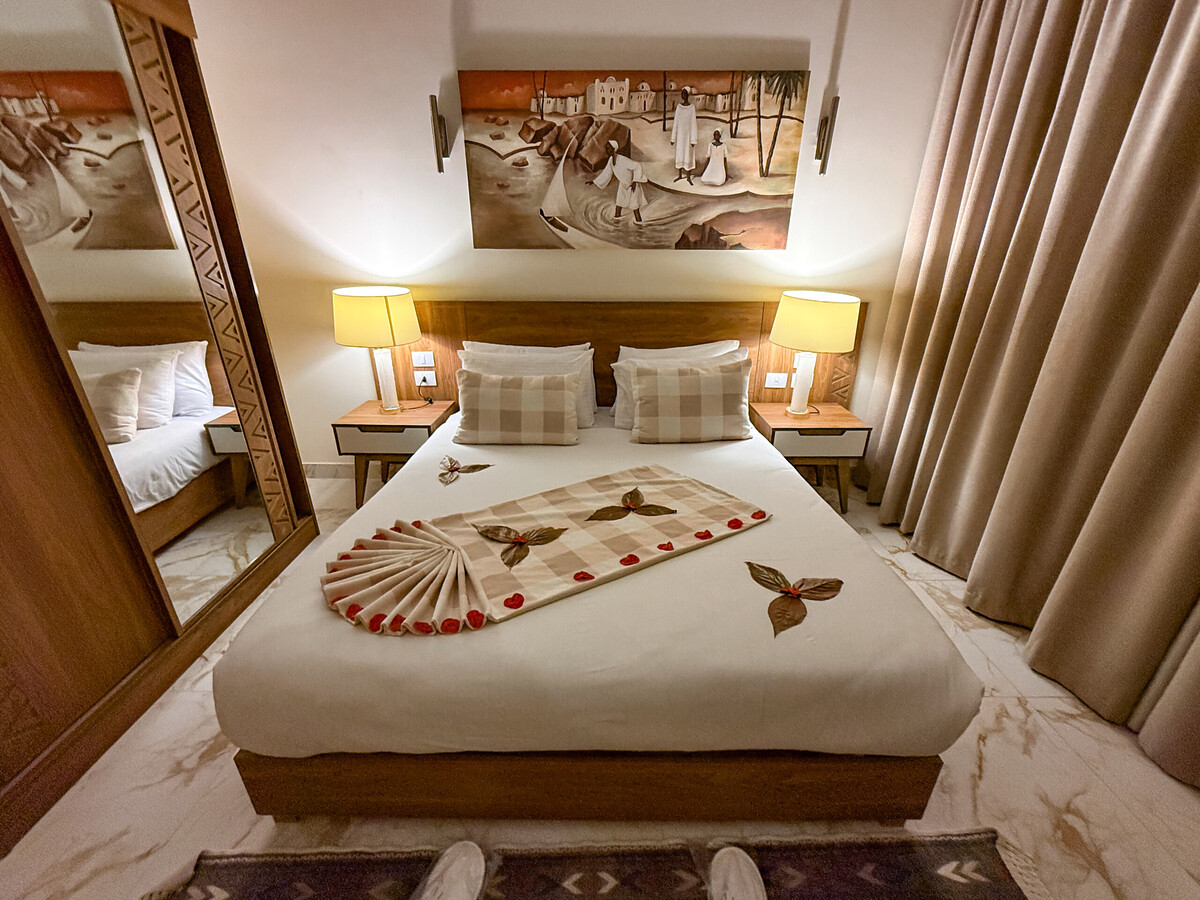
Although I already shared some recommendations above, I want to summarize my favorite accommodations in Egypt again, based on the main destinations:
- In Giza: Hyatt Regency Cairo West, Marriott Mena House, Cairo, Gaia Pyramids Hotel
- In Cairo: Le Méridien Cairo Airport
- In Abu Simbel: Azal Lagoons Resort Abu Simbel
- In Luxor: Steigenberger Resort Achti
- In Hurghada / El Gouna: CREEK Hotel & Residences El Gouna
Egypt travel tips: Must know before you go
Egypt is not a typical easy destination. It’s an amazing place, but you need to know what to expect before you go.
Is Egypt safe for tourists?
Egypt is generally safe for tourists, especially in popular places like Cairo, Luxor, Aswan, and around the Pyramids of Giza.
Serious incidents are rare. The real challenges are everyday situations like traffic, scams, pushy sellers, and hygiene.
There is a strong police presence in tourist areas, which helps, but you still need to stay aware.
As a woman, I personally wouldn’t travel completely alone. I didn’t experience anything serious, but there is a lot of attention from men, which can feel uncomfortable.
Overall, if you prepare well and stay careful, you can travel in Egypt safely.
Common scams and how to avoid them
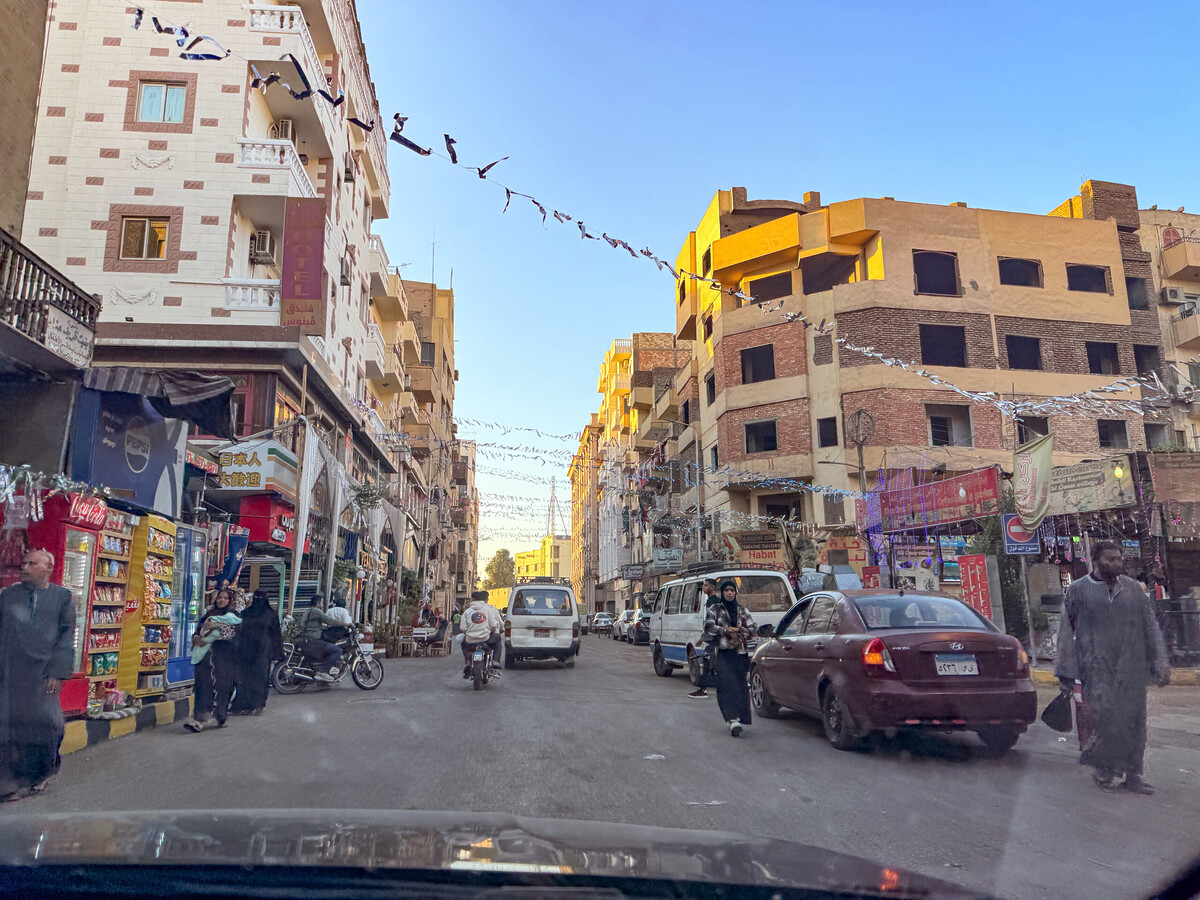
Scams are probably the biggest issue you will face in Egypt.
Many people approach tourists, offer help, and then expect money. Sometimes they stay friendly only as long as they think they will get paid.
Common situations:
- People telling you a road is closed and offering to guide you for money
- Sellers following you and trying to pressure you
- Taxi drivers and sellers changing prices
- Extra items added to restaurant bills
- Very different prices for the same product
One important rule: never stop for random people on the street and never pay for something you didn’t ask for.
It also helps to:
- Stay in well-known places (hotels, restaurants)
- Always check your bill
- Agree on prices in advance
- Be ready to say no
- Even if you are careful, you will probably still experience some of this. It’s part of the experience.
Money and payments
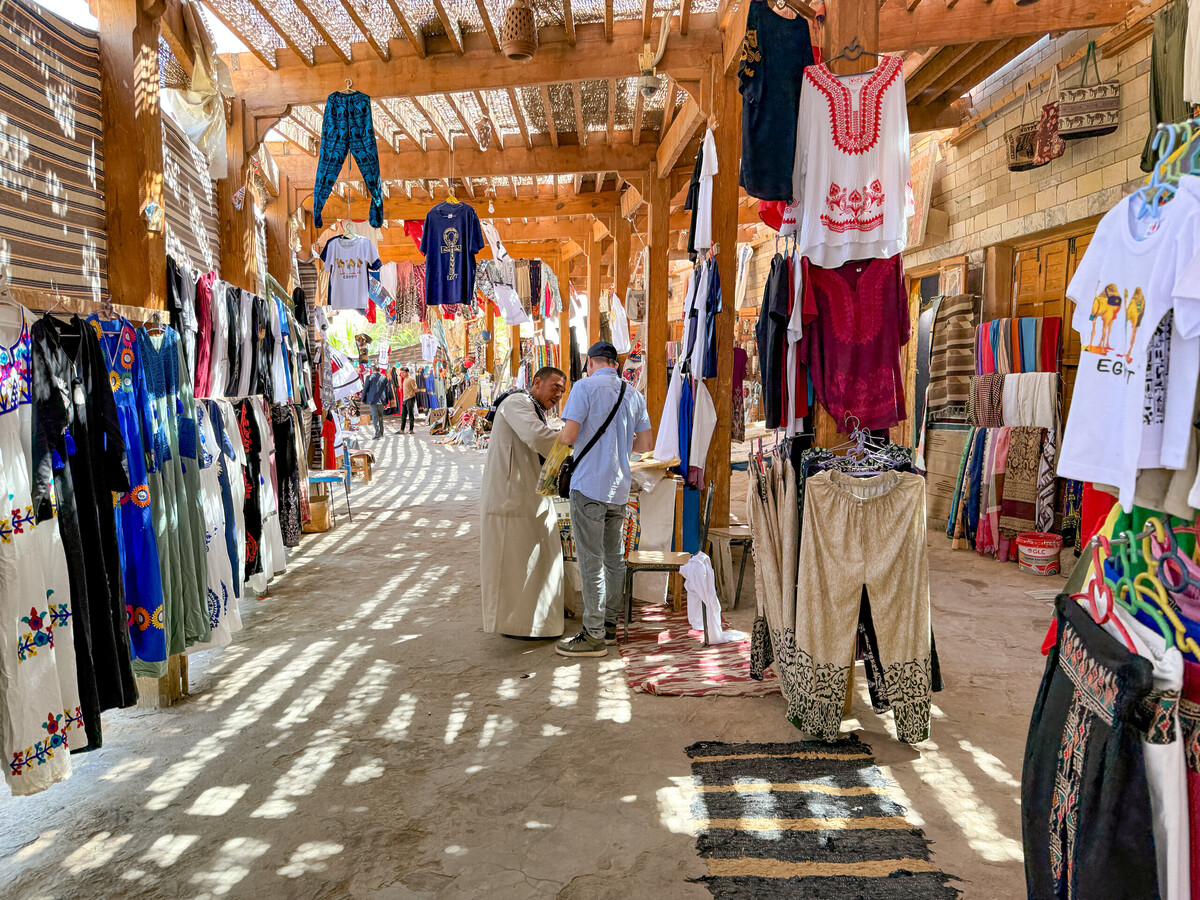
Cash is essential in Egypt.
Many places don’t accept cards, and even if they do, it’s not always reliable.
Also, tipping is almost always in cash.
One interesting thing: sometimes prices felt cheaper in USD or EUR than in local currency (EGP), so it’s worth checking both.
Always double-check what you are paying.
Tipping culture
Tipping is expected almost everywhere in Egypt.
- Someone carries your luggage → tip
- Someone shows you where to park → tip
- You use a toilet → tip
- Hotel staff → tip
- Restaurants, taxis → tip
This can feel frustrating at first, because it often feels like tourists are seen as easy money.
We had situations where people demanded money even for things that should be free, like parking.
After a while, we learned to be more firm.
Tip for real services, but don’t pay for fake or forced “help”.
What to wear in Egypt
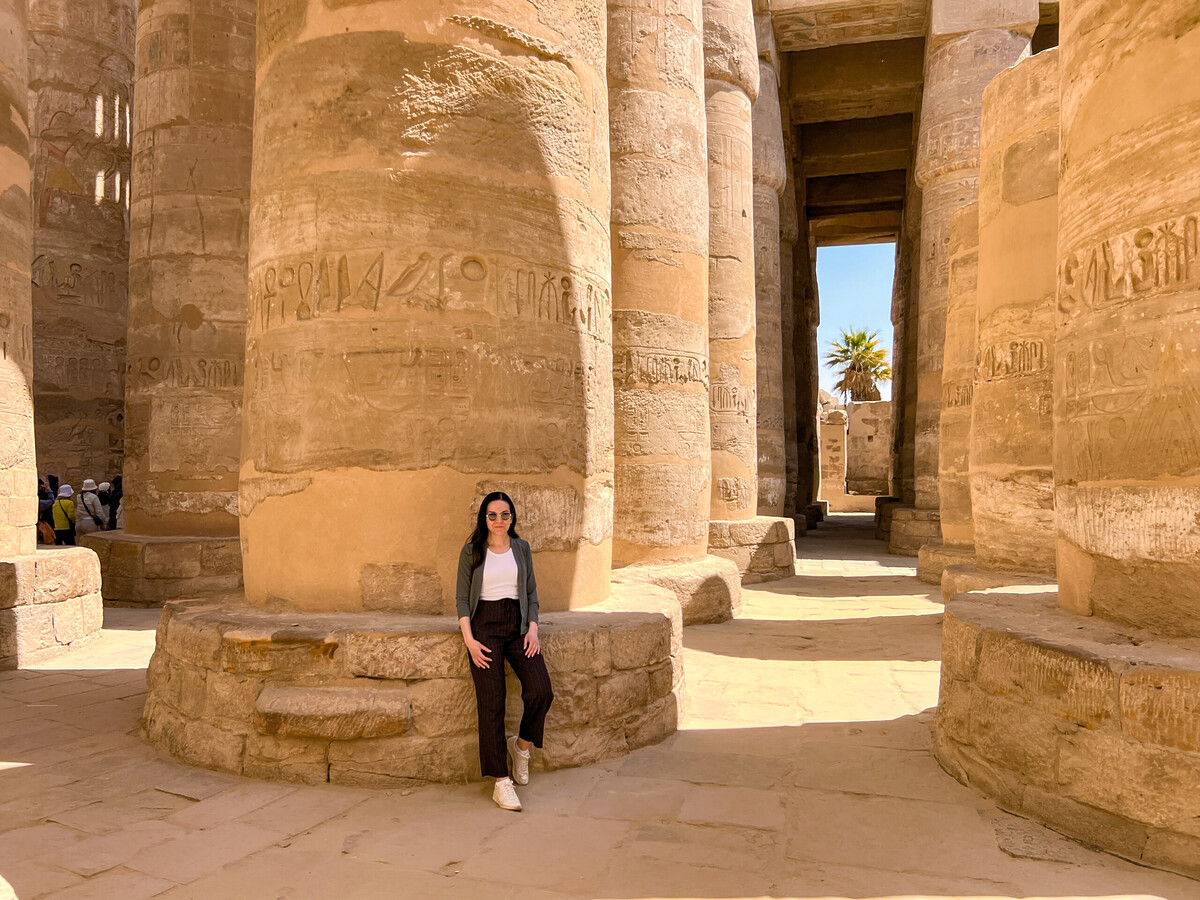
Egypt is a Muslim country, and locals usually dress modestly.
Tourists don’t have to follow strict rules, but very revealing clothes can feel uncomfortable.
I recommend: loose clothes, covered shoulders, longer pants or dresses, and comfortable closed shoes.
You will see tourists in short summer outfits, but in many situations it just doesn’t feel right.
What to pack for a trip to Egypt
Besides your usual travel essentials, make sure to pack these as well:
- A hat and sunscreen to protect yourself from the strong sun
- Comfortable shoes that you can wear even in dust and sand
- Layered clothing: during one day you can experience strong sunshine and cold wind as well
- Cash: tipping is expected almost everywhere
- Disinfectant wipes or hand gel: since tap water is not clean and many things can feel dirty, it’s worth disinfecting often
- Swimwear and possibly snorkel or diving gear (although you can usually rent these)
Crowds and chaos
Egypt can feel very intense.
Traffic is chaotic, people are everywhere, and there is constant noise, especially in cities like Cairo.
At popular places like the pyramids or temples, you will also deal with crowds and sellers at the same time.
This is not a calm destination. It takes some energy to handle it.
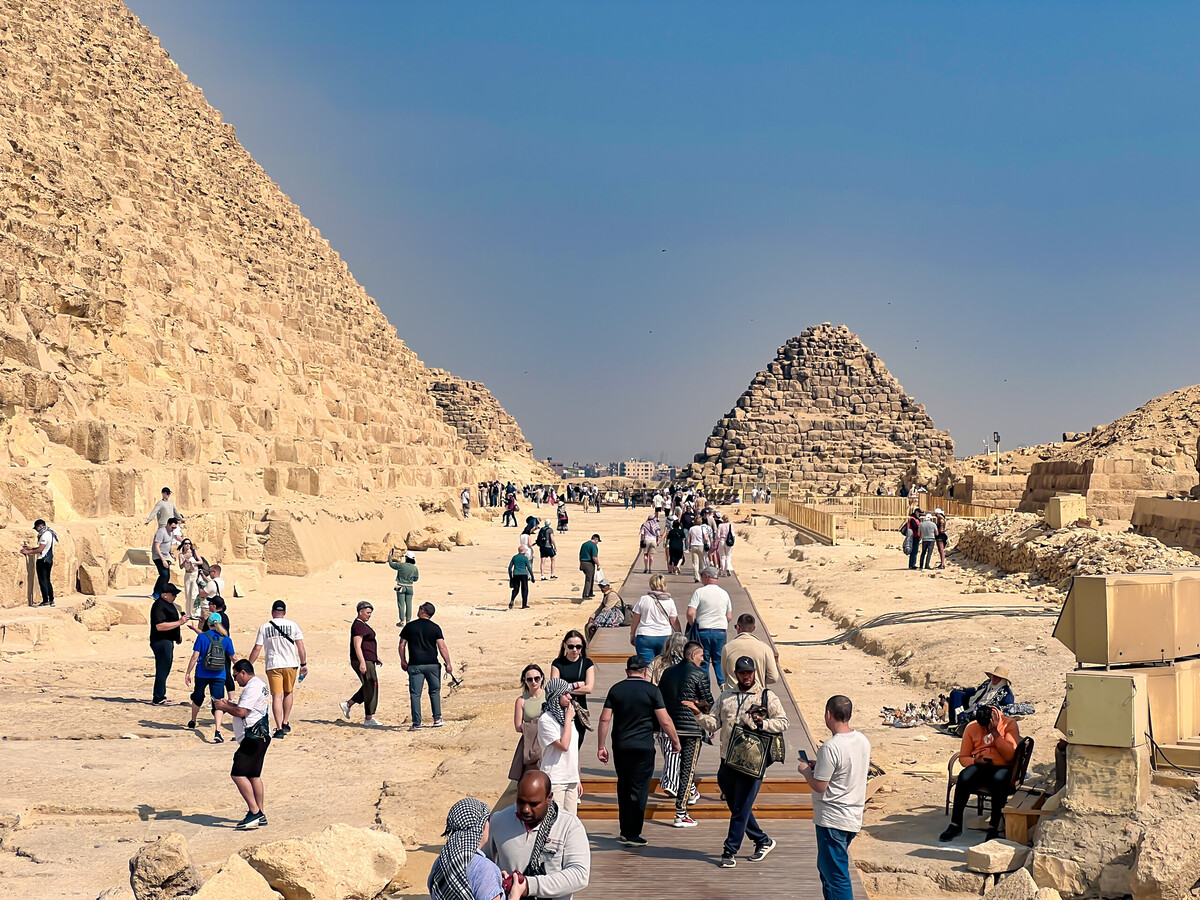
Tourist experience vs reality
Before my trip, I imagined Egypt as a calm, magical historical destination.
The reality is more complex.
Yes, the history is incredible. But at the same time it’s busy, loud, people approach you constantly, and things are not always smooth.
This doesn’t make it worse, just different from expectations.
My honest experience
I have to be honest: Egypt is not an easy destination.
I never felt in real danger, but I also didn’t feel fully relaxed.
The biggest challenge is not safety, but the constant interaction. The sellers, the noise, the small situations. It can be exhausting.
At the same time, Egypt gave me some of the most unforgettable experiences I’ve ever had.
Standing in front of the pyramids, walking through ancient temples… these are moments you don’t forget.
So is Egypt worth it?
Yes. But only if you are prepared for what it’s really like.
Egypt is not for everyone. But if you are open, flexible, and a bit adventurous, you will probably enjoy it much more than you expect.
Egypt travel costs
At first, many people think Egypt is a low-budget destination. But in reality, in most cases it turns into a relatively expensive trip.
Travel costs depend a lot on your personal preferences. Here I just want to give you a general idea of what to expect.
Average daily budget
When it comes to costs, Egypt can be surprising.
If you want a more comfortable and safer experience, you will likely choose 5-star hotels and well-known places. And that is not cheap.
In our case, a 7-day trip to Egypt was actually more expensive than a similar trip in Europe.
Why?
Because 5-star hotels in Egypt often match the quality of 3–4 star hotels in Western Europe, but the prices are still high. On average, we paid around 200 euros per night for a double room.
On top of that, you have entrance tickets, tips, transportation, and food costs.
All together, we ended up spending around 300–400 euros per day.
With flights included, our 7-day trip cost around 3500–4000 euros in 2026.
Of course, it is possible to travel cheaper with lower-category hotels. But many of those have mixed reviews, and cheaper food options are often not recommended because of hygiene risks.
Prices for attractions
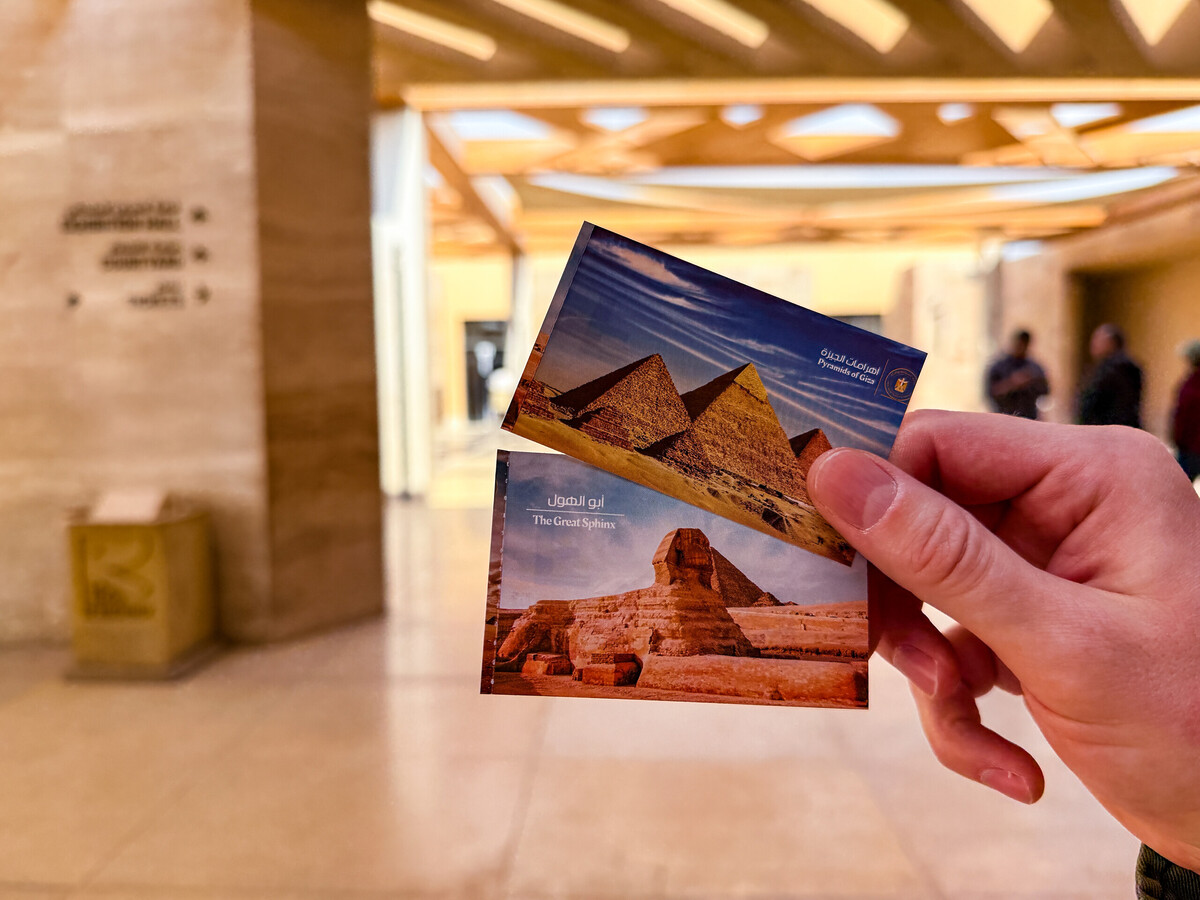
Entrance tickets in Egypt are not cheap, especially if you visit several major sites.
Places like the Pyramids of Giza, temples in Luxor, or the Valley of the Kings all have separate entrance fees.
In many cases, each site has its own ticket, some areas require extra tickets, plus cameras or special access may cost more.
Personally, I found access to the inside of the pyramids and the extra tombs in the Valley of the Kings especially overpriced.
So if you plan to visit multiple places in one day, costs can add up quickly.
Tours and guides
Tours and guides are very popular in Egypt, and in some places almost unavoidable.
Group tours are usually the cheaper option, but they are not flexible and often follow fixed schedules.
Private guides and tours are more expensive, but more comfortable and easier to manage, especially if you want to avoid stress.
There are also many day tours available between major destinations, for example from Hurghada or Cairo.
Prices vary a lot depending on the quality, group size, and what is included.
Egypt travel guide: Final thoughts
This was the complete Egypt travel guide, where I collected all the important information you need before planning your trip.
I showed you the main attractions, the best things to do, and gave you an overview of the most important destinations. You also saw when to visit, where to stay, how to get around, what to expect, and how to prepare for the trip.
I hope this guide helps you plan your Egypt trip more easily and avoid the most common mistakes.
If you need more details, feel free to check my other Egypt articles as well. I’ve shared detailed itineraries, guides, and personal experiences from different parts of the country.
And if Egypt has inspired you too, don’t overthink it. Plan your route, book your flights and hotels, and get ready for one of the most unique travel experiences you can have.

Hi! I’m Adri, the creator of Traveltipzone.com and Italianwanderlust.com.
I’ve explored over 30 countries so far and travel to around 15 each year — some new places and others I love returning to. I’m especially passionate about Southern Europe, particularly Italy, and the United Arab Emirates.
Follow my journeys for firsthand travel tips and inspiration!