
Vienna is one of the most popular cities in Central Europe. With its imperial architecture, cultural sights, elegant streets, and famous coffee houses, it’s easy to see why so many travelers fall in love with the Austrian capital.
At the same time, planning a Vienna trip is not always simple. The city looks compact on the map, but many attractions are spread out, and travelers often ask the same questions: How many days should I spend in Vienna? Is 2 days enough? Do I need 3 days or more? And how does Vienna fit into a longer Central Europe trip?
I’ve lived near the Austrian border and in Austria for over 30 years, and for the past 10 years, I’ve been visiting Vienna almost weekly.
Because of this, I experience the city as both a local and a traveler. Together with my 10+ years of travel experience, I’ll help you make a realistic decision about how many days to spend in Vienna and how to use your time well.
In this guide, you’ll learn what you can actually see in 1, 2, or 3 days, and which option makes the most sense for your travel style and pace.
Ready to travel to Vienna?
Here are my quick tips on what to book for your trip:
Best places to stay in Vienna:
- Austria Trend Hotel Bosei Wien
- Austria Trend Hotel Maximilian
- Andaz Vienna Am Belvedere – a concept by Hyatt
- The Ritz-Carlton, Vienna
Best things to do in Vienna:
- Vienna: Skip-the-Line Schonbrunn Palace and Gardens Tour
- Vienna: Big Bus Hop-On Hop-Off Tour by Open-Top Bus
If you want to rent a car: DiscoverCars.com
If you want to book a flight: Kiwi.com
This is not a strict day-by-day itinerary. It’s a decision guide to help you choose the right length for your stay, whether Vienna is your main destination or just one stop on an Austria road trip or a Prague–Vienna–Budapest itinerary.
First, I’ll share a quick answer and a simple overview. Then I’ll cover the most common questions. Finally, I’ll break down what each trip length looks like in real life.
How many days should you spend in Vienna? My personal opinion
Quick answer:
- 1 day: Highlights only
- 2 days: Ideal for most travelers
- 3 days: Extra sights and shopping
Based on my experience, Vienna also works as a short one-day city break if you only want to see the highlights.
However, I think the ideal time to spend in Vienna is 2 or 3 days.
With 2–3 days, you can explore the historic center, visit at least one imperial palace, enjoy Vienna’s famous coffee culture, walk through elegant neighborhoods, and still have time to enjoy the city’s calm and refined atmosphere.
Is 1 day in Vienna enough?
If you only have one day, Vienna works as a highlights-only stop.
Focus on Schönbrunn (outside), the historic center, and St. Stephen’s Cathedral.
Is it worth staying longer than 3 days in Vienna?
Only if you really want to explore the city in depth or add slower experiences.
Personally, I think 4 or 5 full days only in Vienna is too much for most travelers.
If you have more time, it’s better to add day trips from Vienna, for example to one of Austria’s beautiful lakes, or to nearby destinations like Bratislava, Hallstatt, or Salzburg.
Overview of a 1 to 3-day Vienna itinerary
Now, I’ll show you how I would spend 1, 2, or 3 days in Vienna, based on my own experience:
- Day 1: Schönbrunn Palace and gardens, Mariahilfer Straße, St. Stephen’s Cathedral, Old Town walk, Ankeruhr
- Day 2: Belvedere Palace, Karlskirche, Hofburg Palace, Vienna City Hall, Vienna State Opera
- Day 3: Hundertwasser House, Prater, Danube Tower, Shopping
This itinerary is ideal if you:
- are visiting Vienna for the first time
- want a balanced mix of sightseeing and atmosphere
- prefer realistic days over rushing
- are combining Vienna with Prague or Budapest
Frequently asked questions about visiting Vienna
Now let’s look at the frequently asked questions about a trip to Vienna:
Is Vienna worth visiting?
If you’re traveling to Central Europe, I think Vienna is a real must-see.
Although it’s not the most exciting destination I can show you in Central Europe, it has interesting cultural and historical sights, which makes it worth spending a few days there.
How to get around Vienna
Over the past 10 years, I’ve been visiting Vienna almost on a weekly basis.
To be honest, I usually get around Vienna by car, but I also understand those who choose public transport.
Parking in the city center is expensive and often difficult, which is why, as a tourist, it can be easier to use the city’s very well-developed and modern public transport system.
As a visitor, I only recommend using a car if you also plan to travel outside the city, where a car is needed.
If you’re traveling only to Vienna, I think it’s a smarter decision to use trams and buses or buy a hop-on hop-off bus ticket.
Where to stay in Vienna
In Vienna, you can find many good hotels. I’ve tried to highlight a few of them:
- Austria Trend Hotel Bosei Wien: A modern four-star hotel a little further out from the historic city center, good value for money.
- Austria Trend Hotel Maximilian: Four-star hotel at a good price, close to Schönbrunn Palace.
- Andaz Vienna Am Belvedere – a concept by Hyatt: Run by a well-known hotel chain, close to the Belvedere Palace and the Main Train Station, a five-star hotel with modern elegance at affordable prices, and it has a wonderful roof terrace.
- The Ritz-Carlton, Vienna: The perfect choice for those looking for true luxury, it is a 5-star luxury hotel in the city center, next to the City Park and close to several major attractions.
Best time to visit Vienna
Just like other cities in Central Europe, the best time to visit Vienna is spring and autumn.
In my opinion, the best months are April, May, September, and October.
I don’t really recommend summer for sightseeing, as it can be uncomfortably hot.
I only suggest visiting Vienna in winter if you’re going for the Christmas markets. Otherwise, the city is cold and grey, which makes it a less ideal destination.
Is Vienna expensive?
Austria is actually one of the most expensive countries in Europe if you want to live there, but as a tourist, this is less noticeable.
This may be because other destinations, like Budapest, often increase tourist prices more aggressively, for example for hotels and restaurants.
Because of this, I would say that Vienna is not really a more expensive destination for tourists than other European capitals.
If you pay attention to your spending, your daily costs for two people can usually stay between €150 and €300 per day, which is an average travel budget in Europe.
Is the Vienna Pass worth it?
If you plan to use public transport several times a day, then yes, it can be worth it, because you can get it at a fairly good price and it offers discounts for many attractions and services.
However, if you’re traveling by car, or if you only plan to see attractions from the outside, it may not be worth buying the pass.
How many days in Vienna? Vienna itinerary for 1 to 3 days
After the frequently asked questions, I’ll show you how I would spend 1, 2, or 3 days in Vienna:
Day 1: Schönbrunn Palace and gardens, Mariahilfer Straße, St. Stephen’s Cathedral, Old Town walk, Ankeruhr
Schönbrunn Palace
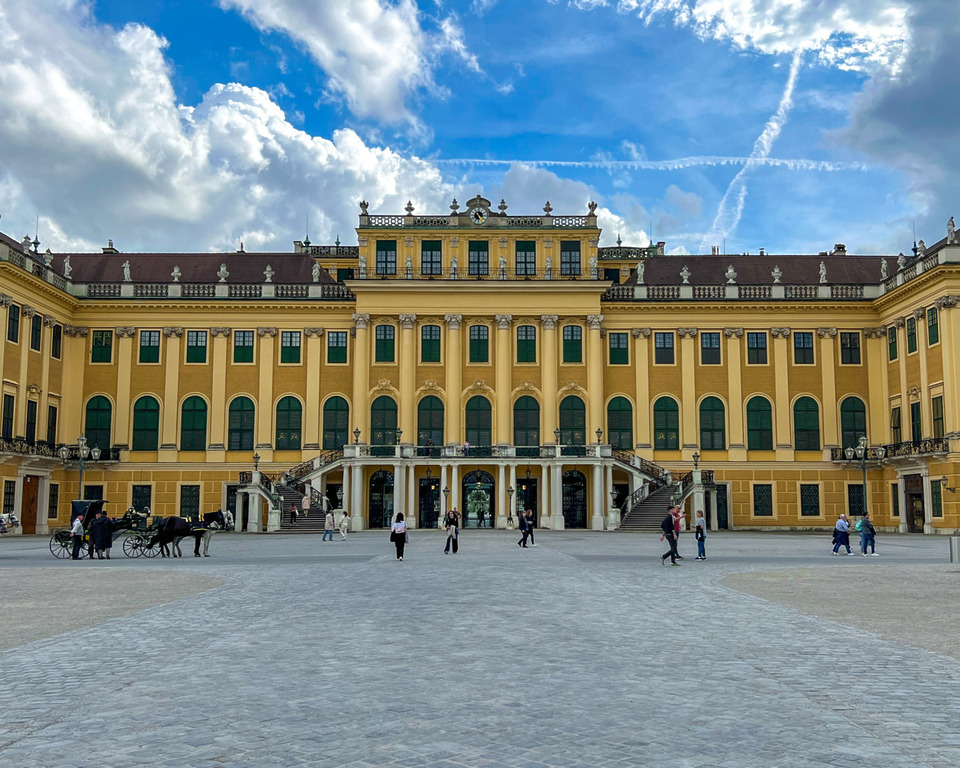
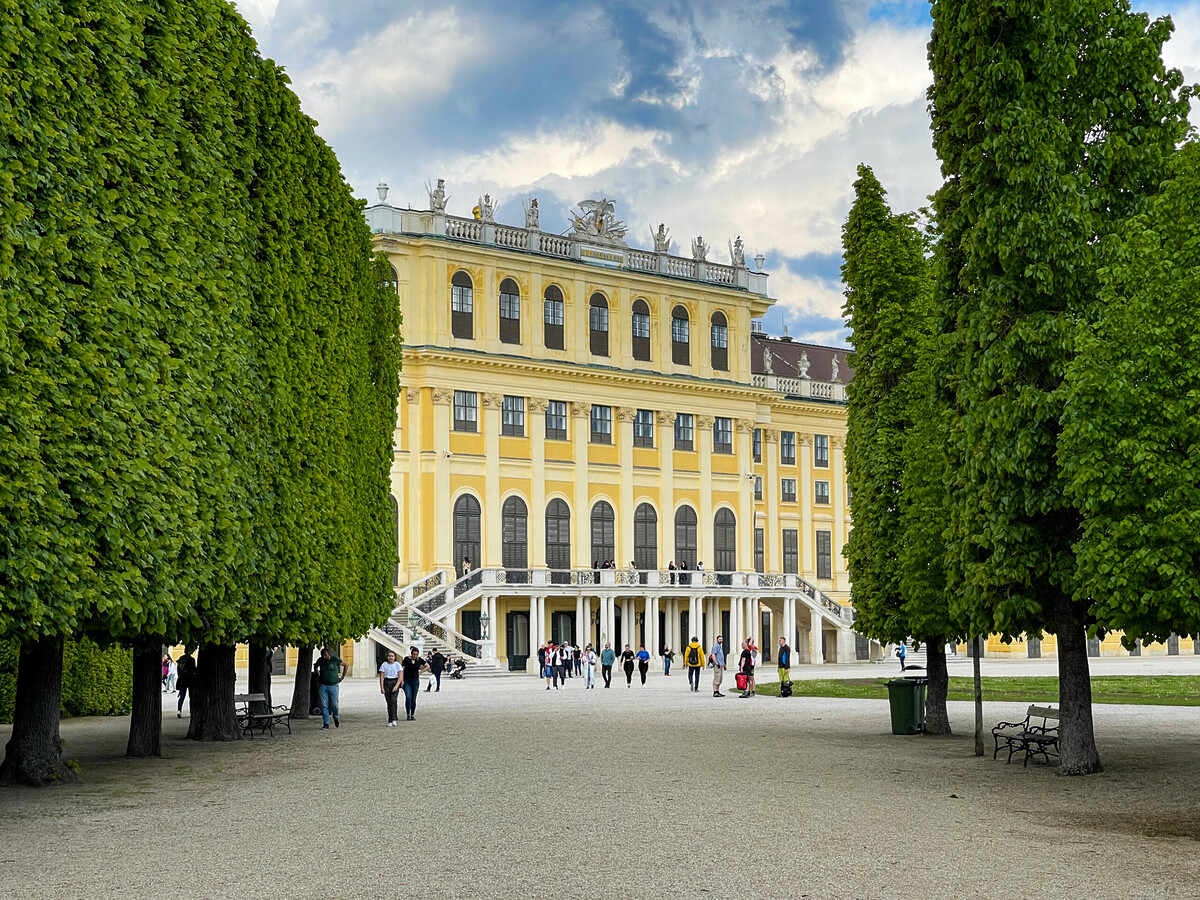
Start your first day at Schönbrunn Palace, Vienna’s most famous attraction and the former summer residence of the Habsburg imperial family.
Schönbrunn easily takes half a day, so it makes sense to start here.
You can reach the palace by public transport or by car. There is a large parking area next to the palace, although it’s quite expensive.
The palace gardens are free to visit and absolutely worth it, even if you don’t go inside the palace.
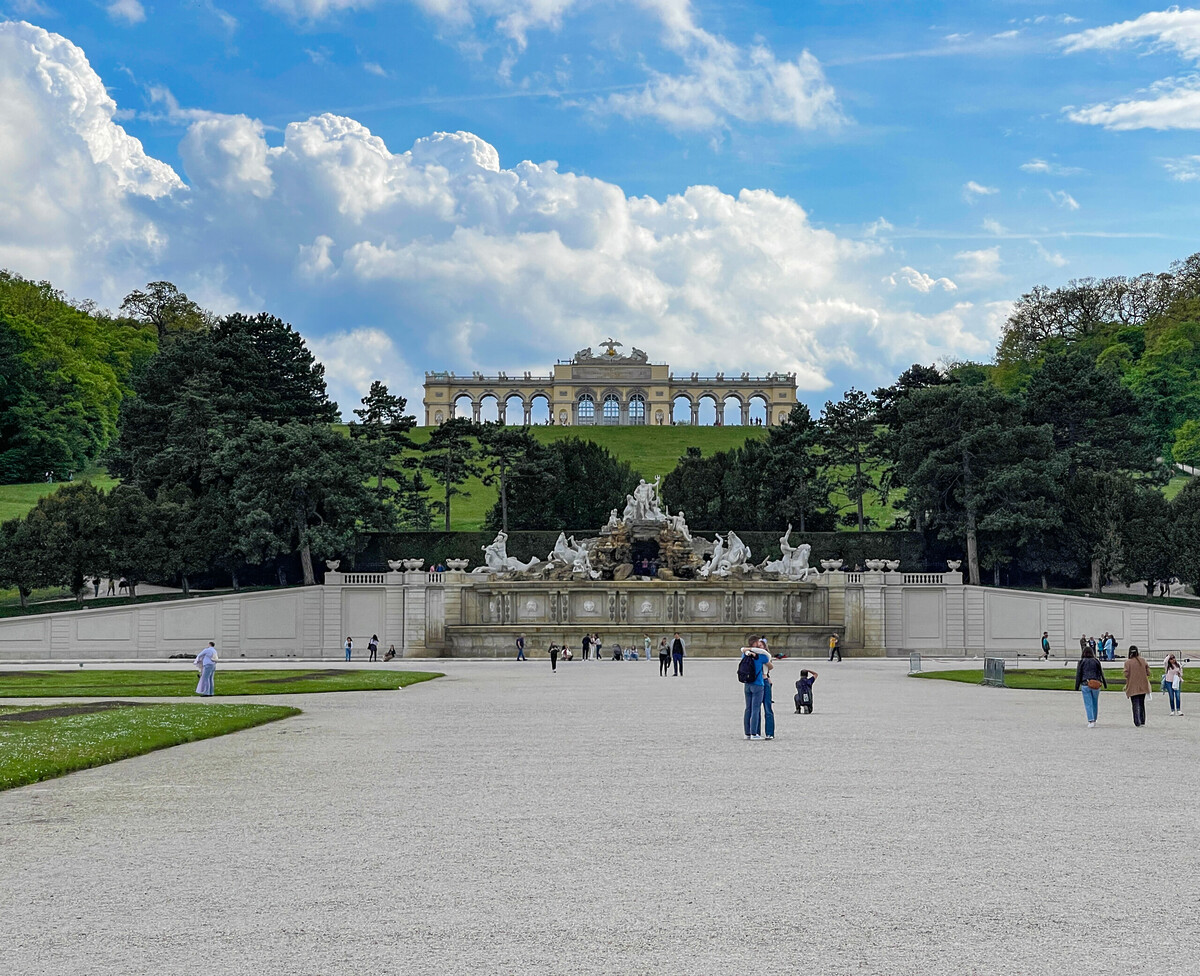
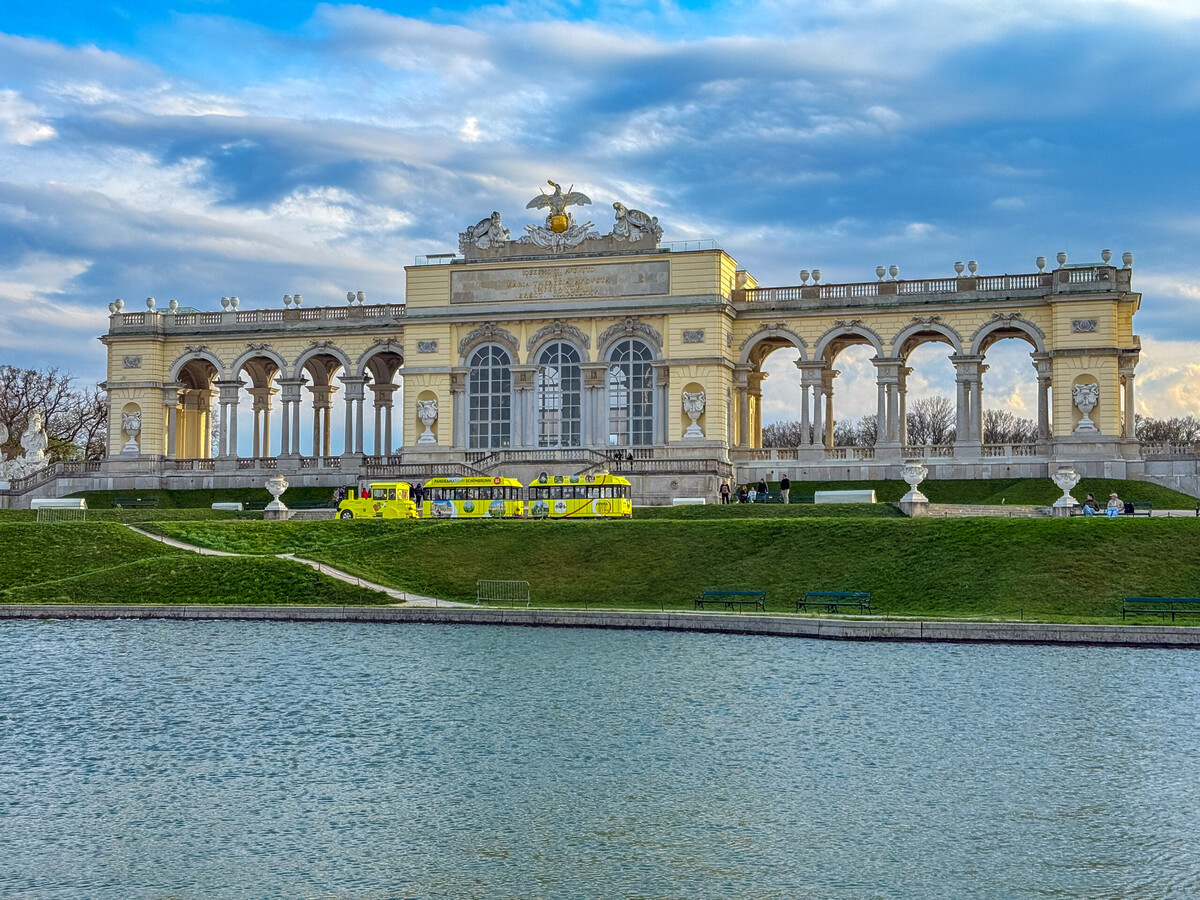
Walk through the gardens and don’t miss the Gloriette, which offers one of the best views over the palace and Vienna. You can walk up through the garden, or take the Panoramabahn Schönbrunn, a small train that goes around the area.
Inside the gardens, you’ll also find places like the Palm House and the Roman Ruin.
If you’re traveling with kids, the Schönbrunn Zoo can also be a fun option.
If you want to see the palace interior, you’ll need a ticket. Inside, you can see how the imperial family lived. It’s interesting if you like history, but not essential for everyone.
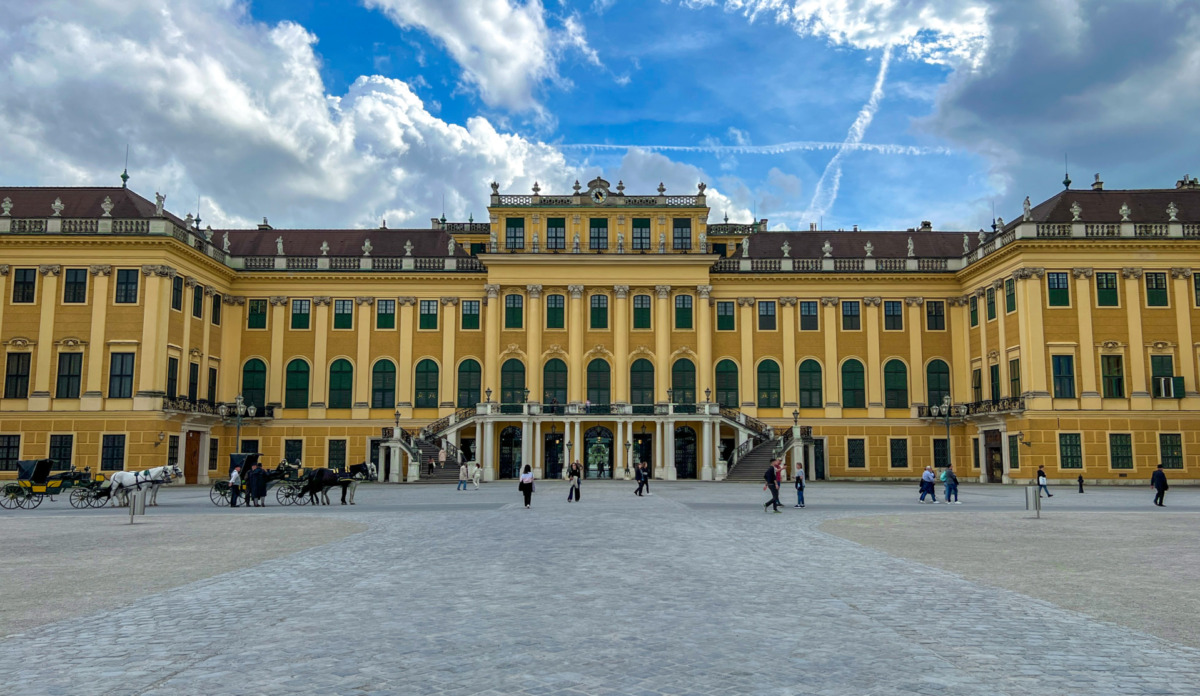
If you’re visiting Vienna around Easter or Christmas, don’t miss the seasonal markets in front of the palace. They are some of the nicest markets in the city. My personal favorite snack here is the Ofenkartoffel (baked potato).
For a short break or lunch, you can stop at Café Gloriette, or eat nearby at Brandauer Schlossbräu, a popular traditional restaurant.
Mariahilfer Straße
In the afternoon, head toward Mariahilfer Straße, Vienna’s most famous shopping street.
Even if you’re not planning to shop much, it’s worth walking through this area to see everyday Vienna life outside the historic center.
If you need a gluten-free option, my personal favorite restaurant nearby is Gasthaus Zum Wohl, located a few streets away.
Old Town walk, St. Stephen’s Cathedral, Ankeruhr
Later in the afternoon, continue to Vienna’s historic center and walk through the narrow old town streets.
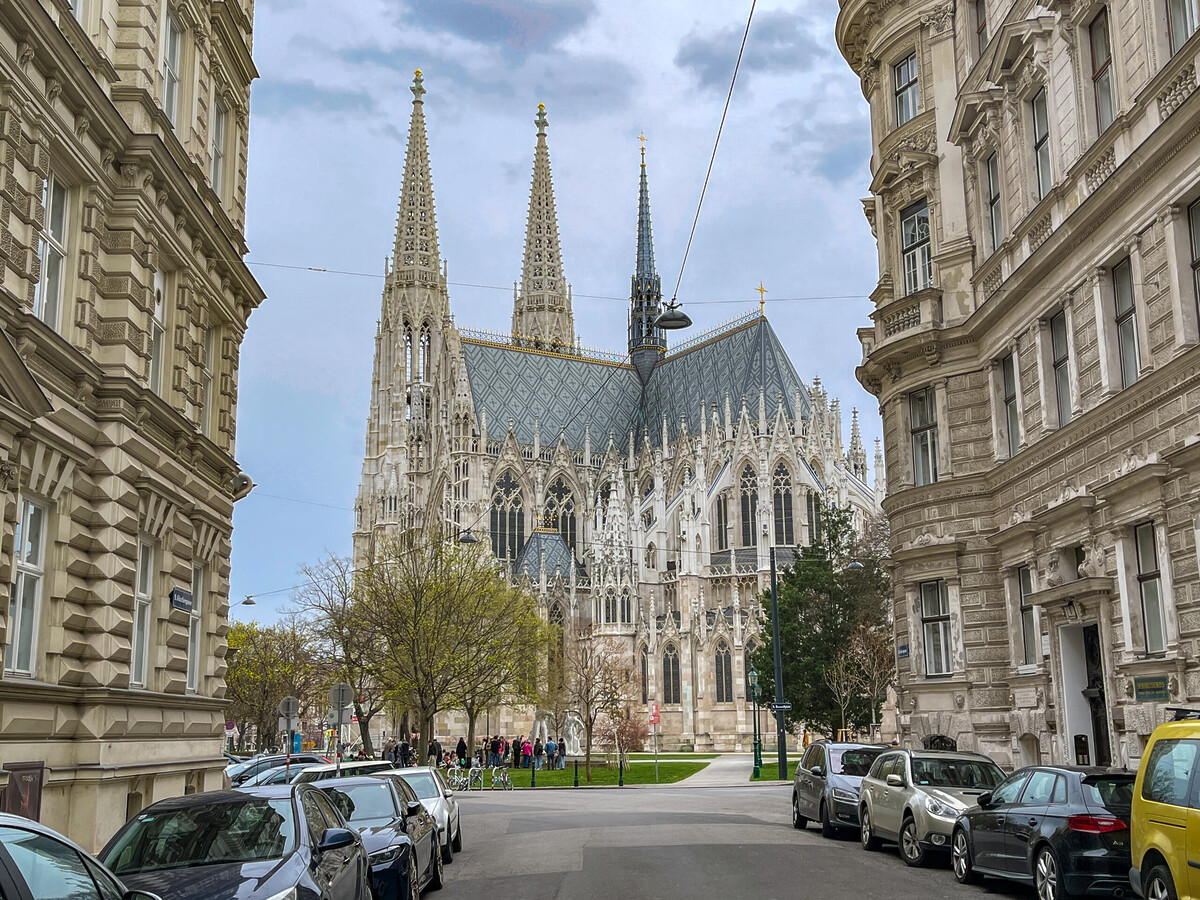
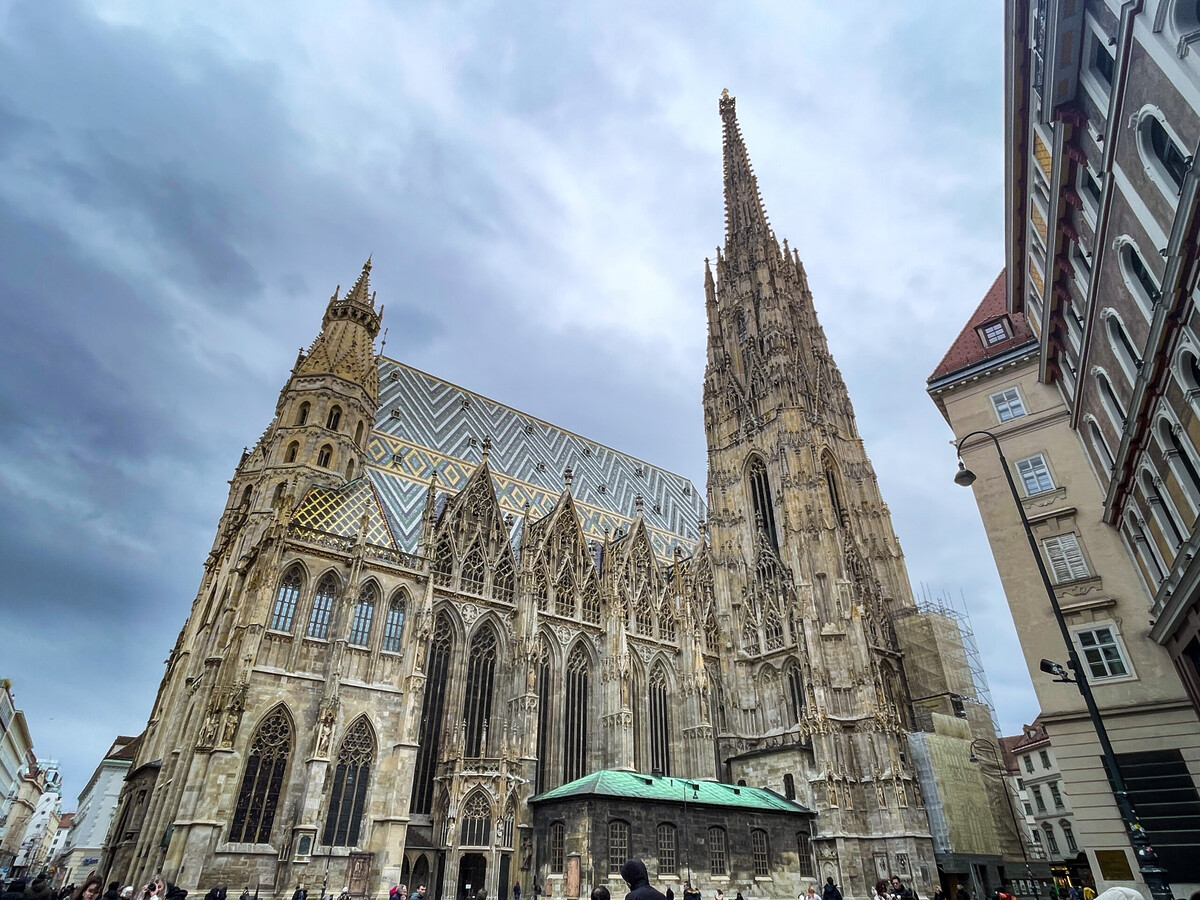
Make sure to stop at St. Stephen’s Cathedral (Stephansdom). You can step inside briefly or just admire the building and its colorful roof from the square.
While walking around, look for the Ankeruhr, a famous historical clock that performs a small show at noon.
If you feel like something sweet, this is a great time to sit down for a coffee and try Kaiserschmarrn or Apfelstrudel.
For dinner, I recommend Restaurant Lugeck – Figlmüller Wien, located a few streets from the cathedral. They serve classic Austrian dishes and also offer gluten-free options if needed.
Day 2: Belvedere Palace, Karlskirche, Hofburg Palace, Vienna City Hall, Vienna State Opera
Belvedere Palace
Start Day 2 at Belvedere Palace, a beautiful 18th-century palace complex.
In my opinion, the Belvedere is best enjoyed from the outside. The palace gardens are lovely, and the buildings are very photogenic.
The museum inside is mainly interesting for art lovers, especially if you want to see works by Gustav Klimt.

Karlskirche and city walk
Next, walk toward Karlskirche, one of Vienna’s most impressive baroque churches. Even a short stop here is worth it.
From here, continue walking through the city center. Many of the following sights are optional, depending on your interest and energy level.
Hofburg Palace, Parliament, and Volksgarten
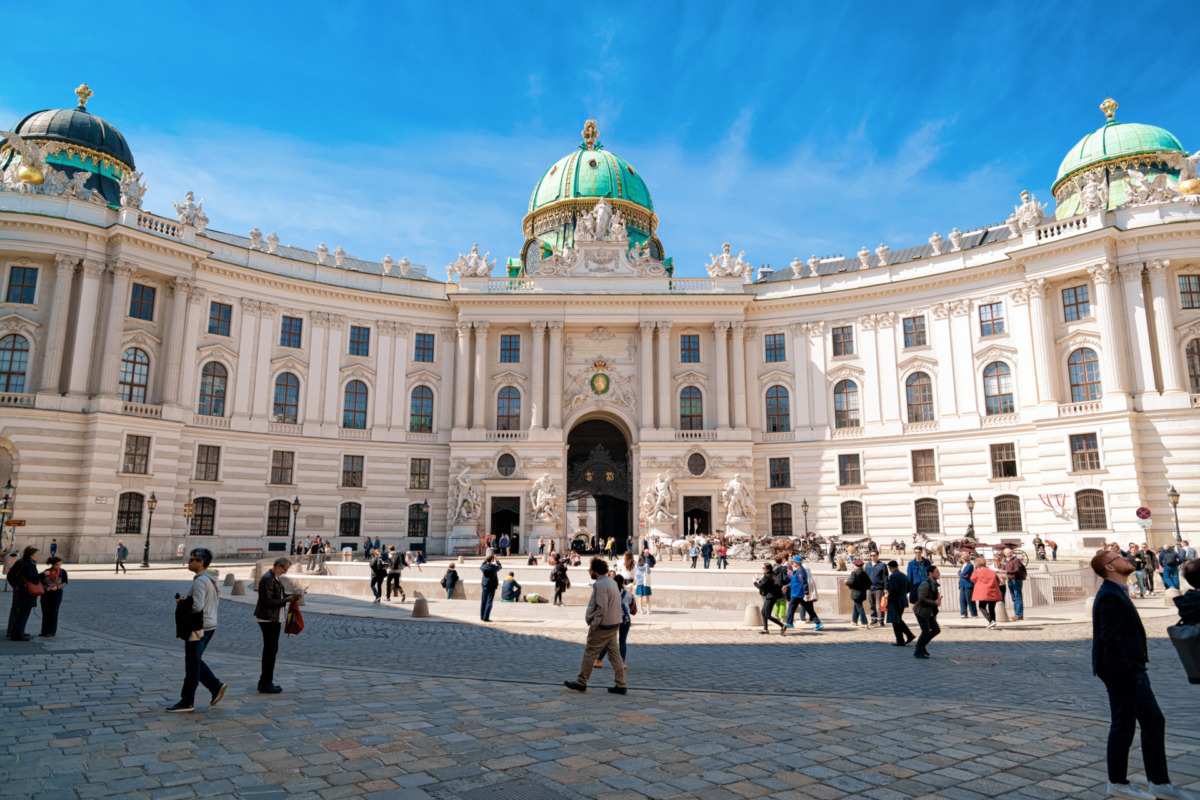
Visit Hofburg Palace, the former main residence of the Austrian emperors.
Today, it houses museums, the Austrian National Library, and exhibitions related to the Habsburg dynasty. Even if you don’t go inside, it’s worth seeing from the outside.
While walking, you’ll also pass the Austrian Parliament and Volksgarten, a nice green space right in the center.
Nearby, you’ll see the impressive buildings of the Museum of Natural History and the Kunsthistorisches Museum. If museums interest you, you can easily add one of them to your day.

Vienna City Hall and Opera
Continue toward Vienna City Hall and Rathausplatz, a large square often used for events and seasonal markets.
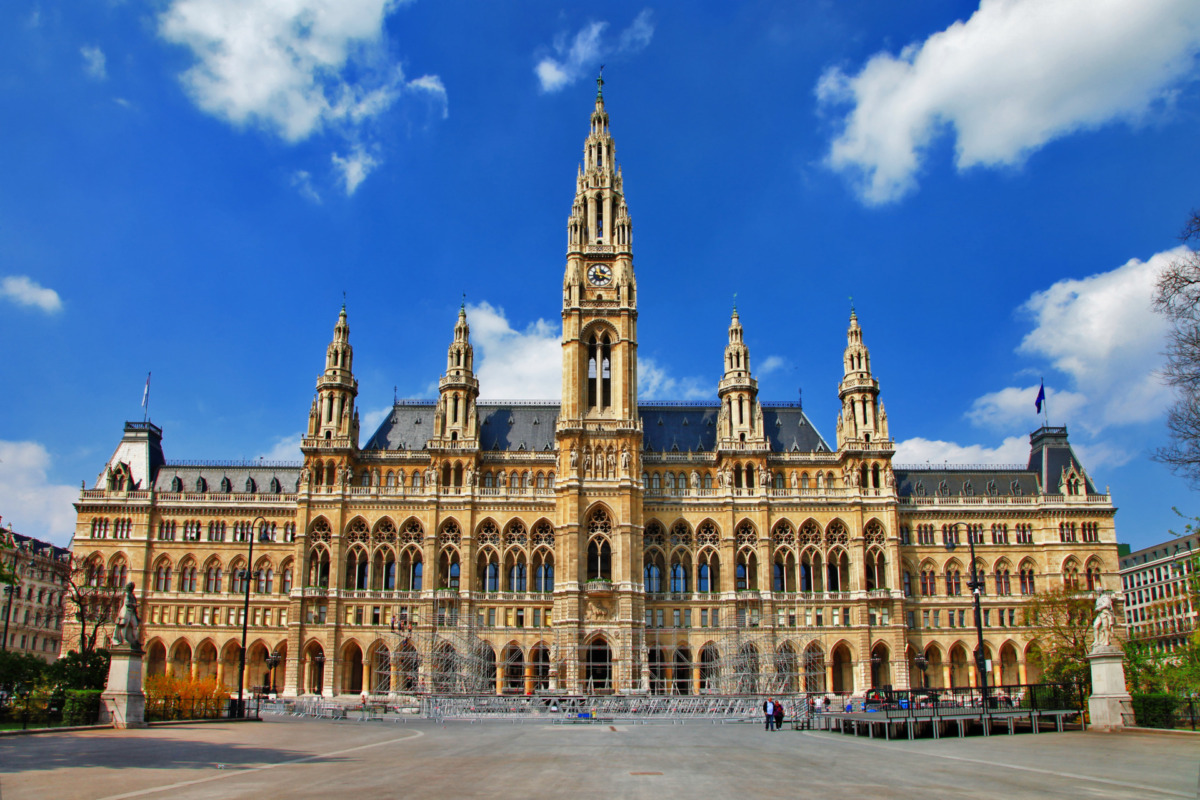
For a lunch or a dinner, Café Landtmann, located nearby, is one of Vienna’s most iconic restaurants.
End your day around the Vienna State Opera, one of the city’s most famous buildings. Even if you don’t attend a performance, it’s worth seeing in the evening.
Day 3: Hundertwasser House, Prater, Danube Tower, Shopping
Day 3 is fully optional and best if you have extra time or want to see a different side of Vienna.
Hundertwasser House
Start with the Hundertwasser House. I recommend seeing it from the outside only. The colorful, unusual design makes it a quick and interesting photo stop.
Prater
Next, head to the Prater, Vienna’s famous amusement park.
You can ride the Giant Ferris Wheel for city views or simply walk through the park if you want something relaxed. This stop really depends on your personal interest.

Danube Tower
If you want one of the best views in Vienna, visit the Danube Tower.
Getting there takes a bit more effort, but it’s one of the highest viewpoints in the city and worth it if you enjoy panoramic views.
Shopping in Vienna
End your trip with some shopping. Vienna has excellent shopping centers.
Nearby, Westfield Donau Zentrum is a convenient option.
If you’re willing to travel farther, SCS Shopping City Süd in Vösendorf is one of the largest shopping malls in Central Europe, with a huge selection of shops and restaurants.
What I would skip in Vienna: Common tourist mistakes
These are the most common mistakes I see travelers make in Vienna:
- Seeing too many museums: Unless you truly love museums, one is usually enough. Many sights are just as impressive from the outside.
- Going inside every palace: If you choose one, make it Schönbrunn, or just enjoy the gardens.
- Overloading your daily plan: Moving around the city center is slower than it looks. Stick to 3–4 main sights per day.
- Starting the day too late: In Austria, opening hours are strict, and nightlife is limited. Early starts work best in Vienna.
And with that, we’ve reached the end of this 1-, 2-, and 3-day Vienna travel itinerary.
I hope this guide helped you decide how many days to spend in Vienna, based on what you can realistically see and enjoy.
As someone who has spent many years living near Austria and visiting Vienna regularly, my goal was to share practical, experience-based advice, not just a checklist of sights.
This Vienna guide is designed to help you plan smartly, whether Vienna is your main destination or just one stop on an Austria road trip, a Prague–Vienna–Budapest itinerary, or a longer Europe trip.
If you’re planning to explore more of Austria or nearby destinations, check out my other travel guides, where I share honest tips, local insights, and realistic itineraries.
And once your plan is ready, don’t wait: book your hotel, reserve your tickets, and experience Vienna as more than just a tourist.

Hi! I’m Adri, the creator of Traveltipzone.com and Italianwanderlust.com.
I’ve explored over 30 countries so far and travel to around 15 each year — some new places and others I love returning to. I’m especially passionate about Southern Europe, particularly Italy, and the United Arab Emirates.
Follow my journeys for firsthand travel tips and inspiration!


