
Every year, millions of travelers visit Egypt, yet many people still hesitate before booking their trip.
Egypt is in the Middle East and North Africa, so it is completely normal to have questions about safety, culture, and what to expect. If you search online, you will quickly find very different opinions. Some people say Egypt is safe, while others describe negative experiences.
Before my trip, I had the same questions. I spent time researching everything in detail, and during my travels, I paid close attention to real situations and how things actually work.
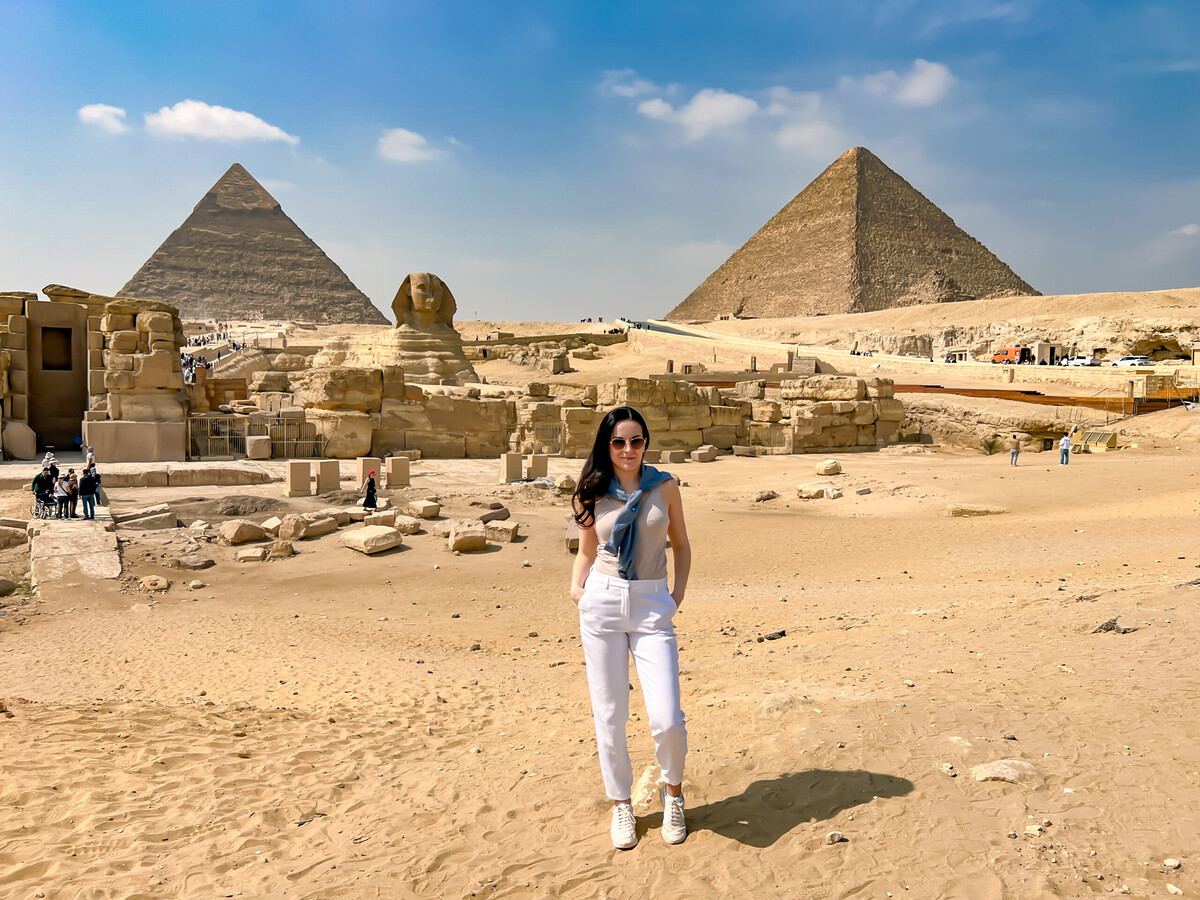
Ready to travel to Egypt?
Here are some quick recommendations on what to book for your trip:
Best places to stay:
- In Giza: Hyatt Regency Cairo West
- In Cairo: Le Méridien Cairo Airport
- In Abu Simbel: Azal Lagoons Resort Abu Simbel
- In Luxor: Steigenberger Resort Achti
- In Hurghada / El Gouna: CREEK Hotel & Residences El Gouna
Best activities:
In this guide, I share my honest experience and clear answers about safety in Egypt. You will learn what is truly safe, what can feel challenging, and how to prepare for your trip so you can travel with confidence.
Is it safe to visit Egypt? Quick answer
Egypt is not one of the safest countries in the world, but most trips are trouble-free if you prepare well.
Serious incidents with tourists are rare. The real challenges are everyday situations like traffic, pushy sellers, scams, police checkpoints, and hygiene.
If you choose your transport carefully, stay aware, and follow basic safety tips, you can travel in Egypt safely. It may feel more intense than Europe, but for prepared and curious travelers, it is still an unforgettable experience.
Public safety in Egypt: What tourists should know
Egypt is a Middle Eastern and North African country, so public safety is different from what you may be used to in Western countries.
One of the most common concerns is the situation in the region. Egypt is not involved in any war and is considered a stable destination for tourists, so you do not need to worry about a war scenario during your trip.
However, everyday safety works differently here. Smaller issues are common. You may face scams, pushy sellers, or unwanted attention, especially in busy areas. Hygiene can also be a challenge in some places, which is why many travelers experience health problems.
Serious incidents are rare, but staying aware and prepared is important. Egypt is not a fully relaxed destination, but if you understand how things work, you can travel safely and enjoy the experience.
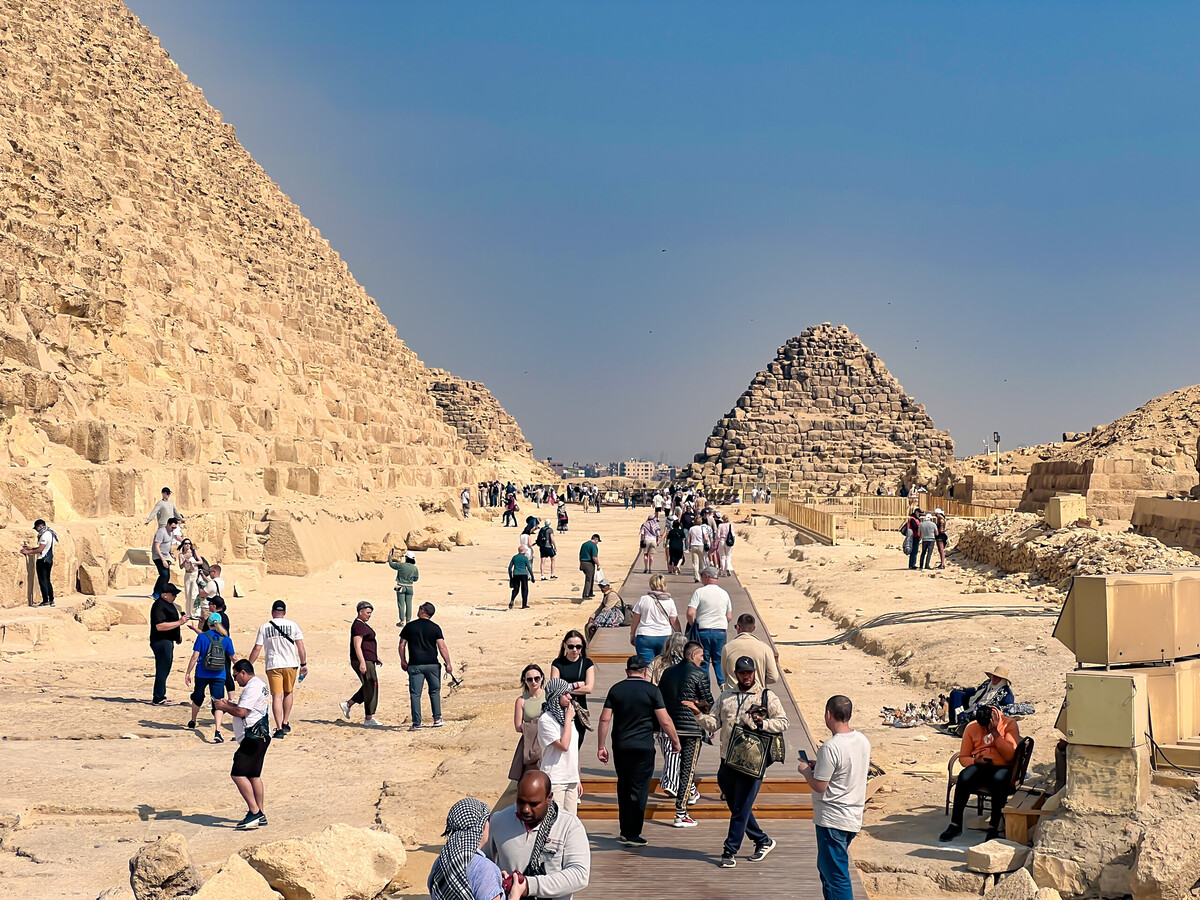
Are tourist areas safe?
Popular tourist areas like Cairo, Luxor, Aswan, and the Pyramids of Giza are heavily monitored and generally safe.
There is a strong police presence around major attractions, hotels, and transport routes, which makes these areas more secure.
However, even in tourist areas, it is better to stay careful at night, especially if you are alone.
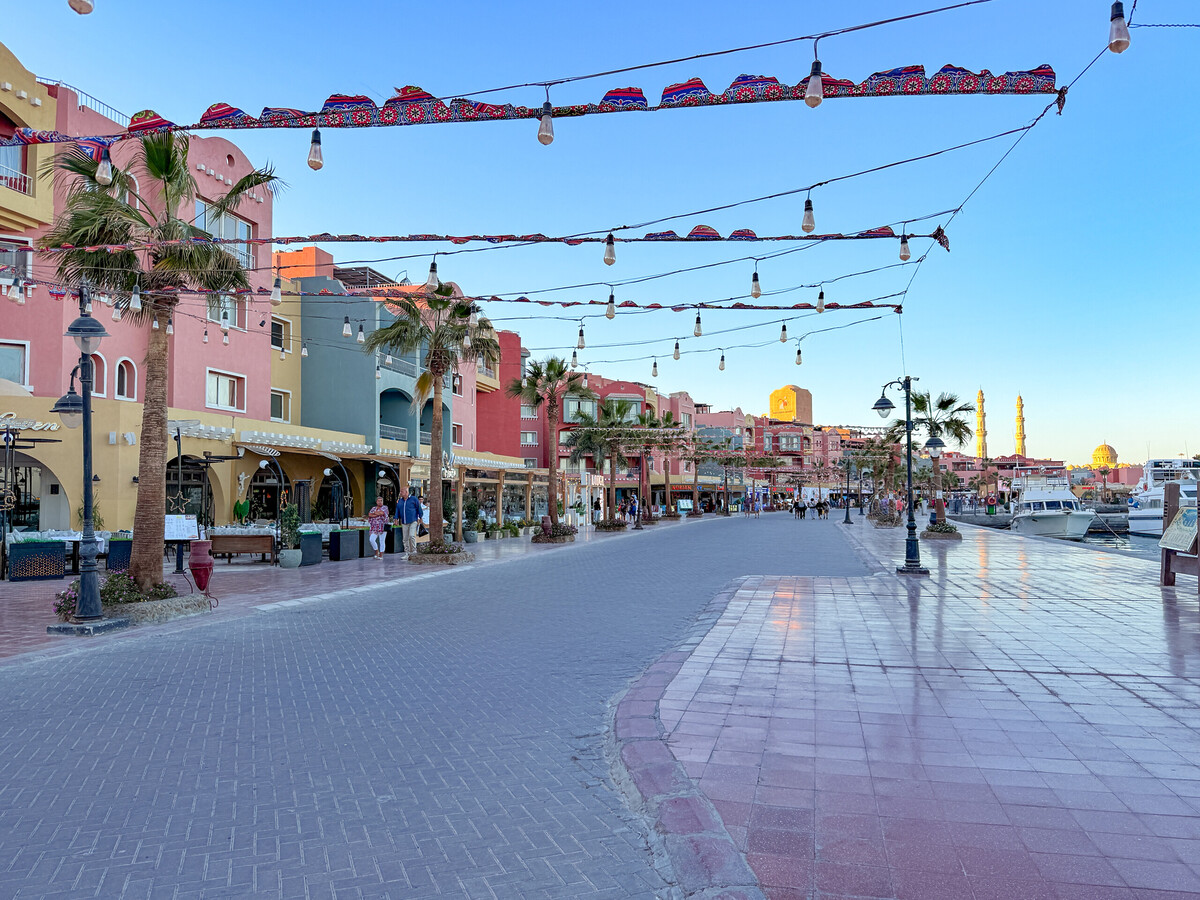
If you plan to visit non-tourist areas, I strongly recommend going with a local guide. Outside the main tourist zones, communication can be difficult, and situations can become uncomfortable more easily. You may face more aggressive selling, requests for money, or confusing situations where it is harder to handle problems.
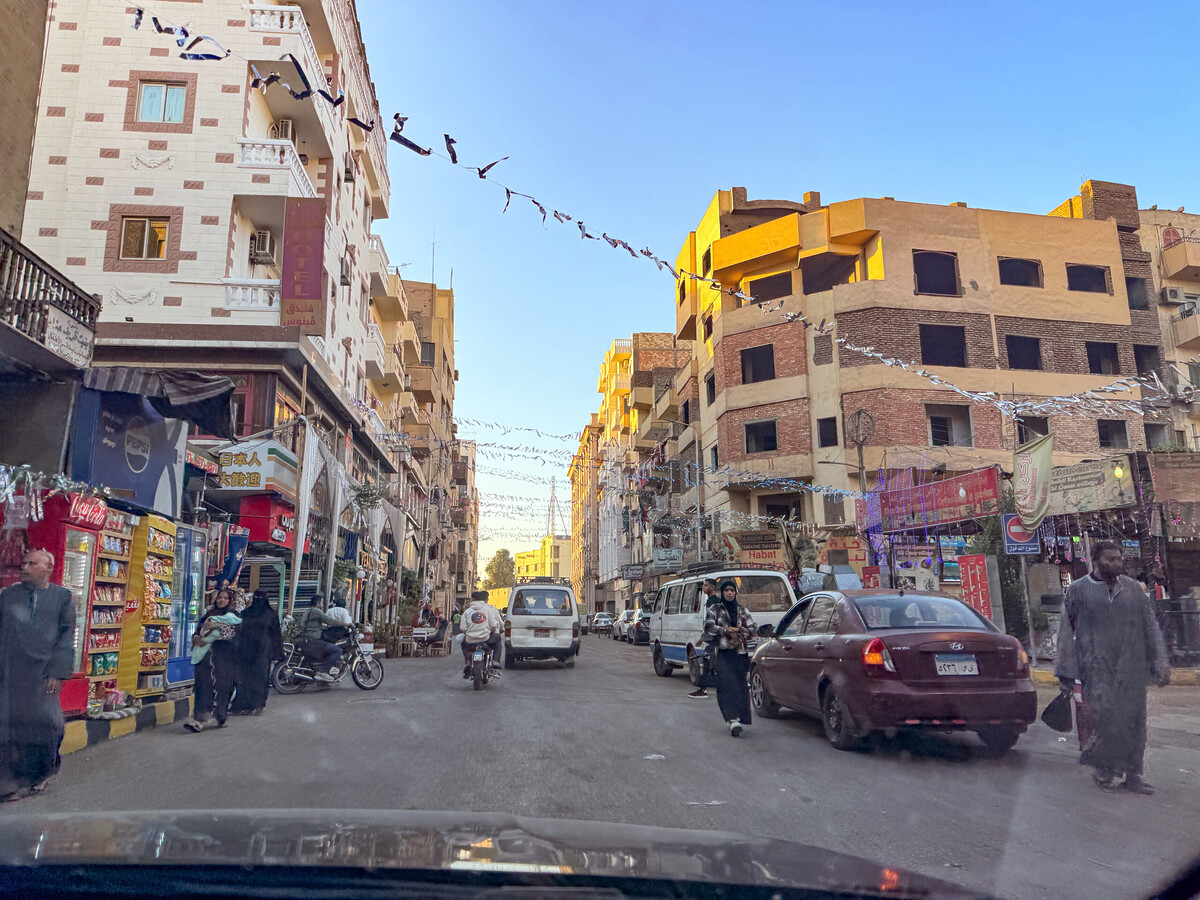
Scams in Egypt: What to expect
The biggest risk you face in Egypt is scams and overcharging. In most cases, they are not dangerous and only affect your money, but they can still leave a bad experience. This is what I recommend you prepare for the most.
Tourist hassle and street situations
Almost every tourist will meet people on the street or at attractions who try to overcharge them.
I experienced many situations myself, and I also read and heard about many others.
Here are some examples:
- The simplest way of overcharging happens with parking if you travel by car in Egypt. Parking areas at attractions are often official, with a fixed price. However, many times the parking attendant asked for more money, expected a tip, or simply charged a higher price.
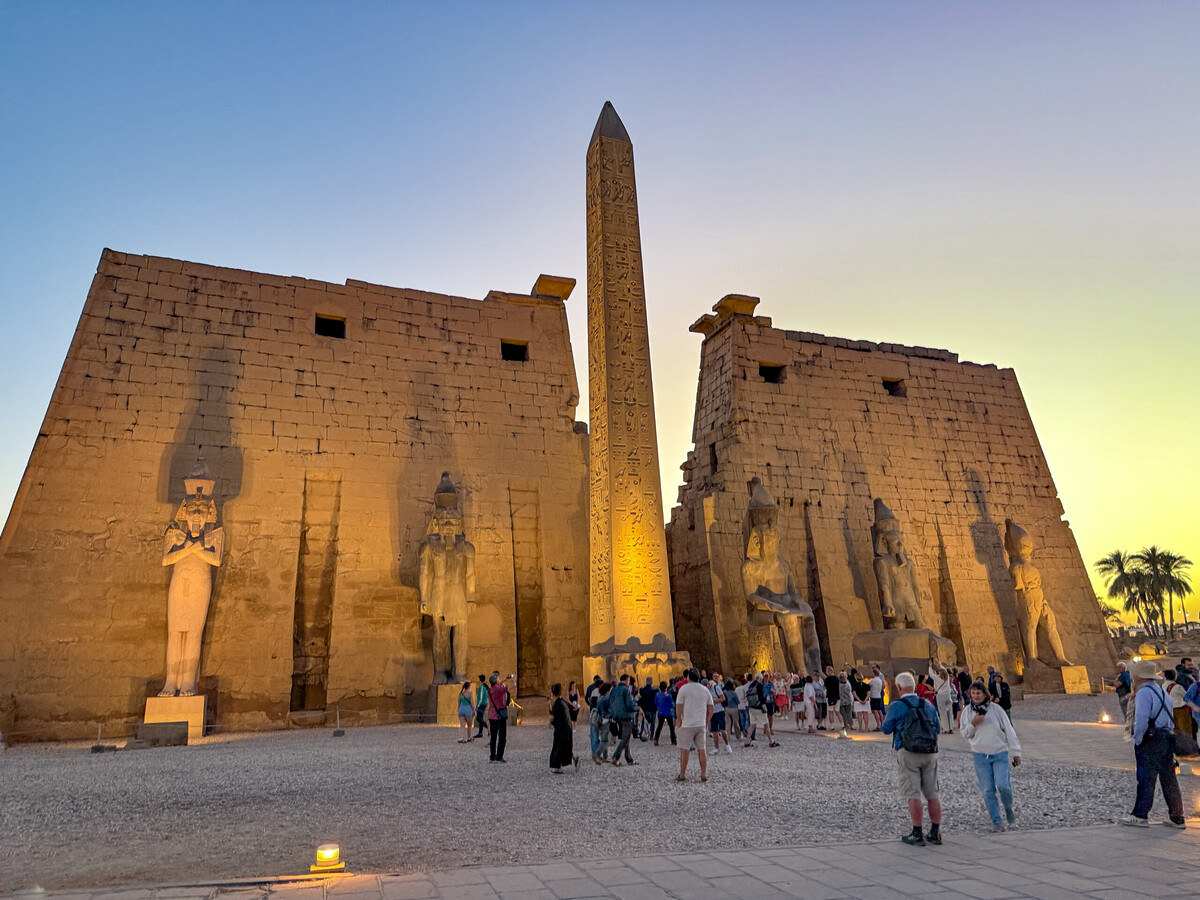
- Another method, which also exists in Southern Europe, is when locals approach you during free street parking, show you where to park, and then ask for money. In Luxor, we had a situation where two men asked for money. When we gave them 120 Egyptian pounds in total, they said it was not enough and asked for more, saying they would “watch the car.” Then they surrounded us with motorbikes. In the end, we drove them away by shouting and using the horn. They left, but we left the money there to avoid further conflict.
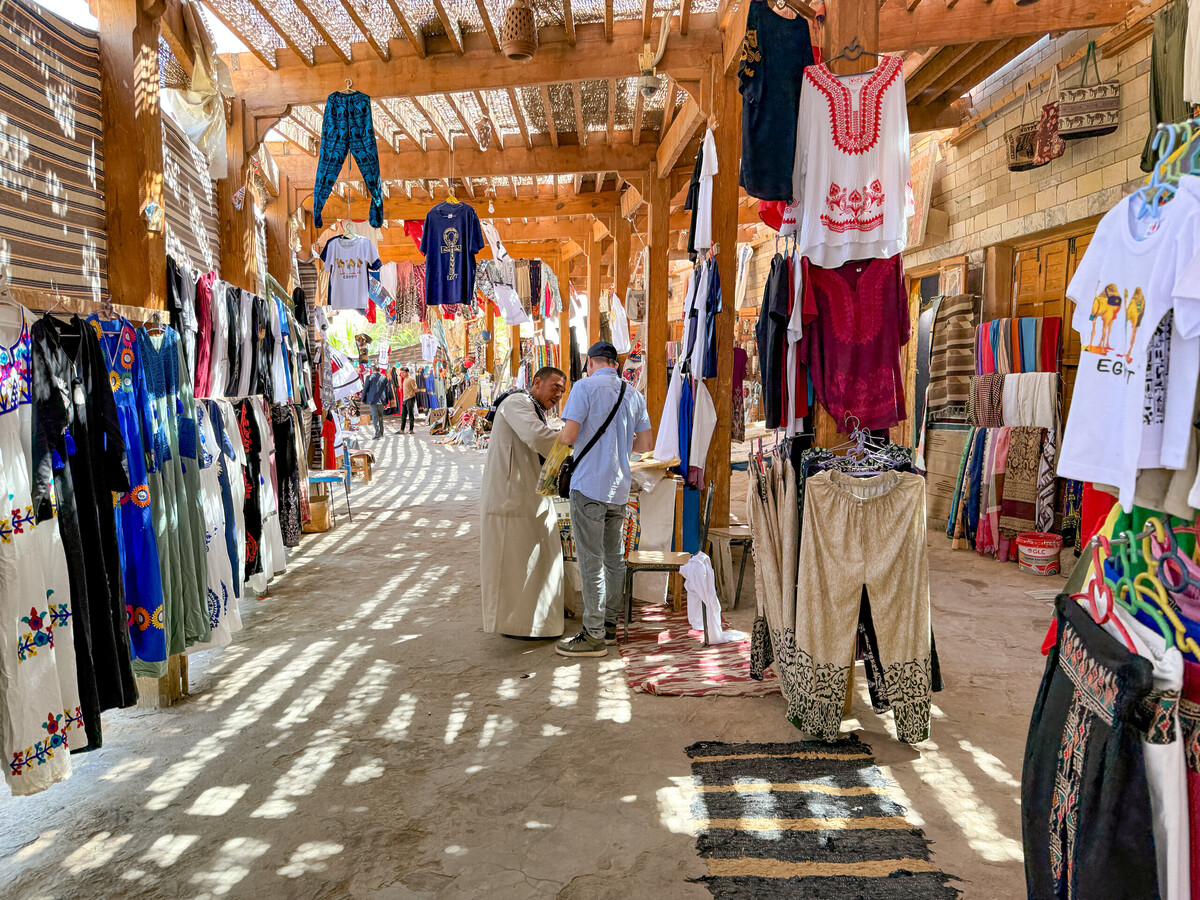
- Overcharging is also very common at attractions. Sellers in Egypt are very aggressive, especially at the Pyramids of Giza, in bazaars, and in Luxor and Abu Simbel. They follow you, shout different things, and try to sell everything. Prices are not fixed, and even if you try to bargain, you can still end up overpaying. Later, you may find the same item for half the price elsewhere.
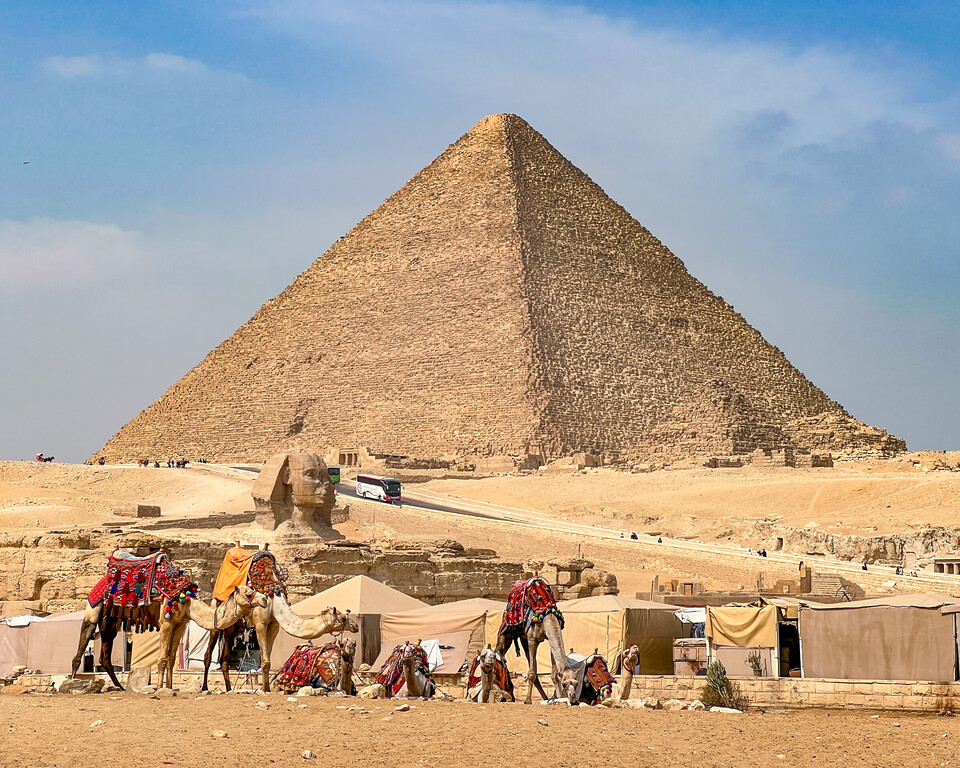
- At the Pyramids of Giza, camel rides can also be problematic. They offer very low prices at first, but some tourists were asked to pay more at the end. There were cases where people were not allowed to get off the camel until they paid extra.
- In Luxor, we were walking near the temple when street horse riders and sellers approached us and tried to block our way. They said the road to the temple was closed and we could not go there, using Ramadan as an excuse. They offered to take us on the “correct” route for money. We did not listen to them, and it turned out they were lying. The road was open, they only wanted money.
- I also heard about a travel blogger who was only allowed to leave the pyramid in Saqqara after paying extra at the exit.
- There are also stories that if locals see you driving a rental car, they may hit your car on purpose and then demand money, claiming you caused the accident. And suddenly no one will speak English, sometimes not even the police.
- It is also common that restaurant bills include items you did not order or higher prices than expected.
- In some places, bribes work, in others it is just a scam. For example, in the Valley of the Kings in Luxor, we were allowed into closed areas for a tip. But in Abu Simbel, they did not tell us the temple was closed and asked for money to let us in, but in the end we still could not enter.
How to avoid problems
I have to say that if you spend more time in Egypt, you will most likely experience some scams or overcharging, even if you are careful.
From my own experience and from others, many people treat tourists like walking ATMs.
Still, there are some basic rules you should follow when traveling in Egypt:
- Stick to the official price in paid parking areas. Street parking is usually free.
- Avoid self-appointed parking attendants and people who want to “help” when you do not need it. They almost always expect money. Avoid them, say no, but do not get into arguments.
- If you pay for a camel ride, agree on the price in advance. If they do not respect it, ask for the police or the manager.
- Do not be afraid to bargain for souvenirs. You can often get them for a fraction of the original price. Do not let them sell you things you do not need.
- Buy drinks, snacks, or even souvenirs in local shops or supermarkets when possible. They are much cheaper than in tourist areas.
- Do not ask for directions on the street and do not accept unofficial guides. They usually want money.
- Tip for real services like hotel help or service, but do not pay for unwanted or fake services.
- Feel free to say no. Egypt is a place where people try to sell you things all the time, whether you want them or not.
- Always check your bill in restaurants and shops to make sure it matches what you ordered.
This is what you can do against scams and small overcharging. The rest will be covered below.
Transportation safety in Egypt
Besides scams, transportation is another important safety topic.
Since Egypt is an African country, you should not expect high standards here either.
If you rent a car, you have to deal with driving and parking.
If you use public transport, you depend on often late, dirty, and poorly maintained buses and trains.
Group tours are the most comfortable option, but you lose the freedom of independent travel and have to make many compromises.
So it is not easy to decide how to get around Egypt, especially safely.
Traffic and road safety in Egypt
Egypt has around 120 million people and a small, underdeveloped road network. Traffic jams are common, traffic is heavy, and travel is slow.
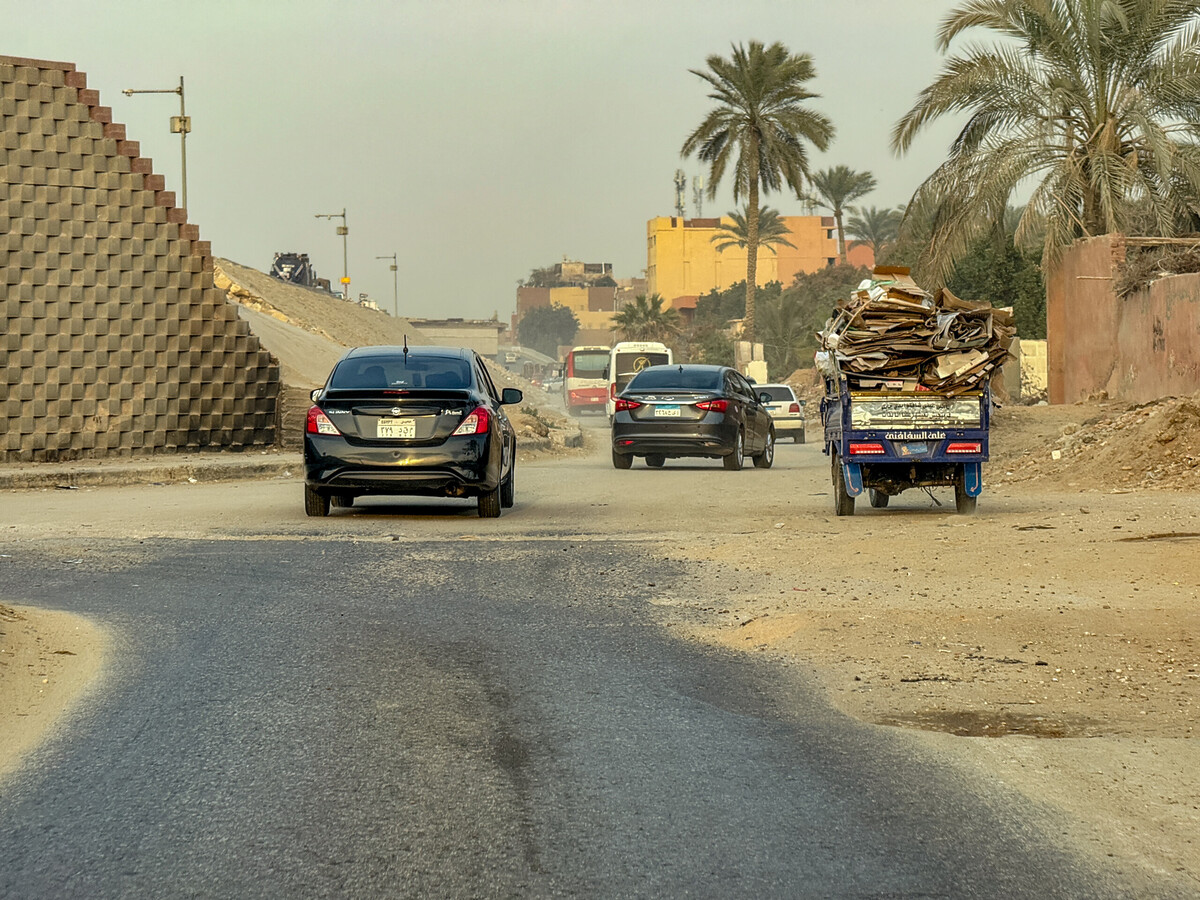
Roads are often in poor condition. Drivers are experienced, but rule breaking is common, so you always need to stay alert.
Now I will show what you should know depending on your choice of transport.
Driving in Egypt: Is it safe?
Driving in Egypt is an adventure, but not an easy one.
Everyone wants to get from one place to another safely, but it works very differently from what most Western travelers are used to.
Rules are often ignored. There are constant obstacles, honking, pedestrians, tuk tuks, and motorbikes. Sometimes even children direct traffic. Roads can close without warning.
Driving requires flexibility, strong skills, and quick problem solving. That is why many say tourists should not drive here.
We still chose to do it, and I would do it again. It gave us flexibility, real experiences, and access to places we would have missed otherwise.
My advice:
- Focus on safety, not strict rules
- Plan everything in advance
- Avoid driving at night
- Be careful with people offering help
- Keep water, food, and essentials in the car
- Plan fuel stops ahead
- Know your limits.
Travel restrictions and sensitive areas
Some regions in Egypt, like the Sinai Peninsula (including Sharm el-Sheikh) and the Western Desert, are more strictly controlled.
I would not recommend traveling there independently by car. You may face checkpoints, restrictions, or be turned back without proper permits.
For these areas, organized tours are usually the easiest and safest option.
Parking situations and local “helpers”
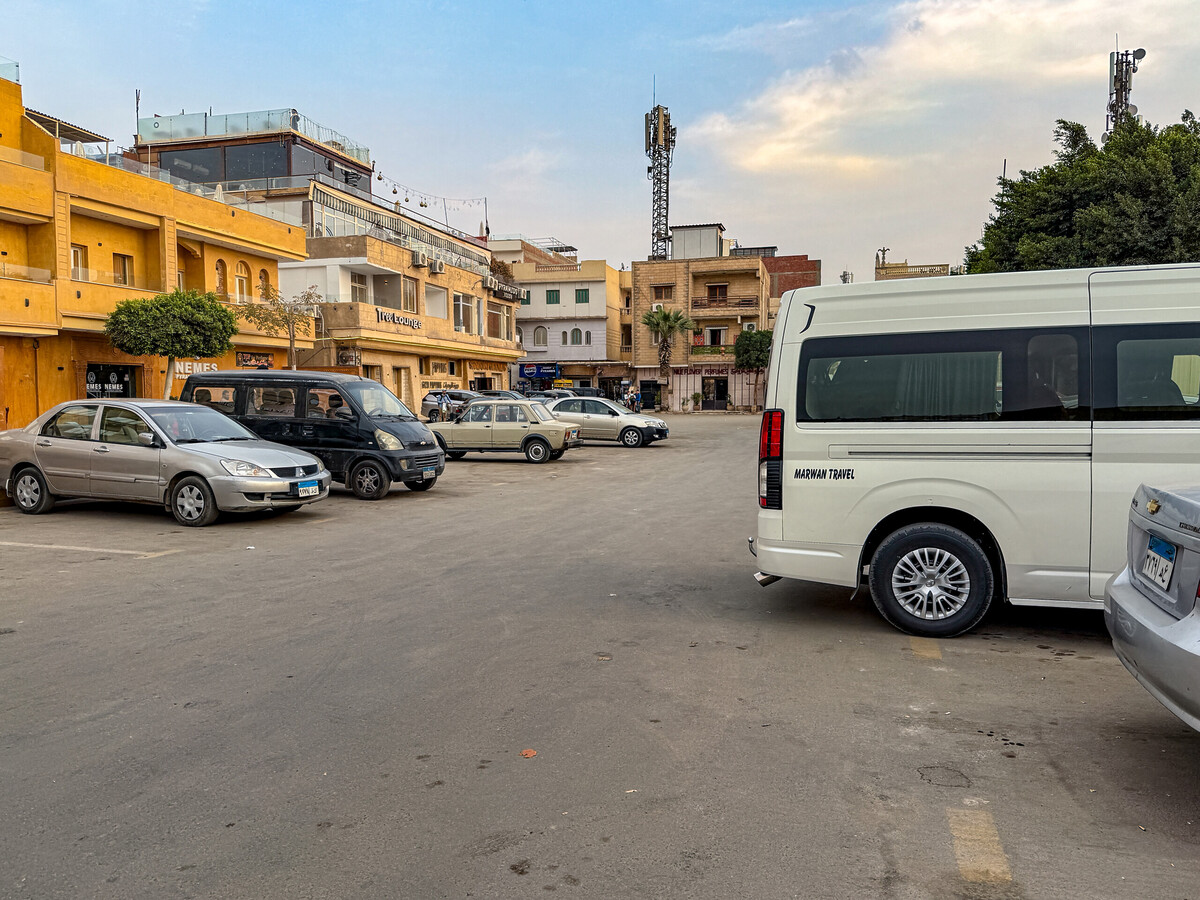
Be careful with unofficial parking attendants.
Some locals may approach you, guide you, or offer to “watch your car” for money. Others may try to direct traffic without authority.
Only follow police instructions. It is better to ignore civilians.
Street parking is usually free. If there is a guard, you may need to pay, but it is not always clear who is official.
Bus and train travel in Egypt
We skipped buses and trains and used flights and a rental car.
They are not dangerous, but the standard is often low. Vehicles can be dirty, delays are common, drivers may smoke in the bus, there can be random stops, and luggage is not always handled carefully.
So this is more a comfort issue than a safety issue.
Domestic flights in Egypt
Domestic flights are popular, operated by airlines like EgyptAir, Air Cairo, and Nile Air.
They are a good option for long distances. Fast, but not cheap.
Flights are generally safe, although standards are not always the same as in Western countries. This is more about comfort.
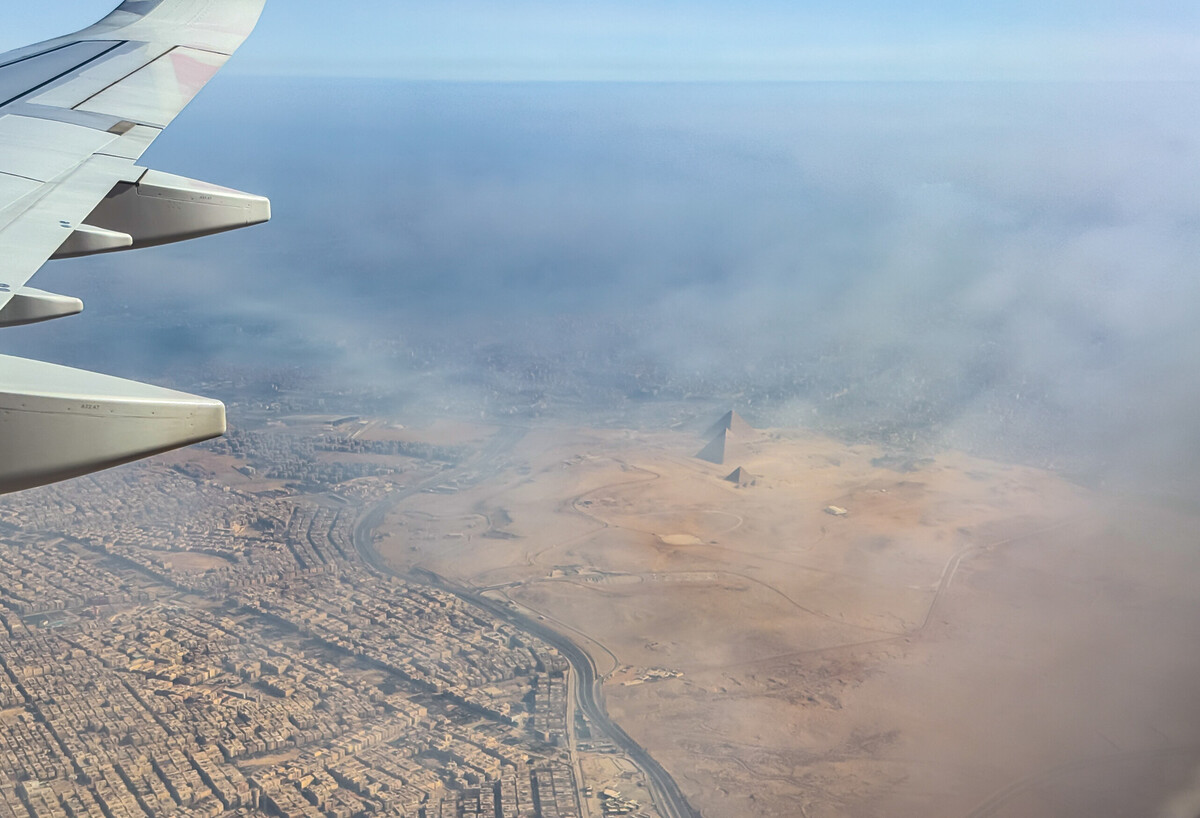
At airports, security is very strict. For example, at Hurghada International Airport, we went through multiple checks, scanners, and physical controls before boarding.
Police checkpoints in Egypt
Police checkpoints are common, both at airports and on the roads.
You will find them at city entrances, borders, tourist sites, and sometimes randomly.
Usually you just slow down and continue. If stopped, they may ask a few questions or check documents.
Tourists are rarely held up. At night, they may offer police escort, which you can politely refuse.
During our 7-day Egypt trip, we were stopped maybe twice and quickly allowed to continue.
What documents should you carry?
To travel in Egypt, you need:
- Passport with valid visa
- Driver’s license if you drive
- International driving permit if you drive
- Travel insurance.
Do you need permission to travel independently?
There is a common myth that tourists cannot travel freely in Egypt.
And many travelers ask if they should travel independently or join a tour.
Group tours are easy and comfortable, but you lose flexibility.
If you like adventure and can handle unexpected situations, independent travel can be more rewarding.
Tour buses need permits, but this does not apply to individual travelers.
So you can travel freely, even between cities. You will pass checkpoints, but if your documents are in order, you can continue without problems.
Solo female travel in Egypt: Is it safe?
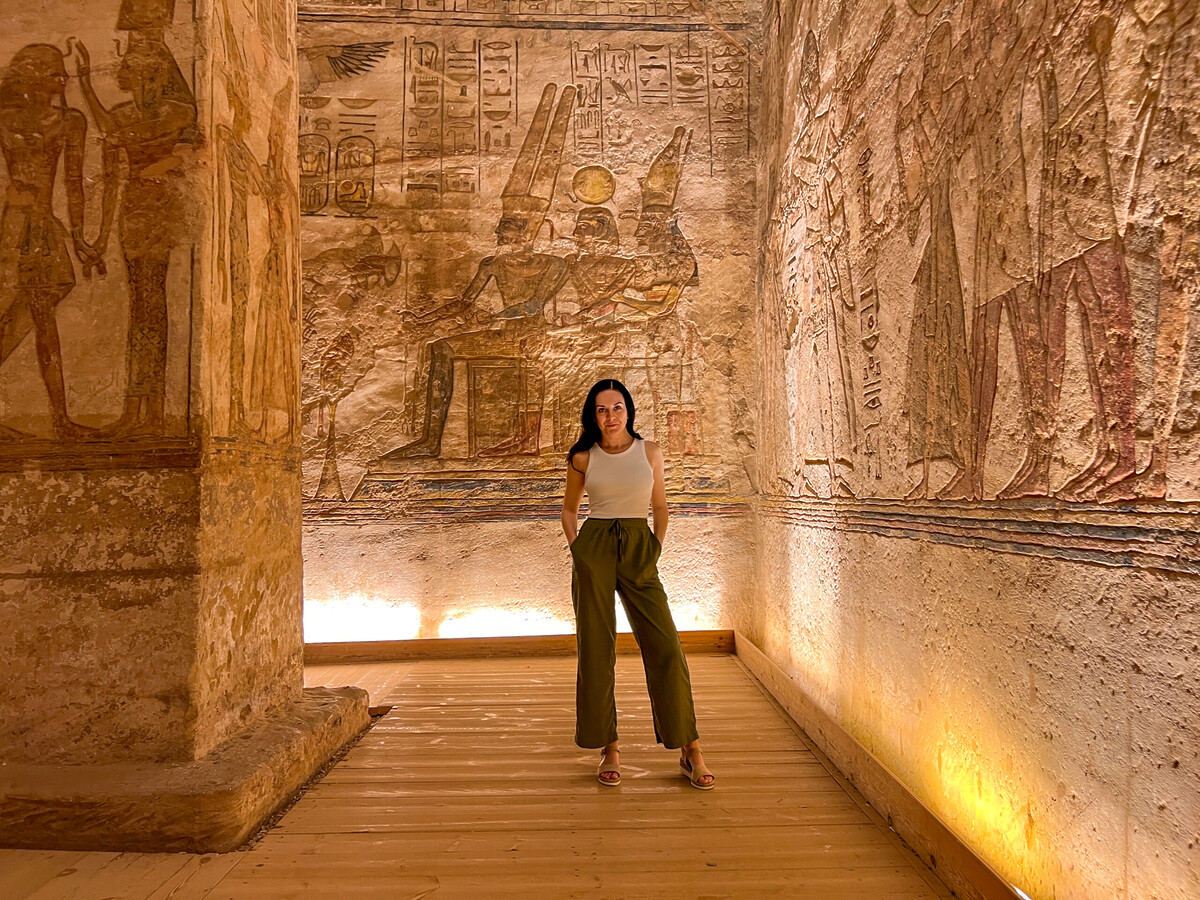
There are solo female travelers in Egypt, so it is possible and generally considered safe to visit. Still, as a woman, I would think more carefully about traveling alone.
What to expect as a woman
Since many people approach tourists, sellers, beggars, and others constantly talk to you on the street and ask for money, as a woman you can feel more exposed.
You do not need to expect serious incidents, I have not heard about those, but caution is important. It may be better to travel with a local guide or a travel partner. It simply feels safer in a place like this.
I will never forget that I traveled with my husband, but the moment I was alone for a short time in Hurghada, within about 10 minutes an Egyptian man came to flirt with me. I found it harmless and even a bit funny, but alone you can get into more uncomfortable situations more easily.
How to dress as a tourist
Egypt is a deeply religious Muslim country, and locals usually dress according to these traditions. Both men and women wear longer, loose clothes, and women often cover their hair.
But tourists are not expected to follow this strictly.
I did see tourists wearing short summer clothes, so it is possible, but in reality, wearing very revealing outfits in a Muslim country can feel uncomfortable and I would not recommend it.
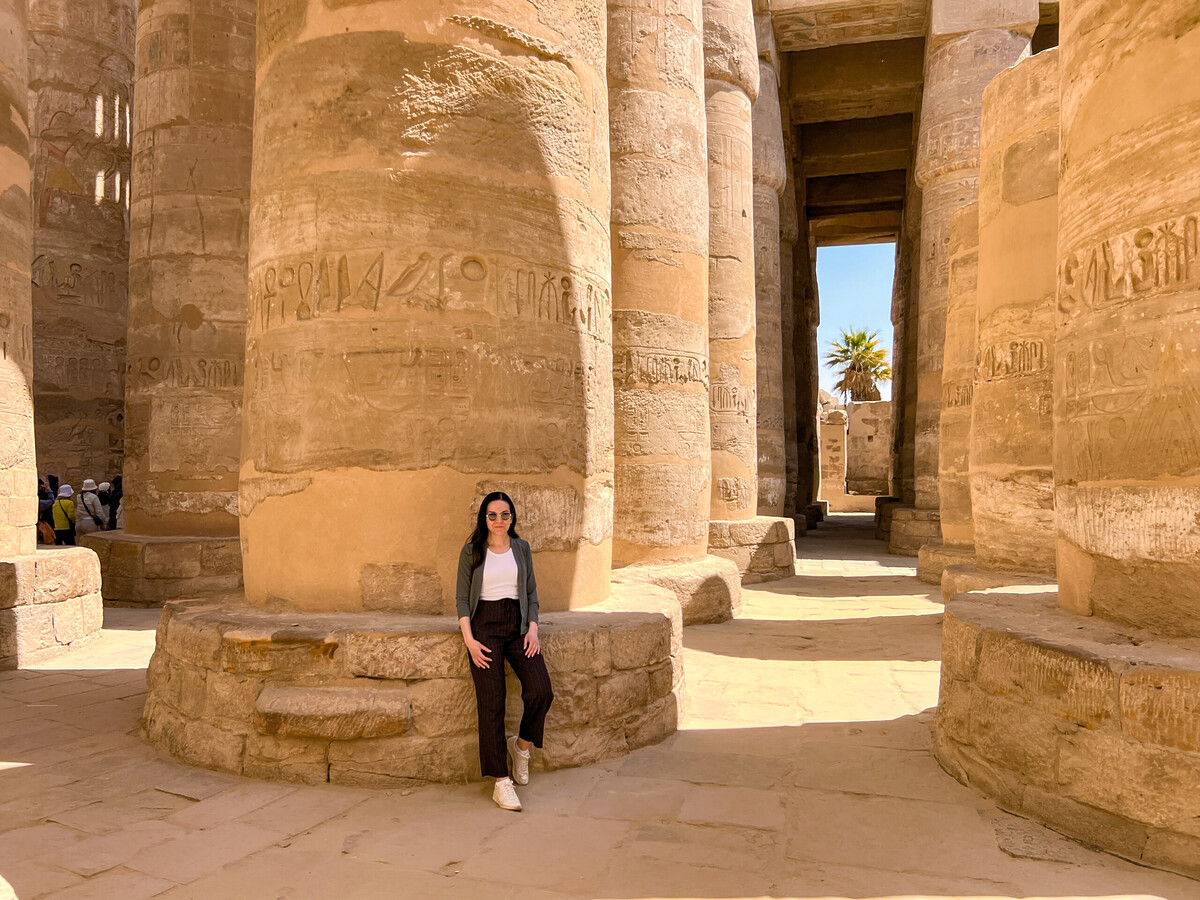
As a Western traveler, the best choice is to dress modestly. Loose, non see-through clothes, wide pants, and tops that cover your shoulders, such as shirts, T-shirts, or blouses work best.
For shoes, I recommend comfortable, closed shoes because of the walking, dust, and uneven ground.
Hygiene in Egypt
This is the last important safety topic. Avoiding illness during your trip is also part of staying safe.
Can you drink tap water in Egypt?
It is not recommended to drink tap water, so you should avoid it.
Tap water in Egypt is not as clean as in Western countries. I did not even brush my teeth with it, only with bottled water, even if it felt uncomfortable.
There is some debate about whether it actually causes illness or not, and neither side is clearly proven.
However, many tourists get sick in Egypt, so it is better to be careful and avoid tap water.
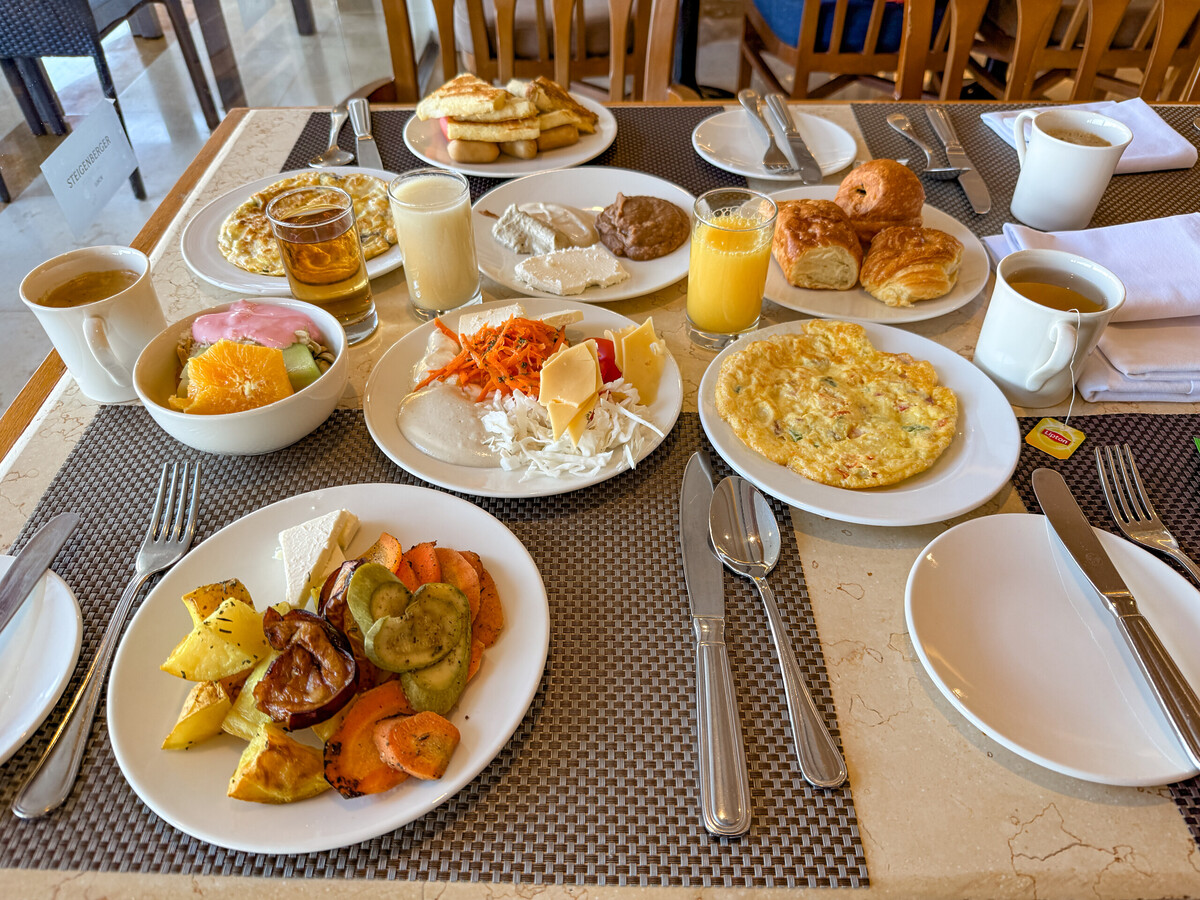
In 5-star hotels, they usually use bottled water for most things, so the risk there is lower.
Common tourist illnesses in Egypt
The most common one is diarrhea, but of course you can get other illnesses as well.
Typical traveler’s diarrhea in Egypt is caused by a bacterium, which can usually be avoided by following strict hygiene rules.
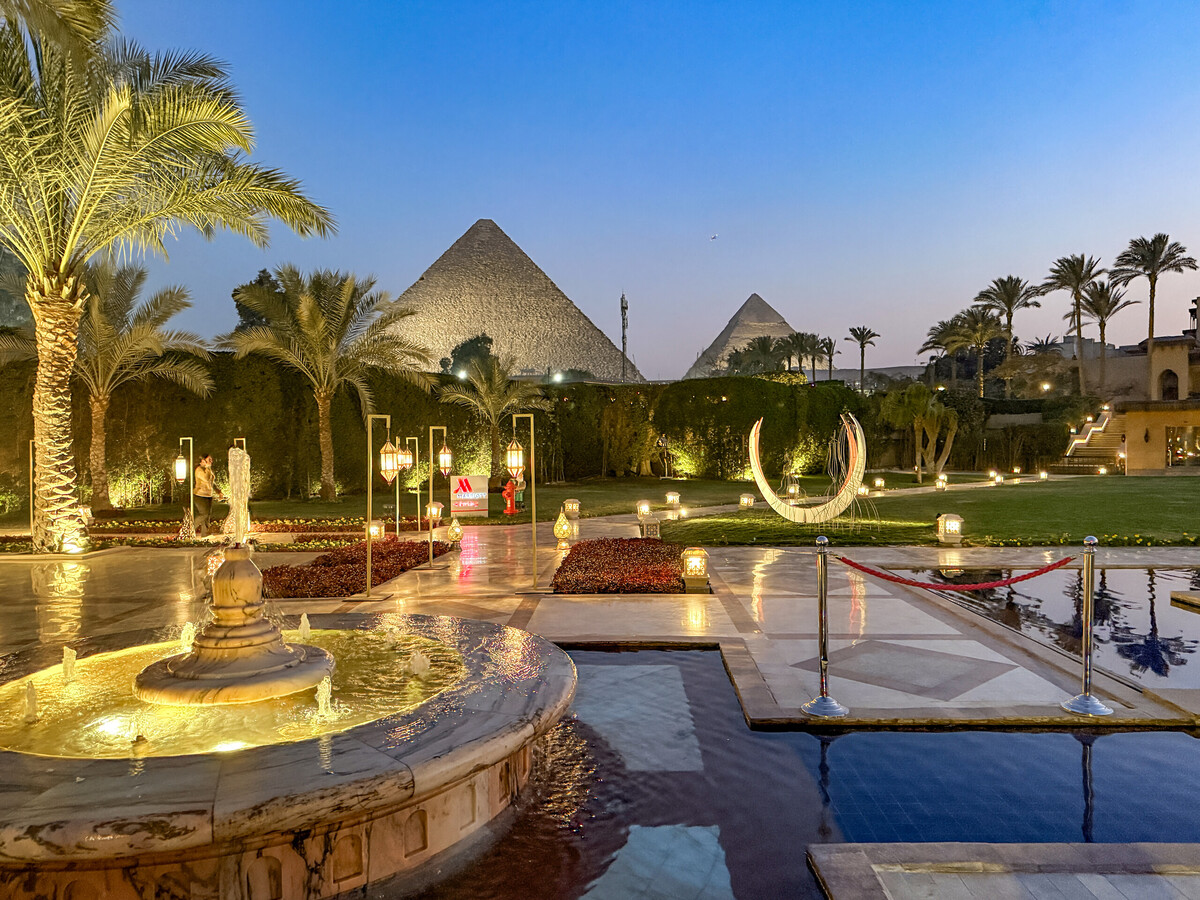
That’s why we only stayed at reliable 5-star accommodations and ate at well-known restaurants. Yes, it’s not cheap, but at least it’s safe.
If you have diarrhea or any digestive symptoms, contact the hotel doctor or a private clinic through your insurance.
In milder cases, people often take Antinal, which is a strong intestinal antiseptic. Do not take it in advance, only if needed and according to instructions.
If the situation is more serious, for example high fever or severe diarrhea, doctors may give you an IV treatment. Most tourists recover quickly after that.
FAQ about safety in Egypt
Here are the most common questions and short answers:
Is Egypt safe for tourists right now?
You can generally travel to Egypt without worrying about war or serious crime. Egypt is a militarily neutral country, and there is a strong police presence in tourist areas.
Most negative experiences tourists face are harmless, usually small scams or overcharging, not serious threats.
Is Egypt safe for solo travelers?
In general, yes. For men, it is usually not a problem.
For women, I would think more carefully about traveling alone. It may be better to find a travel partner or hire a local guide, as street harassment is quite common, even if it is not usually serious.
Is Egypt safe for couples?
Yes, traveling as a couple is generally safe.
However, avoid public displays of affection. Even kissing in public is not appropriate in a Muslim country. If you behave respectfully and follow local customs, you should not have any problems.
Is Egypt safe at night?
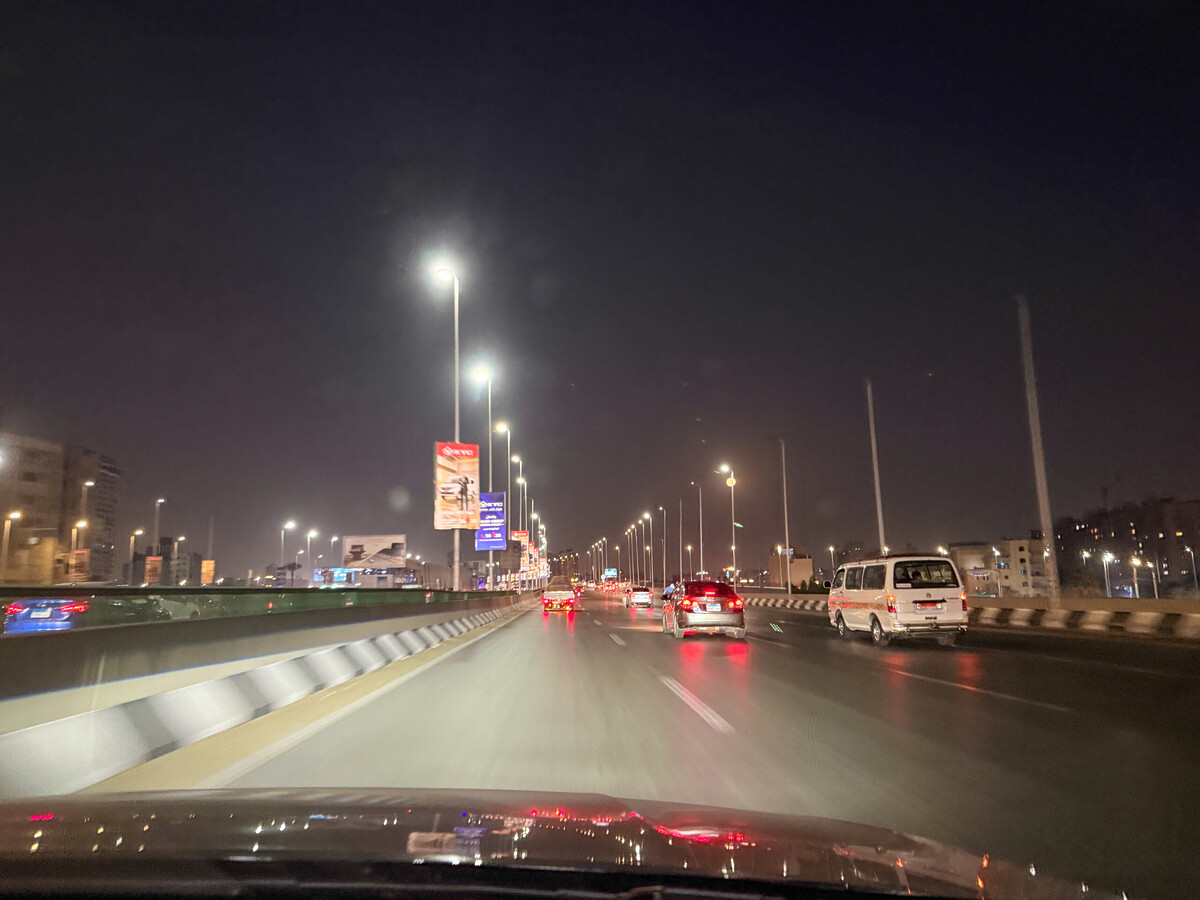
We drove at night and sometimes went out for walks, and nothing happened to us apart from pushy sellers.
However, it does not feel very safe. Street lighting is often poor, and local behavior can feel unusual from a Western perspective. I would recommend avoiding being outside at night when possible.
Who should NOT visit Egypt?
Even though I have chronic health conditions and I’m quite careful about hygiene, I still had an amazing time in Egypt.
But there are certain travelers who should think twice before visiting:
- Families with very young children, unless you are staying at the Red Sea resorts
- Travelers who need regular medical care: outside cities, healthcare can be limited
- Those who struggle with desert environments, dust, or heat
- Travelers who want a calm vacation: Egypt is not a quiet destination
- People who find it hard to say no: you will be approached constantly, and without precaution and boundaries, you can easily get overcharged.
Conclusion: My honest experience in Egypt
So, is Egypt safe to visit?
Based on my experience, relatively yes, but it is not an easy destination.
I never felt in real danger during my trip. We did not experience serious incidents, and most situations were manageable. But I also cannot say that I felt relaxed all the time. Egypt requires attention, patience, and a bit of mental energy every day.
The biggest challenge is not safety in the classic sense. It is the constant interaction. The sellers, the noise, the traffic, the small scams. It can feel overwhelming, especially at the beginning.
At the same time, Egypt gave me some of the most unforgettable travel experiences I have ever had. Standing in front of the pyramids, walking through ancient temples, seeing places I had only read about before.
If you prepare well, stay aware, and accept that things work differently here, you can have an incredible trip.
Egypt is not for everyone. But if you are open, flexible, and a bit adventurous, you will most likely enjoy it much more than you expect.

Hi! I’m Adri, the creator of Traveltipzone.com and Italianwanderlust.com.
I’ve explored over 30 countries so far and travel to around 15 each year — some new places and others I love returning to. I’m especially passionate about Southern Europe, particularly Italy, and the United Arab Emirates.
Follow my journeys for firsthand travel tips and inspiration!